
Brown Mahogany Glass Cabinet
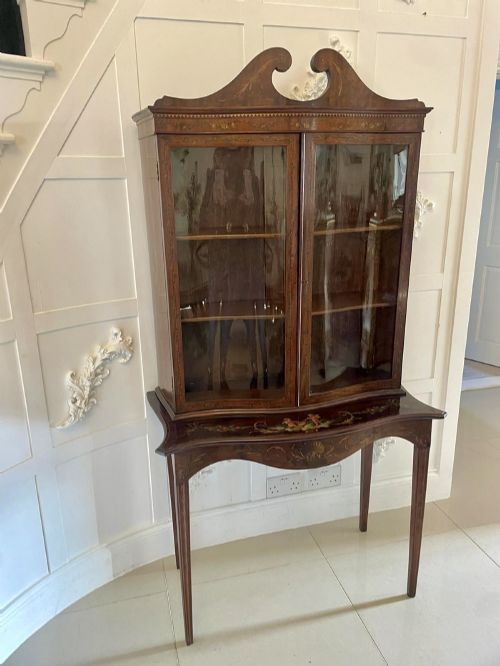
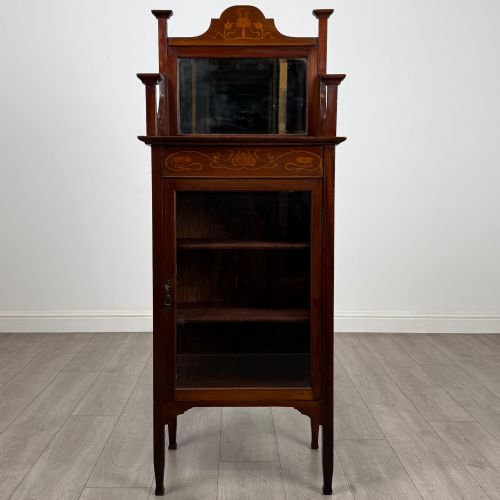
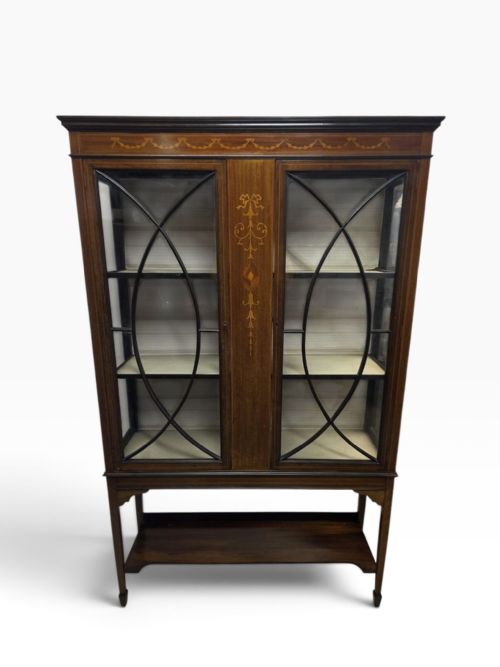
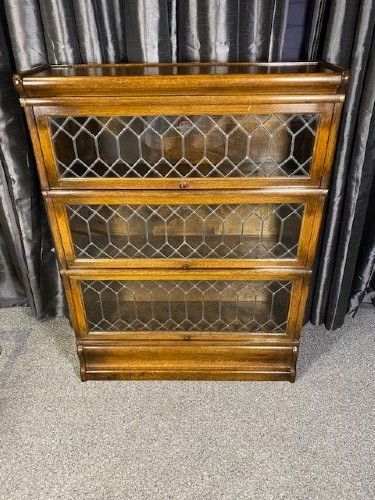
A brown mahogany glass cabinet offers refined storage and display, bringing rich timber tones and transparent panels together to showcase books, china, or curiosities.

Brown Mahogany Glass Cabinet
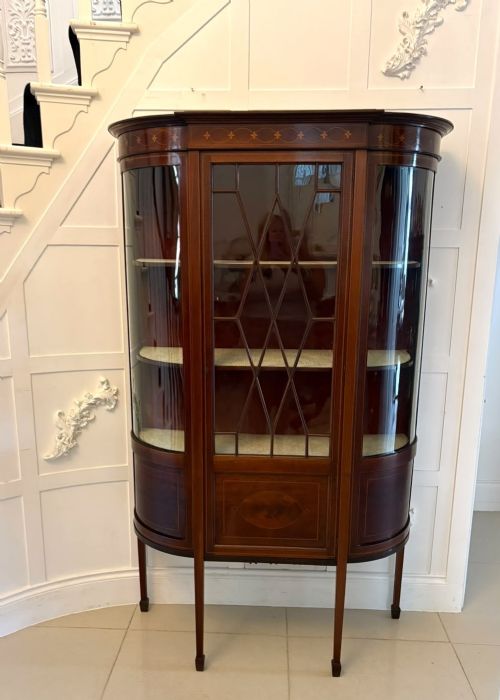
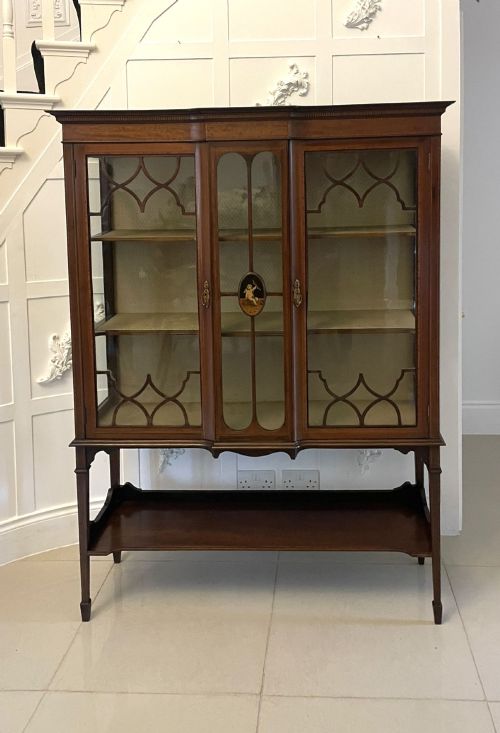
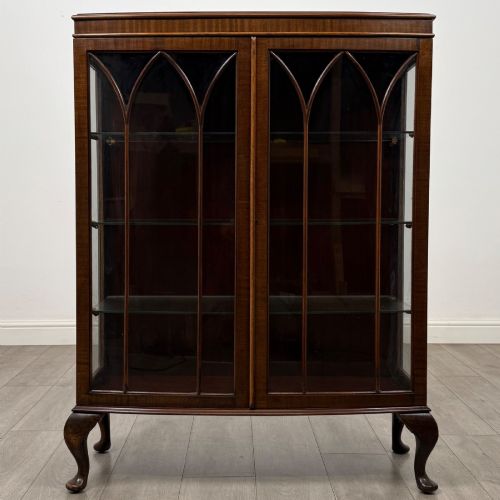
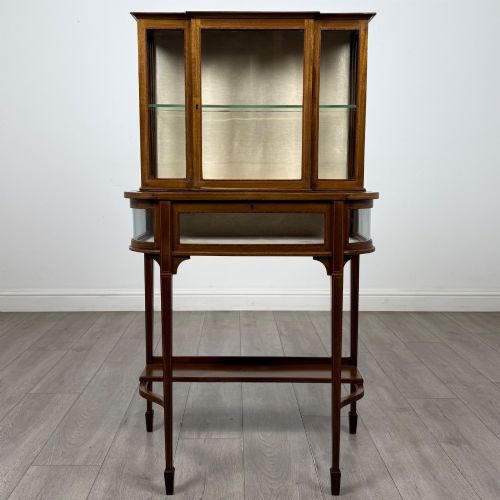
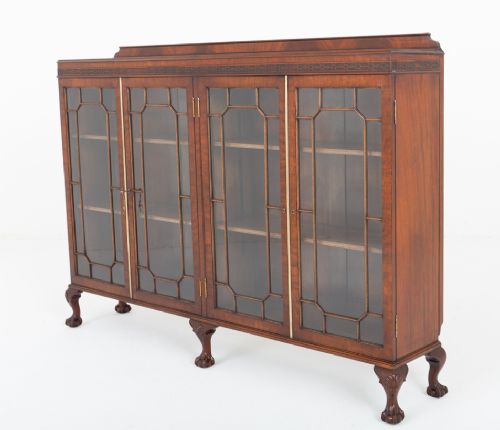
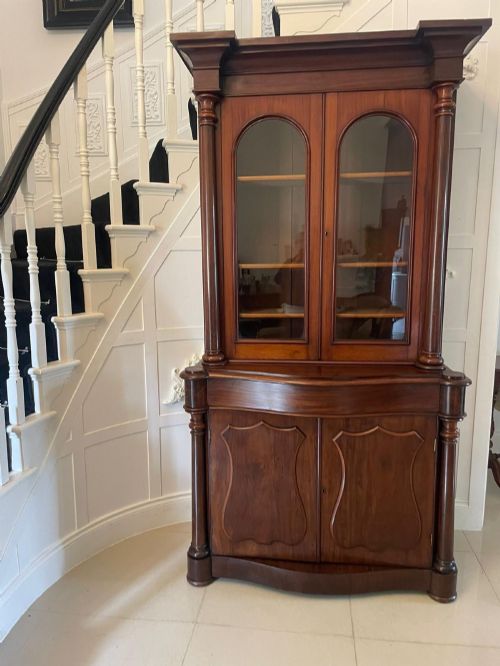
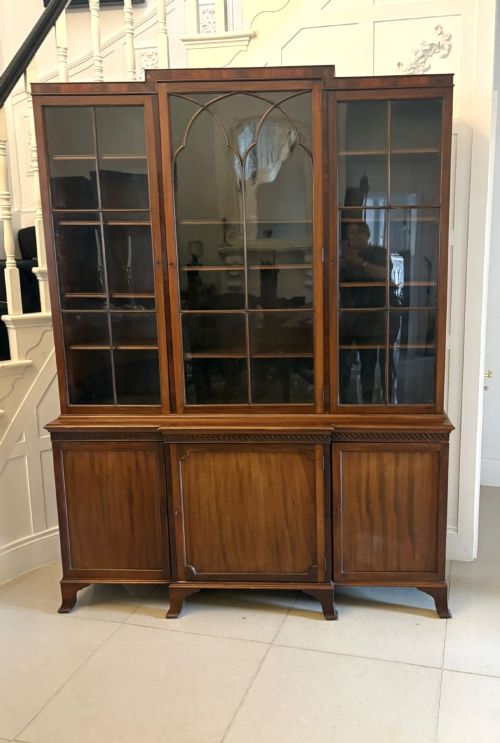
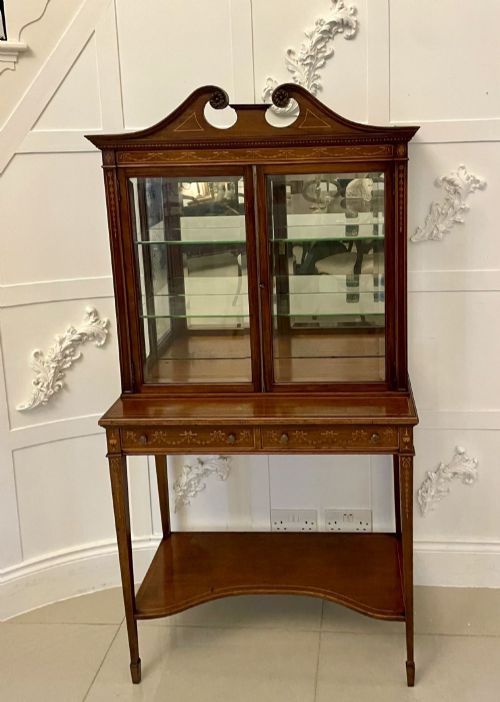
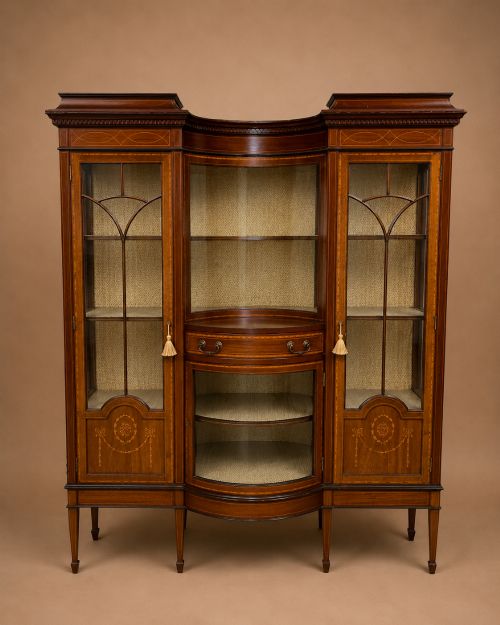
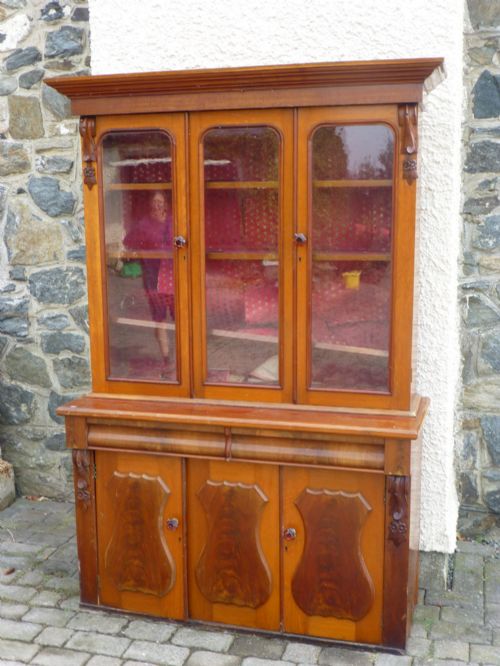
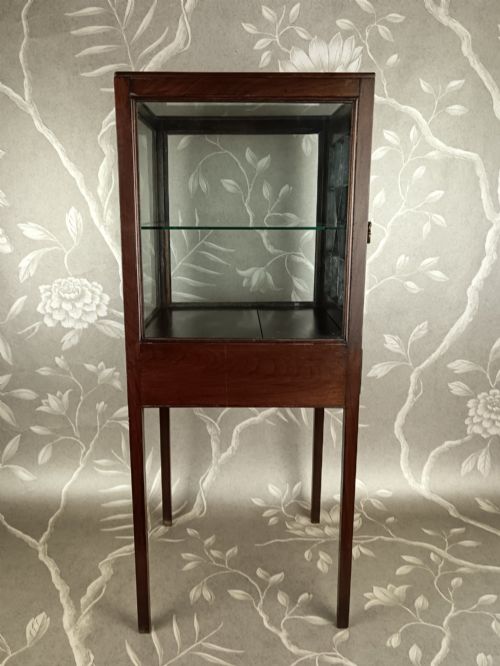
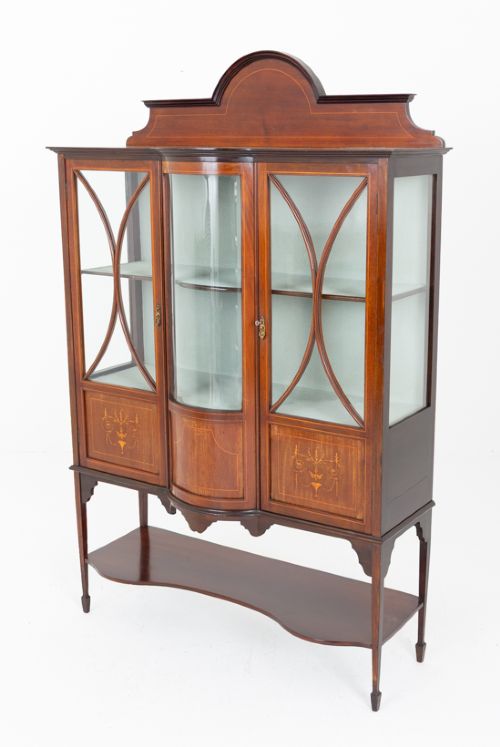
A brown mahogany glass cabinet combines timber structure with transparent panels to hold and exhibit valued objects. When exploring a brown mahogany glass cabinet, buyers encounter diverse forms ranging from tall breakfront bookcases and corner cupboards to low side cabinets, display cases, and bijouterie tables.
The selections span distinct eras including Georgian, Victorian, Edwardian, and the early twentieth century. Pieces take on varied stylistic expressions such as Sheraton Revival, Chippendale Revival, George III, and Arts and Crafts, reflecting the aesthetic preferences of their respective periods.
How they were made
Workshops utilised solid and figured mahogany timber, frequently incorporating satinwood inlay, marquetry, brass fittings, and painted decoration to enrich the external surfaces. Glazed doors utilised clear glass panes held by wooden framing or delicate astragal bars, while internal spaces occasionally integrated fabric linings and adjustable glass shelves.
Construction techniques balanced structural integrity with decorative refinement, employing fitted shelves, carved mouldings, and mirrored backs. Makers built these storage and display pieces using traditional joinery methods suited to domestic libraries, drawing rooms, and studies.
Listings feature mahogany display cabinets, bookcases, and side furniture spanning the Georgian, Victorian, and Edwardian periods.
What varies in quality
Excellence in a brown mahogany glass cabinet depends on the depth of the timber grain, the precision of the marquetry or satinwood inlay, and the finesse of any carved or painted details. Superior examples display harmonious proportions, balanced door arrangements, and integrated metal mounts or original glass.
Pieces originating from recognised cabinet-makers or workshops demonstrate superior hand execution in their joinery and finishing compared to standard commercial production. The preservation of original surface finishes, interior fabric, and structural components further distinguishes finer specimens.
Edwards & Roberts·Maple & Co.
The Brown Mahogany Glass Cabinet Glossary
- Astragal glazed
- Glazing held in place by narrow wooden bars that divide the glass into smaller panes. This technique creates a decorative lattice effect across cabinet doors.
- Breakfront
- A cabinet design where the central section projects forward from the flanking wings. This architectural form adds depth and visual rhythm to large bookcases.
- Marquetry
- Decorative patterns formed by fitting together thin veneers of different coloured woods. Craftsmen applied these intricate designs to cabinet doors and friezes.
- Bijouterie table
- A glass-topped display table designed specifically for showcasing small valuable objects or jewellery. These pieces often feature hinged lids and fabric-lined interiors.
- Vitrine
- An enclosed glass cabinet or display case intended for presenting porcelain or ornaments. The term denotes a piece designed primarily for visibility from multiple angles.
Brown Mahogany Glass Cabinet: Frequently Asked Questions
How do I clean a mahogany cabinet?
Dust the timber regularly with a soft, dry cloth to prevent particulate buildup on the polished surface. Avoid commercial silicone sprays, utilising traditional beeswax formulations sparingly to maintain the natural sheen of the wood.
Clean glass panels using a mild glass cleaner applied to a cloth rather than sprayed directly, preventing liquid seepage into timber joints or fabric linings.
Where should I place my display cabinet?
Position the cabinet away from direct sunlight and strong heat sources such as radiators to protect the mahogany veneer and prevent timber warping. Stable indoor humidity levels preserve both the wood and any internal fabric or painted decorations.
Ensure the floor surface is level so the doors hang correctly and latch securely within their frames without binding against the structure.
How do I distinguish Edwardian from Victorian cabinets?
Victorian pieces tend to feature heavier proportions, darker finishes, and robust carving reflecting mid-to-late nineteenth-century tastes. They often prioritize solid architectural presence and deep mouldings.
Edwardian examples typically showcase lighter construction, brighter mahogany tones, and delicate satinwood inlay or painted neoclassical motifs inspired by earlier revival styles.
What items are best displayed inside?
Glass-fronted cabinets suit collections of antique ceramics, fine porcelain, glassware, and bound books that benefit from dust-free visibility. Adjustable shelving allows for the arrangement of varying heights.
Bijouterie tables and shallow display cases accommodate smaller flat items, medals, and decorative ornaments where top-down viewing highlights their detail.