

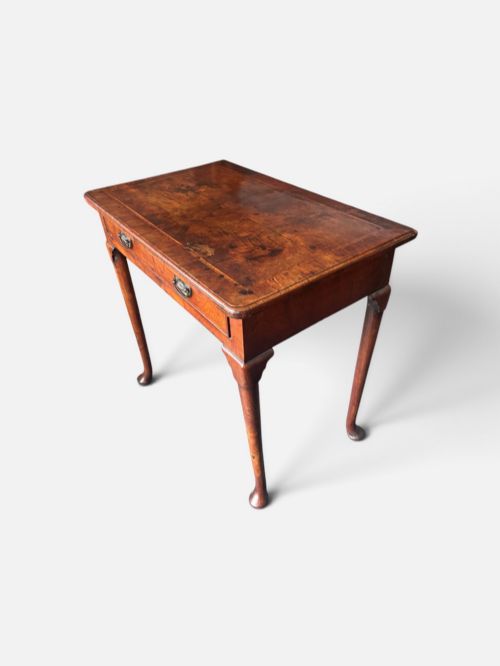
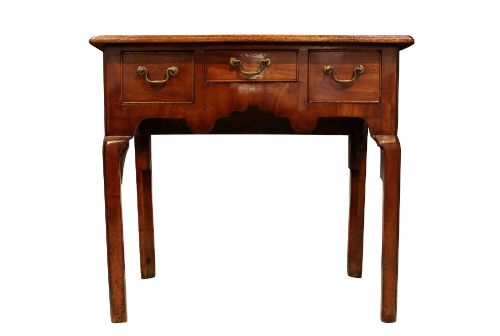
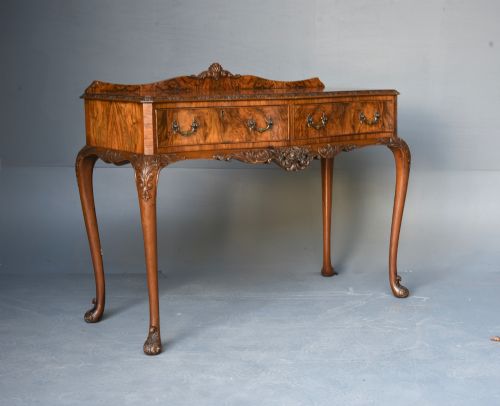
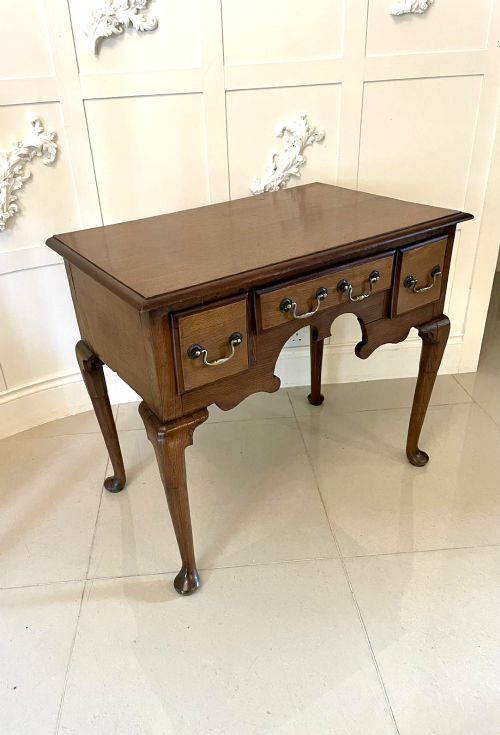
Brown Lowboy Table
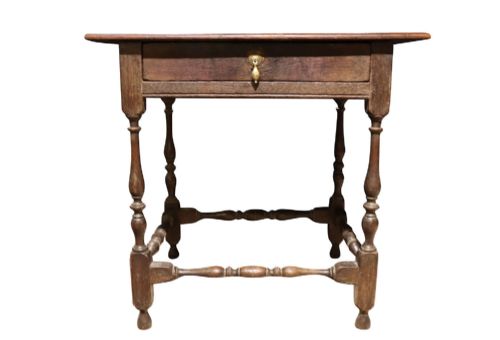
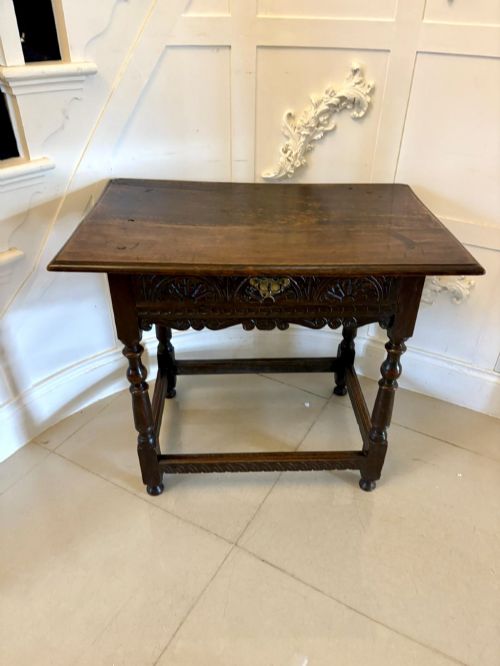
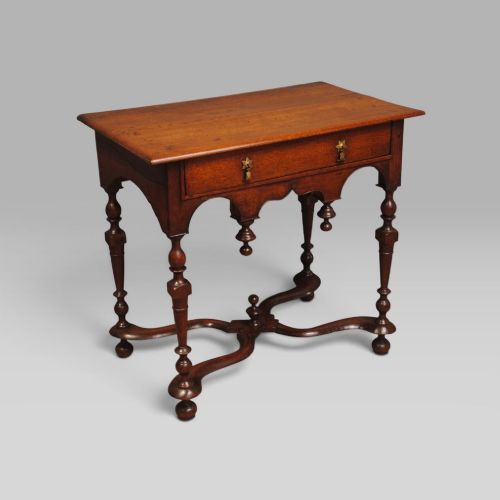
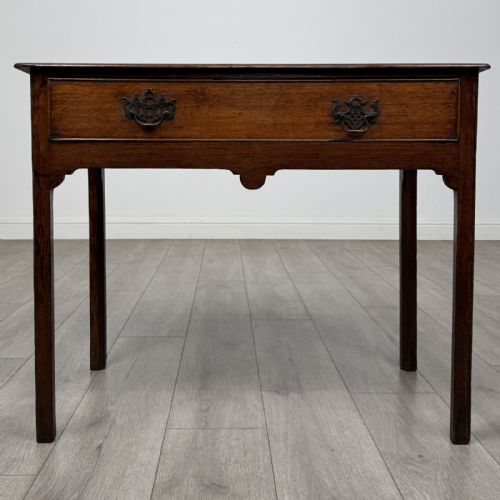
A brown lowboy table is a compact, low-slung table with drawers, prized for both practical storage and elegant proportions.
Brown Lowboy Table
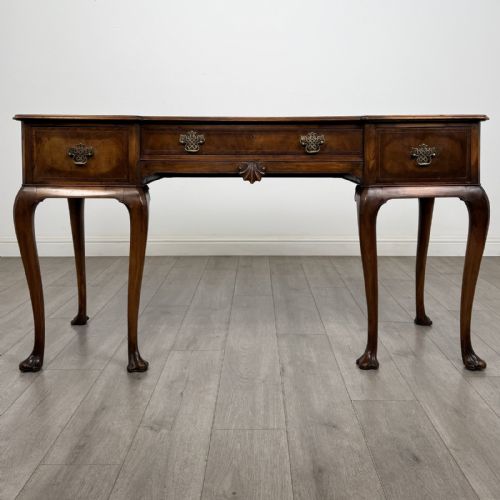
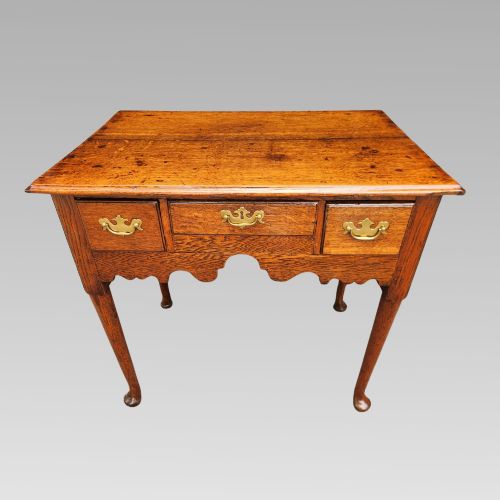
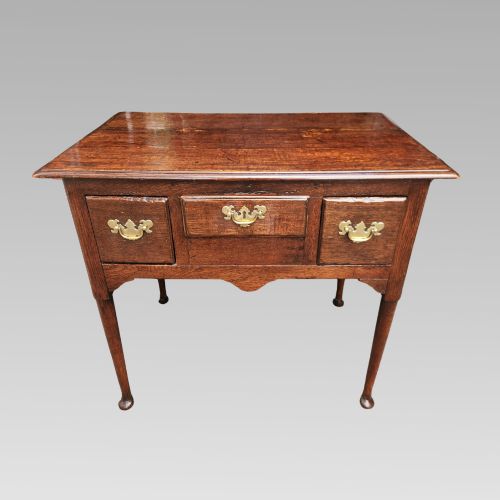
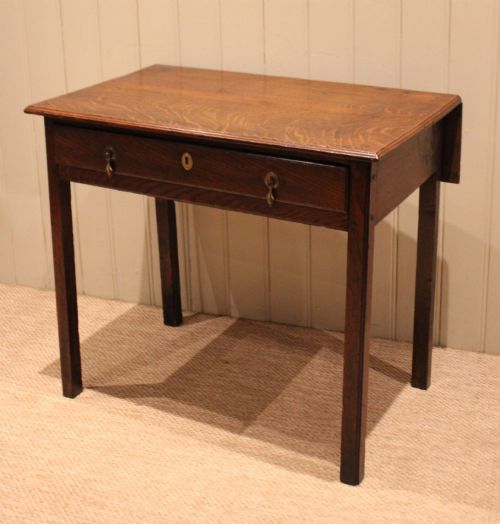
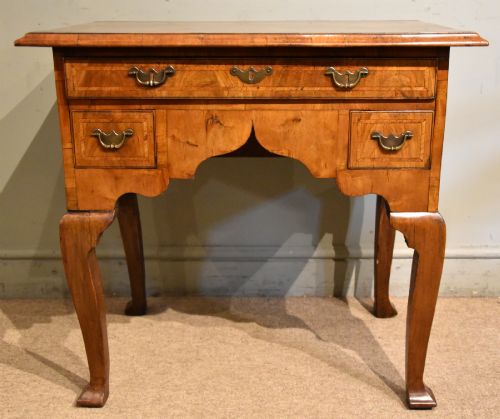
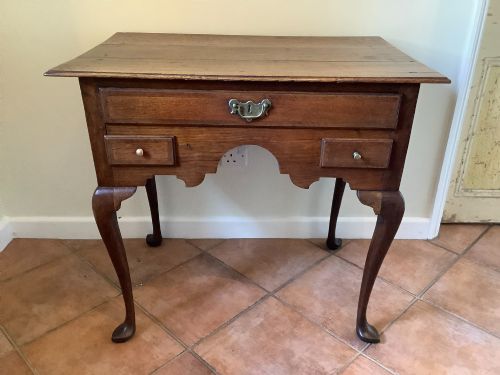
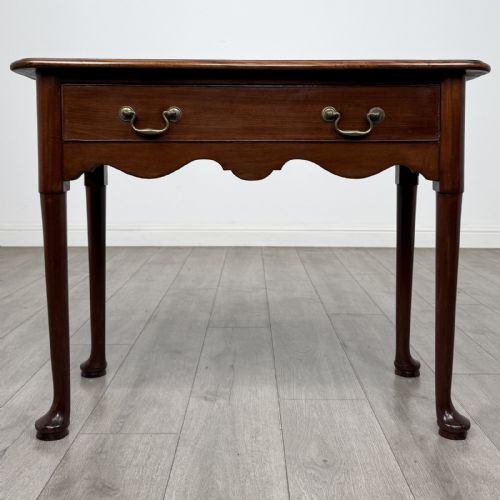
A brown lowboy table serves as a versatile piece historically used for dressing or side storage, appearing predominantly across the seventeenth, eighteenth, and nineteenth centuries. You are most likely to encounter eighteenth-century oak and mahogany examples on this page, often featuring single or multiple drawers set beneath a frieze.
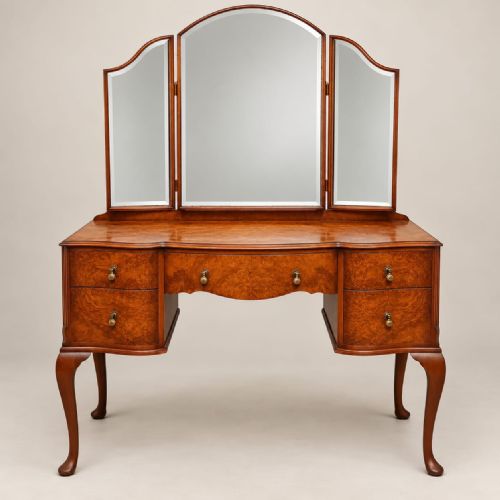
The selection ranges from early William and Mary and Queen Anne designs through George I, George II, and George III periods, alongside later twentieth-century revivals. Formations span straightforward rectangular side tables to serpentine and bow-front variations used as dressing tables or hall tables.
Regional and stylistic influences introduce diverse elements such as cabriole legs, geometric mouldings, and carved details. Makers utilised various timbers to achieve distinct finishes, uniting utility with formal eighteenth-century aesthetic standards.
Materials and construction
Cabinet makers relied heavily on native hardwoods like oak, elm, and yew during the seventeenth and eighteenth centuries, frequently employing walnut and mahogany for finer formal commissions. Timber selection dictated the structural weight and grain character of each piece, from robust country oak to highly figured burr walnut veneers.
Joining techniques involved traditional mortise and tenon framing alongside hand-cut dovetails for drawer construction. Surfaces often displayed decorative treatments such as herringbone inlay, geometric mouldings, or polished French finishes depending on the period and style.
Brown Lowboy Table Retail Price Guide 2026
Typical asking prices for brown lowboy table among the pieces listed under this phrase on Sellingantiques today, from the lower quarter to the upper quarter. They describe what is for sale here now, not the wider market.
Listings feature oak, walnut, mahogany, elm, yew, and burr walnut across periods spanning the seventeenth century to the twentieth century.
Assessing quality and craftsmanship
Quality rests upon the selection of timber figures, such as the richness of burr walnut or the depth of figured mahogany, paired with the crispness of mouldings and carving. Superior pieces demonstrate harmonious proportions and careful matching of grain across drawer fronts and tops.
Structural integrity reveals itself in the original execution of joints, drawer linings, and the retention of period brass hardware. Subtle refinements like cabriole leg shaping or specialised cross-banding distinguish standard utilitarian items from exceptional examples.
The Brown Lowboy Table Glossary
- Lowboy
- A small table with one or more drawers, standing on relatively tall legs, commonly used as a dressing table or side table in the seventeenth and eighteenth centuries.
- Cabriole leg
- A furniture leg that curves out and then narrows inward, typically ending in a pad or foot, popular in Queen Anne and Georgian design.
- Herringbone inlay
- A decorative border pattern of small veneer strips laid diagonally in a alternating V-shape, seen on high-style walnut furniture.
- Frieze
- The horizontal section of a furniture piece immediately beneath the top surface, frequently housing the drawers on a lowboy.
- Dovetail
- A joinery technique utilising interlocking wedge-shaped fingers to secure drawer corners with high tensile strength.
Brown Lowboy Table: Frequently Asked Questions
What is a brown lowboy table used for today?
These tables function brilliantly as compact hallway surfaces, bedside units, or sophisticated dressing tables in modern interiors. Their modest footprint allows them to fit narrow spaces while providing discreet drawer storage.
They also serve effectively as lamp tables or display surfaces in living rooms, pairing historical character with everyday utility.
How do I distinguish between periods?
Earlier seventeenth-century and Queen Anne examples often display simpler planked tops, geometric mouldings, and sturdy oak construction with pad or Spanish feet. Mid-eighteenth-century Georgian pieces introduce richer mahogany timbers, elaborate brass pulls, and refined cabriole legs.
Later twentieth-century revival pieces mimic these classic silhouettes using burr walnut veneers while showing standardised modern interior construction.
Were these tables originally used for dressing?
Historical evidence indicates many lowboys doubled as dressing tables, often paired with a tabletop mirror for grooming routines. The shallow drawers kept personal items and cosmetics close at hand.
Over time, their adaptable height and proportion led them to be utilised flexibly as side tables and serving surfaces in parlours and halls.
How should I care for a historic wooden surface?
Protect antique timber surfaces by keeping them away from direct sunlight and maintaining stable indoor humidity levels to prevent wood movement. Regular dusting with a soft, dry cloth preserves the polished finish.
Occasional application of appropriate wax feeding helps maintain the moisture and lustre of aged walnut, oak, and mahogany without building up heavy residue.