

Brown Leather Strap
When you search for a brown leather strap, you are looking at utilitarian bands and fitted attachments that secure wristwatches, trunks, and campaign equipment.
Brown Leather Strap
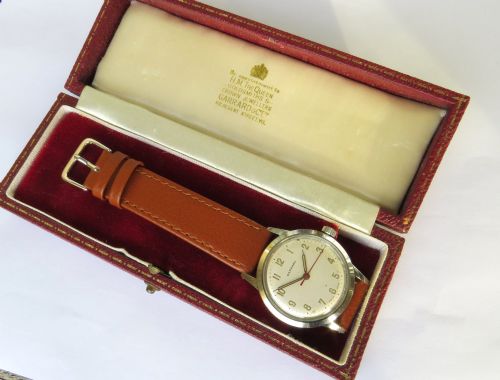
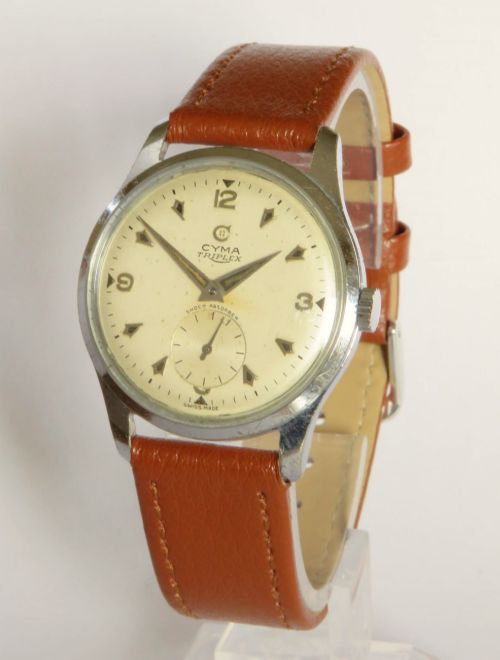
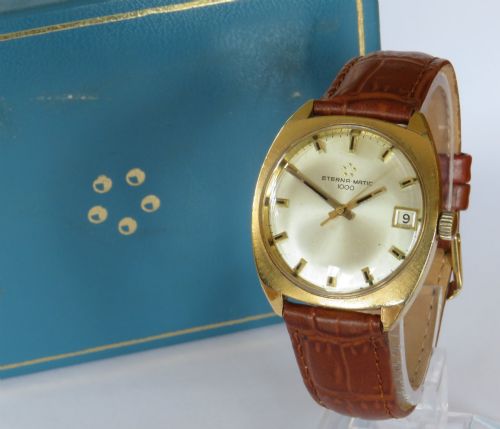
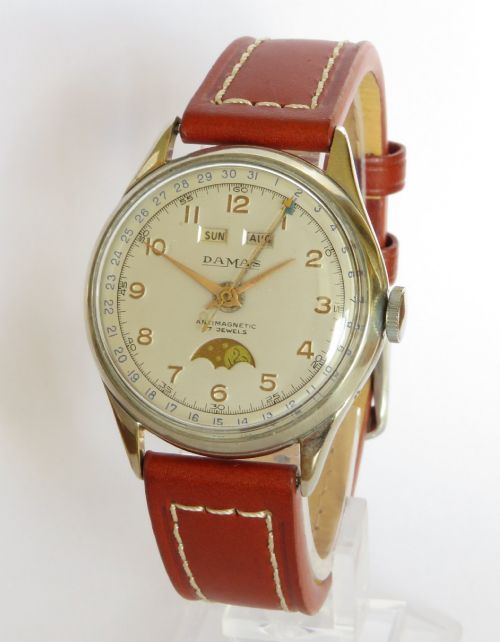
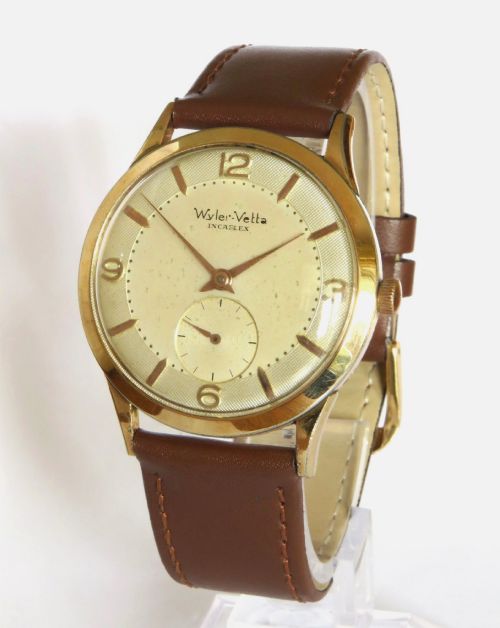
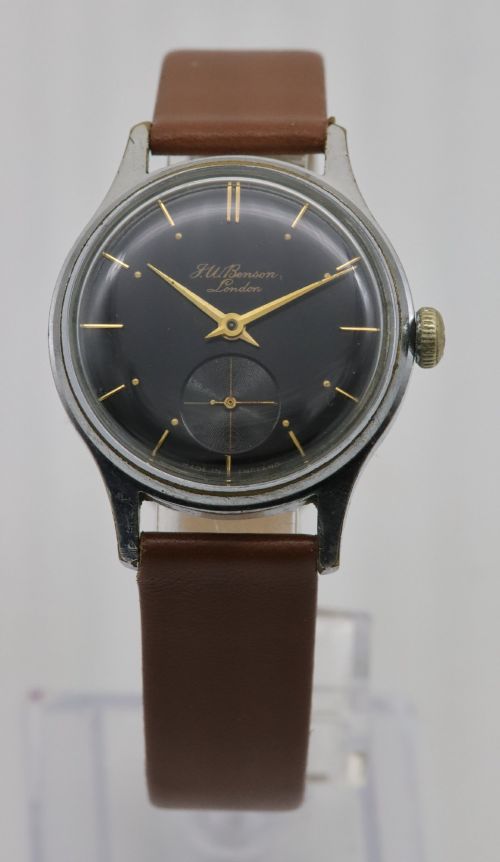
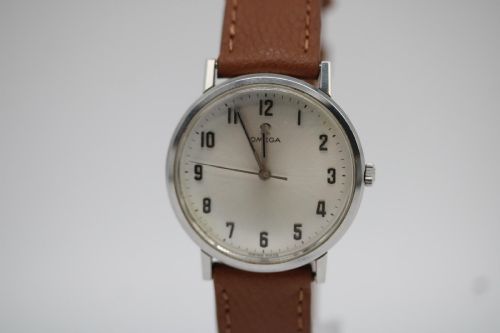
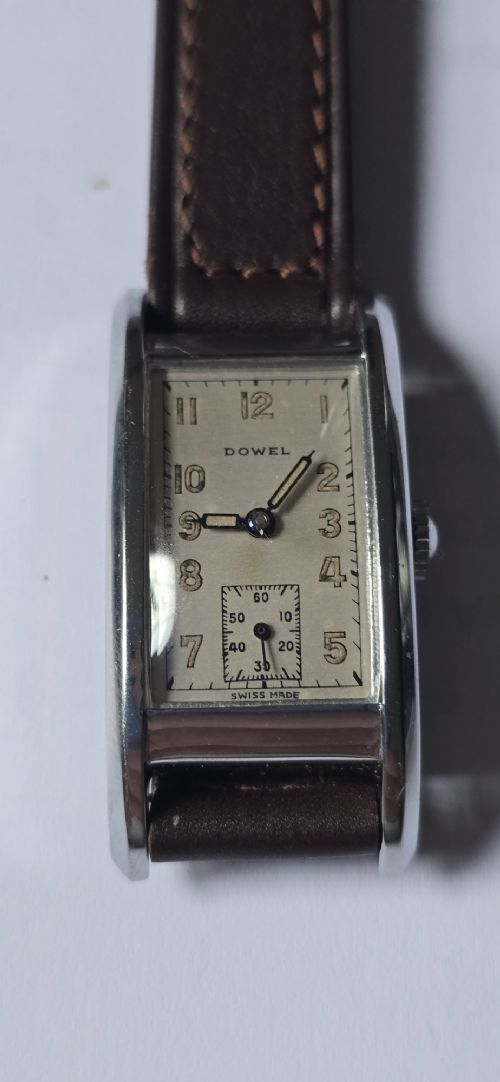
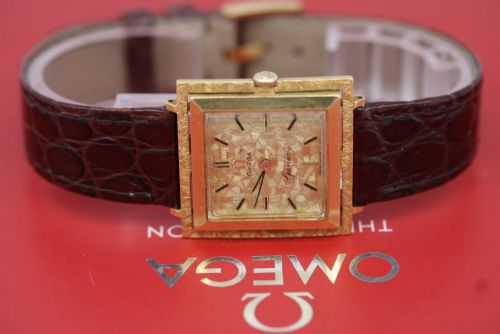
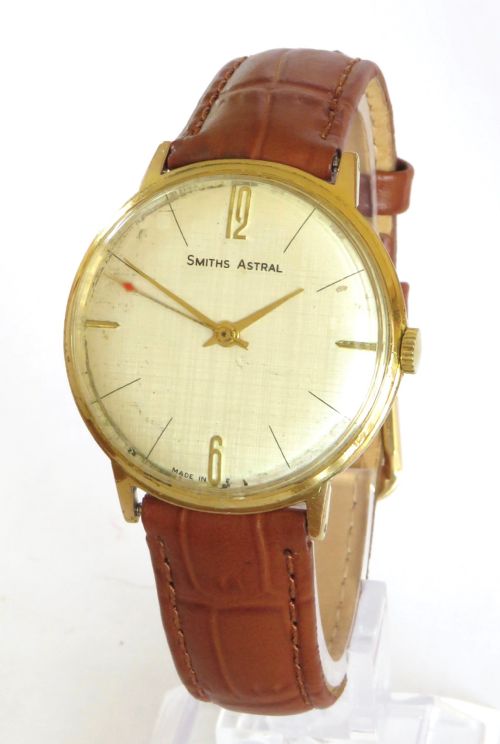
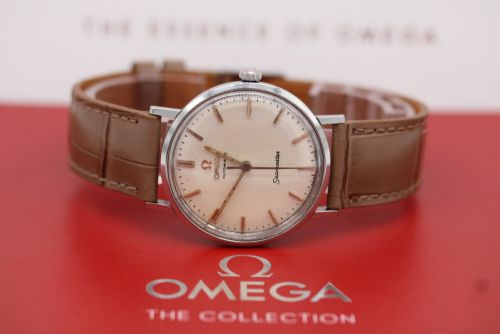
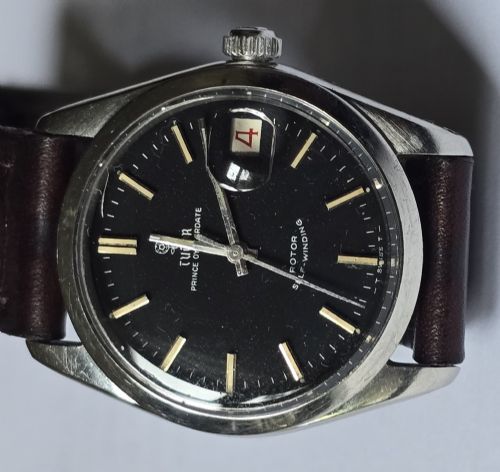
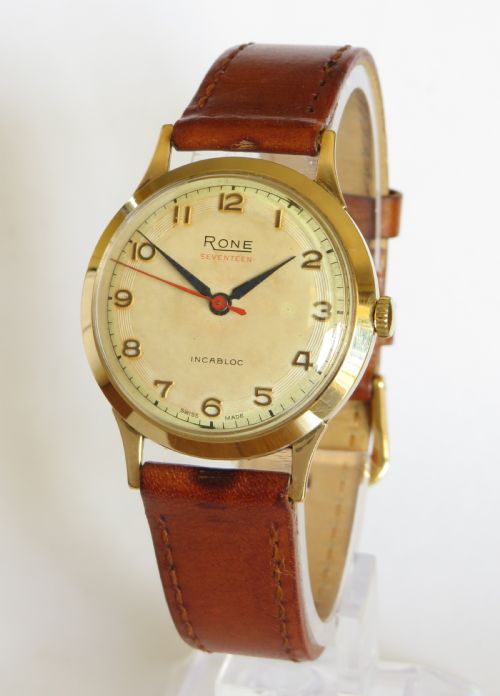
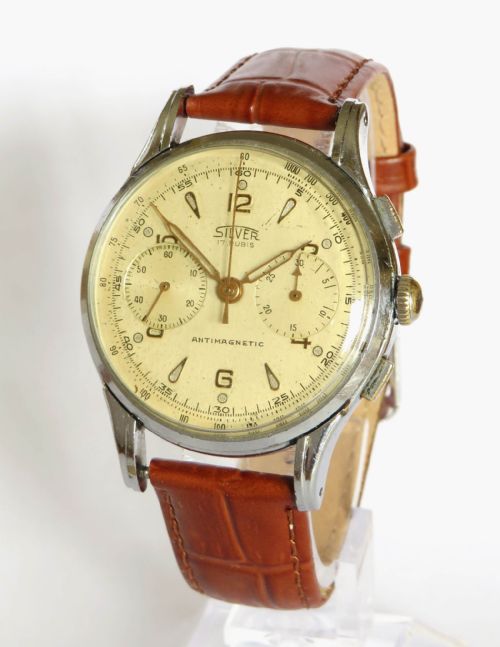
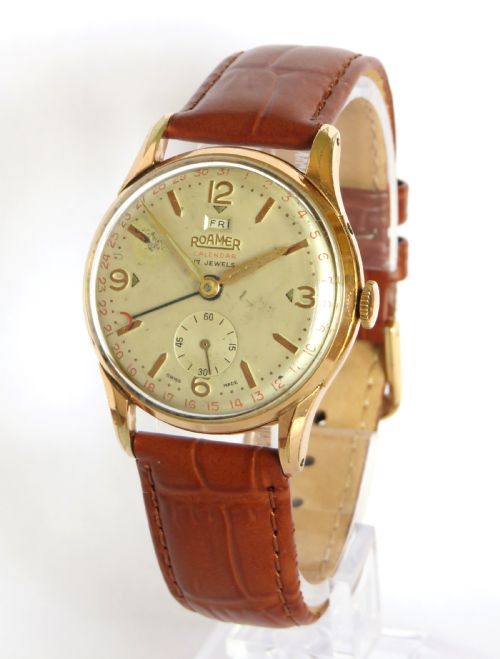
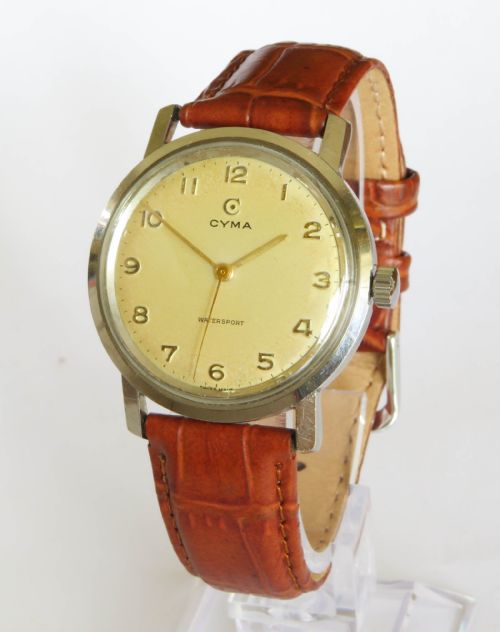
A brown leather strap primarily appears on gentlemen's wristwatches spanning the 1930s, 1950s, and 1960s, paired with brands such as Omega, Longines, and Tudor. These timepieces range from manual wind chronographs to automatic chronometers housed in stainless steel, gold plate, and solid nine carat gold cases.
Beyond horology, the phrase describes hardware on nineteenth-century oak armchairs, black canvas trunks, and campaign tent poles with hanging hooks. These items combine leather with brass, glass, and acrylic materials for functional utility.
The most common version met on this page is the mid-century wristwatch band attached to a Swiss mechanical movement from the 1950s or 1960s. These pieces unite traditional animal hide bands with mid-century horology and Art Deco designs.
Materials and technique
The items combine animal hide leather with metals like stainless steel, brass, and solid nine carat or eighteen carat gold. Wristwatch construction relies on precision Swiss mechanical movements, manual wind calibres, and automatic mechanisms housed behind glass crystals.
Trunks and campaign furniture utilise heavy leather bindings paired with oak, canvas, and brass hooks or fittings. Sturdy stitching and metal fasteners secure the straps to structural frames, ensuring durability across travel and domestic use.
Brown Leather Strap Retail Price Guide 2026
Typical asking prices for brown leather strap among the pieces listed under this phrase on Sellingantiques today, from the lower quarter to the upper quarter. They describe what is for sale here now, not the wider market.
Materials recorded across the selection include 9ct gold, 18ct gold, stainless steel, brass, glass, and acrylic.
What separates the range
Quality rests upon the original integrity of the materials, from solid gold watch cases and original boxes to the robust construction of nineteenth-century oak armchairs. Maker reputation and internal mechanical complexity, such as chronograph or moonphase complications, elevate certain timepieces above standard daily wear.
The preservation of original components, including dials, hands, and signed crowns, distinguishes superior examples. Pieces retaining all-original parts and documented service histories represent the upper tier of the selection.
Omega·Smiths Astral·Tudor·Rone·Antoremi·Roamer·Avia·IWC·Cyma·Enicar·Longines·Baume·Ensign·Lanco·Mappin·Aster·Miramar·Mundus·Bulova·Larex·Elgin
The Brown Leather Strap Glossary
- Calibre
- The internal mechanical movement of a watch. This designation identifies the specific engineering design created by the manufacturer.
- Chronograph
- A watch equipped with a stopwatch function alongside standard timekeeping. These models feature additional sub-dials and pushers on the case.
- Campaign
- Furniture and equipment designed for portability by military officers. These pieces often incorporate folding elements, brass corners, and leather straps.
- Manual Wind
- A mechanical watch requiring regular hand-rotation of the crown to tension the mainspring. This traditional system lacks automatic rotor weights.
- Automatic
- A self-winding mechanical watch powered by the natural motion of the wearer's wrist. An internal weighted rotor turns to tension the mainspring.
Brown Leather Strap: Frequently Asked Questions
What periods do these brown leather strap items cover?
The inventory spans the Victorian era and the nineteenth century, moving through Art Deco pieces from the 1930s and 1940s. Mid-century examples from the 1950s and 1960s form a significant portion of the available horology.
Items range from campaign tent poles and trunks to mechanical wristwatches by Swiss manufacturers. Each period reflects distinct utilitarian and decorative design priorities.
How do I identify a mid-century watch strap pairing?
Mid-century watches from the 1950s and 1960s frequently feature clean dial layouts, silver or honeycomb faces, and mechanical movements. They pair naturally with supple leather straps that complement the metallic tones of steel or gold cases.
Checking the movement calibre and case hallmarks helps confirm the production era of the watch attached to the strap. Original boxes and papers further clarify the historical context of the piece.
What materials are used alongside the leather?
Leather is combined with stainless steel, brass, acrylic glass, and solid nine or eighteen carat gold. Furniture and trunks incorporate oak timber and heavy canvas alongside leather bindings.
Horological pieces utilise metal alloys for cases and delicate glass for dials, supported by internal brass and steel gear components.
How were campaign straps utilised originally?
Campaign straps and tent pole attachments with hooks served military officers and travellers who required portable gear. Leather and brass materials withstood the rigours of transport and field assembly.
These durable fixtures secured structural elements and canvas housing during nineteenth and early twentieth-century expeditions.