

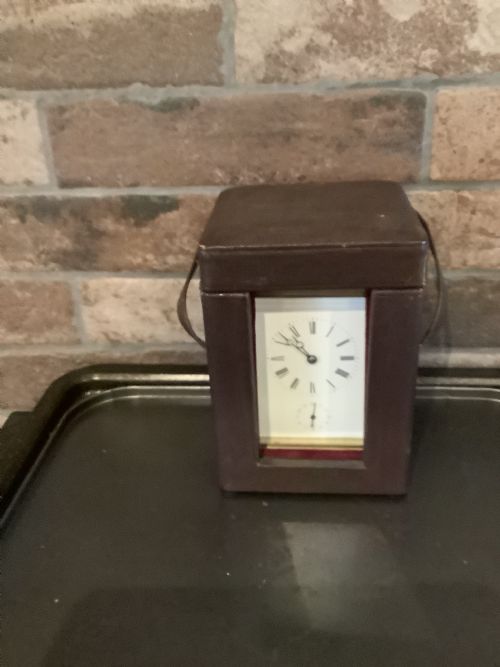
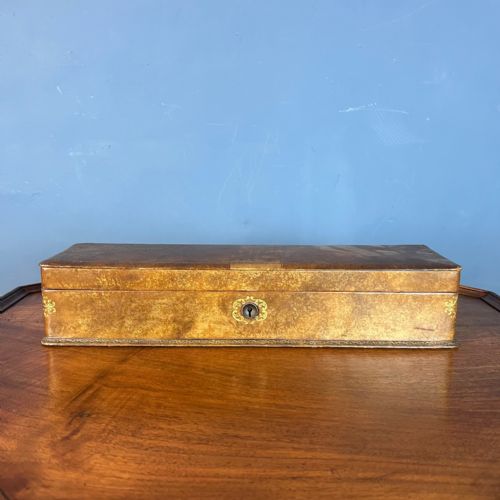


Brown Leather Desk Box
A brown leather desk box brings sturdy practicality and rich texture to a study, offering a compact home for papers and small implements.
Brown Leather Desk Box
A brown leather desk box groups together portable compartments and writing containers used for correspondence and paperwork. When exploring this selection, buyers encounter functional pieces intended for organising desks and tables during the nineteenth and twentieth centuries.
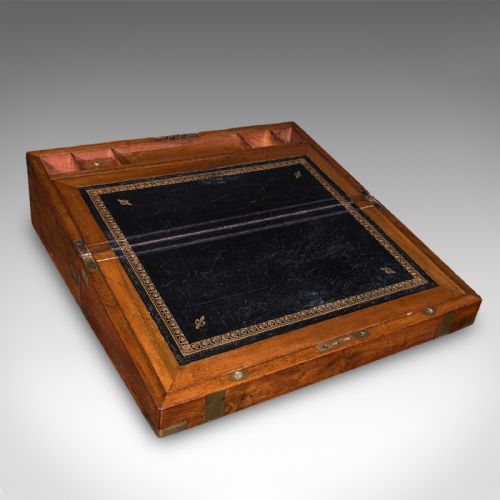
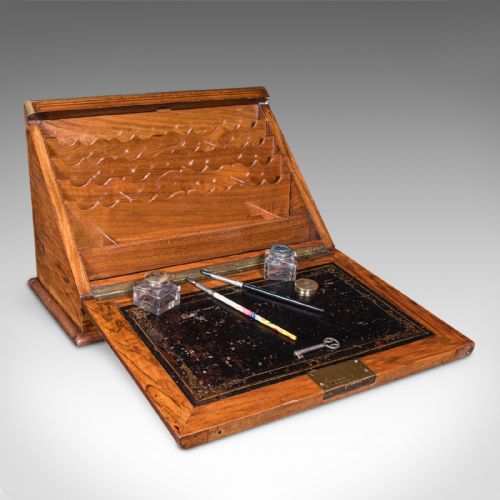
The objects span varied formats including traditional writing slopes, stationery cabinets, pen boxes, and correspondence boxes. Many examples incorporate rich leather surfaces paired with timber carcases like walnut, reflecting the practical needs of writing desks in earlier periods.
Origins stretch from Regency and Victorian eras through to the interwar period and nineteen-thirty. This range allows collectors to find compact table accessories shaped by different eras of craftsmanship and utility.
How they were made
Maker construction relies on timber carcases formed from walnut and other hardwoods, providing a sturdy interior structure. Outer surfaces are wrapped in leather or tooled leather, often accented with brass hardware and gold leaf details.
Workmanship involves fitted compartments, drop fronts, and locking mechanisms designed for secure daily use. Artisans combined leatherworking techniques with woodworking and metal fittings to produce durable table accessories.
Brown Leather Desk Box Retail Price Guide 2026
Typical asking prices for brown leather desk box among the pieces listed under this phrase on Sellingantiques today, from the lower quarter to the upper quarter. They describe what is for sale here now, not the wider market.
Among the leather and timber containers, a carved hardwood lidded box modelled as a soccer football waits on the page.
What varies in quality
Quality differentiates standard utilitarian containers from exhibition grade examples through the fineness of the leather tooling and the selection of figured timber veneers. Superior pieces display crisp embossing, neat gold leaf application, and substantial brass mounts.
The sophistication of the internal fittings and the integrity of the locking mechanisms also distinguish finer items. Better examples maintain harmonious proportions across the wooden carcase and the leather exterior, showing careful attention to detail in the hinges and compartments.
The Brown Leather Desk Box Glossary
- Writing slope
- A portable box with a slanted lid designed to provide a comfortable writing surface when opened. Inside, compartments hold paper, inkwells, and pens.
- Stationery cabinet
- An upright box featuring shelves, slots, or a drop front to store loose paper and envelopes neatly on a table.
- Tooling
- The decorative impressing or stamping of patterns onto leather surfaces, often enhanced with gold leaf. This technique adds texture and visual detail to the exterior.
- Burr walnut
- A prized timber cut from walnut tree growths, featuring swirling, mottled grain patterns. It adds rich decorative character to the exterior of wooden boxes.
Brown Leather Desk Box: Frequently Asked Questions
What is a brown leather desk box?
A brown leather desk box is a portable container designed to hold writing materials, correspondence, and small desk accessories. These pieces combine a wooden carcase with a leather exterior, offering practical storage for the tabletop.
Peculiar forms range from simple pen containers to elaborate stationery cabinets and writing slopes. They serve as both functional office equipment and decorative items for the study.
How were writing boxes used historically?
Writing boxes provided a portable workspace before fitted desks became universal. Owners stored paper, pens, ink, and personal letters inside, using the sloped lid as a writing surface.
Stationery cabinets and correspondence boxes were kept on larger desks to keep daily paperwork tidy. Many included locks to protect private letters and valuables.
What materials are used in these boxes?
The primary materials are leather and wood, particularly walnut and burr walnut. Metal elements such as brass handles, hinges, and locks appear frequently across the pieces.
Some examples incorporate gold leaf tooling, glass components, and enamel details. Each material contributed to the durability and appearance of the desk accessory.
How do I date a leather desk box?
Dating relies on the overall style, construction methods, and materials associated with specific periods like the Regency or Victorian eras. Details such as brass hardware and tooling patterns provide clues to the age of the piece.
Design formats also shift from traditional writing slopes to later interwar novelties and stationery cabinets. Examining the timber and interior fittings helps place the box within its historical context.