



Brown Leather Cabinet
A brown leather cabinet brings together sturdy timber and a practical writing surface, offering a compact place to store correspondence and papers.
Brown Leather Cabinet
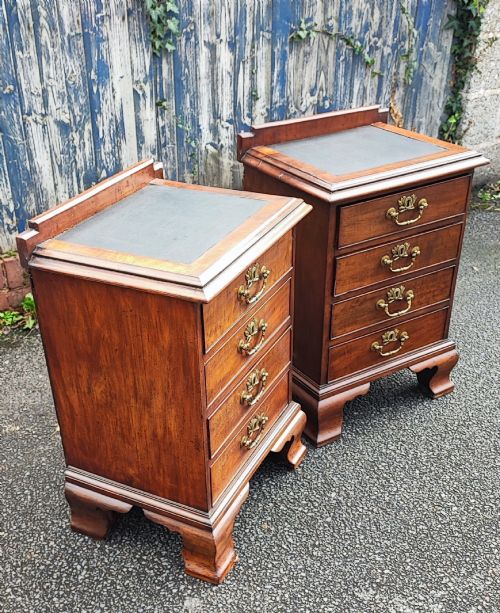
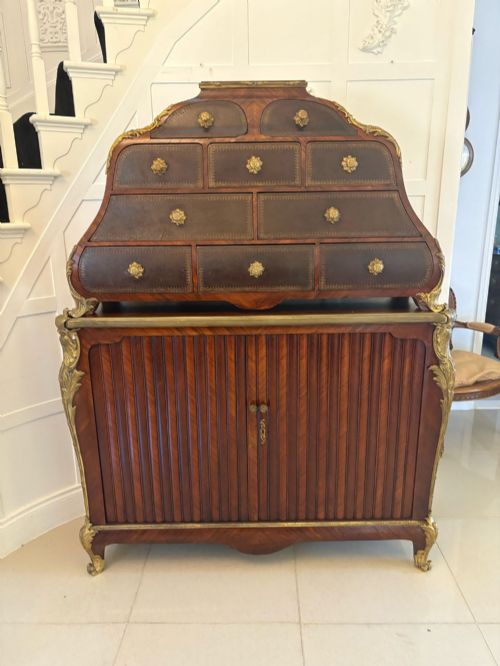
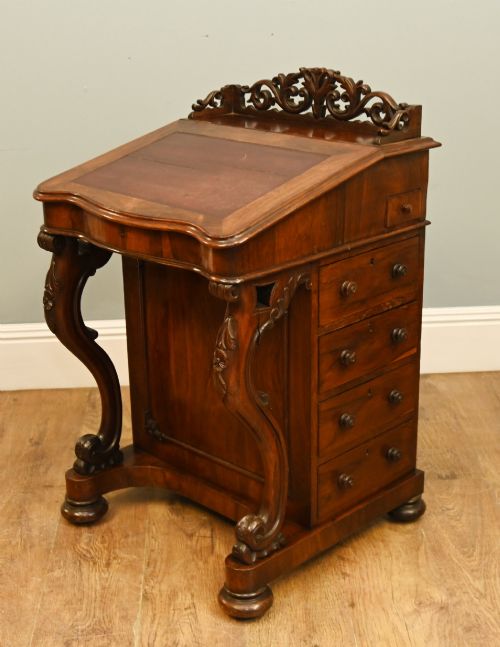
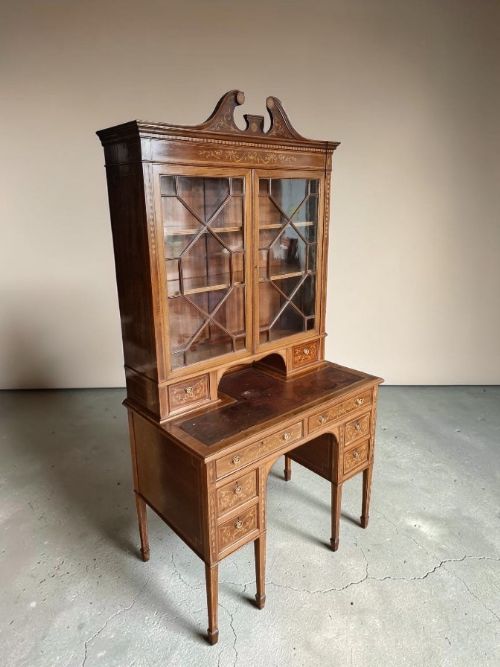
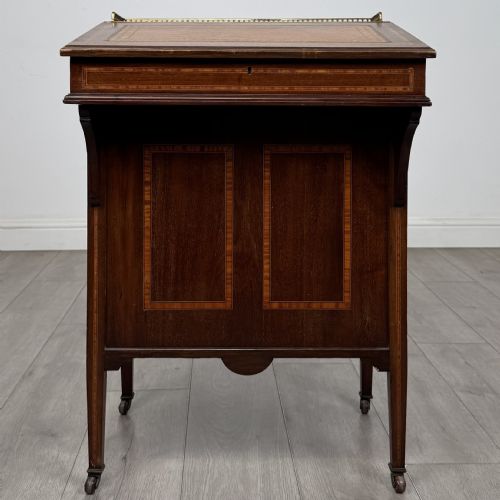
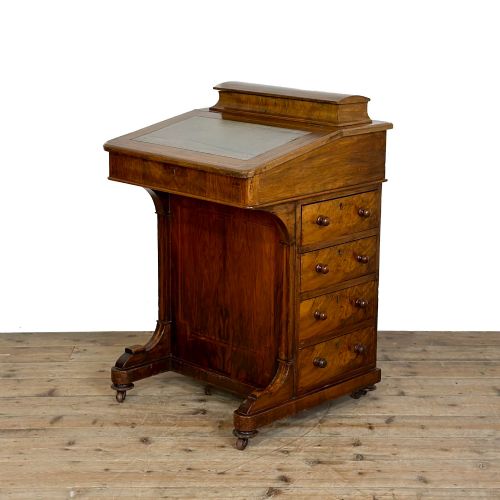
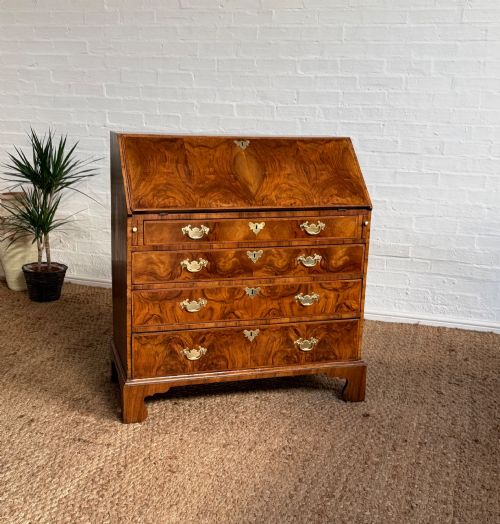
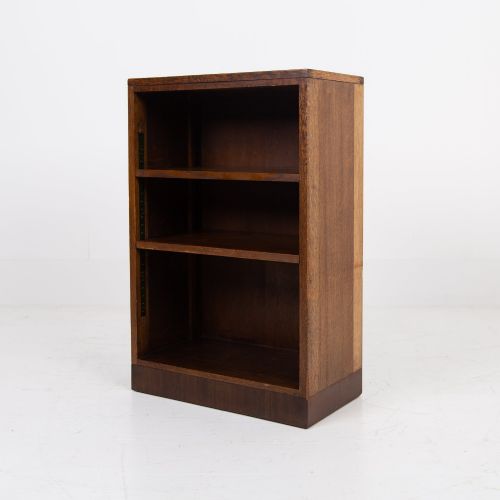
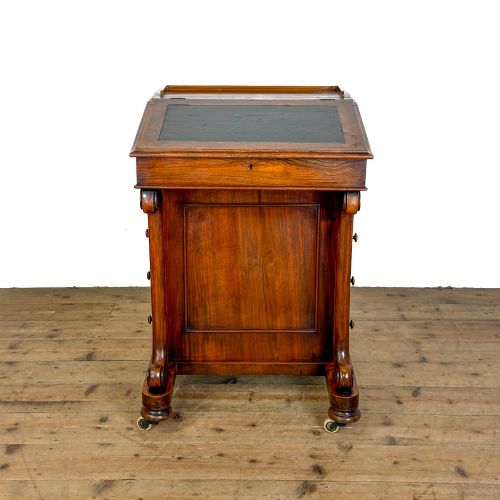
When searching for a brown leather cabinet, buyers typically encounter compact writing furniture such as Davenport desks, bureau cabinets, and writing tables featuring integrated leather surfaces. These pieces date from periods ranging through the Georgian, Regency, and Victorian eras into the early twentieth century.
Materials and construction
Cabinet makers utilised dense hardwoods including mahogany, walnut, burr walnut, and rosewood to build the foundational carcases and frames. These timbers provide the structural durability required for writing furniture and stationery storage.
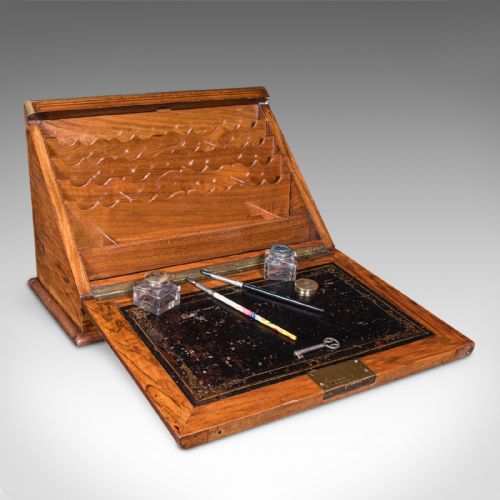
Writing surfaces were typically inset with leather panels, often complemented by brass hardware, ormolu mounts, and glass elements. Timber veneers such as burr elm and pollard oak were also applied to enhance the visual grain of the exterior.
Brown Leather Cabinet Retail Price Guide 2026
Typical asking prices for brown leather cabinet among the pieces listed under this phrase on Sellingantiques today, from the lower quarter to the upper quarter. They describe what is for sale here now, not the wider market.
Listings span Georgian, Regency, and Victorian periods, showcasing woods like mahogany, rosewood, burr walnut, and pollard oak.
Assessing quality and craftsmanship
Quality in these pieces rests upon the selection of timber veneers and the precision of the cabinetwork. Finer examples display carefully matched burr walnut or flame mahogany grains across the writing slopes and drawer fronts.
Superior items often incorporate specialised mechanisms, such as locking stationery compartments, sliding tops, or branded maker stamps. The integration of durable brass fittings and neatly tooled leather further separates standard production from exceptional work.
Gillows of Lancaster·Victor Raulin
The Brown Leather Cabinet Glossary
- Davenport
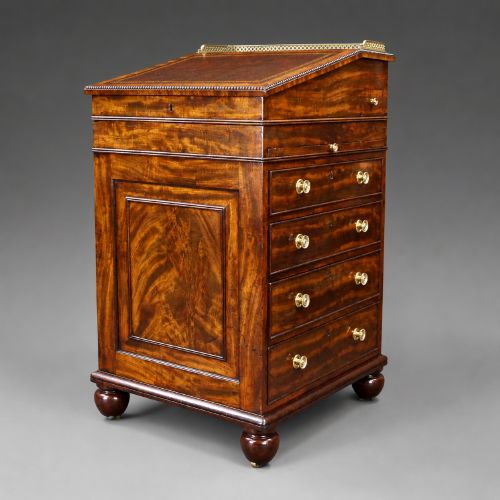
- A compact form of small desk featuring a sloping writing surface above a pedestal of drawers. It gained popularity during the Regency and Victorian periods for domestic correspondence.
- Cartonnier
- A specialised cabinet designed to hold papers, files, or documents in vertical compartments or drawers. These pieces often incorporate decorative mounts and French styling.
- Bureau Cabinet
- An upright piece of furniture combining a writing desk enclosed by a flap or cylinder with shelving or cupboard space above. They provide substantial storage while maintaining a formal silhouette.
- Ormolu
- Gilded bronze ornamentation applied to furniture as decorative mounts. This technique is frequently seen on nineteenth-century French pieces.
- Campaign
- Furniture designed to be easily dismantled and transported for military use. These items typically feature recessed brass handles and protected corners.
Brown Leather Cabinet: Frequently Asked Questions
What is a Davenport desk?
A Davenport is a small, pedestal-style writing desk with a sloping top inset with leather. It usually includes side drawers and a compartment for stationery.
First appearing around the Regency period, this form remained a staple through the Victorian era for domestic correspondence.
How do I identify a Victorian piece?
Victorian furniture often utilises dense walnut or mahogany timbers paired with dark leather writing surfaces. Construction methods from this era also favored heavier proportions and robust mechanical fittings.
Checking for period secondary timbers and traditional dovetailing helps confirm the nineteenth-century origin.
Where were these cabinets used?
These cabinets were primarily utilised in private studies, drawing rooms, and bedrooms for managing personal correspondence and keeping documents secure. Their compact footprints suited domestic spaces where large writing tables were impractical.
Some variants, such as campaign pieces, were built for travel and military deployment.
What woods are most common?
Mahogany, walnut, and rosewood dominate the construction of these cabinets, frequently chosen for their strength and deep colour. Burr walnut and pollard oak veneers were also selected to create decorative patterned surfaces.
These timbers age gracefully under traditional wax finishes.