

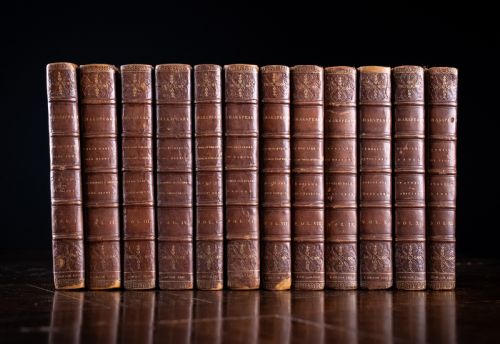

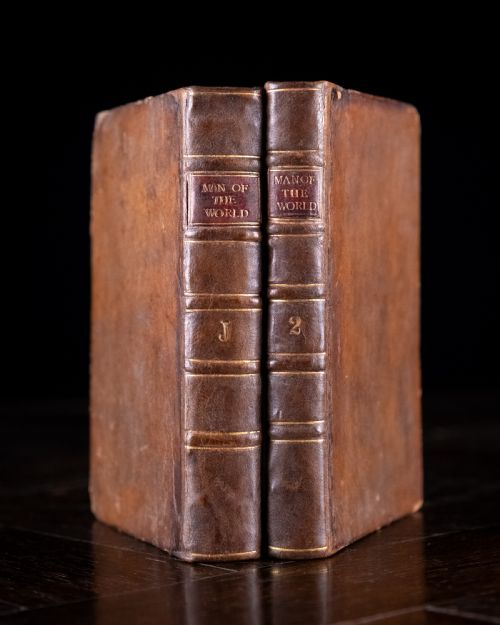


Brown Leather Bound Set
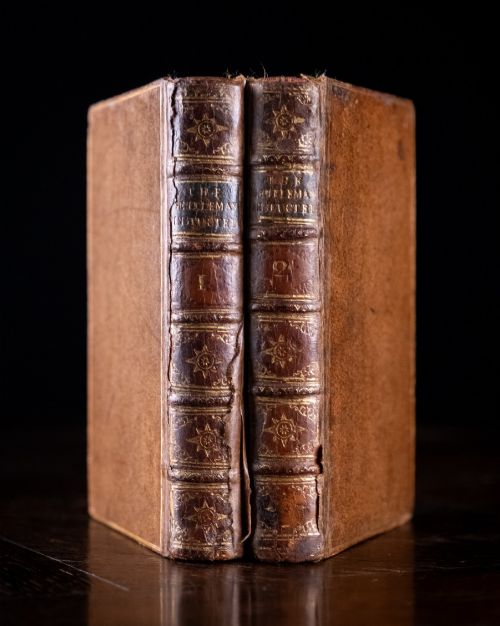
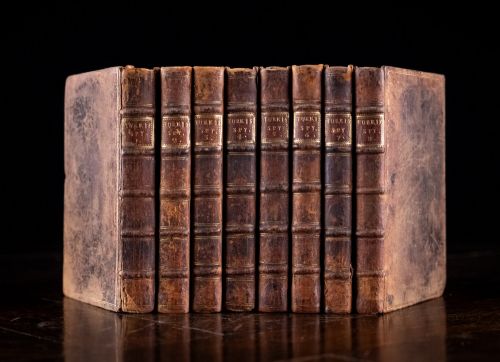
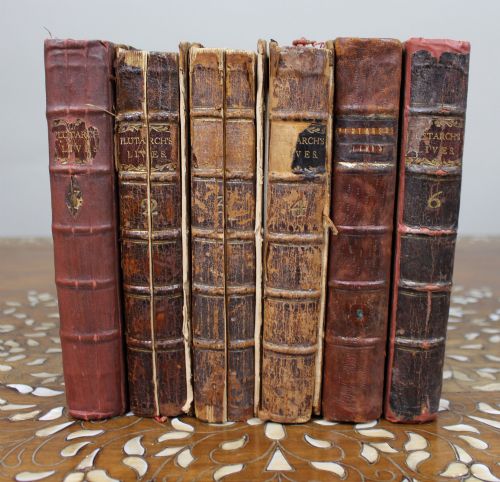
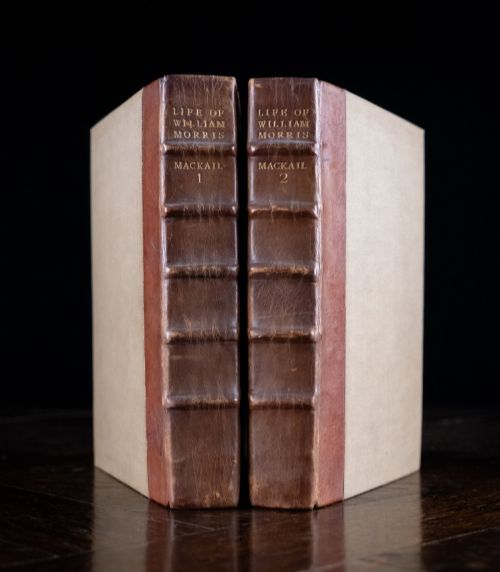
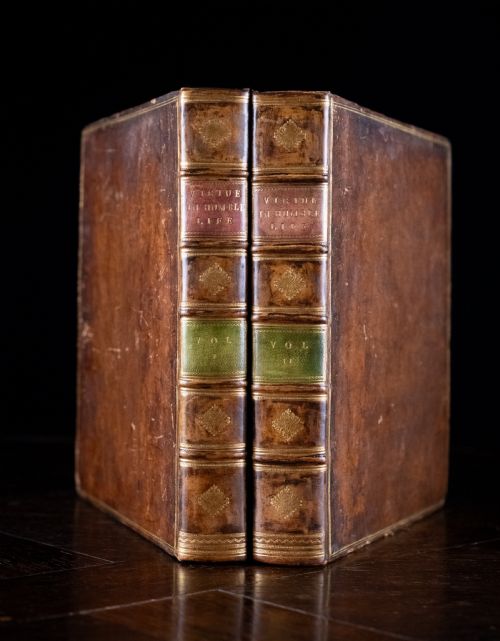
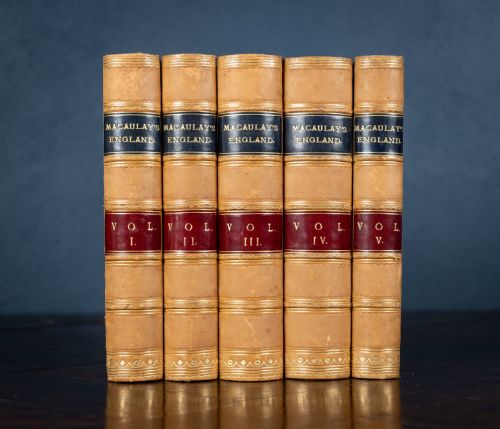
These brown leather bound set pieces are multi-volume literary collections and decorative containers covered in rich calfskin and gold leaf, offering shelf-presence and historical depth.
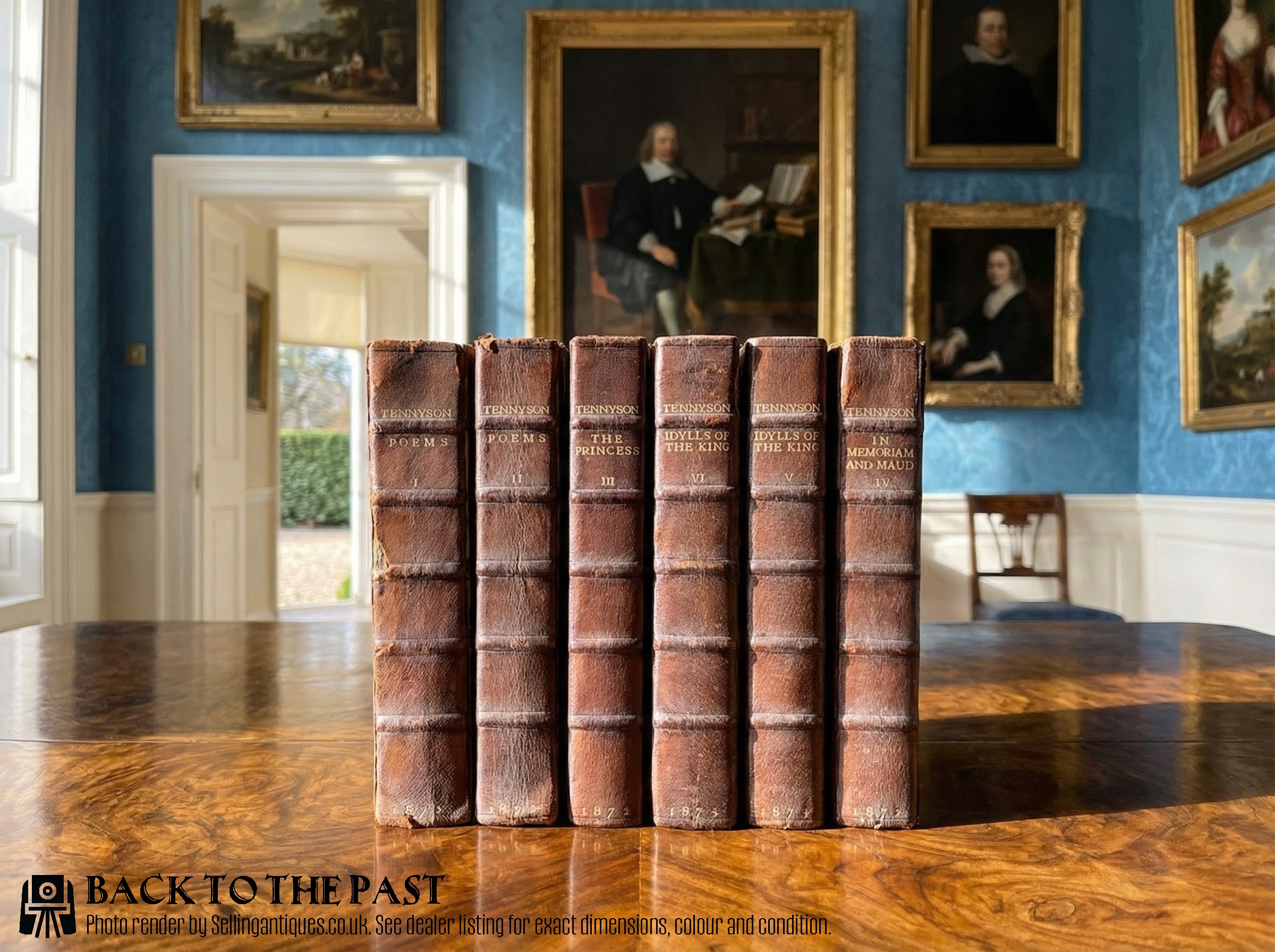
Brown Leather Bound Set
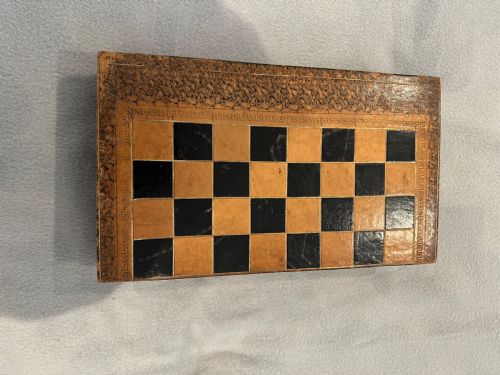
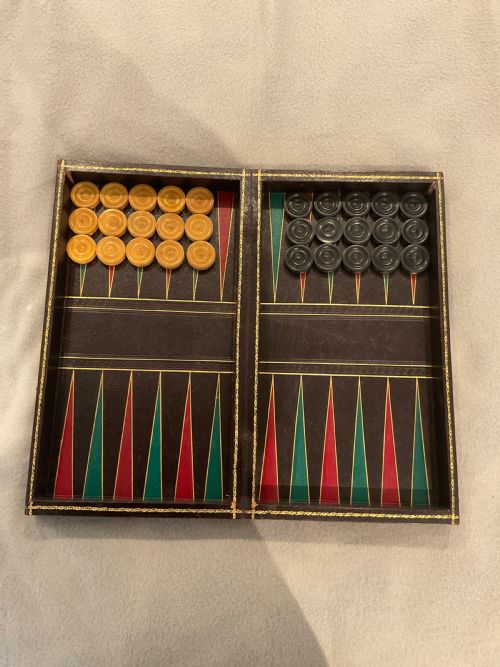
When you search for a brown leather bound set, you encounter multi-volume antiquarian book collections, multi-tome historical works, and leather-covered faux book games boards or spirit bottle containers. The pieces span from the mid-eighteenth century through the Victorian and Edwardian eras, encompassing literature, history, poetry, and philosophy.
The most common formats on this page are multi-volume book sets originating from the eighteenth and nineteenth centuries. These include works by authors such as William Shakespeare, Sir Walter Scott, and Alfred Tennyson, bound uniformly for library display and study.
How they were made
Binders utilised natural materials including calfskin leather, paper, wood, and marbled paper, shaping the outer shells to protect the text blocks within. Gold leaf tooling frequently ornamented the spines and covers, creating distinct panel details and titling.
Book sets were assembled with durable sewing techniques on the text blocks, followed by the attachment of rigid leather covers designed to withstand regular handling. Faux book containers utilised wooden structures or reinforced card covered in worked leather to replicate stacked volumes.
Listings feature multi-volume sets spanning from the mid-eighteenth century through the Edwardian period, utilising calfskin, marbled paper, and gold leaf.
What varies in quality
The grade of leather and the intricacy of the gold leaf tooling determine the visual weight of the set. Uniformity across multiple volumes establishes a more cohesive appearance on a library shelf, reflecting the original binder's precision.
The completeness of a multi-volume run dictates the scholarly standing of a book set. Original bindings that retain their structural integrity alongside legible spine lettering carry greater distinction than later rebound examples.
J. & R. Tonson·J. Wheble
The Brown Leather Bound Set Glossary
- Calfskin
- A fine, smooth leather prepared from the skin of a calf, utilised for durable and supple book bindings. It takes tooling and polishing exceptionally well.
- Gold leaf
- Gold beaten into an extremely thin sheet, applied to leather bindings using heated tools to create gleaming titles and decorative spine compartments. This method highlights the raised bands on antique volumes.
- Marbled paper
- Paper decorated with a patterned colourful design resembling marble, frequently deployed for the endpapers lining the inside covers of antique books. It provides a decorative contrast to the exterior leather.
- First edition
- The earliest published appearance of a text, highly sought after by collectors for its textual purity and historical priority. Subsequent impressions follow this initial printing.
- Text block
- The assembled and sewn pages of a book before the protective cover is attached. It forms the core structural component of any bound volume.
Brown Leather Bound Set: Frequently Asked Questions
What is a brown leather bound set?
A brown leather bound set comprises multiple volumes of literature, history, or poetry enclosed in uniform calfskin bindings, or occasionally decorative containers shaped like stacked books.
These collections were produced primarily during the eighteenth and nineteenth centuries to furnish domestic libraries and studies with matching literary works.
How were these book sets used?
Owners placed these multi-volume sets on library shelves for both daily reading and scholarly reference, reflecting the intellectual pursuits of the household.
Some leather-bound sets functioned as decorative objects or concealed games boards and spirit bottles within gentleman's libraries.
How do I care for leather bound books?
Keep the volumes away from direct sunlight and excessive moisture to prevent the calfskin leather from drying out and cracking.
Ensure adequate air circulation around the shelves and handle the spines with care when removing books to protect the gold leaf tooling.
How do I identify the period of a set?
Examine the title pages for printed publication dates, and inspect the typography, paper texture, and binding style for characteristics of Georgian, Victorian, or Edwardian craftsmanship.
Spine design, such as the presence of raised bands and specific tooling patterns, offers further clues to the decade of production.