

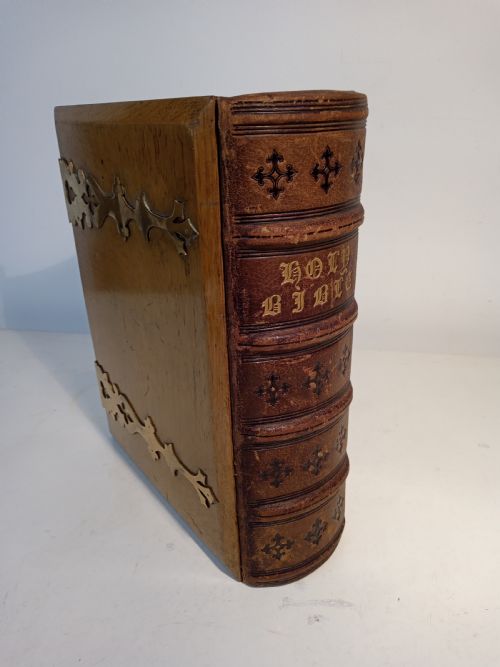


Brown Leather Bound Books
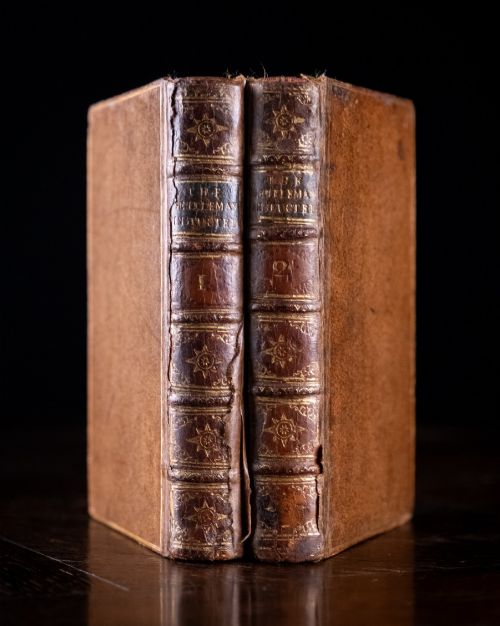
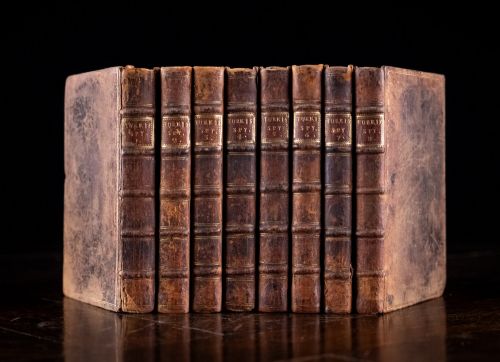
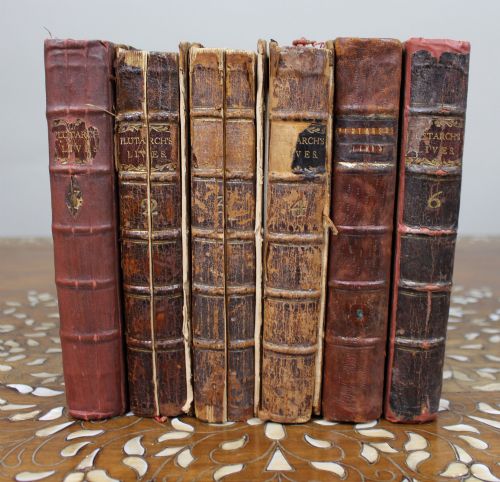
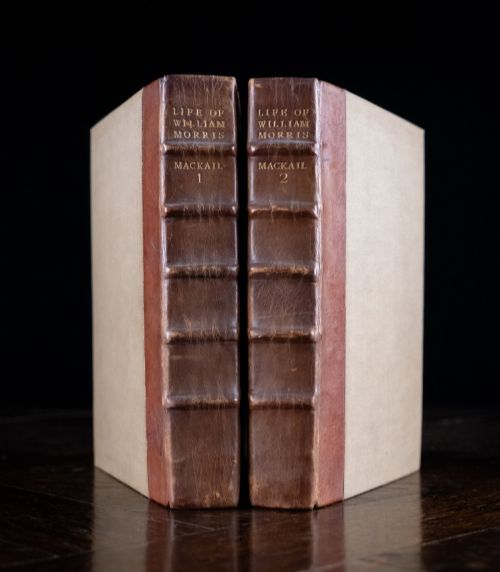
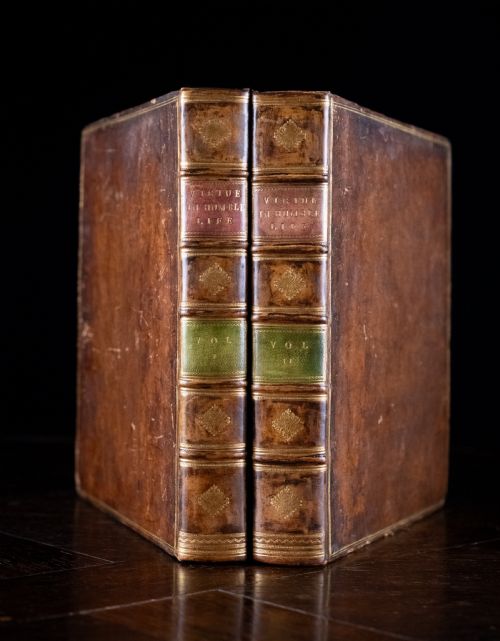
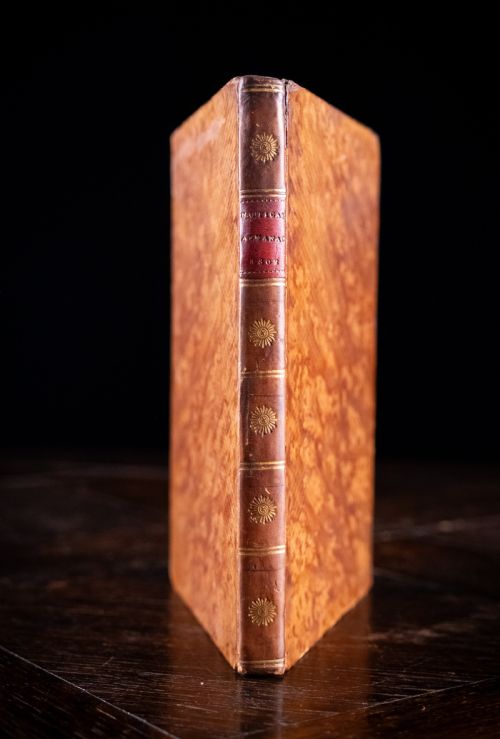
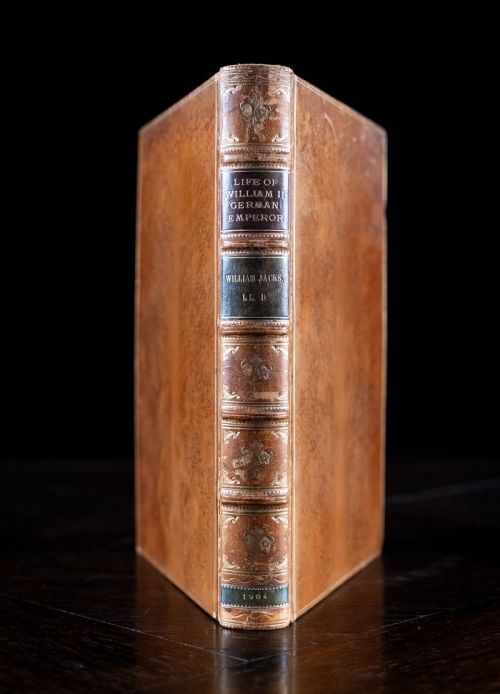
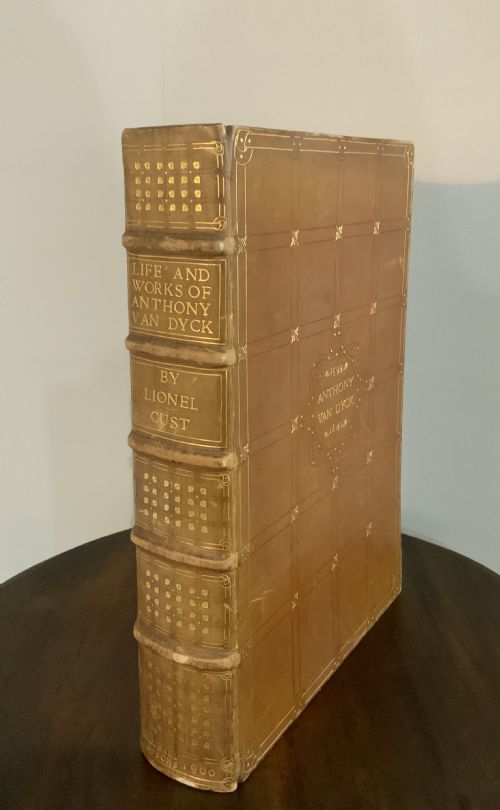
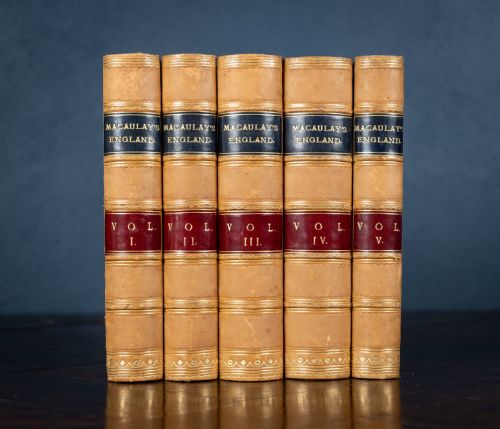
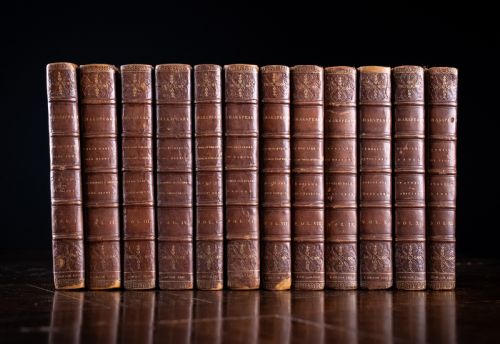
When you search for brown leather bound books, you uncover centuries of historical texts, multi-volume literature sets, and specialised editions wrapped in calfskin and adorned with gold leaf.
Brown Leather Bound Books
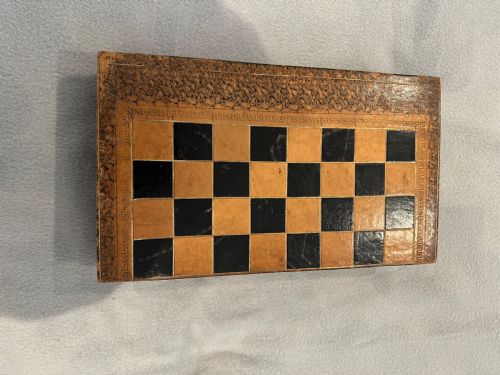
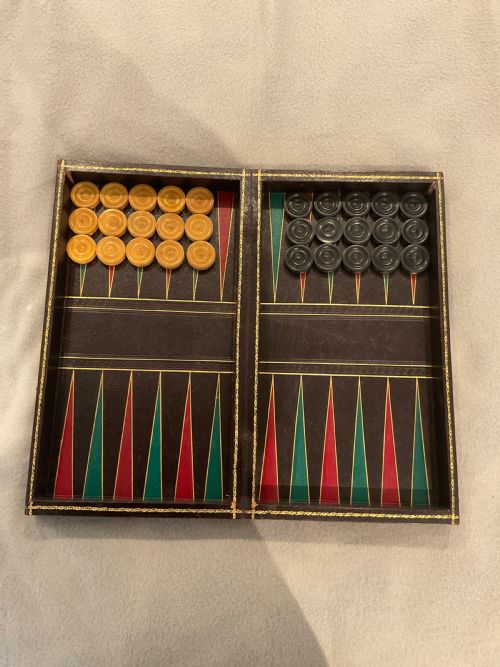
Brown leather bound books encompass a diverse range of antiquarian volumes, spanning from the mid-eighteenth century through the Edwardian period and into the early twentieth century. Buyers encounter multi-volume sets of historic literature, religious texts, biographical works, and specialised publications alongside decorative items such as faux book games boards and photo albums.
The material selection on this page centres primarily on historical volumes bound in calfskin leather, complete with paper leaves and occasional metal hardware such as brass. These pieces originate from distinct eras including the Georgian, Victorian, and Regency periods, reflecting the shifting publishing trends and binding styles of their respective centuries.
Beyond standard reading volumes, the inventory includes miniature books, extensive library sets, and conversion pieces like book box ink stands and table lamps. Each item demonstrates how historic print culture integrates with functional objects or decorative interior formats.
How They Were Made
Binders utilised durable calfskin leather to encase paper text blocks, often finishing the spines and boards with intricate gold leaf tooling and panel designs. Wood and brass elements appear in structural supports or associated items like games boards and ink stands.
Publishers and independent binders constructed multi-volume sets using traditional stitching and gluing methods, ensuring the paper signatures remained secure within their heavy leather covers. Skilled artisans applied gold blocking to letter titles and decorative motifs directly onto the leather surfaces.
Brown Leather Bound Books Retail Price Guide 2026
Typical asking prices for brown leather bound books among the pieces listed under this phrase on Sellingantiques today, from the lower quarter to the upper quarter. They describe what is for sale here now, not the wider market.
Listings feature paper, calfskin leather, gold leaf, and wood across periods from the eighteenth century to the early twentieth century.
What Varies in Quality
Quality rests significantly on the uniformity of the binding across a series, where matched sets sharing identical calfskin tones and gold tooling command greater visual harmony than assembled collections. The crispness and preservation of the gold leaf details also dictate the visual standard of an individual volume.
The depth and clarity of typography, alongside the inclusion of original plates, engravings, or illustrations by notable artists, elevate the academic and material standing of the publication. Furthermore, the structural integrity of the leather hinges and the firmness of the paper text blocks influence the overall condition tier.
J. & R. Tonson·Jean Dassier·J. Wheble·Gustave Dore
The Brown Leather Bound Books Glossary
- Calfskin leather
- A supple, fine-grained leather derived from the skin of a calf, frequently utilised for high-grade bookbindings due to its smooth finish and durability. It takes gold leaf tooling exceptionally well.
- Gold leaf
- Gold beaten into extremely thin sheets, applied to the leather covers and spines of books to create lettering, borders, and decorative illustrations. This material reflects light and resists tarnishing over centuries.
- Miniature book
- An exceptionally small volume, often measuring just a few centimetres in height, produced as a novelty or devotional item. These tiny books required precise hand-binding techniques.
- Faux book
- An object constructed to resemble a volume or a set of books, frequently concealing a practical function such as a games board or storage box. They allowed Victorians to blend utility with library aesthetics.
- First edition
- The earliest commercially released printing of a text, highly prized by collectors for its direct association with the author's initial publication. These volumes often feature specific typographical markers unique to the first run.
Brown Leather Bound Books: Frequently Asked Questions
How do I care for leather bound books?
Keep these volumes away from direct sunlight and excessive moisture to prevent the calfskin leather from drying out or cracking over time. Handle them gently by supporting the spine rather than pulling them from the shelf by the headcap.
Maintain a stable room temperature and ensure adequate air circulation around your bookshelves. Avoid applying modern chemical cleaners to the leather or the gold leaf tooling.
What periods do these books represent?
The selections span from the mid-eighteenth century through the Georgian and Regency eras, extending deep into the Victorian period and the early twentieth century. Each era brought distinct binding thicknesses, typography styles, and leather treatments.
Eighty-century volumes often display simpler calfskin grains and raised spine bands, while Victorian sets frequently incorporate elaborate gilt stamping and cloth or leather combinations.
Are these books complete sets?
Many listings comprise multi-volume sets, ranging from two-book editions up to extensive runs containing dozens of uniformly bound volumes. Titles often specify the total number of volumes included to indicate whether the set is complete.
Buyers will find both single reference books and large curated collections, such as complete novels or historical series published together in matching bindings.