

Brown Ladies Desk
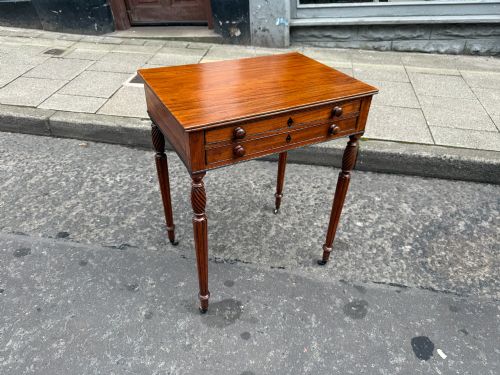
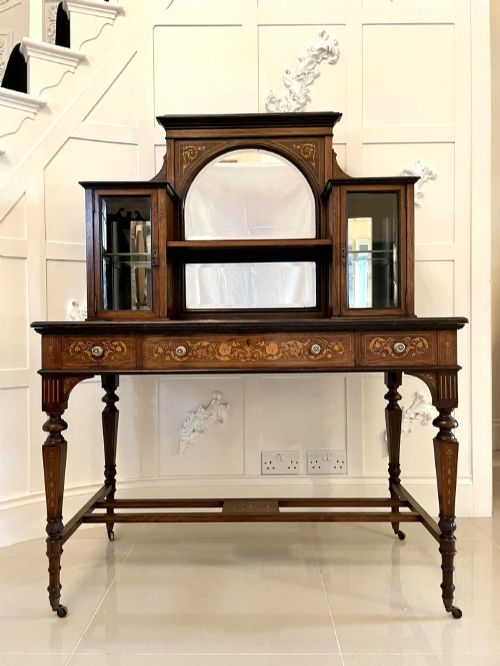
A brown ladies desk brings elegance to a study, offering compact proportions alongside fine marquetry and polished timber.
Brown Ladies Desk
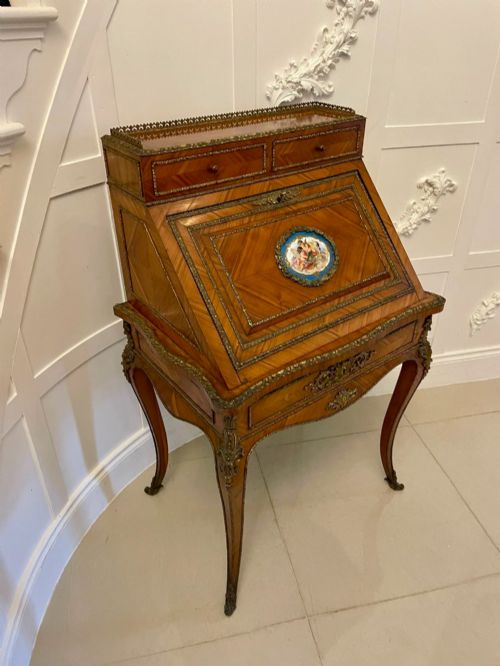
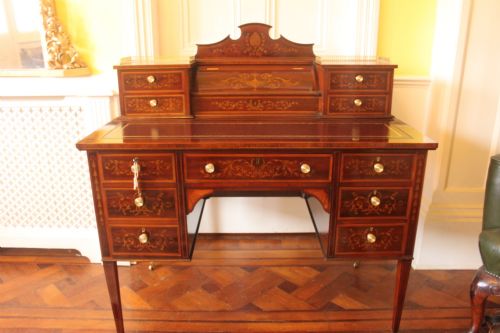
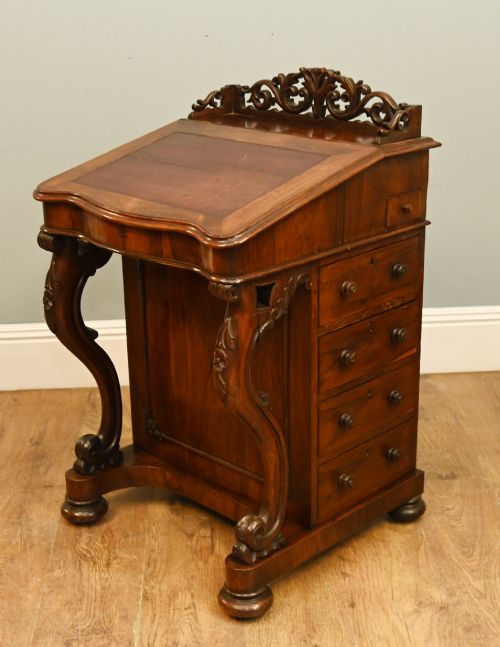
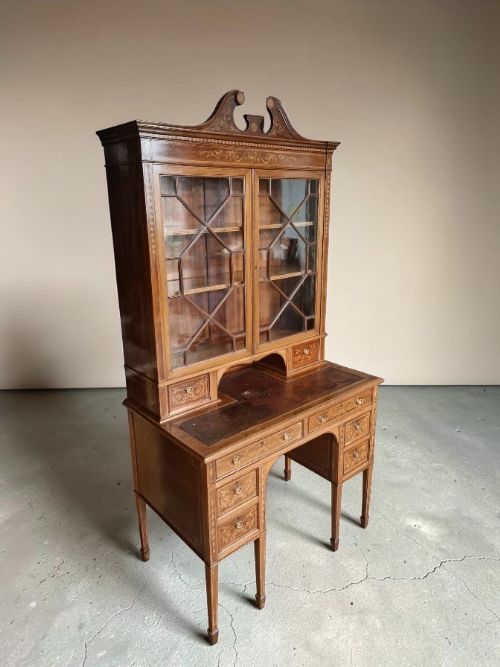
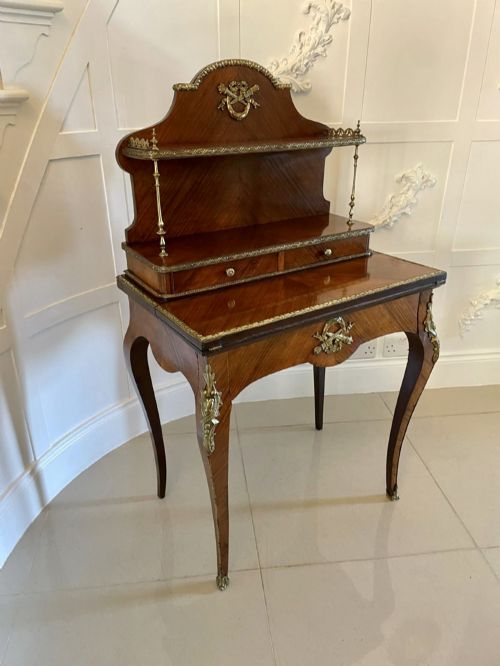
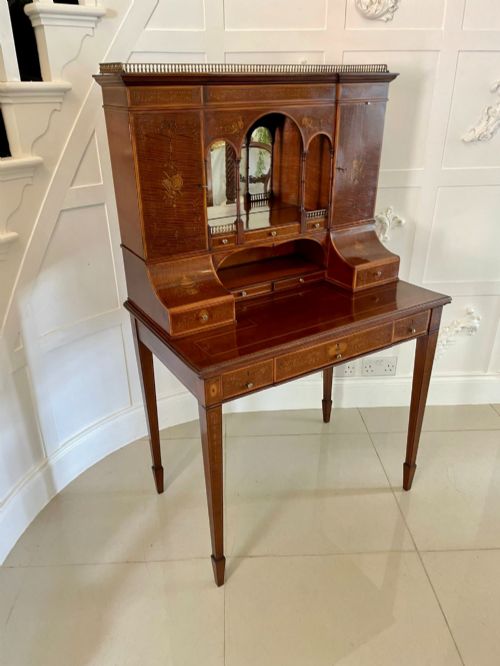
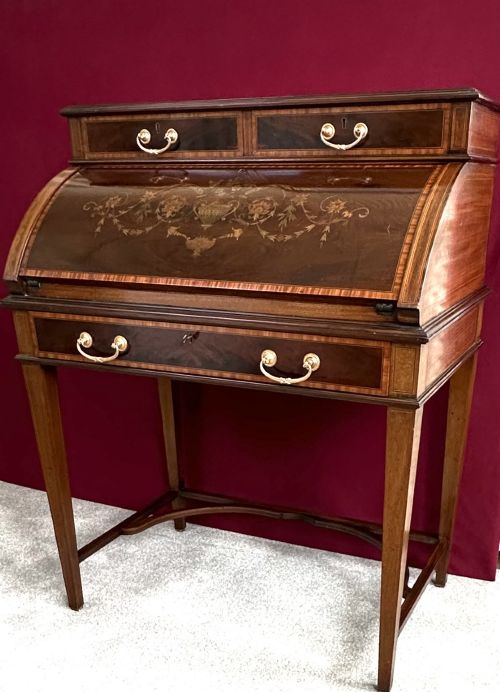
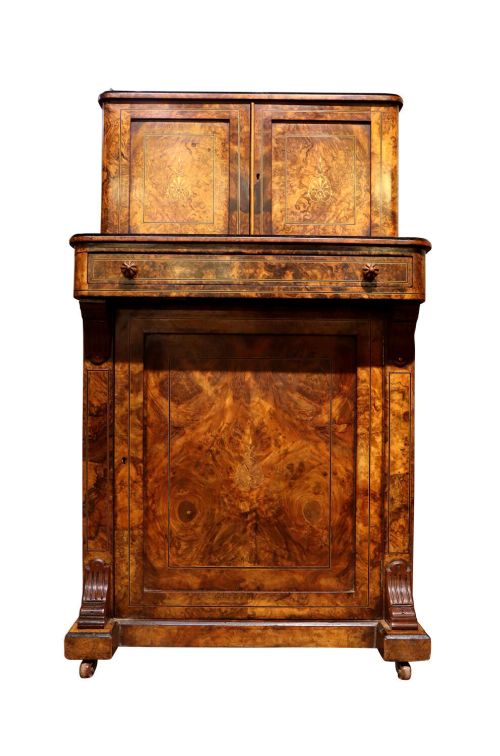
When you search for a brown ladies desk, you enter a category defined by refined writing furniture designed for domestic use rather than large commercial offices. These pieces often take the form of compact writing tables, elegant bureau de dame models, or tiered bonheur du jour cabinets.
The selections span various periods, with Victorian and Edwardian examples appearing most frequently alongside 19th Century interpretations of earlier styles. Makers from these eras constructed pieces tailored for correspondence and light reading, frequently incorporating compartments for stationery.
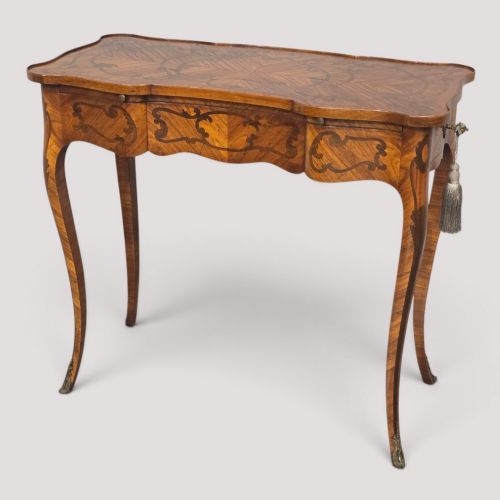
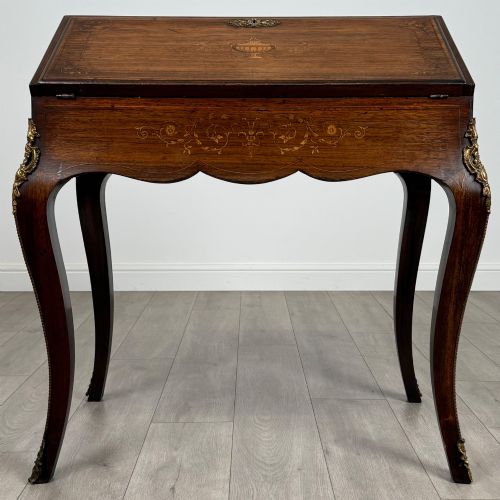
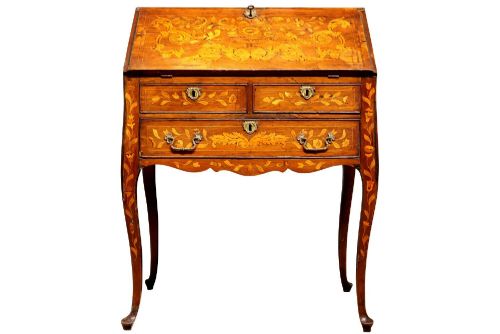
Forms vary from kidney shaped writing tables to serpentine fronted desks and fall front bureaus. Woods such as mahogany, walnut, and satinwood dominate the selection, often enriched with intricate marquetry and polished finishes.
Materials and construction methods
Cabinetmakers built these desks using sturdy foundational timbers like mahogany and walnut, frequently applying fine veneers of kingwood, satinwood, and rosewood across the exterior surfaces. Marquetry and inlay techniques added floral or geometric patterns using contrasting woods.
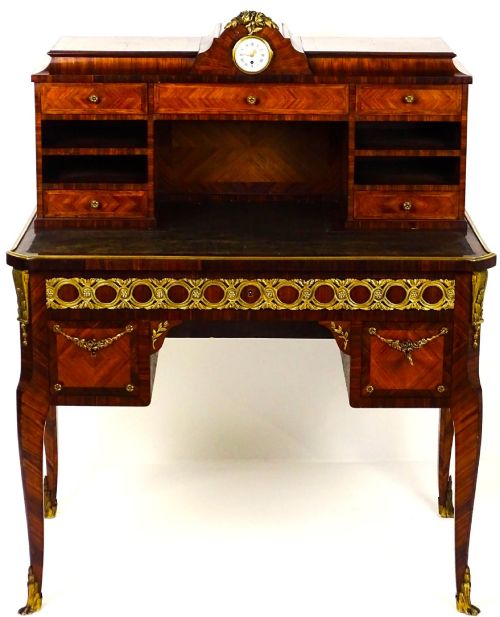
Metalwork played a significant role, with cast brass mounts, handles, and gilt ormolu detailing fitted to drawers and corners. Leather insert panels often provided a smooth writing surface on the upper desk top.
Several desks feature hidden compartments designed to keep secret notes safe from curious household staff.
Evaluating the standard of workmanship
The distinction between standard pieces and exceptional work lies in the precision of the marquetry and the choice of timber veneers. Master workshops selected highly figured burr walnut or premium satinwood to create striking visual depth across curved surfaces.
Hardware and mounts indicate the grade of a piece, where chased ormolu and heavy cast brass reflect superior production compared to simpler stamped metal fittings. Cabinet construction details, including finely cut dovetails in drawer construction, separate everyday items from bespoke commissions.
Edwards & Roberts·Paul Sormani
The Brown Ladies Desk Glossary
- Bonheur du jour
- A small writing desk featuring a small cabinet or set of shelves on the upper surface. This form gained popularity during the 19th Century for personal correspondence.
- Bureau de dame
- A ladies writing desk typically fitted with a sloping fall front or a cylinder top concealing small drawers and pigeonholes. These items frequently feature fine veneer work and decorative mounts.
- Marquetry
- The art of applying pieces of veneer to a structure to form decorative patterns and pictorial designs. Craftsmen utilised various tinted woods to achieve contrast.
- Ormolu
- Gilded bronze applications used for decorative mounts on furniture. This technique added metallic highlights to mahogany and kingwood surfaces.
- Carlton House desk
- A form of writing table featuring a low, fitted superstructure curving around the back and sides of the desk. These contain multiple small drawers and compartments.
Brown Ladies Desk: Frequently Asked Questions
What is a bonheur du jour?
A bonheur du jour is a light writing desk equipped with a small cabinet or tiered shelving unit on top. These pieces were designed for ladies to write letters and keep personal stationery.
They emerged in French design before becoming popular across British cabinet making during the Victorian period. Their compact size makes them suitable for placement in reception rooms rather than dedicated libraries.
How do I identify Edwardian desks?
Edwardian desks often display lighter satinwood finishes, painted floral decorations, and influences from Sheraton Revival styles. They tend to have slender tapered legs and delicate proportions compared to heavier Victorian furniture.
Many examples incorporate inlaid banding and contrasting wood borders rather than heavy brass mounts. Their construction reflects the decorative tastes prevailing around the turn of the twentieth century.
Were these desks used for writing?
These pieces served primarily for personal correspondence, diary writing, and managing household accounts. The inclusion of small drawers and pigeonholes allowed owners to organise letters and writing materials.
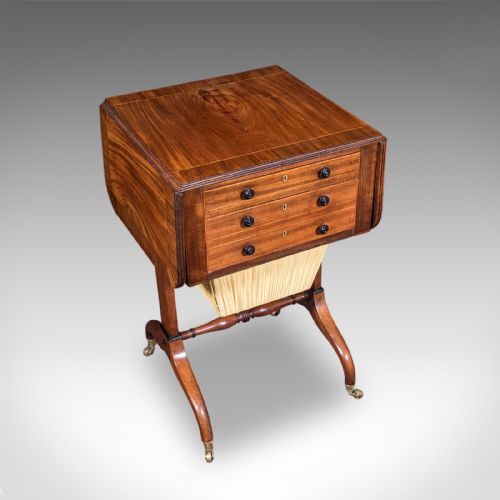
Many models feature inset leather writing surfaces designed to provide a comfortable texture for pen and ink use. Drop leaf variants provided extra surface space when extended.
What woods were commonly used?
Mahogany and walnut form the structural core for the majority of these desks, providing stability and durability. Finer surfaces frequently display decorative veneers including satinwood, kingwood, and rosewood.
Inlayers utilised contrasting timbers to create detailed marquetry motifs across the tops and drawer fronts. Ormolu and brass additions provided supplementary ornamentation.