

Brown Kitchen Dresser
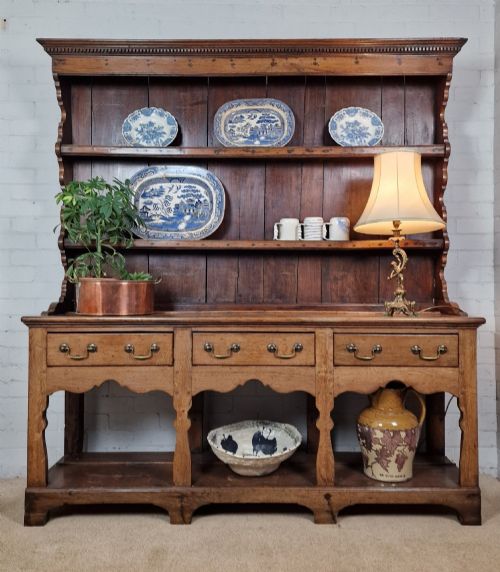
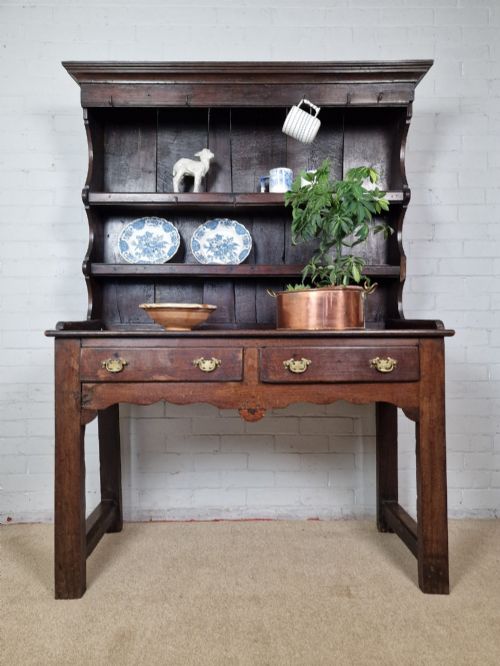
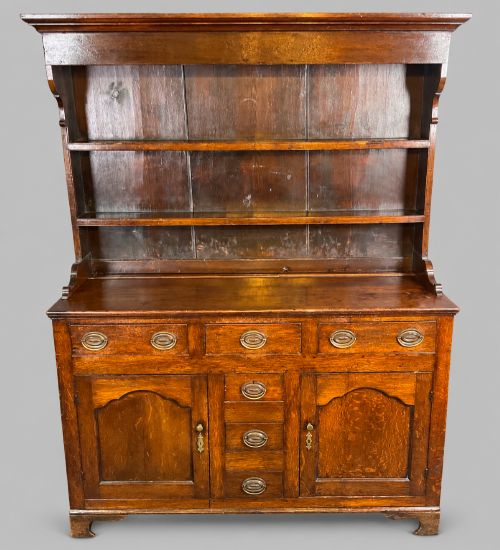
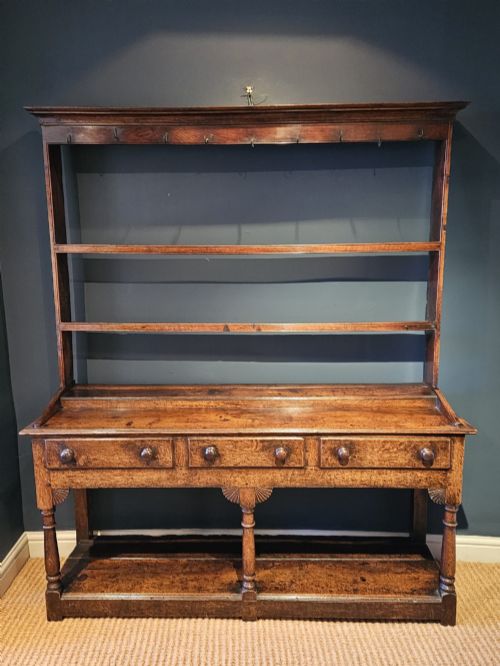
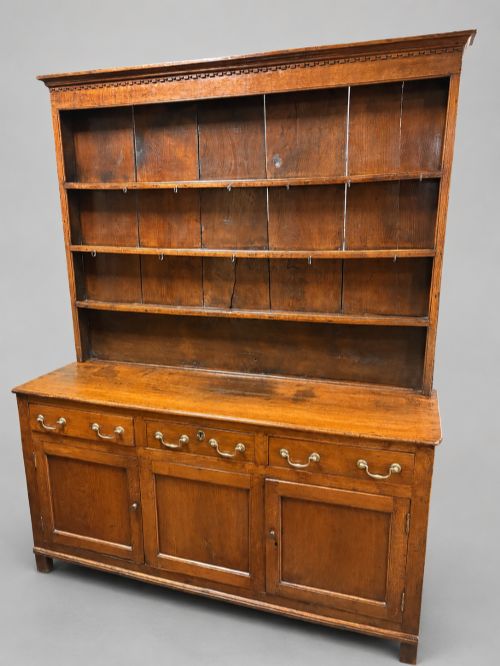
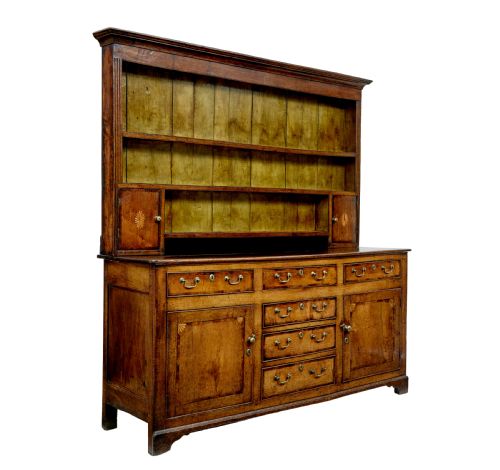
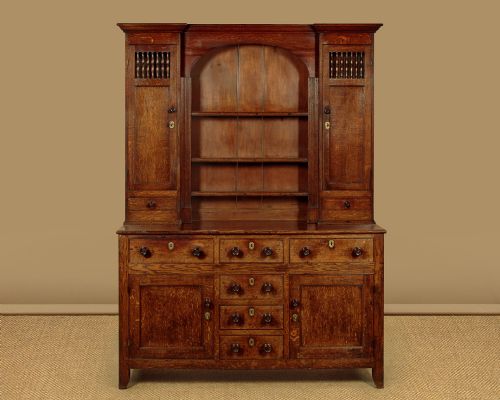
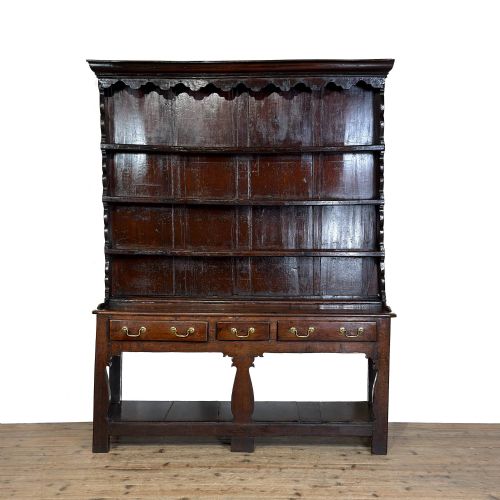
A brown kitchen dresser brings substantial storage and centuries of practical utility to a room through open plate racks and deep lower cupboards.
Brown Kitchen Dresser
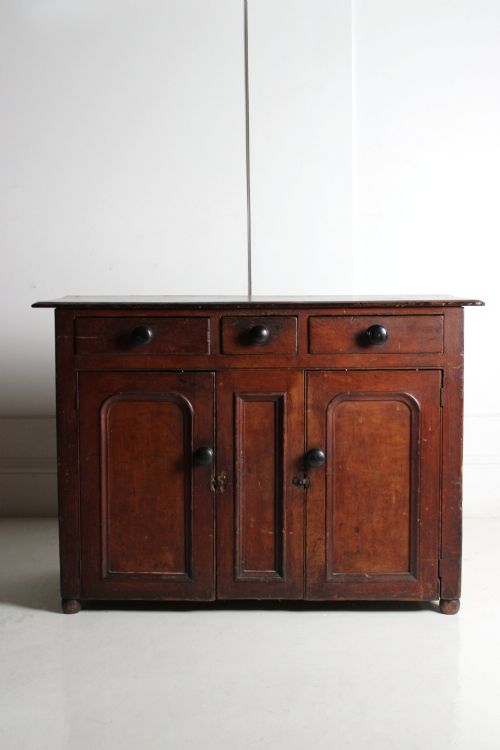
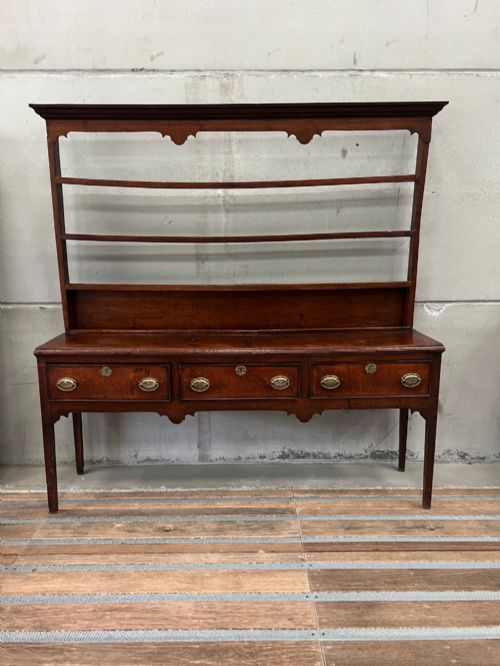
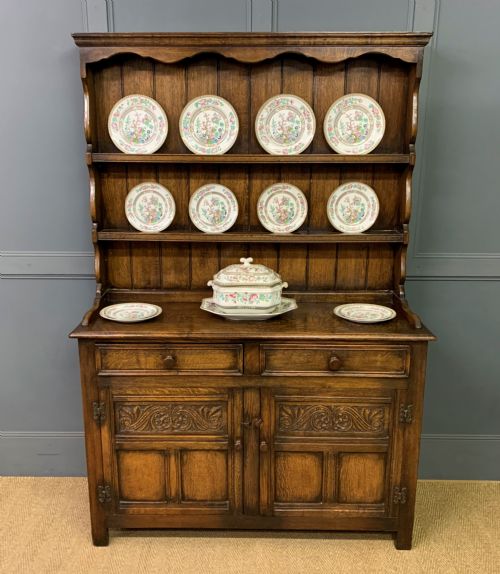
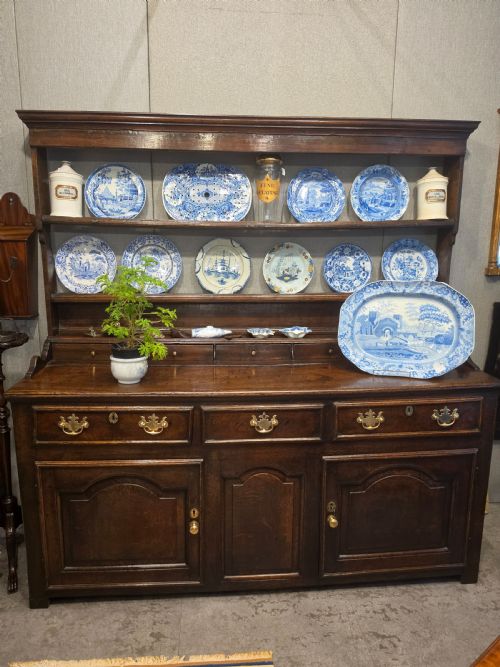
A brown kitchen dresser combines a display structure for plates with a base unit containing drawers and cupboards, serving as a primary storage piece for domestic spaces. These items appear across various historical periods, including the eighteenth century, nineteenth century, and Edwardian eras, reflecting enduring utility in the home.
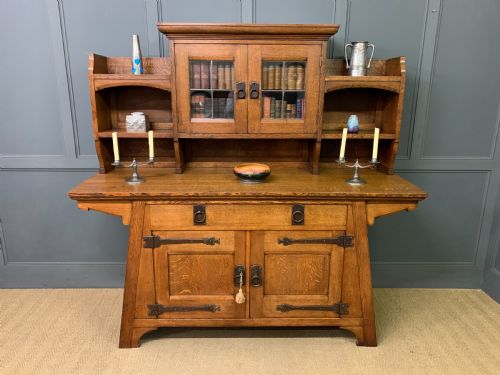
The versions most frequently encountered on this page originate from English, Welsh, and French traditions, often constructed in regional styles such as Georgian vernacular, rustic country, or English country. These forms range from open-backed plate racks to glazed top bookcases and potboard bases.
Makers and regional workshops produced these cabinets using sturdy regional timbers, adapting the proportions to suit farmhouse kitchens and dining spaces alike. Buyers encounter variations that include potboards, breakfront drawers, and crossbanded detailing.
Materials and construction methods
Cabinet makers relied heavily on oak, pine, and mahogany, shaping solid timbers into robust frames and utilising elm for secondary elements. Surfaces often display natural grain patterns, while certain examples retain original paint finishes or contrasting crossbanding in mahogany.
Hardware components incorporate brass handles and iron fittings, securing doors and drawers built with traditional joinery. Upper display sections integrate plate racks, shelves, and occasionally glass panels to hold ceramic collections securely.
Brown Kitchen Dresser Retail Price Guide 2026
Typical asking prices for brown kitchen dresser among the pieces listed under this phrase on Sellingantiques today, from the lower quarter to the upper quarter. They describe what is for sale here now, not the wider market.
Listings feature oak, pine, mahogany, and elm across periods spanning the eighteenth century, the Victorian era, and nineteen-ten.
Evaluating construction and proportion
Quality rests in the integrity of the timber selection and the retention of original structural elements such as potboards, feet, and brass hardware. Pieces that preserve their initial surfaces, whether polished oak or original paint, display greater architectural honesty.
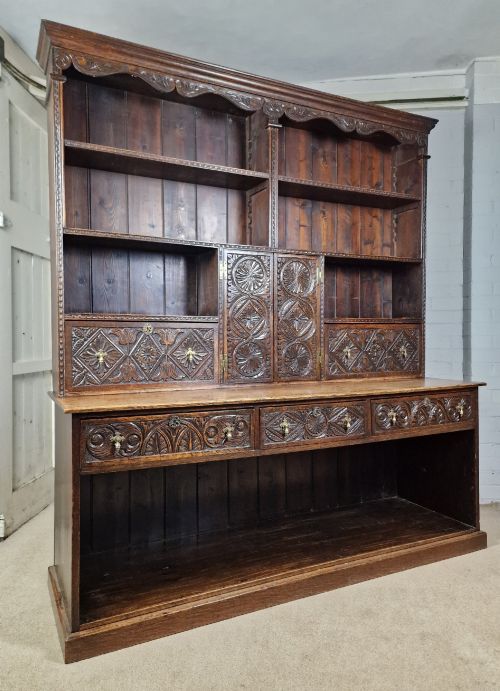
Proportion and regional detail distinguish standard regional output from exceptional workshop production. Finely carved motifs, such as Green Man details or inlaid crossbanding, elevate the visual weight of the base cabinet relative to the plate rack above.
Rushworth's
The Brown Kitchen Dresser Glossary
- Potboard
- A lower open shelf situated beneath the main drawers of a dresser, historically used for storing heavy pots and pans. This platform sits raised on short legs or feet.
- Plate rack
- An open set of wall-mounted or integrated upper shelves fitted with wooden grooves or vertical slats to display plates upright. This component defines the traditional Welsh dresser format.
- Crossbanding
- A decorative border technique where thin strips of veneer are laid across the grain of the primary wood surface, commonly seen in mahogany accents on Georgian furniture.
- Delft dresser
- A specific regional form designed primarily to display tin-glazed earthenware and ceramic plates on stepped upper shelving. These open-backed racks emphasise tableware presentation.
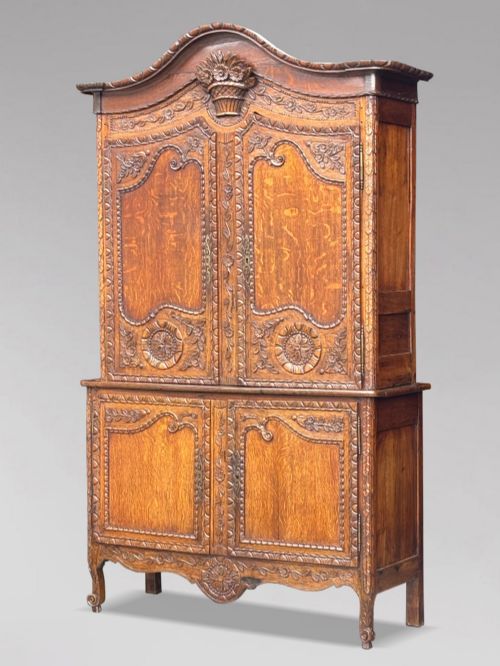
- Buffet deux corps
- A tall two-part cabinet originating from French provincial traditions, comprising a lower cupboard section beneath a matching upper storage unit.
Brown Kitchen Dresser: Frequently Asked Questions
How are kitchen dressers cleaned?
Dust surfaces regularly with a dry cloth to protect the wood grain and any historic finish. Avoid harsh chemical cleaners that strip aged patination from oak and pine.
Maintain indoor humidity levels to prevent timber from splitting or warping over time. Apply natural wax sparingly when the wood appears dry.
Where should a dresser be placed?
Position the cabinet against a sturdy interior wall in a kitchen, dining room, or hallway with stable environmental conditions. Ensure the space accommodates the full depth of the base and any open doors.
Keep the piece away from direct heat sources such as radiators to protect historical joints and veneers from drying out.
How do I date a brown dresser?
Examine the timber species, construction joinery, and hardware style to identify the likely period of manufacture. Eighteenth-century examples often display hand-sawn boards and regional vernacular traits.
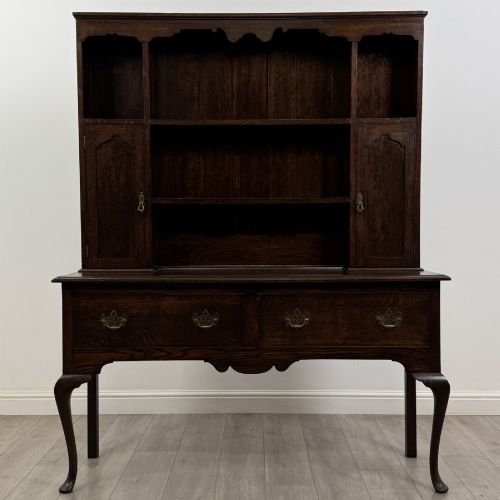
Compare decorative details like cabriole legs, bracket feet, or carved motifs against documented regional furniture styles. Secondary woods inside drawers can also indicate the manufacturing era.
Can heavy dishes go on plate racks?
Most historic plate racks support standard ceramic plates and decorative platters using integrated grooves and retaining rails. Distribute the weight evenly across the shelves to maintain structural stability.
Avoid loading antique shelving with exceptionally heavy cast iron cookware that exceeds the original design capacity of the pine or oak slats.