
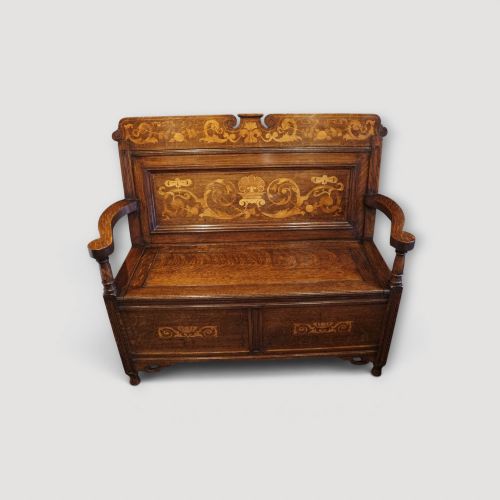
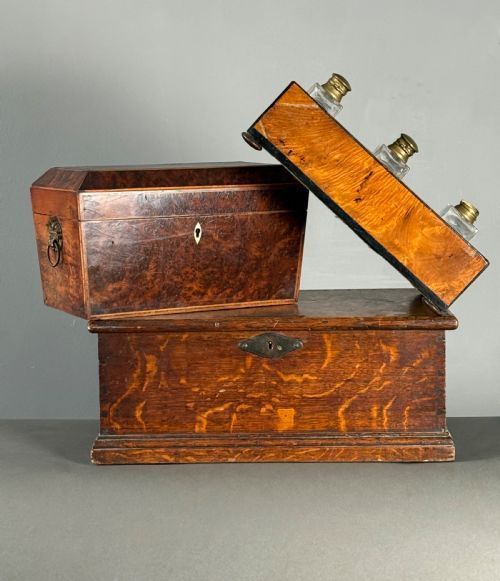
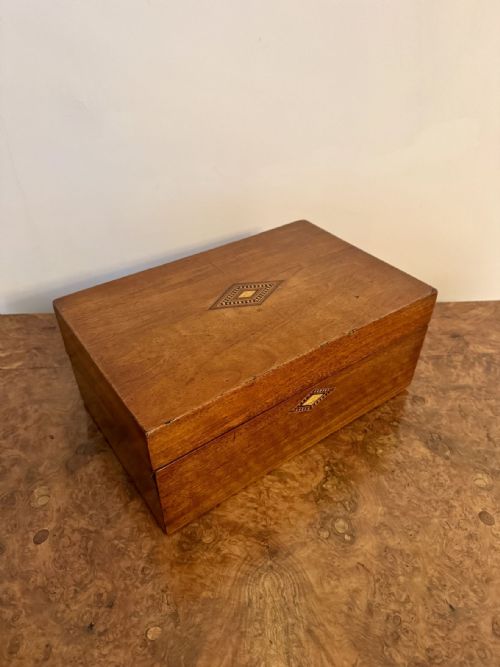
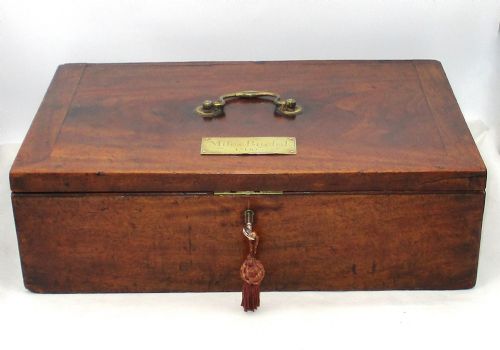

Brown Inlay Wooden Box
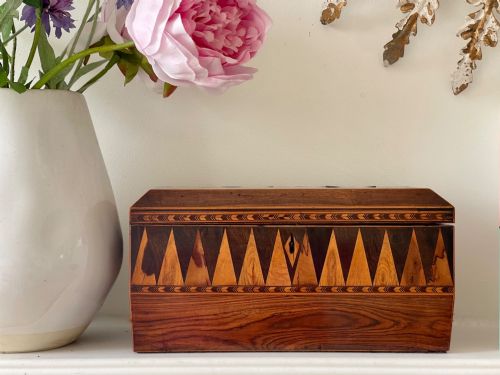
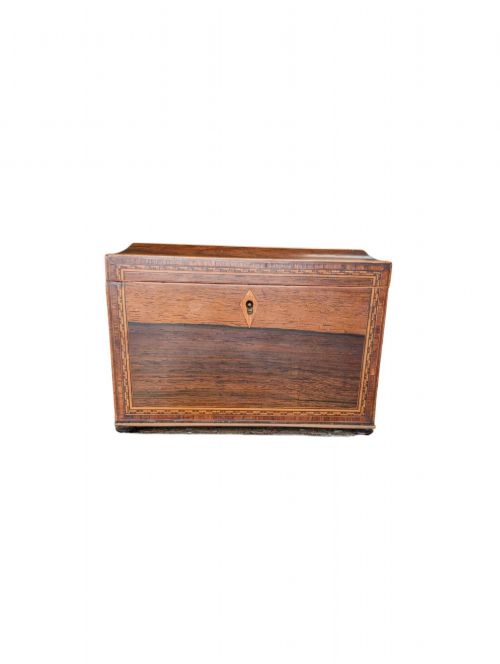
These brown inlay wooden boxes bring together rich timber and meticulous contrast work, holding everything from personal letters to tea.
Brown Inlay Wooden Box
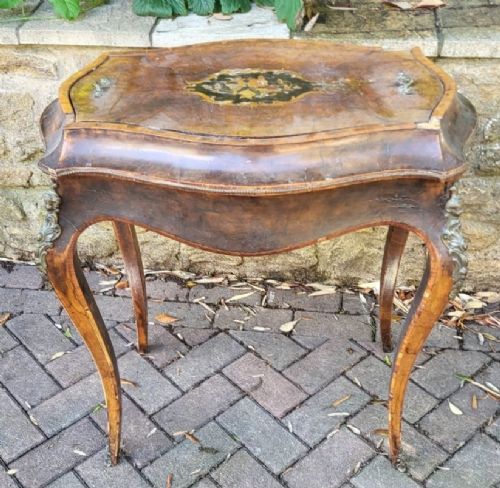
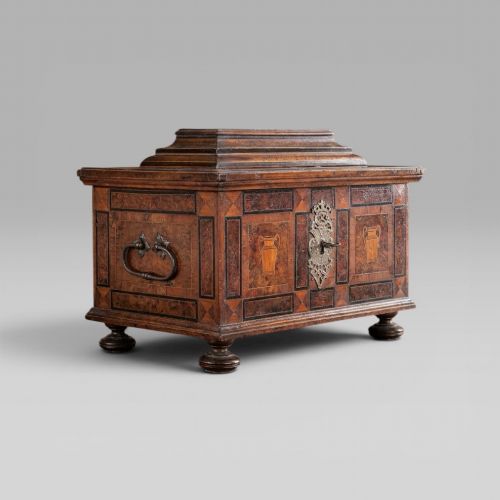
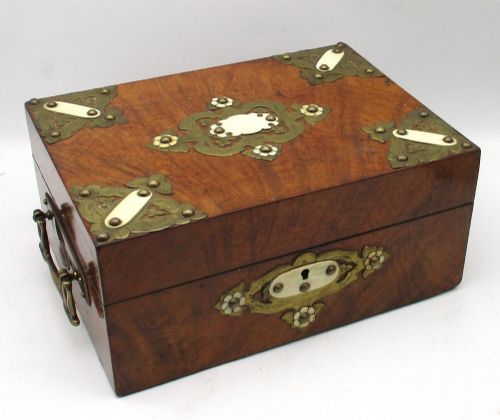
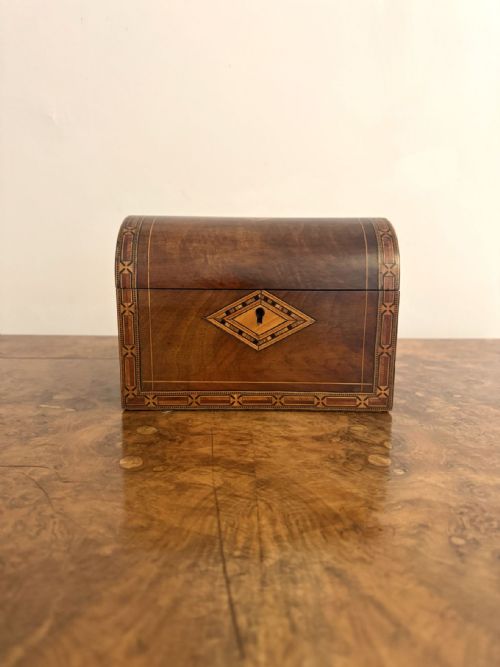
When you search for a brown inlay wooden box, you encounter a varied group of containers built to hold specific household items. The selection ranges from tea caddies and snuff boxes to stationery boxes, document boxes, and writing slopes, spanning periods from the late seventeenth century through the Edwardian era.
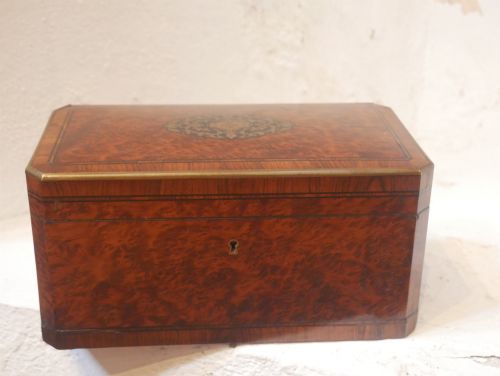
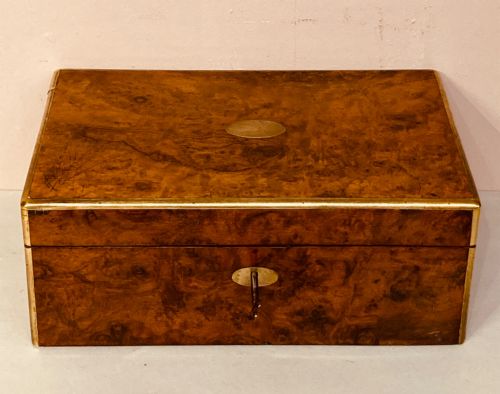
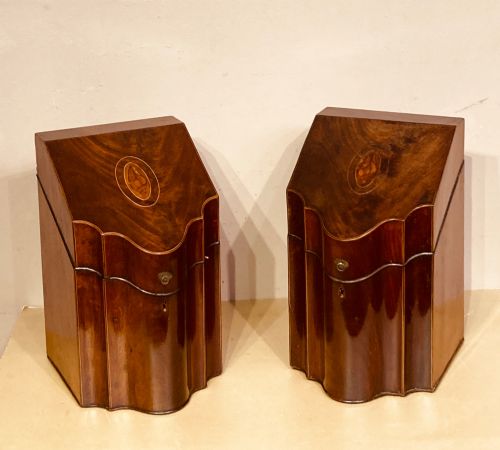
You are most likely to meet mahogany, walnut, and rosewood examples decorated with contrasting stringing, Tunbridge work, or shell motifs. These pieces served practical functions in Georgian and Victorian rooms, storing valuables, correspondence, or dry goods away from dust and light.
How they were made
Cabinet makers built these boxes using dense timbers such as mahogany, walnut, and rosewood, often choosing figured veneers like burr walnut or harewood for the primary surfaces. They constructed carcass bodies with precise joinery to prevent warping as the wood aged in heated rooms.
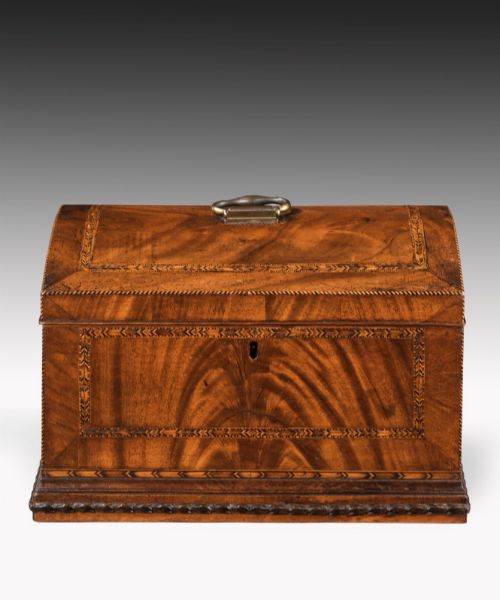
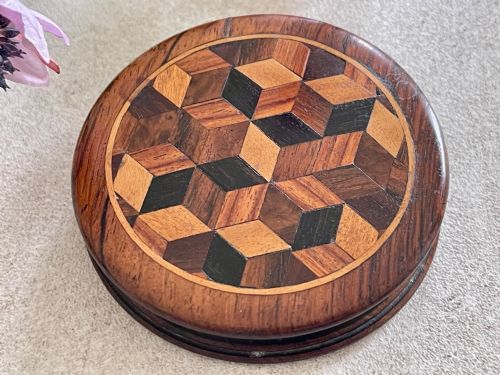
Decoration relied on contrasting woods, bone, and shell set into recesses cut by hand. Tunbridge ware pieces incorporated thousands of tiny coloured wood blocks arranged to form pictorial or geometric mosaics, while others used fine boxwood or satinwood stringing to edge panels.
Object forms include tea caddies, snuff boxes, stationery boxes, cellarettes, and writing slopes.
What varies in quality
Quality rests in the crispness of the inlay work and the selection of the timber grain. Finer boxes display tightly fitted contrasting woods with no visible gaps around the edges, whereas simpler pieces rely on painted lines or basic geometric stringing.
Internal fittings also distinguish the tiers of production. Superior examples retain original velvet linings, fitted compartments with matching lids, and working brass locks, while standard containers often feature plain interiors or replaced hardware.
Tahan Paris·Edmund Nye·Henry Hollamby
The Brown Inlay Wooden Box Glossary
- Tunbridge ware
- A form of decorative woodwork originating from Kent, featuring mosaic patterns built from tiny blocks of naturally coloured timbers. It created detailed pictorial and geometric lid scenes.
- Tea caddy
- A small container designed to store loose tea leaves securely. They frequently contained internal lidded compartments to separate different varieties of tea.
- Stringing
- A narrow strip of contrasting wood inlaid into a channel on a surface to form a border or outline. It highlighted the structural lines of drawers and box lids.
- Sarcophagus
- A box shape featuring a domed or steeply pitched lid resting on a plinth base, popular during the Regency and Victorian periods for tea containers.
- Writing slope
- A portable slant-topped desk opening to reveal a velvet-lined writing surface and compartments for ink and nibs. They often incorporated secret drawers beneath the stationery stalls.
Brown Inlay Wooden Box: Frequently Asked Questions
What were tea caddies used for?
Tea caddies stored valuable leaves safely under lock and key when tea was an expensive commodity imported from overseas. Servants typically kept the key, measuring out portions for the household to prevent unauthorized access.
Inside, the containers often featured divided sections with individual lids to keep black and green teas separate and dry. Some included glass mixing bowls for blending leaves before brewing.
How do I care for antique wooden boxes?
Keep wooden boxes away from direct sunlight and radiators to prevent the timber from drying out and the veneer from lifting. Maintain a stable room temperature to protect the old glues and structural joints.
Apply a microcrystalline wax occasionally to nourish the surface polish without building up sticky residues. Avoid liquid polishes containing silicone, which can penetrate cracked finishes and harm the wood.
How do I date a wooden box?
Examine the timber species, construction methods, and hardware to determine the period of manufacture. Georgian pieces often favor solid mahogany or simple stringing, while Victorian examples frequently showcase elaborate burr walnut veneers and Tunbridge mosaics.
Look at the interior secondary woods and screw types as well. Hand-cut dovetails and iron hinges point to earlier eras, whereas machine-made components suggest later nineteenth-century production.
What is Tunbridge inlay?
Tunbridge inlay uses mosaic techniques to form intricate geometric or floral scenes from coloured wood specimens. Craftsmen glued thousands of tiny vertical timber squares together before slicing them thinly across the grain.
These cross-sections were then applied to box lids and panels to create permanent pictures without using paint. The natural tones of holly, barberry, and plum provided the colour palette.