
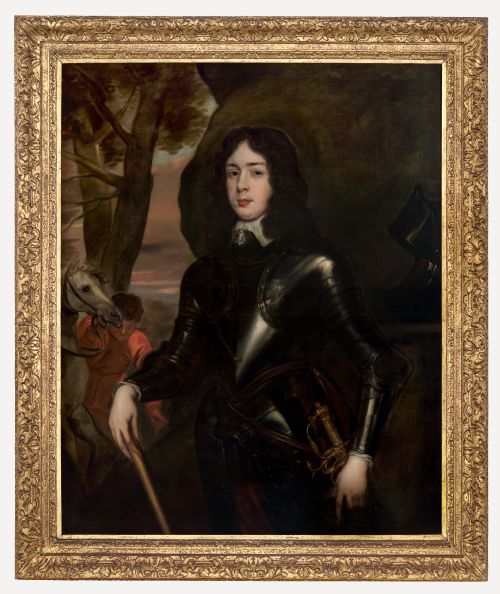
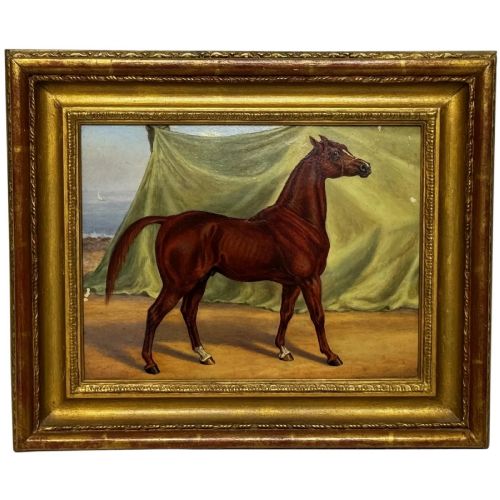
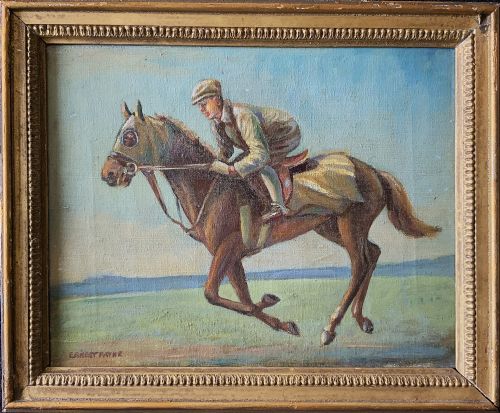
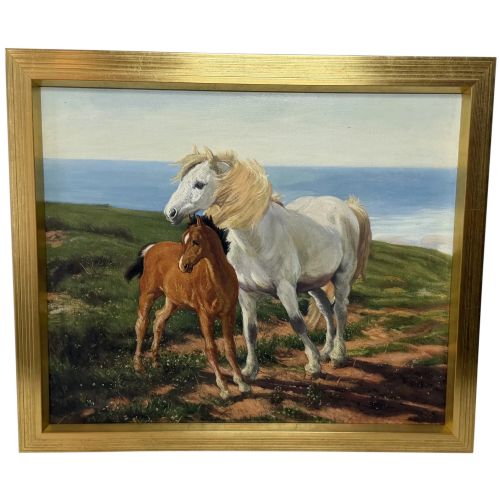
Brown Horse Oil Canvas
When you search for a brown horse oil canvas, you enter a tradition of equine portraiture spanning centuries of British and European art.
Brown Horse Oil Canvas
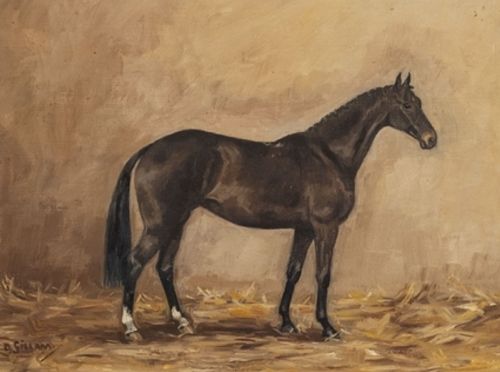
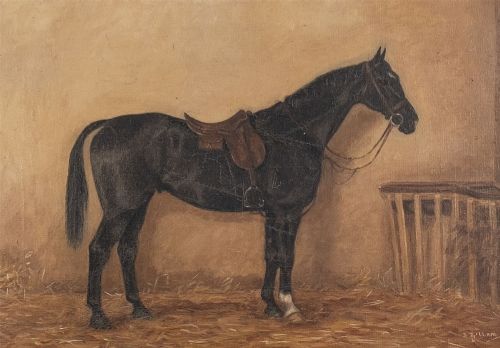
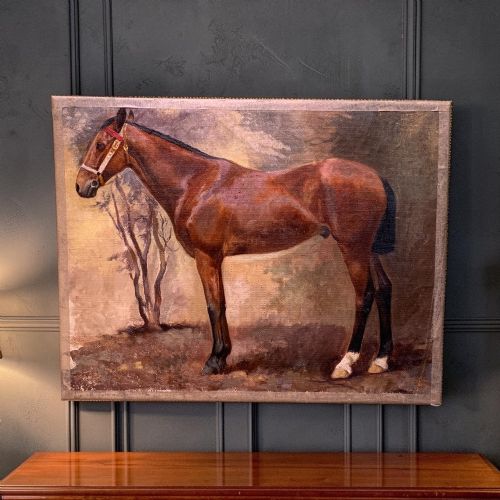
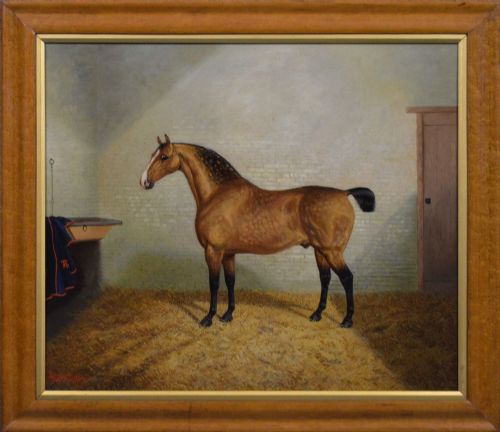
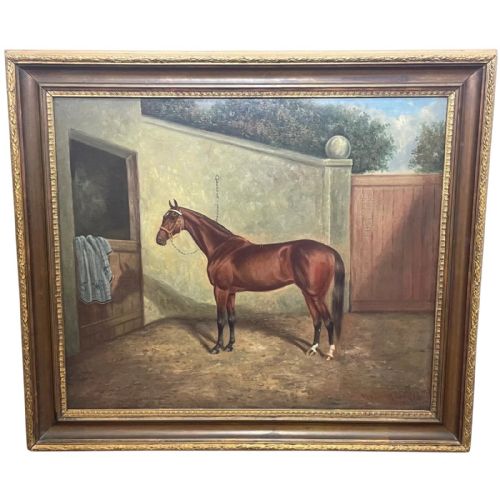
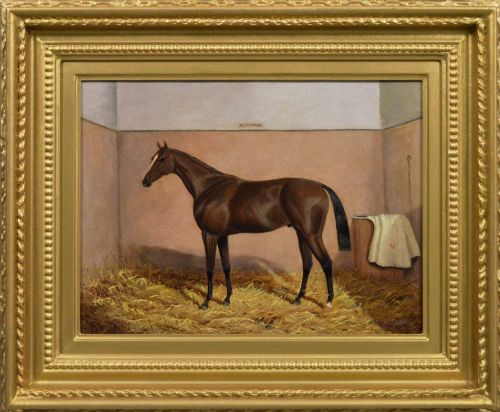
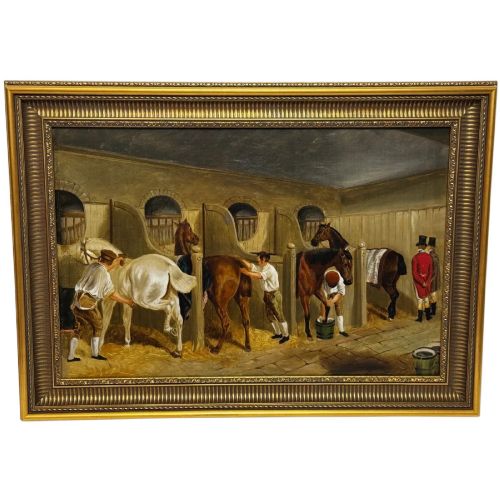
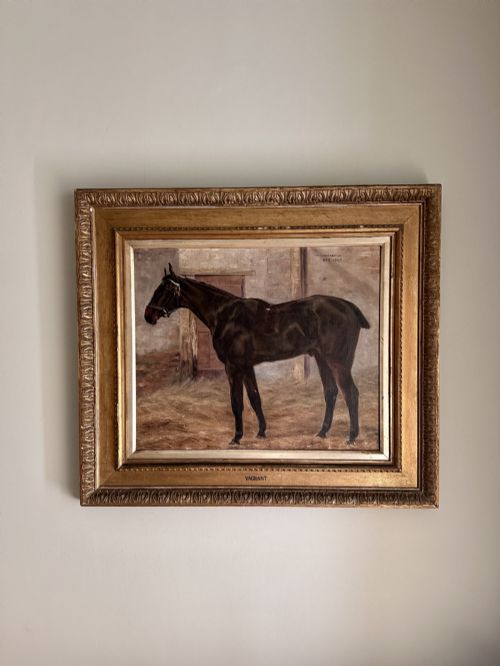
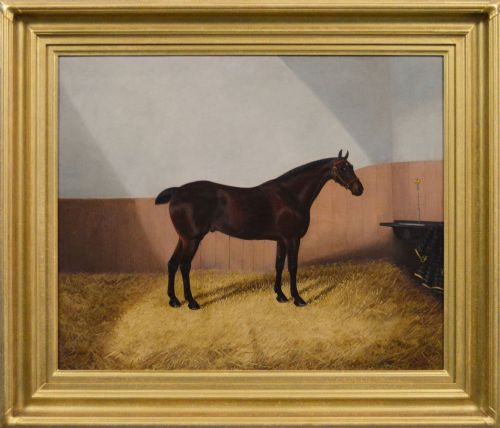
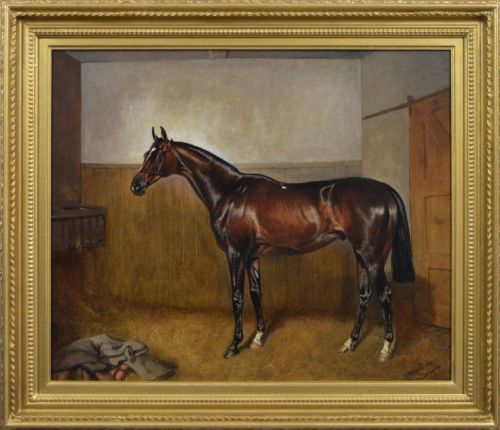
A brown horse oil canvas captures the form, spirit and individuality of equines through the traditional medium of oil paint applied to stretched fabric. These artworks range from intimate studies of stable life to grand portraits of named racehorses and hunters.
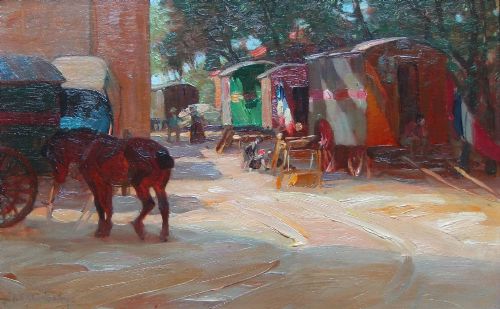
The selections available here lean heavily into Victorian and Edwardian sporting art, alongside nineteenth-century depictions of farm horses, working animals and racing champions. Makers and artists recorded these animals in stables, paddocks and vast rural landscapes.
Buyers encounter everything from anonymous regional studies to documented portraits of derby winners by named painters of the period. The common thread remains the focused study of the horse, executed in oil on canvas and often housed in period giltwood frames.
How they were made
Artists built these works by applying oil paint directly onto a prepared canvas stretched over a wooden frame, allowing for subtle blending and rich depth of colour. The physical support provided a stable, textured surface that held fine brushwork over decades.
Makers finished many of these paintings with heavy timber or giltwood frames, which protected the edges of the canvas and added architectural presence to the artwork. Pigments were worked in layers to capture the sheen of a bay or chestnut coat against darker stable interiors or bright skies.
Listings feature works executed in oil paint on canvas, dating from the Victorian period through to the mid-twentieth century.
What varies in quality
Anatomical accuracy and the rendering of light upon the horse coat set superior examples apart from standard decorative pieces. The best hands captured the tension in a muscle, the moisture in an eye and the individual texture of a groomed mane with precision.
Provenance and attribution also divide the range, as canvases bearing the signature of a known equestrian specialist or connected to notable estates carry greater historical weight. The handling of the background landscape and the integration of the animal within its environment reveal the competence of the painter.
Henry Barraud·Albert Clark·Fred Fitzpatrick·Sir Anthony van Dyck·Ernest Payne·John Alfred Wheeler·Thomas Walker Bretland·John Ferneley Senior·Harry Freckleton·Raimond Louis Lecourt·Edward Lloyd of Ellesmere·George E Sharpe·Edith Alice Simkins·John Frederick Herring·John Linnell·Edward Brice Stanley Montefiore·Samuel Spode
The Brown Horse Oil Canvas Glossary
- Canvas
- A heavy woven fabric, typically linen or cotton, stretched tightly across a wooden frame to serve as the foundational surface for oil paintings.
- Giltwood
- Wood that has been coated with a thin layer of gold leaf or gilt paint, commonly used for traditional picture framing.
- Equestrian
- Pertaining to horses, horse riding, or the representation of horses in art and sculpture.
- Provenance
- The documented history of ownership of an artwork, tracing its path from the artist studio to the present day.
Brown Horse Oil Canvas: Frequently Asked Questions
How do I identify the period of a horse oil painting?
Examine the style of the canvas stretching, the type of wood used in the frame, and the clothing or tack worn by any human figures depicted alongside the animal. Stylistic conventions in equine anatomy also shift between the Georgian, Victorian and Edwardian eras.
Signatures, dates inscribed on the reverse, and the maker stamps of nineteenth-century canvas suppliers offer further clues for dating the piece accurately.
Where were these equine portraits originally displayed?
Landowners, breeders and military officers hung these paintings in country houses, estate offices and stable blocks to celebrate prized hunters, race winners and working animals. They served as both personal mementos of beloved mounts and status symbols within rural society.
Later collectors brought them into domestic living spaces and studies, where traditional sporting art continues to complement period interiors.
How should I care for an oil painting on canvas?
Keep the artwork away from direct sunlight, extreme temperature fluctuations and high humidity to prevent the canvas from sagging and the oil paint from cracking. Dust the surface very gently with a soft, dry, clean brush without applying pressure.
Avoid using water, chemical cleaners or oils on the painted surface, and consult a professional conservator if the varnish darkens or the canvas requires cleaning.
What distinguishes a portrait of a named horse?
Portraits of specific racehorses or hunters often include contemporary inscriptions on the canvas or frame detailing the animal name, race victories, owner or trainer. Artists recorded these champions with distinct markings and proportions rather than generic equine shapes.
Historical racing records and stud books frequently verify the identity of the horse, linking the artwork to documented events of the nineteenth or early twentieth century.