



Brown Hardwood Chair
A brown hardwood chair brings substantial timber construction and varied regional carving traditions directly into a room.
Brown Hardwood Chair
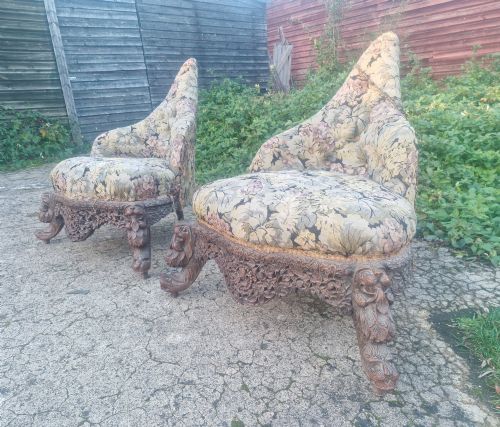
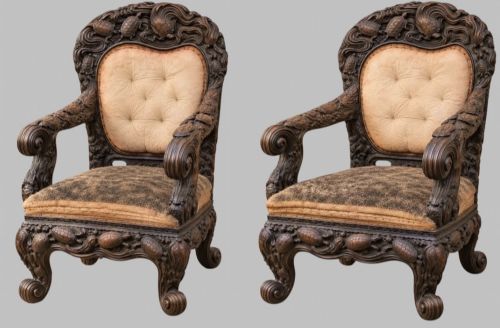
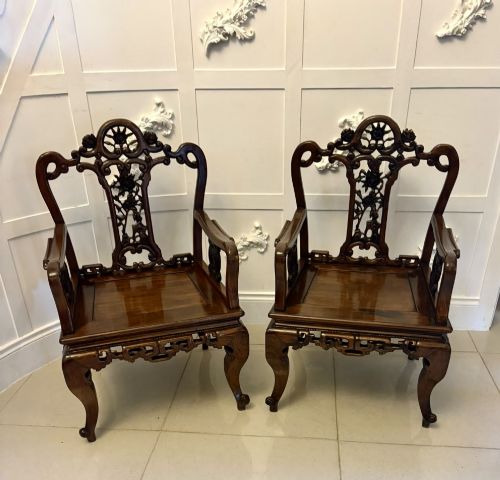
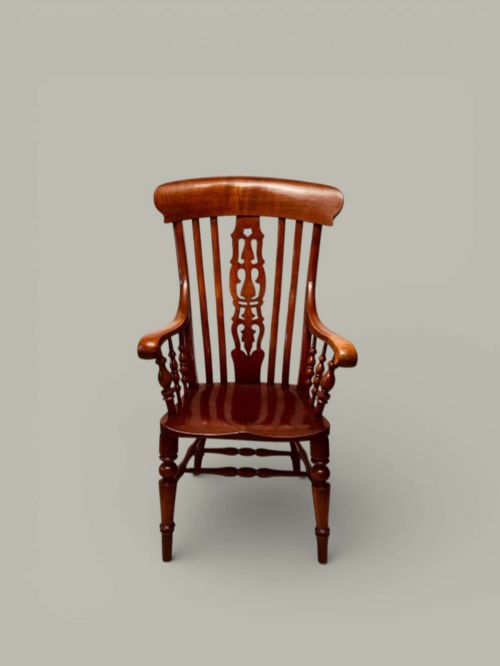
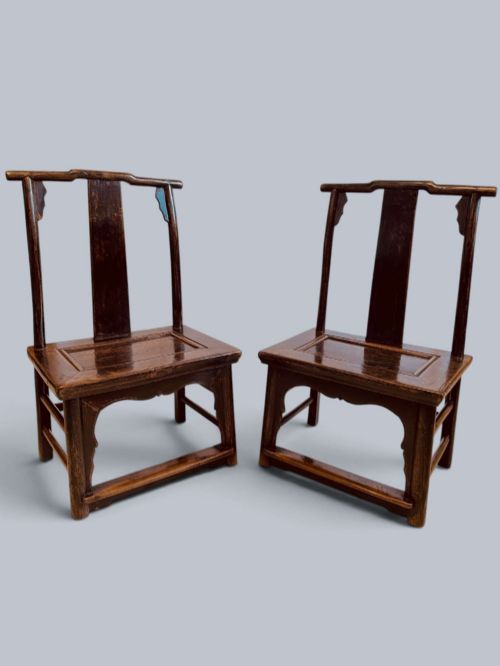
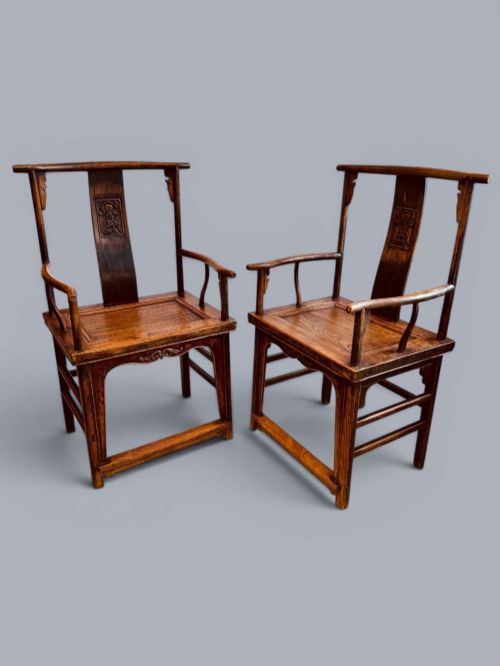
A brown hardwood chair encompasses robust seating forms originating predominantly from Chinese, Indian, and British colonial workshops during the eighteenth and nineteenth centuries. Buyers searching for a brown hardwood chair typically encounter horseshoe-back armchairs, folding throne chairs, and carved hall chairs fashioned from dense timbers.
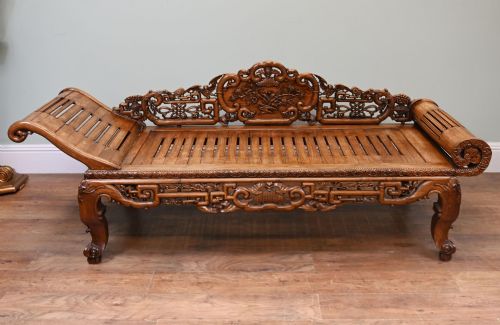
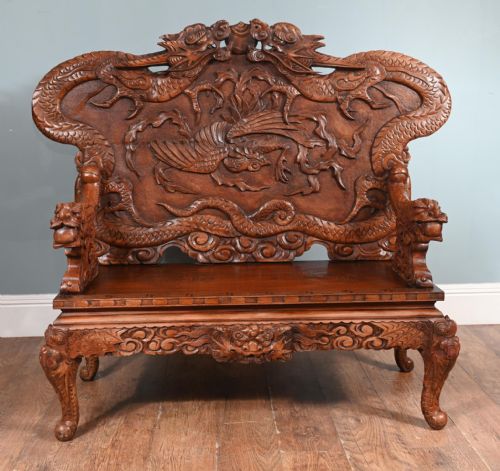
The selection ranges from simple nineteenth-century dining chairs and piano stools to ornate Anglo-Indian rosewood dining sets and Qing dynasty opulently carved benches. Regional variations span traditional Chinese forms, Burmese padouk seating, and brass-inlaid Savonarola styles from India.
Most pieces date from the nineteenth century, though eighteenth-century examples and early twentieth-century interpretations appear frequently. These seats serve as strong focal points, combining utilitarian forms with intricate relief carving and dramatic silhouettes.
Materials and construction
Makers utilised dense timbers including teak, rosewood, padouk, and general hardwoods, frequently paired with secondary woods like elm and oak. Metal elements such as brass appear as structural or decorative inlays, notably in Indian pieces.
Joinery relied on traditional mortise and tenon techniques, allowing folding mechanisms in portable campaign and throne chairs to operate smoothly. Surface finishes include natural wax polish, lacquering, and deep relief carving executed directly into the solid timber.
Brown Hardwood Chair Retail Price Guide 2026
Typical asking prices for brown hardwood chair among the pieces listed under this phrase on Sellingantiques today, from the lower quarter to the upper quarter. They describe what is for sale here now, not the wider market.
Several chairs feature hidden folding mechanisms, proving that nineteenth-century travellers insisted on portable comfort.
Assessing quality and execution
Quality rests in the depth and sharpness of the hand-carving, where crisp details on dragons, foliage, and geometric motifs distinguish superior workshop output from simpler commercial production. The density and grain pattern of the timber also dictate the overall integrity of the frame.
Proportion and structural balance separate exceptional seating forms, particularly in complex horseshoe-back or folding designs where tension is distributed evenly across curved wooden members. Original surface patination preserved through careful maintenance elevates the standing of any piece.
The Brown Hardwood Chair Glossary
- Padouk
- A heavy, durable tropical hardwood displaying a reddish-brown tone. It was frequently utilised for nineteenth-century Burmese and colonial seating.
- Horseshoe-back
- A continuous curved crest rail that sweeps downward to form the armrests. This ergonomic Chinese form provides distinct lumbar support.
- Savonarola chair
- A folding chair constructed from multiple intersecting wooden slats. It derives its name from a fifteenth-century Italian prototype adopted in nineteenth-century Indian production.
- Cinnabar
- A bright red mineral pigment applied in multiple layers to a wooden base. Carvers then slice intricate patterns through the accumulated strata.
Brown Hardwood Chair: Frequently Asked Questions
How do I care for a hardwood chair?
Maintain the timber by applying a microcrystalline wax sparingly to nourish the surface without attracting dust. Keep the chair away from direct heat sources and sudden humidity shifts to prevent timber splitting.
Avoid using harsh liquid cleaners or silicon-based polishes that degrade the original finish over time. A soft, dry cloth is sufficient for routine cleaning of carved details.
Are these chairs comfortable for daily use?
Many examples, particularly horseshoe-back armchairs and dining sets, offer supportive upright seating designed for long periods. Their ergonomics reflect traditional craftsmanship focused on posture and balanced proportions.
Folding chairs and decorative hall chairs prioritise portability or visual impact over plush cushioning. Adding a tailored squab cushion provides extra comfort for modern living.
How can I date a nineteenth-century chair?
Examine the tool marks, timber shrinkage, and the type of joinery employed beneath the seat or along the frame. Hand-cut joints and irregular peg placements typically indicate nineteenth-century production.
Compare the decorative motifs, such as Qing dynasty dragons or Moghul carving styles, with dated comparative pieces. Patination accumulated over generations also offers a reliable indicator of age.