

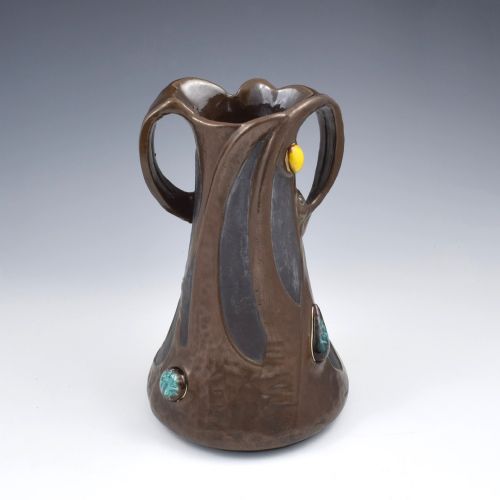


Brown Glazed Pottery Urn
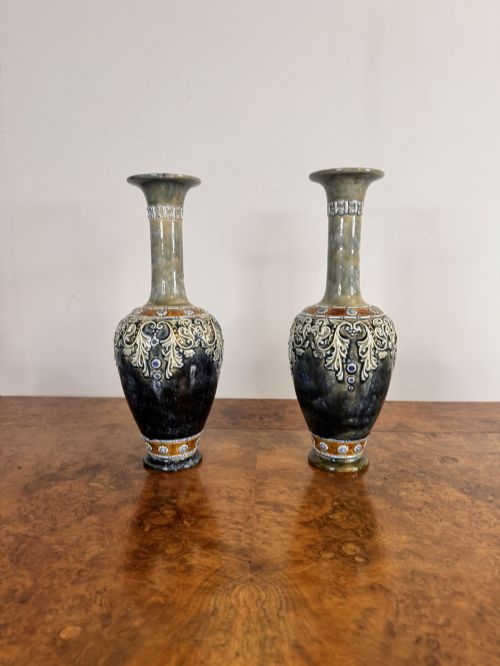
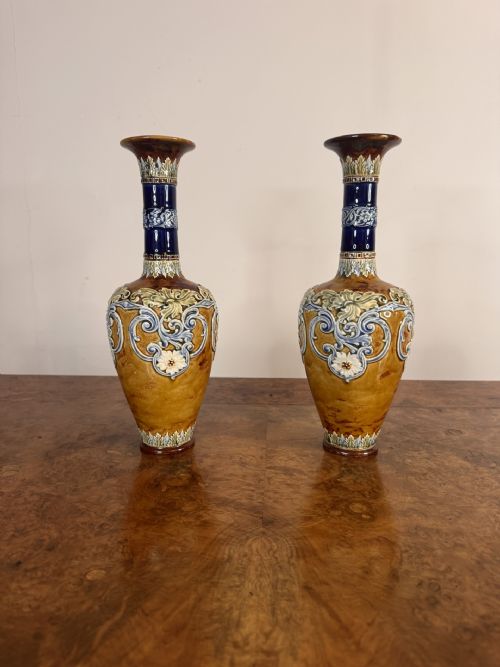
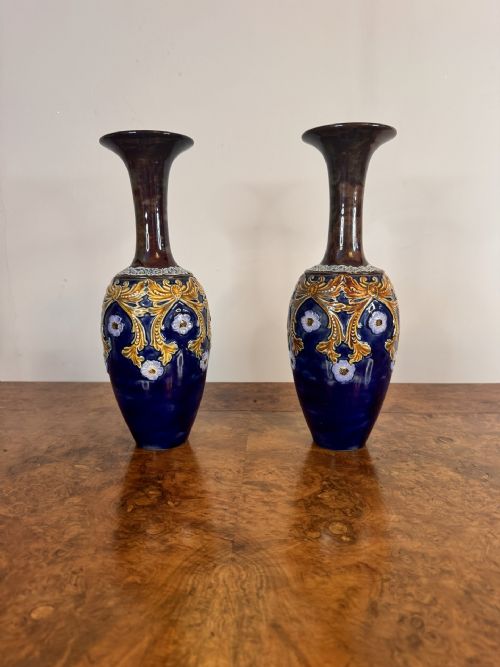
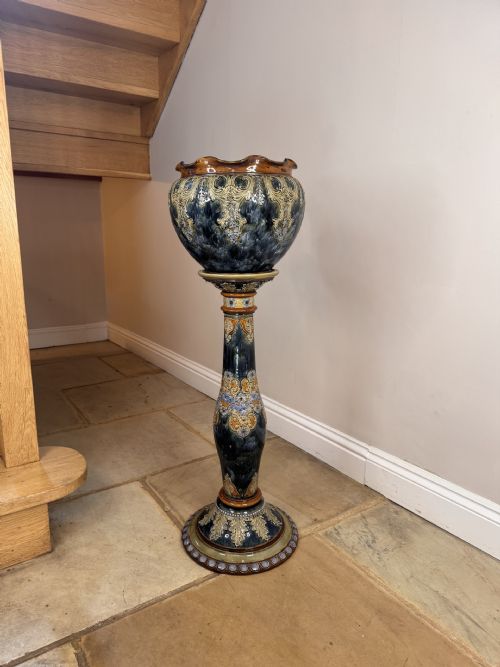
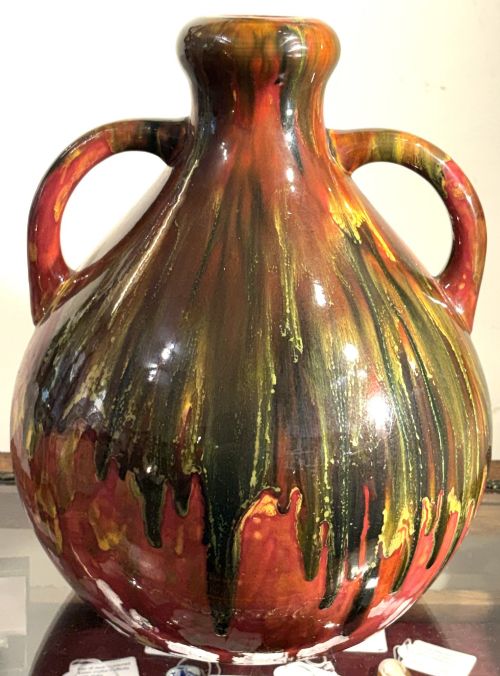
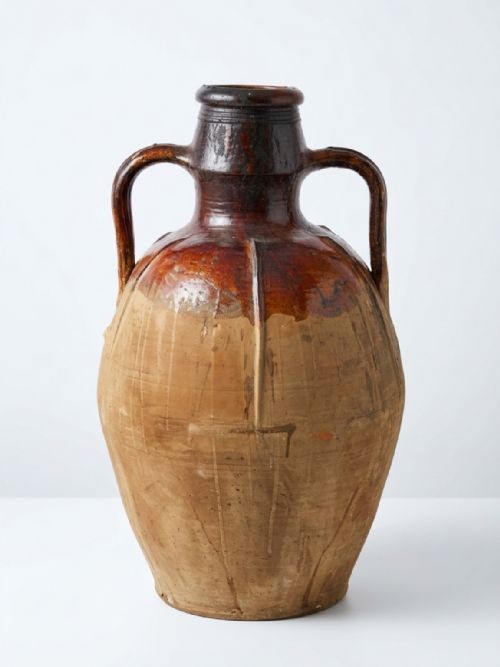
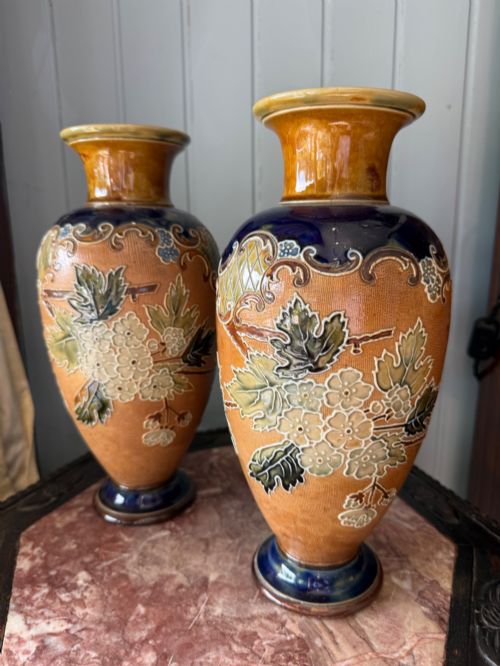
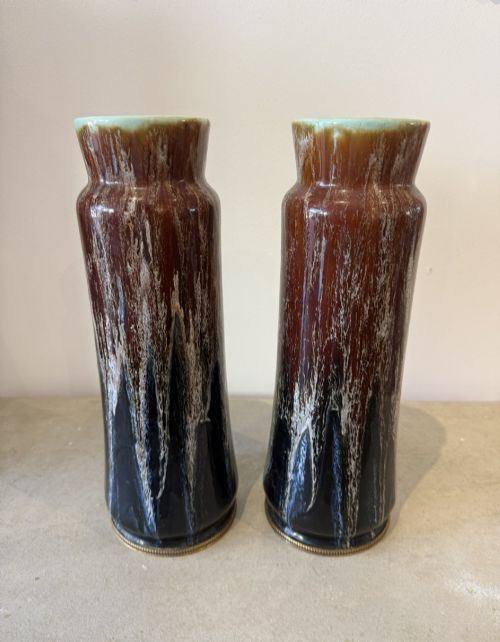
These brown glazed pottery urn pieces bring rich, earthen character and varied historic forms to interior spaces.
Brown Glazed Pottery Urn
A brown glazed pottery urn encompasses a diverse range of historic ceramic vessels, spanning decorative vases, jardinières, and large storage forms. Buyers exploring this search phrase encounter pieces originating primarily from the Victorian period through to the early twentieth century.
Makers and workshops from Britain, Germany, and Belgium dominate the available specimens, often exhibiting rich brown or autumnal glazes. These historic vessels served decorative and utilitarian purposes alike, functioning as planters, centrepieces, and architectural ornaments.
Materials and construction
Potters utilised durable earthenware, heavy stoneware, and porous terracotta as the primary bodies for these vessels, shaping them on the wheel or casting them in moulds. The foundational clay bodies dictated both the weight and the functional capability of the finished object.
Surface decoration relied heavily on rich ceramic glazes, sometimes incorporating enamel finishes or metallic copper effects to catch the light. Specialised techniques such as jewelled cabochons and naturalistic surface modelling added tactile depth to the brown glazed exteriors.
Brown Glazed Pottery Urn Retail Price Guide 2026
Typical asking prices for brown glazed pottery urn among the pieces listed under this phrase on Sellingantiques today, from the lower quarter to the upper quarter. They describe what is for sale here now, not the wider market.
Some nineteenth-century vessels feature jewelled cabochons to catch the flickering light of a Victorian parlor.
Distinctions in craftsmanship
The upper tier of these vessels is distinguished by the sophistication of the glaze work and the deliberate execution of surface decoration, such as hand-modelled floral motifs or applied cabochons. Lesser examples rely on simpler, uniform dipping without the nuanced tonal variations seen in superior artistic pottery.
Execution and proportion set exceptional pieces apart, particularly where thrown or moulded forms retain crisp detail and balanced symmetry. The involvement of recognised artists or established potteries significantly elevates the artistic merit and historical interest of an individual piece.
Burmantofts·Royal Doulton·Boch Freres·Bretby Pottery·Mettlach Pottery·Wileman Intarsio·Doulton Lambeth·Julius Dressler
The Brown Glazed Pottery Urn Glossary
- Terracotta
- A porous, unglazed or glazed red earthenware clay fired at relatively low temperatures. It is commonly found in large garden jars and Mediterranean storage vessels.
- Jardiniere
- A large ornamental pot or stand designed to hold a live plant or floral arrangement. These are frequently glazed on the interior to contain moisture.
- Stoneware
- A dense, vitreous ceramic fired at high temperatures until the clay body becomes impervious to liquid. It provides a sturdy, heavy foundation for utilitarian and decorative vessels.
- Faience
- Tin-glazed earthenware produced in imitation of imported Chinese porcelain or traditional Italian majolica. The term often describes the glossy, colourful pottery output of late nineteenth-century factories.
- Majolica
- A type of earthenware decorated with opaque coloured lead glazes over a white tin enamel ground. It is celebrated for its vibrant tones and relief-moulded naturalistic designs.
Brown Glazed Pottery Urn: Frequently Asked Questions
How do I date a brown glazed pottery urn?
Dating relies heavily on stylistic markers, factory marks stamped or incised into the clay base, and the specific composition of the glaze. Victorian and Edwardian examples often exhibit characteristic aesthetic movement or Art Nouveau motifs that help narrow their decade of production.
Examining the base and interior can reveal manufacturing methods particular to nineteenth-century potteries. Comparing the piece against documented patterns from firms active during the 1880s to 1920s provides further chronological clarity.
Were these urns meant for the garden?
Many larger terracotta and heavy stoneware vessels were constructed for practical garden or conservatory use, holding plants or filtering water. Robust materials allowed them to withstand functional demands in domestic and semi-outdoor settings.
Finer ceramic art pieces, conversely, were strictly intended for interior display on mantelpieces or pedestals. Their delicate glazes and decorative additions meant they functioned as pure ornamentation rather than utilitarian gardenware.
Can I use these antique urns for fresh flowers?
Using watertight stoneware or glazed ceramic vessels for cut flowers is generally safe if the interior glaze remains intact and uncracked. Historic water filter urns and certain jardinières were specifically engineered to hold liquids.
Porous bodies like terracotta require caution, as moisture can seep through the clay and damage underlying furniture surfaces. Inserting a modern glass or plastic liner inside the vessel protects the antique ceramic from prolonged water exposure.