



Brown Garden Planters
Brown garden planters bring earthy tones and robust form to outdoor spaces, offering enduring vessels for planting schemes.
Brown Garden Planters
Brown garden planters encompass a variety of utilitarian and decorative vessels utilised for horticulture, ranging from robust troughs to grand urns. When seeking brown garden planters, buyers encounter pieces formed from rich-toned ceramics, salt-glazed stonewares, and heavy metals that have acquired deep patinas over decades of exposure.
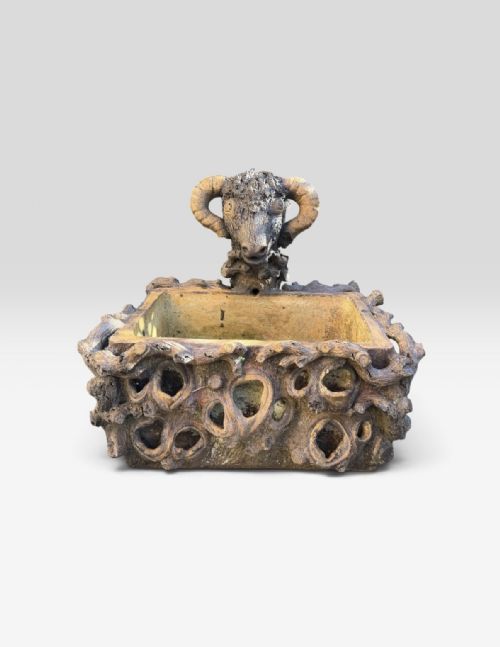
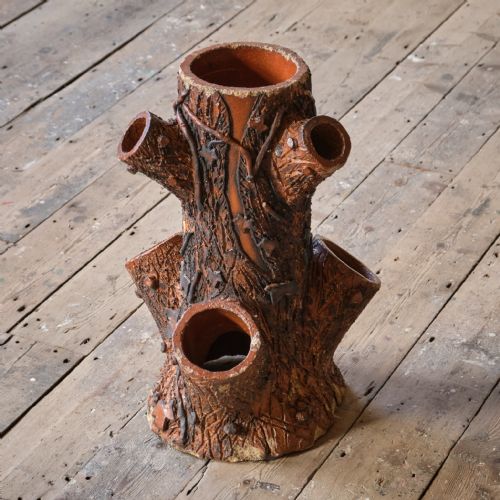
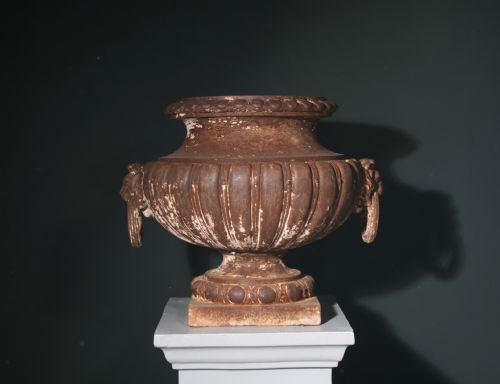
The selections span from the seventeenth century through to the early twentieth century, incorporating Georgian wooden well buckets, Victorian cast iron urns, and salt-glazed faux bois strawberry planters. Most examples originate from British, French, and Mediterranean traditions, reflecting vernacular domestic uses and formal garden design alike.
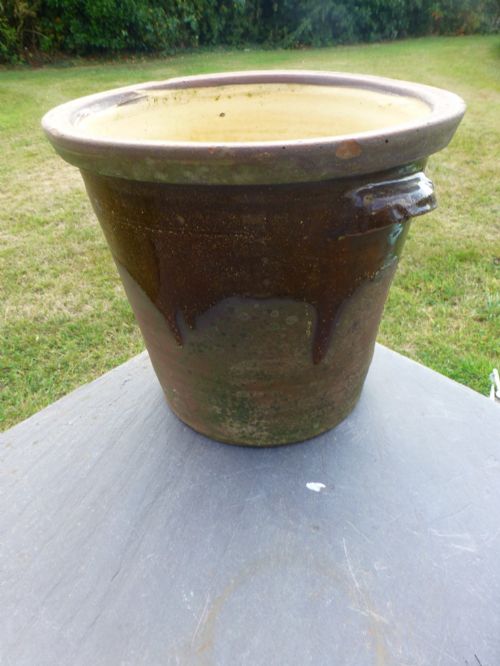
Forms vary from large oil jars and amphorae to utilitarian dairy salting crocks repurposed for planting. Buyers most frequently discover 19th-century salt-glazed stoneware troughs and terracotta vessels among the available stock.
Materials and construction methods
Makers utilised resilient materials capable of withstanding outdoor conditions, predominantly terracotta, salt-glazed stoneware, and cast iron. Terracotta and earthenware vessels were shaped from clay and fired, while salt-glazed pieces received a salt application during kiln firing to produce a durable, vitreous finish in mottled brown hues.
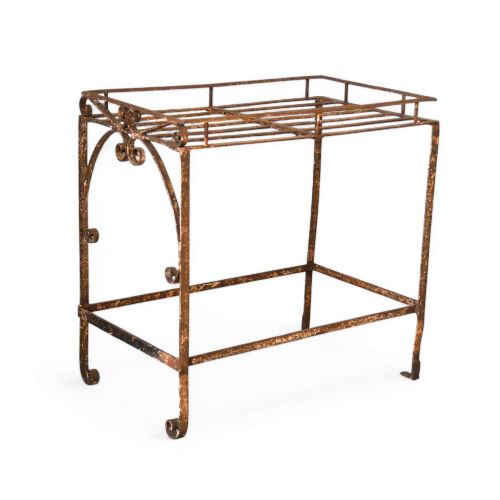
Metal planters rely on heavy cast iron or wrought iron construction, sometimes featuring foundry marks or estate-made joinery. Wooden pieces such as well buckets employ traditional cooperage techniques with iron bands securing staves of oak.
Brown Garden Planters Retail Price Guide 2026
Typical asking prices for brown garden planters among the pieces listed under this phrase on Sellingantiques today, from the lower quarter to the upper quarter. They describe what is for sale here now, not the wider market.
Listings feature brown garden planters spanning the 17th, 18th, and 19th centuries, alongside early 20th-century examples.
Assessing quality in antique planters
Quality rests in the integrity of the material, the crispness of moulded or cast detail, and the depth of natural weathering. Superior terracotta and stoneware display even firing with rich tonal variation, while metal pieces retain structural weight and clear foundry casting without excessive degradation.
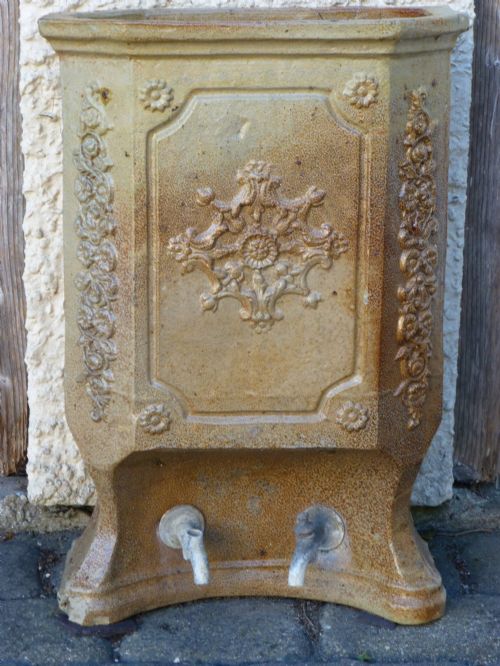
Provenance and maker attribution elevate certain works, such as pieces bearing identifiable foundry stamps or originating from specific regional workshops. The balance of proportion and the harmonious integration of decorative elements, whether naturalistic faux bois or classical motifs, define the finer examples.
Guichard Carriès·Val D'Osne Foundry
The Brown Garden Planters Glossary
- Salt-glazed stoneware
- Pottery fired at high temperatures with salt introduced to the kiln, creating a dense, impermeable surface with an orange-peel texture. This finish protects the clay body from frost damage.
- Faux bois
- A style mimicking wood grain or tree branches, executed in concrete, terracotta, or stoneware. This technique gained popularity during the Victorian period for garden ornaments.
- Terracotta
- Unglazed or glazed fired clay ranging in colour from pale buff to deep reddish-brown. Porous terracotta allows air and moisture to reach plant roots.
- Amphora
- A two-handled jar with a narrow neck used historically for storage and transport. These Mediterranean vessels translate well into garden settings as large decorative focal points.
- Jardiniere
- An ornamental pot or stand designed to hold growing plants or flowers. They appear in ceramic, metal, and stone across various nineteenth-century styles.
Brown Garden Planters: Frequently Asked Questions
How do I protect antique planters from frost?
Porous materials like terracotta and earthenware absorb moisture that expands upon freezing, leading to cracking. Move these vessels indoors or under cover during harsh winter months.
Stoneware and cast iron withstand lower temperatures better, but elevating any planter on pot feet prevents water from becoming trapped at the base.
Can iron planters be left outside permanently?
Cast and wrought iron vessels handle outdoor placement well, provided their surfaces receive proper maintenance. Over time, exposed iron develops a stable layer of rust that many collectors value as part of the patina.
Applying protective oils or waxes can halt active corrosion if a more uniform dark finish is preferred for the garden.
What plants suit salt-glazed troughs best?
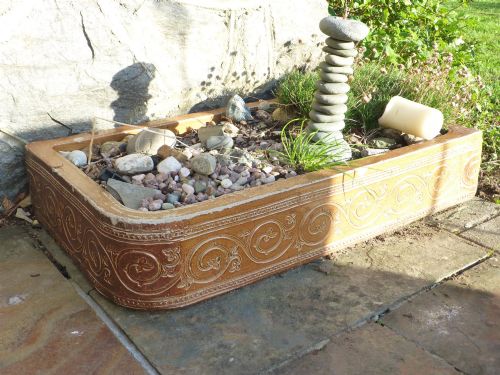
Salt-glazed troughs provide a stable, moisture-retaining environment suitable for alpine plants, dwarf conifers, and cascading perennials. Their long, rectangular proportions accommodate linear arrangements.
Ensure adequate drainage through existing base holes by adding a layer of gravel before filling the vessel with a suitable compost mix.
How do I date a terracotta garden jar?
Dating relies on examining tool marks, clay composition, and the character of the surface weathering. Earlier pieces often display hand-thrown irregularities, whereas later nineteenth-century examples utilise commercial moulding techniques.
Consulting historical forms and comparing the specific shade of the clay body against documented examples helps narrow down the period.