
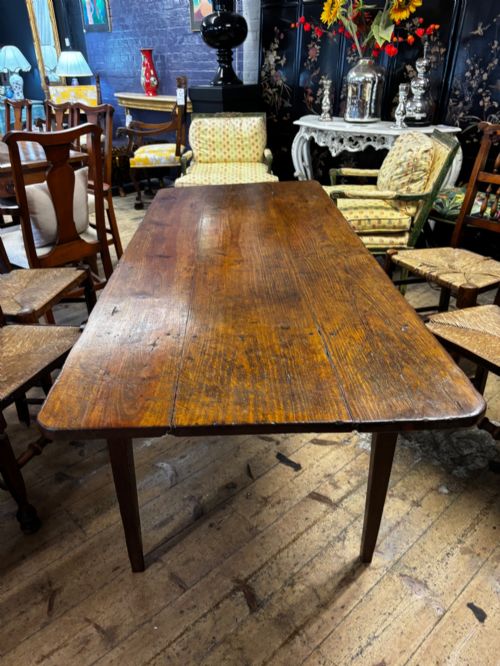
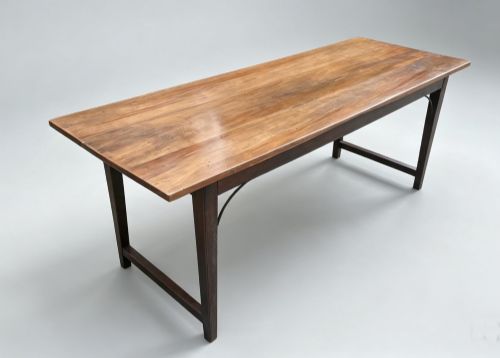
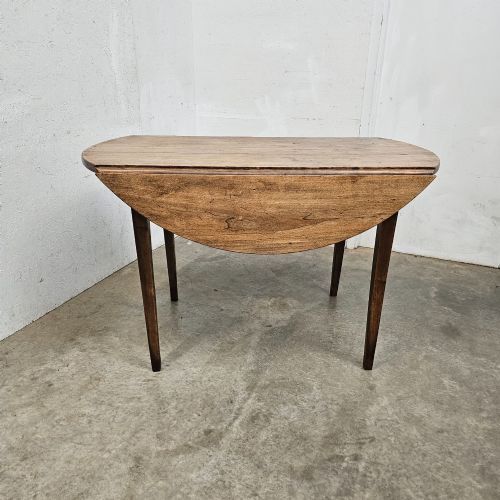
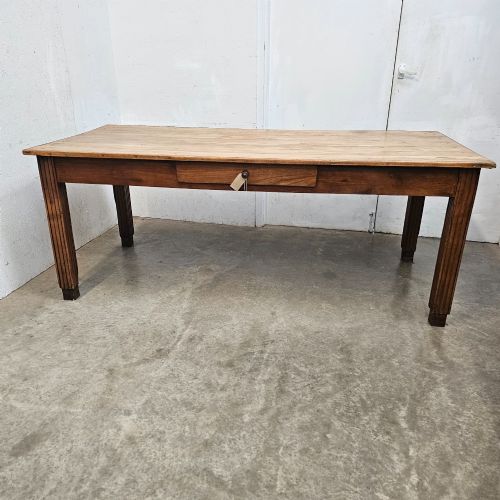
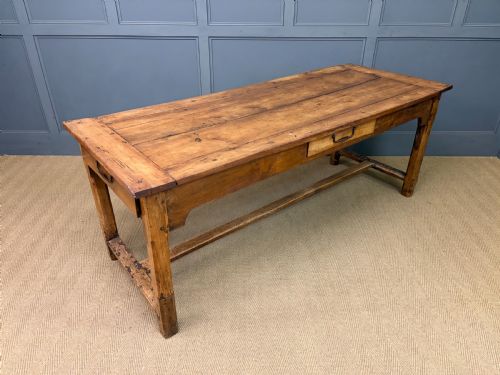
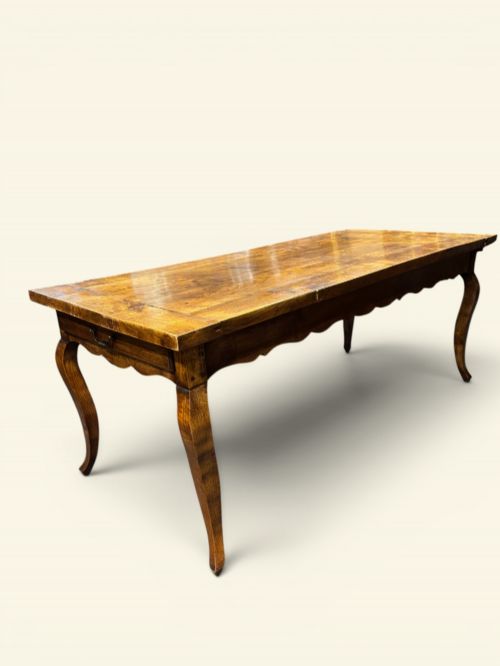
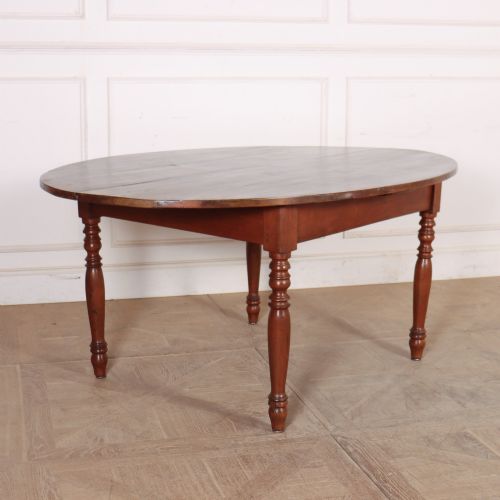
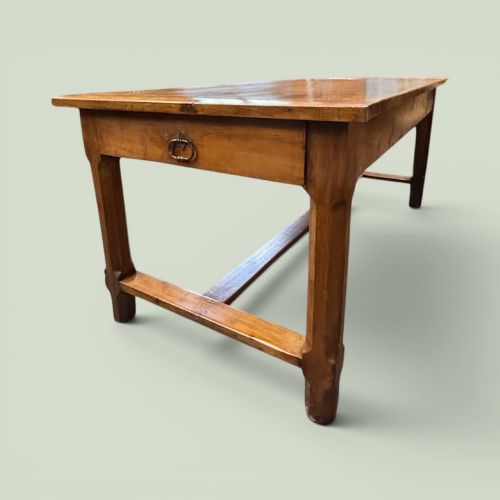
Brown Fruitwood Dining Table
A brown fruitwood dining table offers domestic warmth and provincial character, grounding a room with a rich, patinated surface shaped by daily family life.
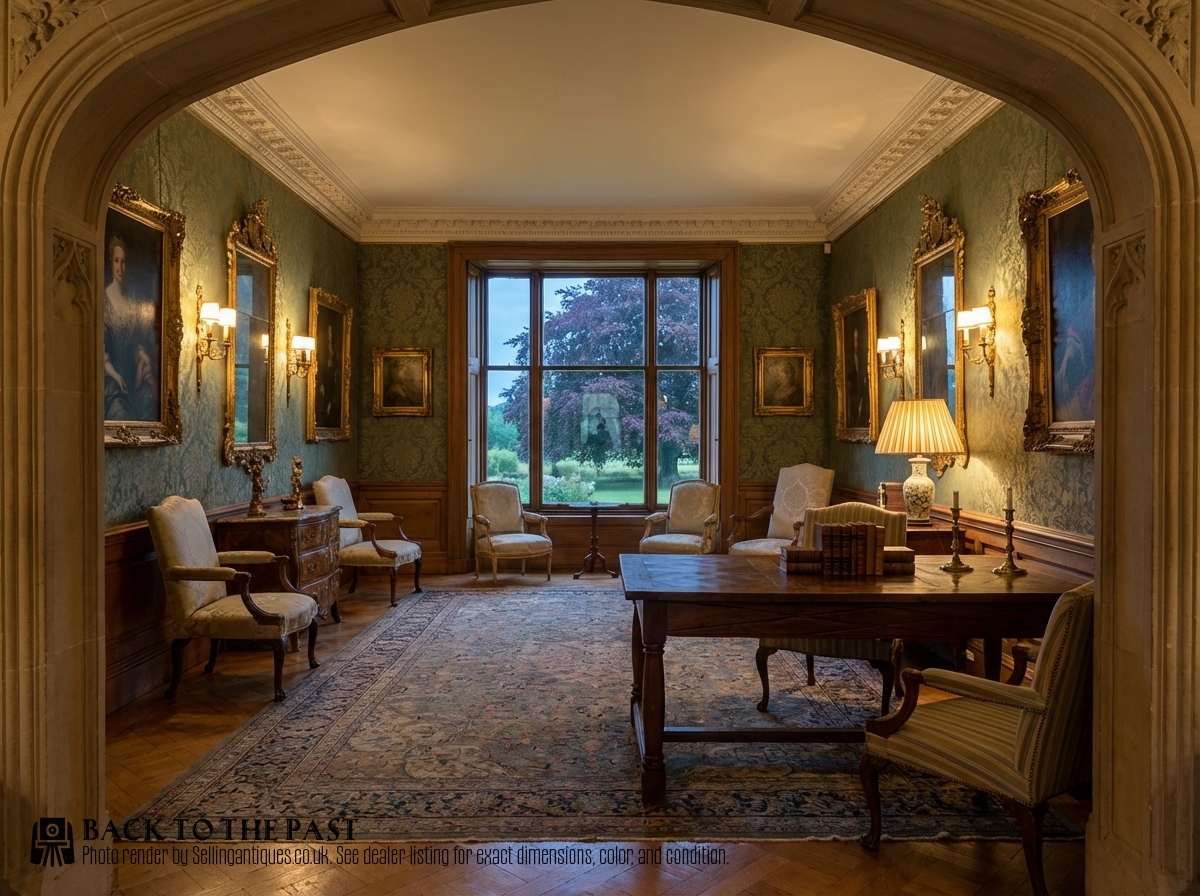
Brown Fruitwood Dining Table
A brown fruitwood dining table brings a vernacular charm to interior spaces, drawing on regional European traditions of utility and craft. When searching for a brown fruitwood dining table, buyers primarily encounter pieces rooted in nineteenth-century provincial workshops and country kitchens.
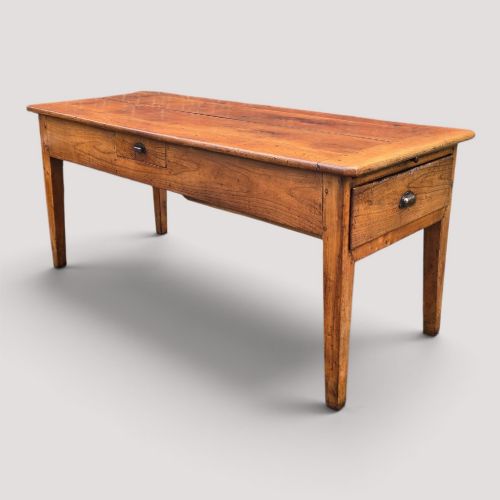
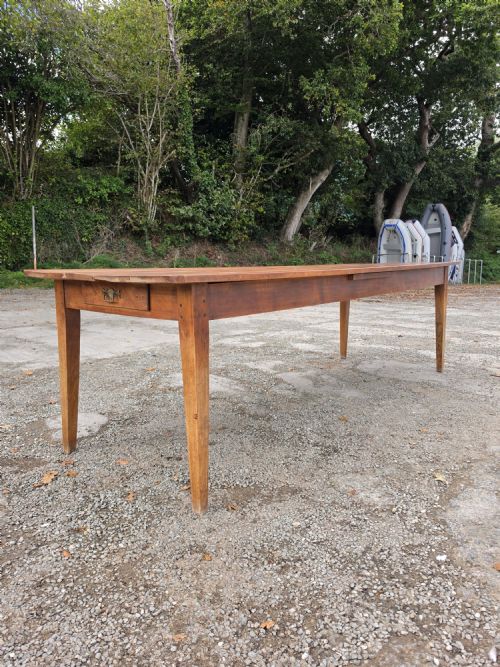
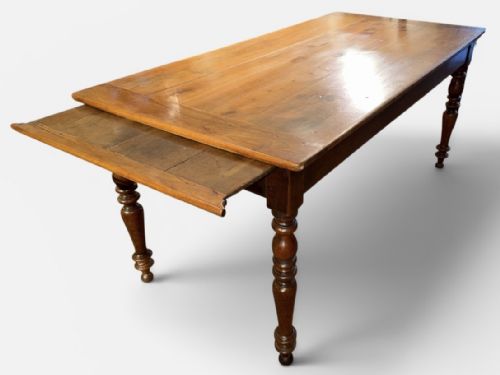
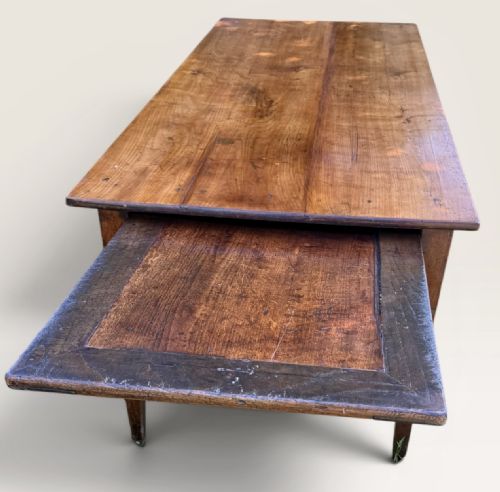
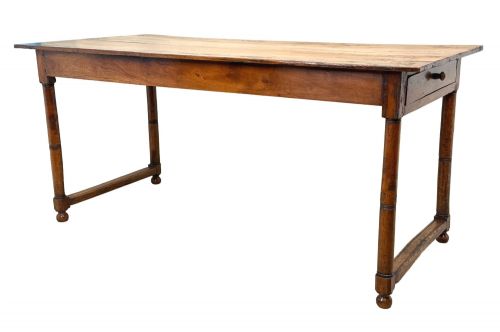
The selections span functional forms designed for gathering, including farmhouse refectory formats, drop-leaf configurations, and extending tables equipped with clever mechanisms like draw leaves or bread slides. Many examples originate from French provincial contexts, reflecting utilitarian needs through sturdy proportions and unpretentious timber surfaces.
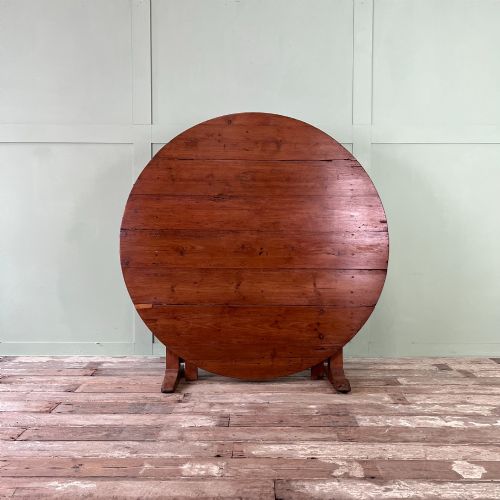
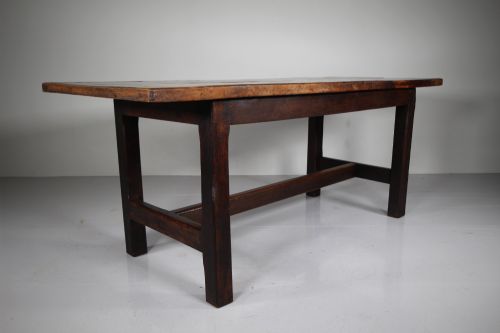
Beyond standard dining formats, specialised designs such as round vendange wine-tasting tables and trestle tables appear within the nineteenth-century material. These variations emphasise practical versatility, often pairing fruitwood with complementary secondary timbers like oak, pine, or cherry wood.
Evaluating quality and proportion
Quality rests in the depth of the timber's patina and the integrity of the original construction, where timber choice and wear reveal decades of honest service. Superior examples maintain balanced proportions, particularly in extending and draw-leaf variants where the mechanism operates smoothly within the wooden frame.
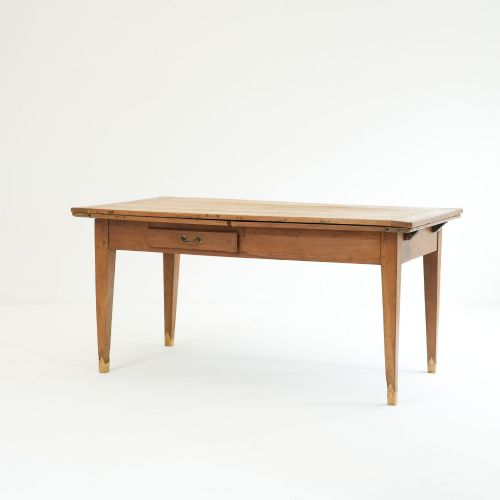
The distinction between standard utility pieces and finer workshop output lies in the crispness of the joinery and the selection of figured fruitwood veneers or parquetry panels. Tables retaining original working elements, such as drawers and bread slides, demonstrate a higher degree of preserved historical utility.
Listings feature nineteenth-century French provincial forms, incorporating fruitwood, cherry wood, oak, and pine across farmhouse, refectory, and drop-leaf designs.
The Brown Fruitwood Dining Table Glossary
- Fruitwood
- Timber derived from orchard trees such as apple, pear, or cherry, known for a warm tone and fine grain. It develops a rich patina through handling and age.
- Refectory table
- A long, narrow dining table historically used in communal dining halls. Provincial versions adapt this format for domestic farmhouse kitchens.
- Bread slide
- A pull-out wooden shelf positioned beneath the table top. It provided extra workspace or a surface to cool loaves in traditional kitchens.
- Parquetry
- Geometric patterns formed from inlaid wood pieces fitted together on a surface. This technique decorated table tops with contrasting wood tones.
- Vendange table
- A round table associated with wine harvests in France, often featuring a tilt-top mechanism for compact storage. These served practical roles during seasonal gatherings.
Brown Fruitwood Dining Table: Frequently Asked Questions
What is a fruitwood dining table?
A fruitwood dining table is a domestic surface constructed from orchard timbers such as apple, pear, or cherry wood. These tables typically emerge from nineteenth-century provincial traditions, emphasising utility and warm patination.
They serve as everyday dining surfaces that bring rustic character to modern and traditional interiors alike. Their construction reflects regional European cabinet-making methods.
How do extending mechanisms work on these tables?
Extending formats on nineteenth-century tables often rely on draw leaves, refectory extensions, or internal sliding frames. These mechanisms allow the surface area to increase smoothly for larger gatherings.
Craftsmen engineered these moving parts to operate within the wooden apron of the table. Regular use relies on the stability of the primary fruitwood or secondary oak framing.
Where were these tables made?
The majority of these tables originate from regional provincial workshops in France, dating predominantly from the nineteenth century. Rural cabinet-makers built them to serve the practical needs of farmhouses and country kitchens.
Regional variations reflect local timber availability and domestic customs. This heritage accounts for the diverse forms, including drop-leaf and wine-tasting variants.
How do I care for a fruitwood surface?
Maintaining a fruitwood surface involves regular dusting with a soft cloth and avoiding excessive moisture or direct heat sources. Natural wax can be applied periodically to nourish the historic timber and preserve its patina.
Gentle care ensures the wood continues to reflect its age and handling history. Harsh chemical cleaners should be avoided to protect the finish.