

Brown French Pot
A brown french pot brings rustic utility and earthen warmth into a room, offering practical storage or planting space with continental character.
Brown French Pot
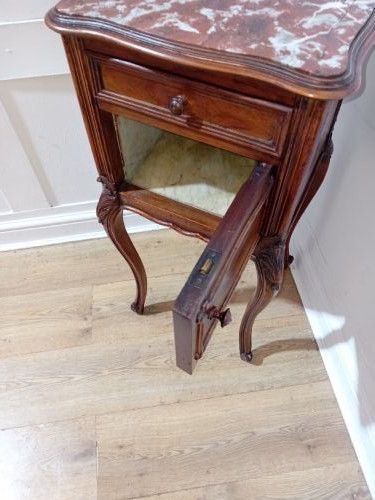
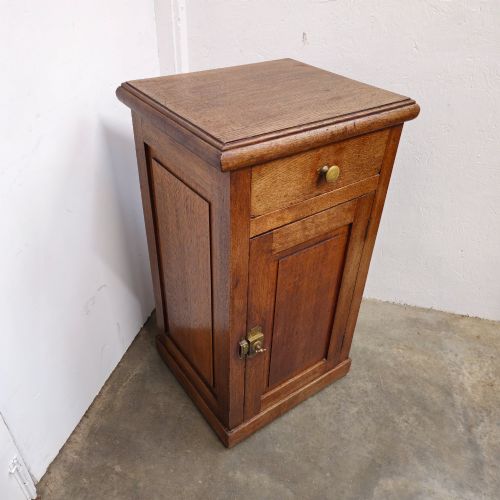
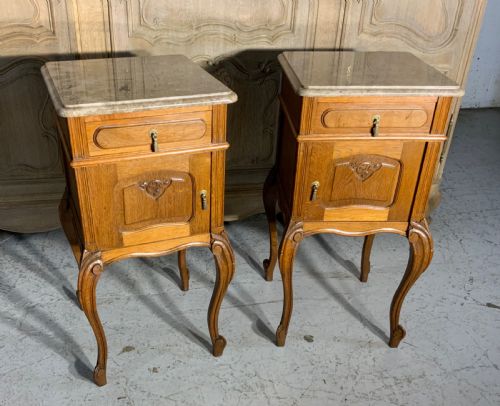
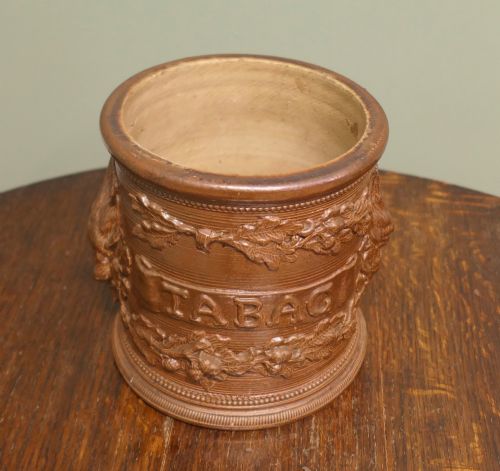
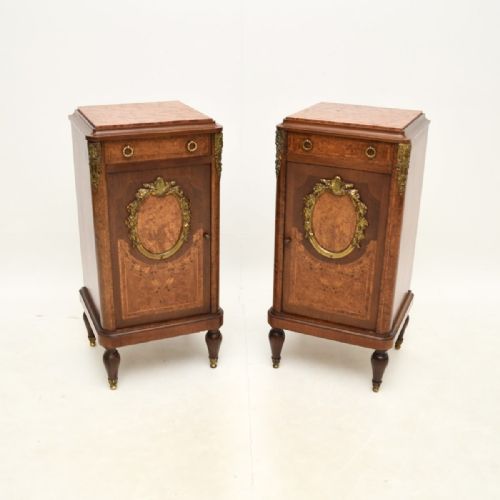
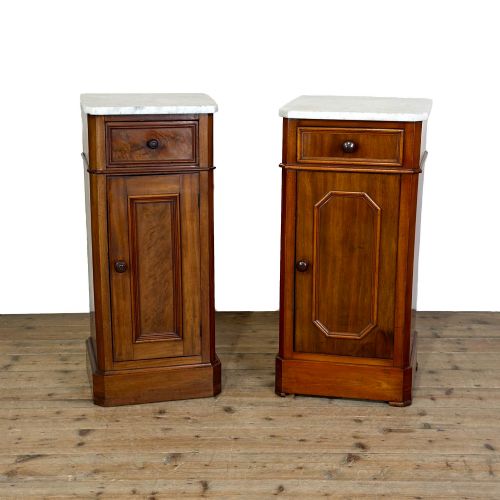
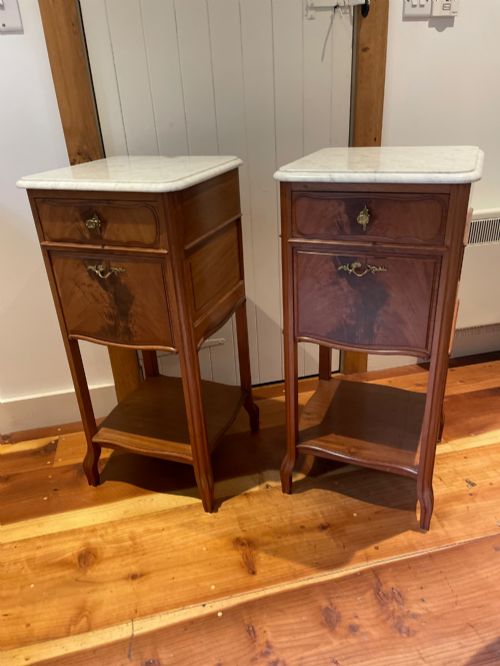
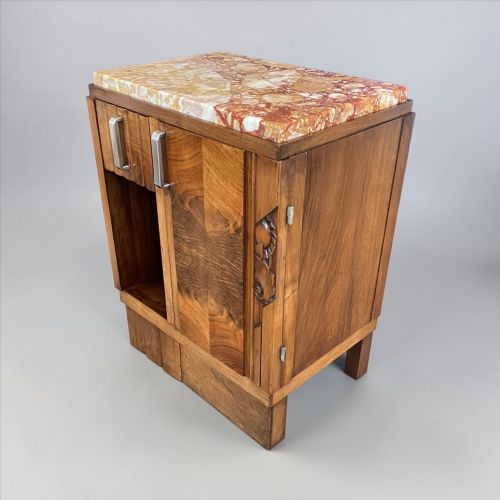
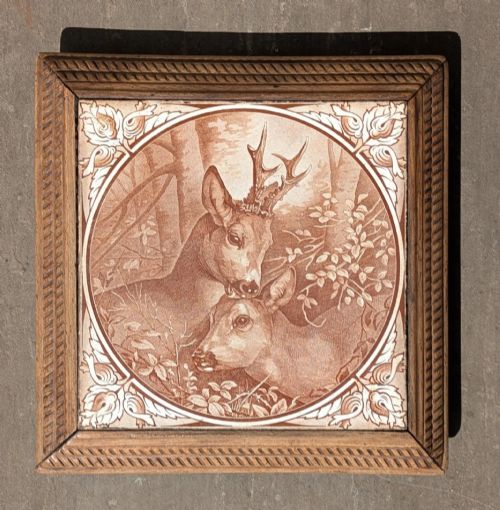
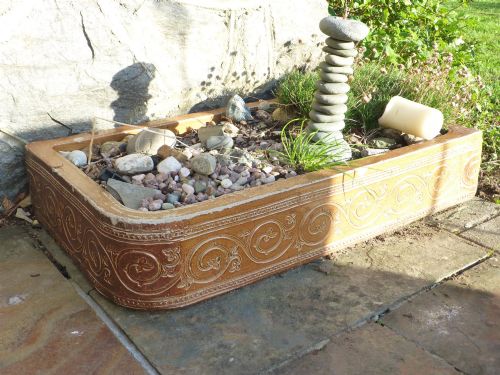
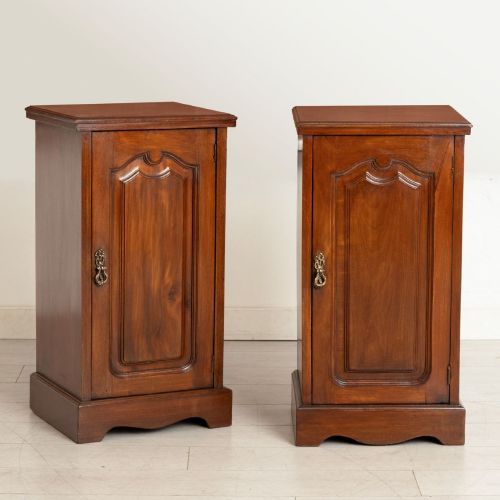
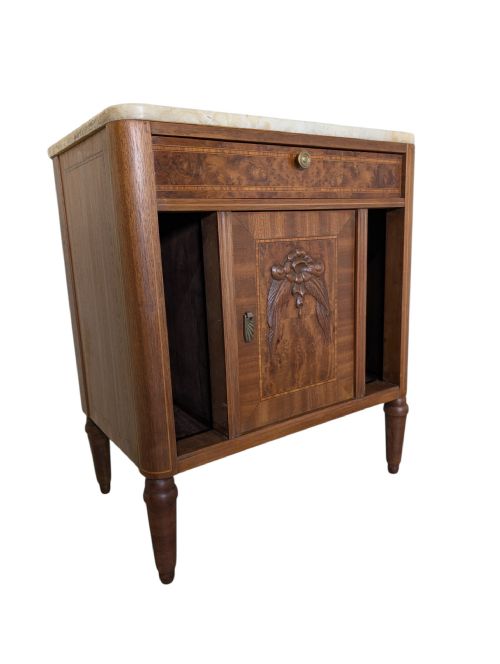
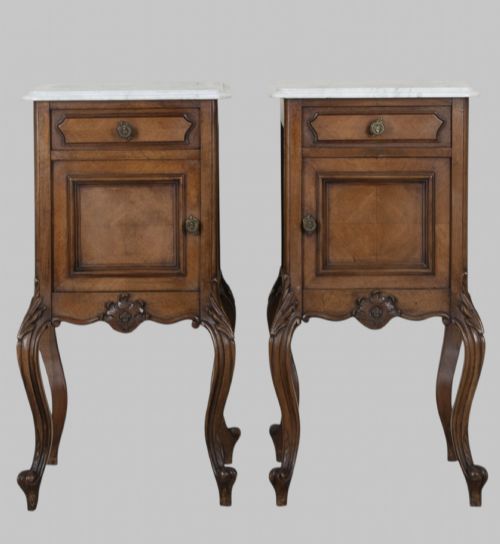
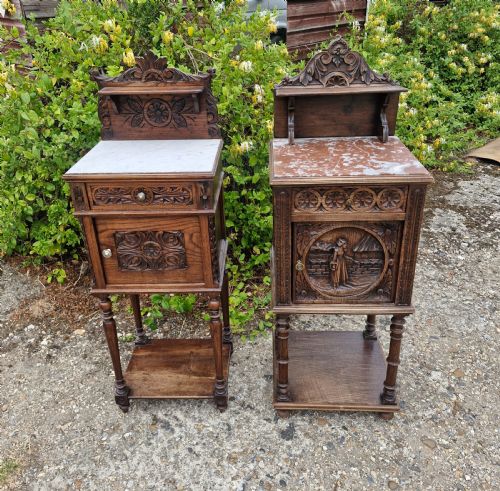
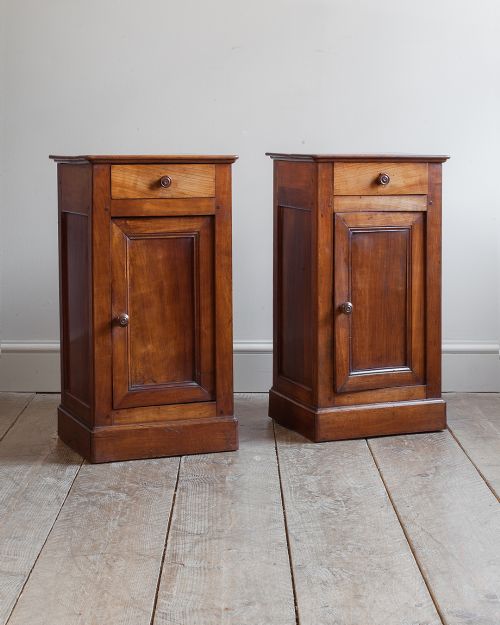
A brown french pot covers a practical range of earthen vessels, garden planters, and bedside cabinets that bring continental utility into domestic spaces. When looking for a brown french pot, buyers frequently encounter earthenware oil jars, salt-glazed window troughs, and walnut or mahogany bedside cupboards.
The pieces span periods from the eighteenth century through the Art Deco era, reflecting regional French provincial and classical styles. Walnut, oak, and cherrywood dominate the furniture forms, while terracotta and earthenware define the utilitarian vessels.
Materials and Technique
Cabinetmakers utilised dense hardwoods such as walnut, mahogany, and oak, often incorporating marble tops and intricate carved details. Earthenware and salt-glazed pieces relied on traditional throwing and moulding techniques suited for holding oil or supporting plants.
Joinery techniques ranged from simple panel construction in nineteenth-century cupboards to detailed inlay work and barley twist turnings. Planters employed specialised firing methods, including faux bois moulding and salt glazing, to withstand outdoor elements.
Brown French Pot Retail Price Guide 2026
Typical asking prices for brown french pot among the pieces listed under this phrase on Sellingantiques today, from the lower quarter to the upper quarter. They describe what is for sale here now, not the wider market.
Listings feature eighteenth-century earthenware oil jars alongside nineteenth-century walnut bedside cabinets and carved oak cupboards.
Markers of Excellence
Quality rests in the integrity of the timber, the crispness of carved mouldings, and the original pairing of stone elements like marble tops. Superior items display well-figured burr walnut or satinwood veneers alongside robust internal joinery.
For ceramic and terracotta items, the depth of the salt glaze and the preservation of moulded surface details distinguish finer horticultural vessels from standard utilitarian ware.
Guichard Carriès
The Brown French Pot Glossary
- Pot cupboard
- A small bedside cabinet originally designed to house a chamber pot behind a single door or cupboard front. These compact pieces evolved into standard nightstands with marble or wood surfaces.
- Salt glaze
- A glassy, brownish finish applied to stoneware by throwing common salt into the kiln during high-temperature firing. This process creates a textured surface that resists moisture.
- Faux bois
- A decorative technique where artisans shape concrete or earthenware to imitate natural wood grain. This style gained popularity for garden planters and rustic outdoor ornaments.
- Tambour front
- A flexible door constructed from narrow vertical strips of wood glued to a canvas backing. It slides smoothly along tracks to enclose the cabinet interior.
Brown French Pot: Frequently Asked Questions
What is a brown french pot used for?
These items serve primarily as bedside storage cabinets or as horticultural containers like oil jars and window troughs. They combine decorative appeal with everyday utility in bedrooms and gardens.
Earthenware versions suit planting and display, while wooden cabinets provide enclosed bedside space for nighttime essentials.
How do I date a wooden bedside cabinet?
Dating relies on timber selection, hardware, and stylistic cues such as barley twist turnings or Art Deco geometric lines. Mahogany and walnut pieces from the nineteenth century often feature hand-cut dovetails and marble inserts.
Later pieces from the early twentieth century transition toward simpler oak construction and streamlined profiles.
Are marble tops original to these cabinets?
Many nineteenth-century French bedside cabinets were manufactured specifically with inset marble slabs to provide a durable, water-resistant surface. These stone tops match the recessed wells of the cabinet frames.
Inspect the seating of the marble to ensure it sits flush within the wooden moulding.
How do I care for antique earthenware pots?
Unglazed terracotta and earthenware require protection from severe frost if kept outdoors during winter months. Indoor placement prevents moisture retention and potential surface flaking.
Dust gently and avoid harsh chemical cleaners to preserve the natural patina of the clay.