





Brown Footstool
A brown footstool brings low seating and rich timber tones into a room, spanning centuries of cabinet-making traditions from simple jointed oak to carved walnut.
Brown Footstool
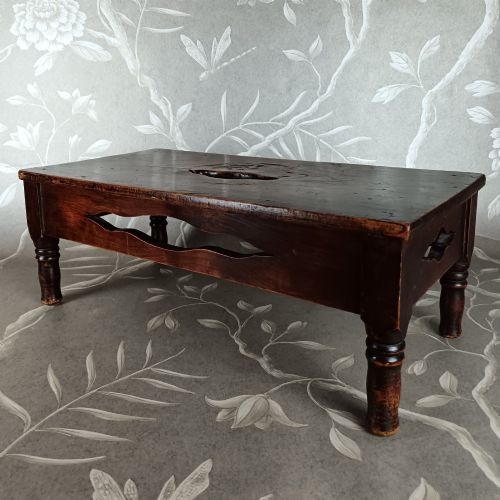
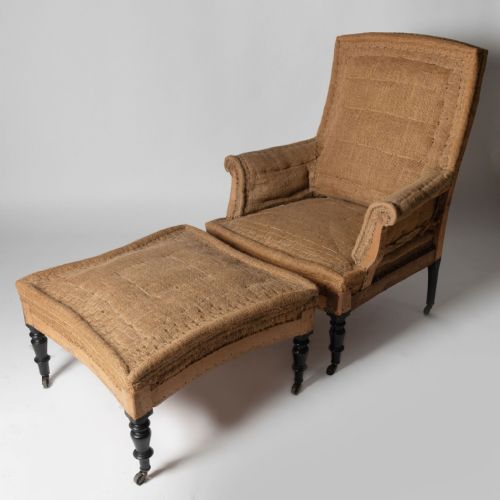
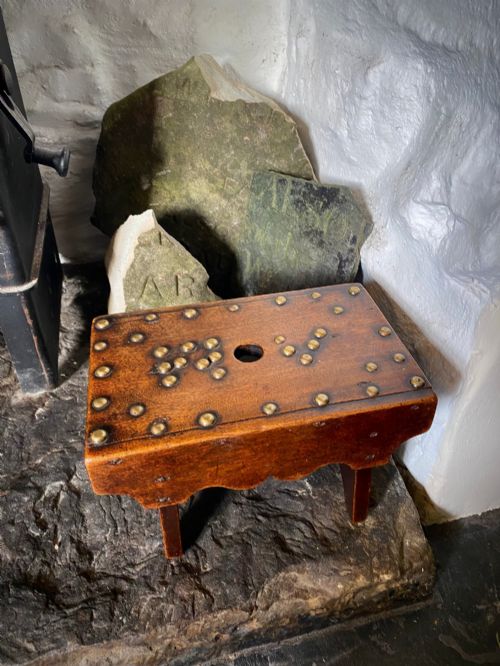
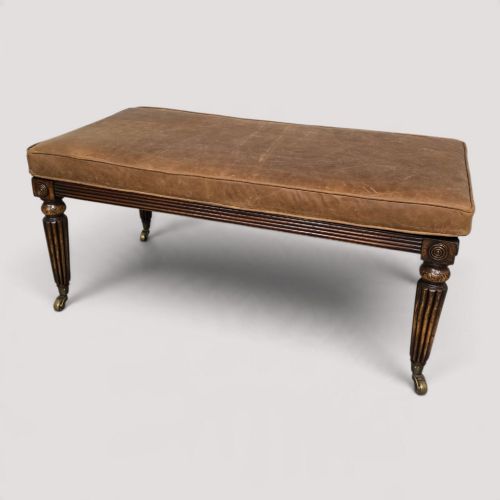
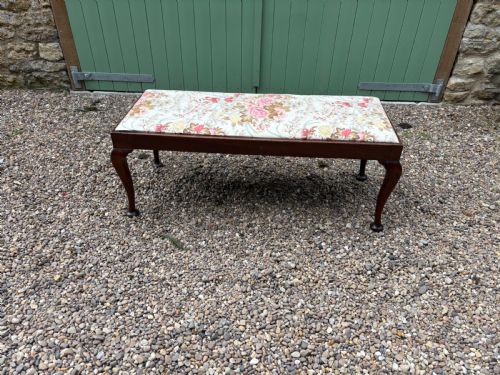
A brown footstool covers a diverse group of low seating forms, including joint stools, dressing stools, and upholstered foot rests designed for comfort and utility.
The brown footstool appears frequently in solid timber varieties such as oak, mahogany, and walnut, reflecting the natural grain of these traditional materials.
Examples range from early seventeenth-century joined construction to twentieth-century leather upholstery, showing how domestic seating evolved across different periods.
How they were made
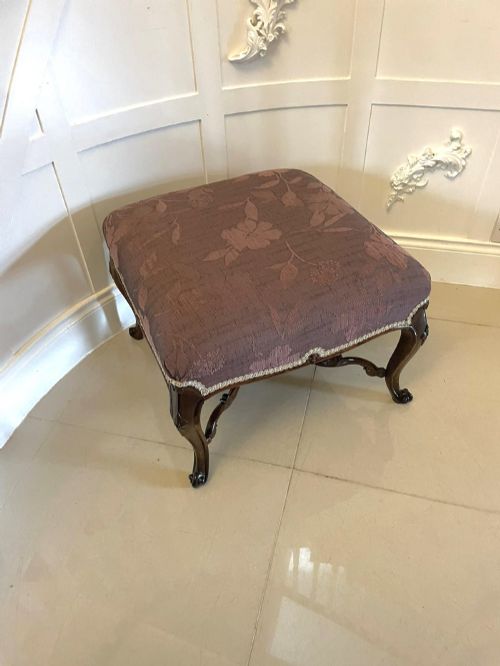
Cabinet-makers relied on hardwoods like oak, walnut, and mahogany, often shaping them with pegged joints, cabriole legs, or turned supports depending on the period.
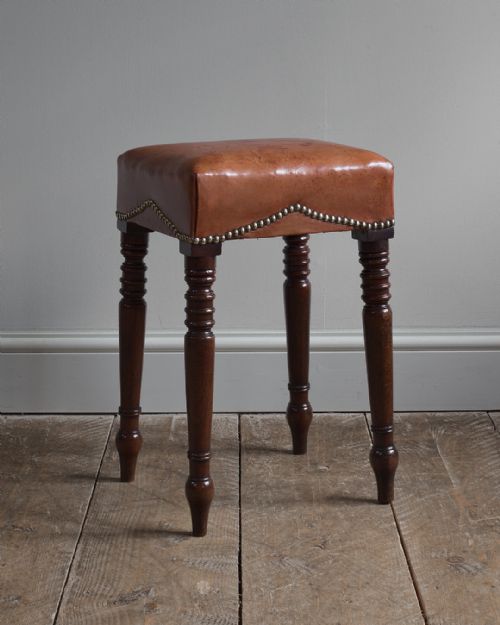
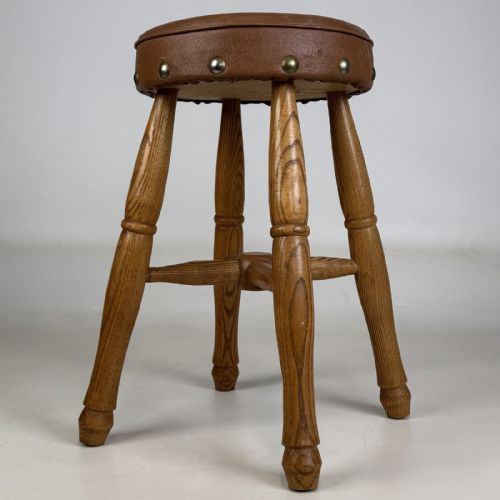
Upholstered variants incorporate leather, fabric, or tapestry secured with brass studs over firm padding to create supportive surfaces for resting the feet.
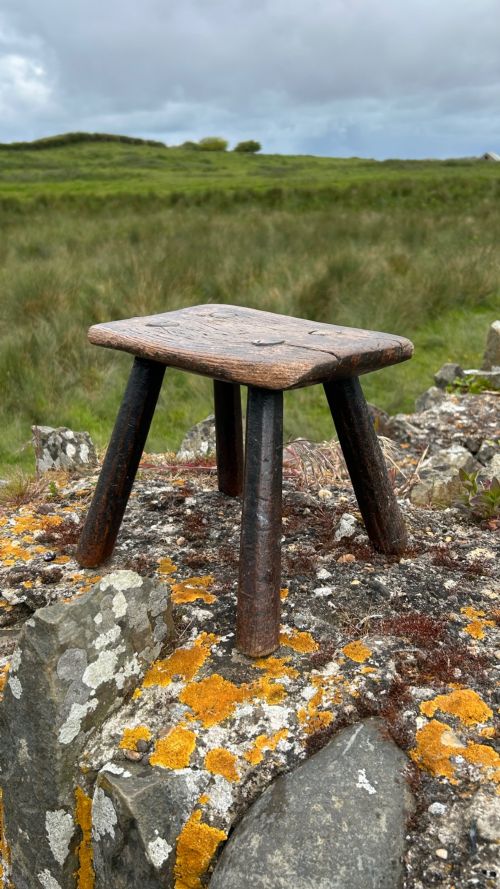
Vernacular pieces utilise simpler local timbers like elm, sycamore, and ash, employing Windsor framing and pegged construction for sturdy everyday use.
Brown Footstool Retail Price Guide 2026
Typical asking prices for brown footstool among the pieces listed under this phrase on Sellingantiques today, from the lower quarter to the upper quarter. They describe what is for sale here now, not the wider market.
Certain twentieth-century leather elephant stools provide sturdy seating while faithfully mimicking pachyderm hides down to the wrinkled skin.
What varies in quality
The integrity of the timber framing and the crispness of any carved detailing dictate the standing of an individual piece within its period.
Original surface patination, whether the deep warmth of aged oak or the supple grain of hand-dyed leather, separates honest examples from heavily restored ones.
Arthur Simpson Of Kendal·Liberty
The Brown Footstool Glossary
- Joint stool
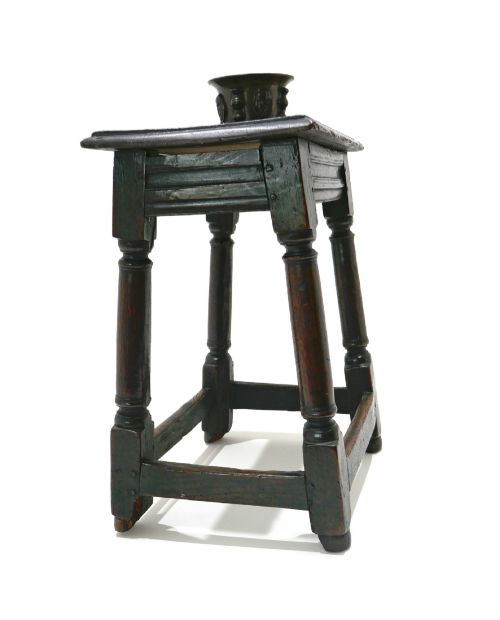
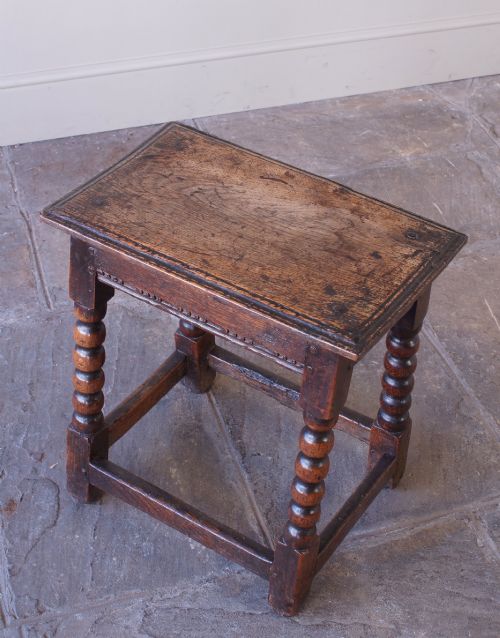
- An early form of wooden stool constructed with mortise and tenon joints, pegged together securely rather than glued. These sturdy items served multiple domestic purposes.
- Cabriole leg
- A furniture leg that curves outward at the knee and tapers inward toward the foot, inspired by animal limbs. This design is common on eighteenth-century walnut and mahogany forms.
- Cross stretcher
- Wooden rails connecting the legs near the base in an X-shape to provide extra rigidity and support. They appear frequently on dressing table stools and formal seating.
- Brass studded
- Upholstery secured around the edges with individual metal tacks, adding a decorative border to leather or fabric seats.
Brown Footstool: Frequently Asked Questions
What distinguishes a joint stool?
A joint stool relies on pegged mortise and tenon joinery rather than metal fixings or modern glues. This technique produced rigid frames capable of withstanding heavy daily use in early households.
Such pieces date primarily from the seventeenth and eighteenth centuries, often fashioned from solid oak with rectangular tops and turned or straight supports.
Where should I place a leather footstool?
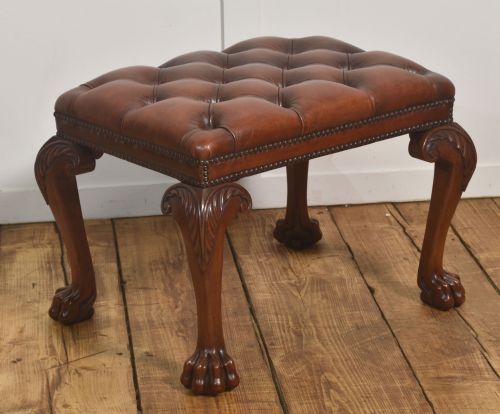
A leather footstool works well beside armchairs or sofas where resting the feet is the primary function. The durable material handles everyday wear while contributing warm brown tones to the interior scheme.
Buttoned or plain leather surfaces also complement studies and libraries, echoing the finishes found on traditional club seating and writing desks.
How do I identify a Georgian style stool?
Georgian style stools typically feature mahogany or walnut frames with stylistic cues like cabriole legs, pad feet, or carved rails. Proportions remain balanced and classical, reflecting eighteenth-century design principles.
Later Victorian and twentieth-century workshops frequently revived these forms, so inspecting the timber maturity helps determine the actual age of the construction.
Can I use an antique stool for seating?
Most antique stools retain solid structural integrity and support regular sitting when the joinery remains sound. Taller dressing stools and sturdy joint stools suit vanity tables or occasional seating needs.
Upholstered footrests and low hearth stools provide comfortable heights for resting feet rather than prolonged seating, though their frames remain robust.