



Brown Elm Dresser
A brown elm dresser brings warmth and strong grain to a room, offering practical storage through centuries of provincial and country craftsmanship.
Brown Elm Dresser
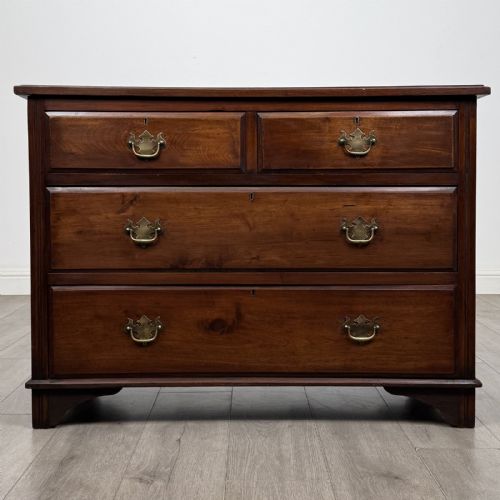
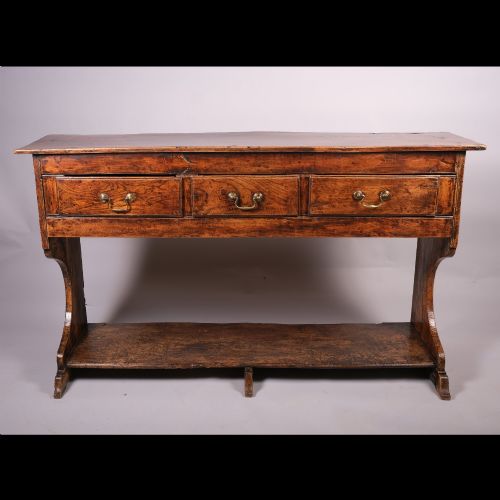
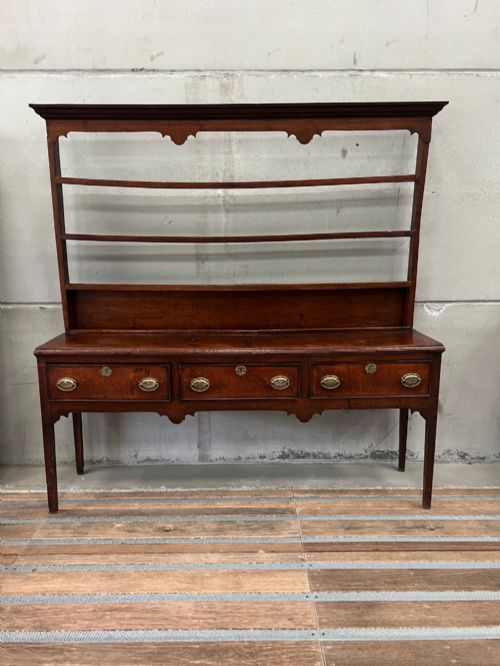
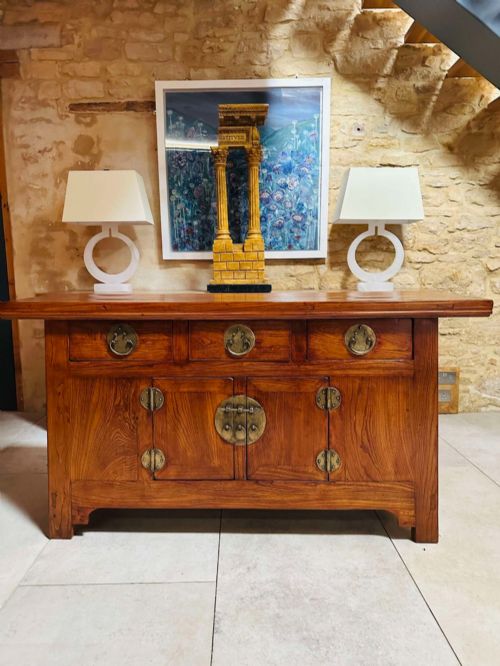
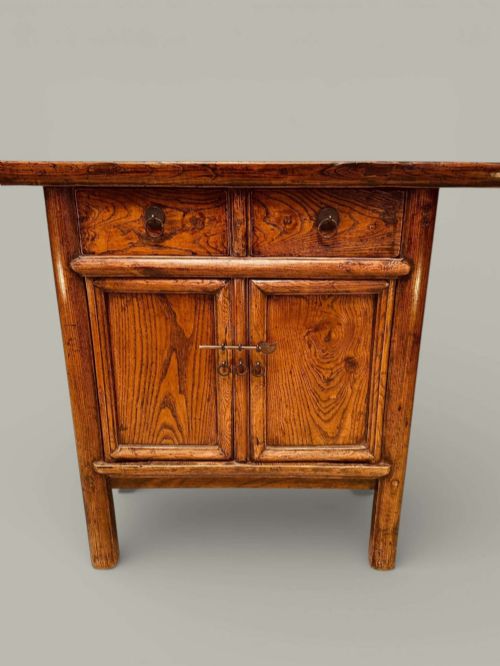
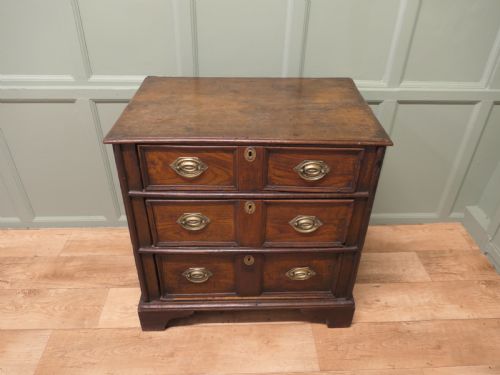
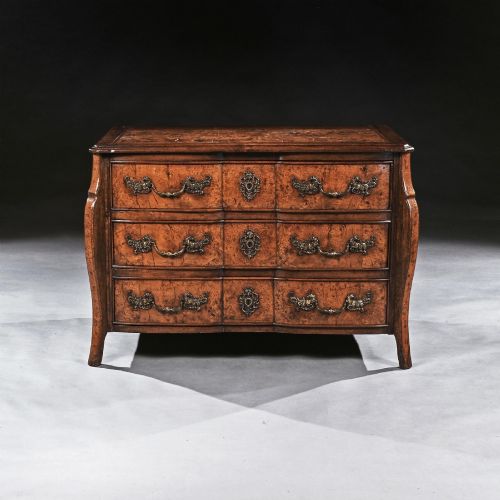
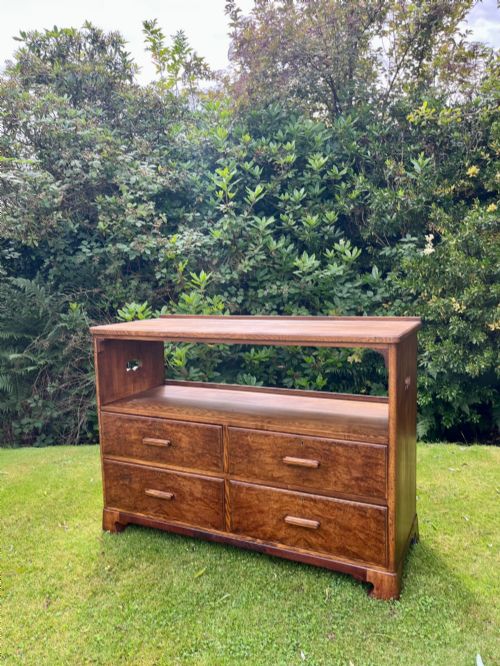
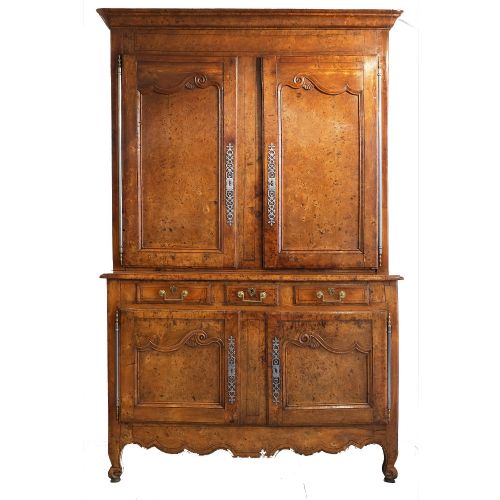
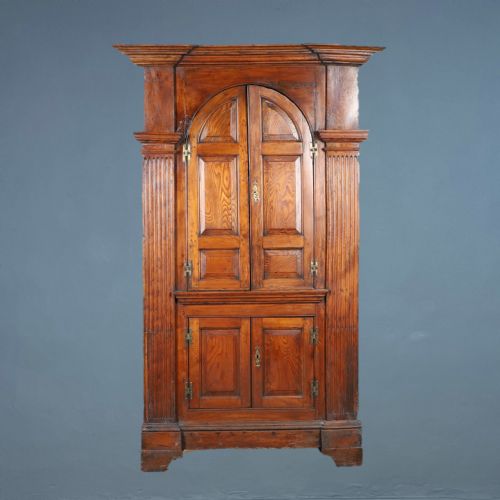
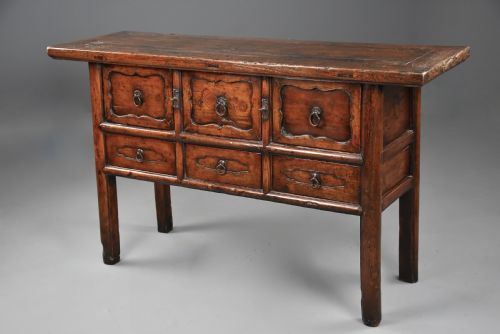
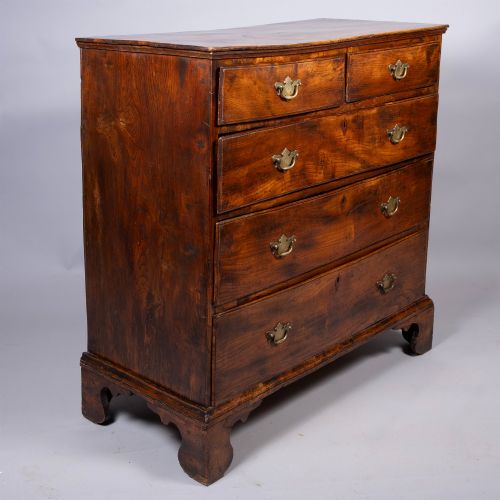
A brown elm dresser sits within a diverse group of domestic timber furniture, including dresser bases, sideboards, chests of drawers, and court cupboards spanning the eighteenth and nineteenth centuries. You meet pieces originating from English country workshops alongside Dutch, French provincial, and Chinese provincial makers.
The brown elm dresser you encounter most frequently on this page combines a sturdy framework with the characteristic interlocking grain of elm, often paired with oak or ash secondary timbers. These forms range from simple farmhouse bases to sophisticated Queen Anne and Louis XV provincial interpretations with cabriole legs.
How they were made
Cabinet makers utilised solid elm, burr elm, and figured elm for primary surfaces, exploiting the timber's tough, twisting grain to resist splitting under heavy domestic use. Secondary structural elements often incorporate oak, ash, and iron or brass hardware such as drop handles and escutcheons.
Construction techniques include traditional mortise and tenon joinery, dovetailing on drawer construction, and occasional decorative marquetry or shaped fronts. Surfaces frequently display a deep natural patina developed through centuries of wax polishing and handling.
Brown Elm Dresser Retail Price Guide 2026
Typical asking prices for brown elm dresser among the pieces listed under this phrase on Sellingantiques today, from the lower quarter to the upper quarter. They describe what is for sale here now, not the wider market.
Some Chinese provincial dressers utilise locust wood elm variety.
What varies in quality
Quality separates through the selection and figure of the timber, distinguishing plain boards from highly figured burr or figured elm surfaces with dramatic grain movement. The sophistication of the form, from simple rustic utility pieces to refined architectural standing corner cupboards or provincial commodes, dictates the level of design ambition.
The integrity of original construction, surface patina, and surviving period hardware heavily influence the character of each piece. Maker attribution, such as documented work by specific design houses, further distinguishes individual examples.
Whytock and Reid·Augustus Pugin
The Brown Elm Dresser Glossary
- Burr elm
- A growth deformity in the elm tree that produces highly figured, swirling wood grain patterns prized for decorative cabinet fronts. Cabinet makers select these sections to create dramatic visual texture on drawer panels and tabletops.
- Dresser base
- The lower section of a kitchen or dining dresser, typically featuring drawers above cupboards or an open pot board. This form functions independently as a sideboard or serving table in modern interiors.
- Cabriole leg
- A furniture leg featuring a double curve, bulging outward at the knee and tapering inward at the ankle, commonly ending in a pad or foot. This stylistic element appears frequently on Queen Anne and provincial furniture pieces.
- Deux corps
- A large, two-part cabinet consisting of an upper section set upon a deeper lower base, traditionally used for household storage. These imposing structures showcase regional European joinery traditions.
- Patina
- The surface sheen and darkening acquired by timber through age, light exposure, and regular polishing. A deep patina indicates long-term care and original surface preservation.
Brown Elm Dresser: Frequently Asked Questions
How do I style a brown elm dresser?
You can integrate a brown elm dresser into dining rooms, kitchens, or living spaces as a primary storage and display surface. The warm timber tones and visible grain pair effectively with both neutral walls and bolder traditional interiors.
Use the surface top and open shelving to display ceramics, glassware, or books while utilising the drawers and cupboards for concealed storage.
How do I tell periods apart?
Distinguishing periods involves examining construction methods, hardware types, and stylistic vocabulary such as cabriole legs, architectural cornices, or marquetry details. Eighteenth-century pieces often display hand-cut dovetails and pegged joinery.
Later nineteenth-century examples may incorporate machine-sawn elements and different handle configurations while maintaining traditional elm construction.
Why is elm used in furniture?
Elm wood possesses interlocking grain fibres that make it exceptionally tough and resistant to splitting under heavy impact. This durability made it the preferred material for utilitarian items like seating, tables, and storage furniture.
Cabinet makers also valued elm for its rich brown colour and striking decorative figure when selected from burr growths.