



Brown Elm Chest
A brown elm chest brings the rich, undulating grain and sturdy utility of domestic timber straight into a room.
Brown Elm Chest
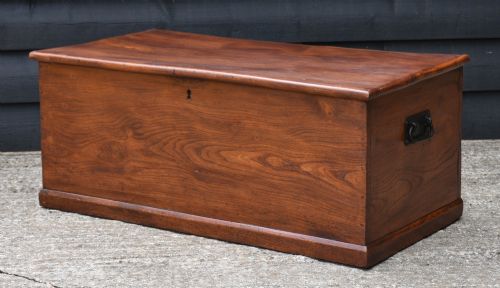
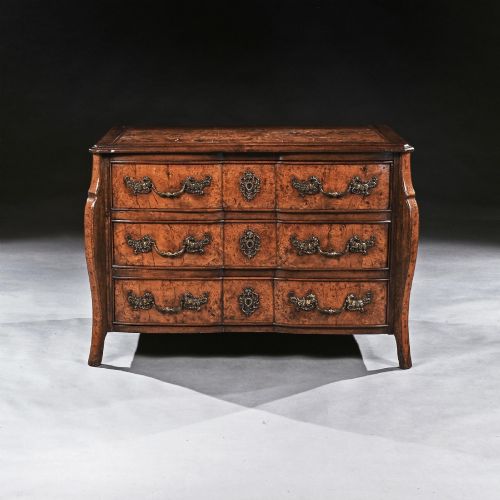
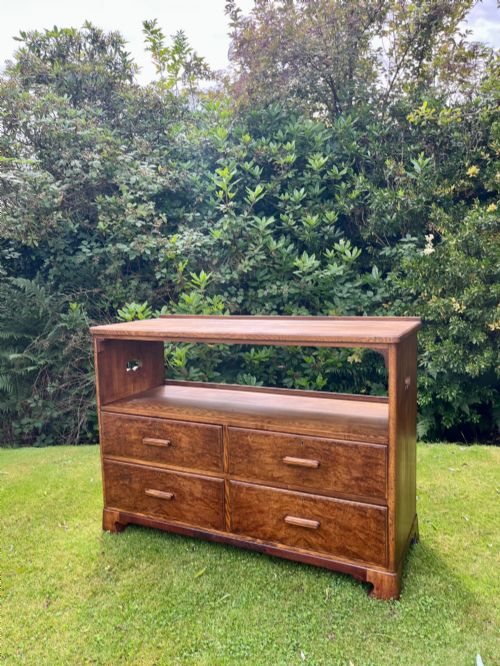
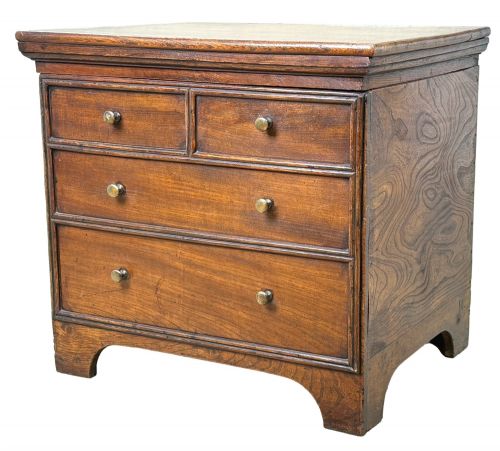
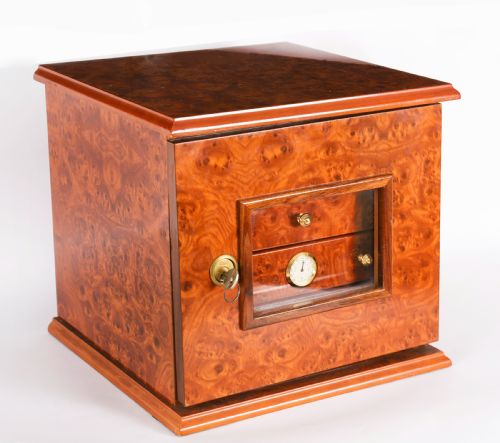
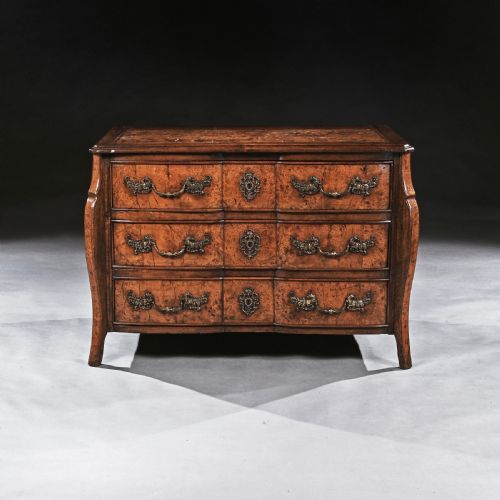
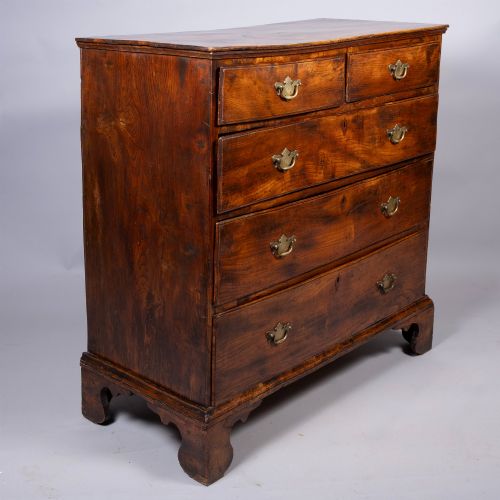
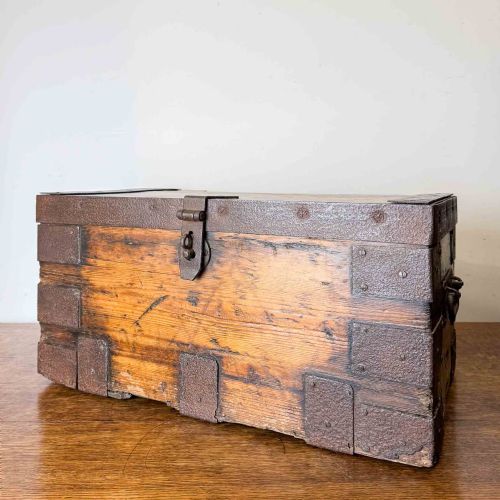
A brown elm chest encompasses diverse forms ranging from simple six-plank coffers and blanket boxes to multi-drawer chests, bureaux, and commodes. Buyers searching for a brown elm chest encounter regional pieces spanning the eighteenth and nineteenth centuries, alongside specific overseas examples.
The domestic versions on this page lean heavily towards Georgian country pieces, alongside French provincial styles and Dutch shaped-front designs. These function as practical storage furniture that doubles as a focal point due to the character of the wood.
Beyond standard blanket chests and drawer units, the selection includes specialised pieces such as cellarettes, dough bins, strongboxes, and small tabletop boxes. Each form utilises the tough, fibrous nature of elm to handle everyday domestic demands.
How they were made
Constructed primarily from solid elm or burr elm, these pieces often incorporate secondary timbers such as oak and pine for internal framing and drawer linings. The timber is chosen for its interlocking grain, which resists splitting under heavy use.
Metalwork plays a structural and decorative role, with makers applying iron straps, brass mounts, and iron hasps to secure lids and corners. Dovetail joints and pegged construction dominate the cabinet work on drawer units and coffers.
Several boxes double as miniature travel desks and close stools, proving that past generations packed their comforts very carefully indeed.
What varies in quality
Quality rests heavily on the selection of the timber, distinguishing plain straight-grained boards from highly figured burr elm with deep, swirling patterns. The skill of the original construction dictates how well the timber handles its natural tendency to warp over centuries.
Hardware and finishing details separate ordinary utilitarian boxes from finer cabinet pieces. Original brass handles, locks, and polished surfaces elevate a simple storage box into a piece of high craftsmanship.
Whytock and Reid
The Brown Elm Chest Glossary
- Burr Elm
- An excrescence on an elm tree where the grain has grown in a deformed manner, resulting in swirling patterns highly prized for veneer and small cabinets.
- Coffer
- A large rectangular chest with a hinged lid, traditionally used for storing valuables or household textiles before the widespread use of wardrobes.
- Mule Chest
- A chest featuring one or more drawers at the base beneath a primary lift-top compartment, combining the storage of a coffer with a chest of drawers.
- Cellarette
- A lockable container designed to hold bottles of wine or spirits, often lined and fitted with compartments for safe transport or dining room service.
- Tansu
- A traditional Japanese mobile storage chest constructed from timber such as elm, featuring elaborate iron hardware and specialised internal compartments.
Brown Elm Chest: Frequently Asked Questions
How do I care for a brown elm chest?
Keep the timber away from direct heat sources and sudden temperature shifts to prevent the wood from splitting. Feed the surface occasionally with a suitable wax to maintain the depth of the grain.
Avoid using modern chemical polishes that can build up a residue and dull the natural patina. Gentle dusting with a soft cloth is usually all that is required for daily maintenance.
What is the difference between an elm coffer and a blanket chest?
A coffer typically describes a heavier, older form of storage box constructed using pegged plank construction, often with a simple hinged lid. These pieces date back to earlier centuries and served multipurpose roles in domestic life.
A blanket chest often implies a slightly more refined construction, sometimes featuring panelled sides or interior compartments specifically intended for linens and textiles.
Where were these chests made?
The pieces originate from various European workshops, including English, French provincial, Dutch, and Swedish cabinet makers. Others derive from Asian traditions, such as Chinese and Japanese furniture workshops.
Each regional style reflects local woodworking traditions and the specific availability of elm timber. This international spread gives buyers a wide range of aesthetic approaches to choose from.
How can I tell an 18th-century elm chest from a 19th-century one?
Earlier eighteenth-century pieces often display hand-cut dovetails, vernacular construction methods, and distinct patination acquired through generations of handling. The joinery tends to be coarser and more direct than later work.
Nineteenth-century examples frequently incorporate more standardised manufacturing techniques, machine-sawn elements, and varied hardware styles. Examining the interior linings and base boards helps reveal the age of the construction.