


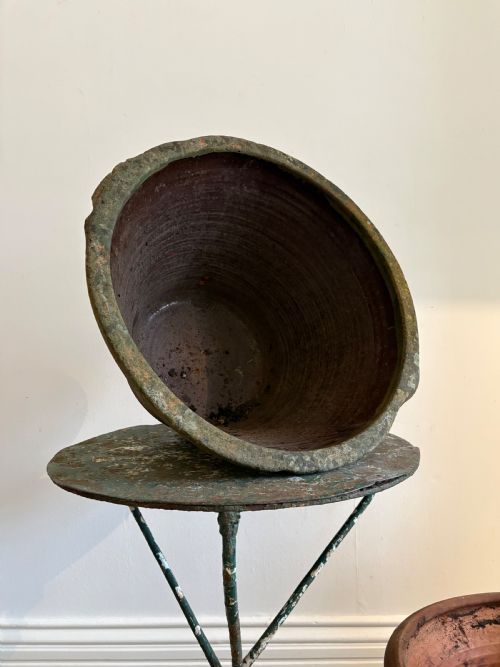


Brown Earthenware Vessel
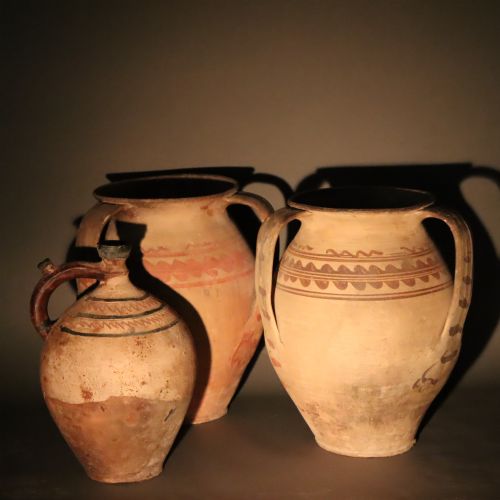
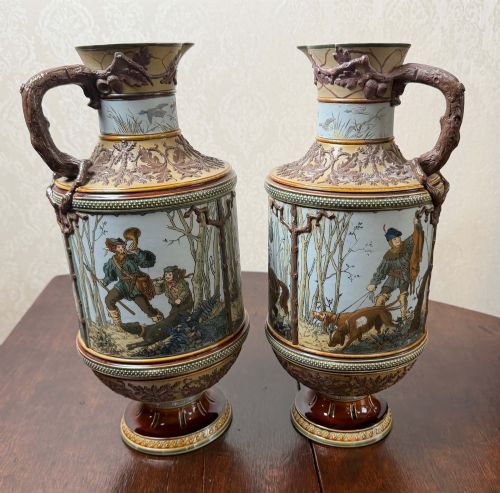
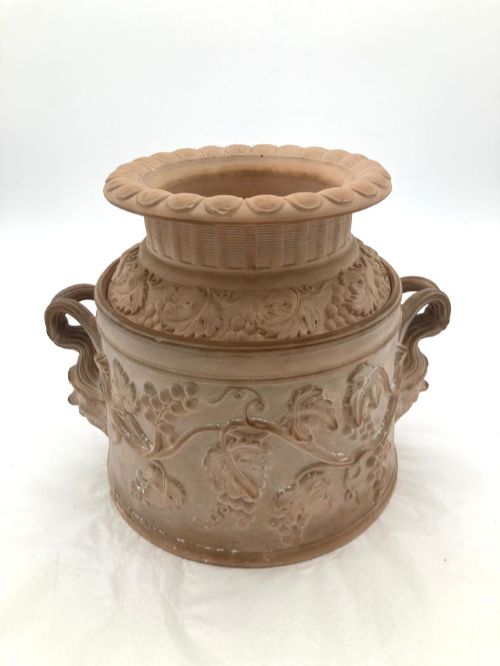
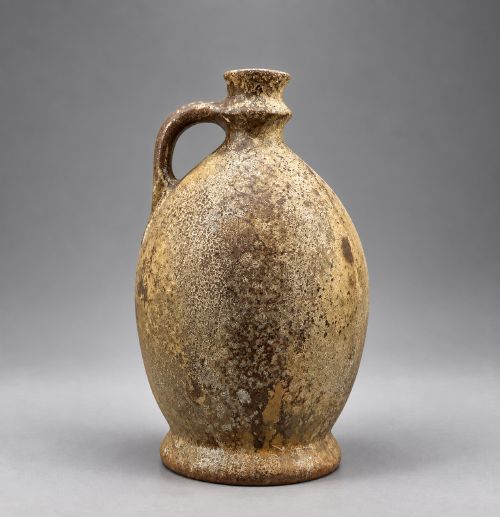
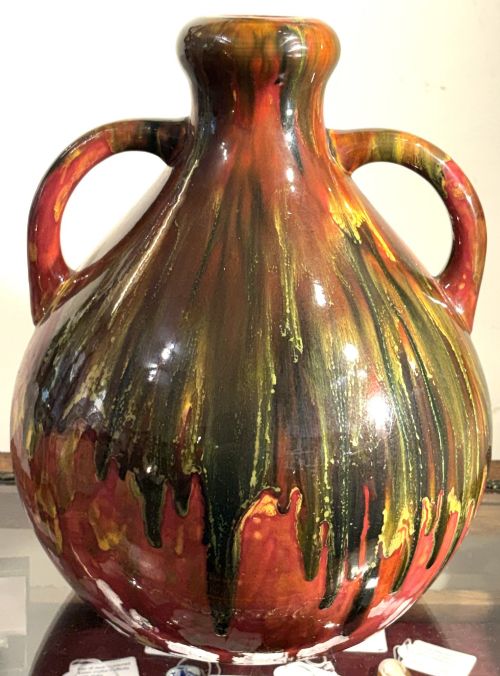
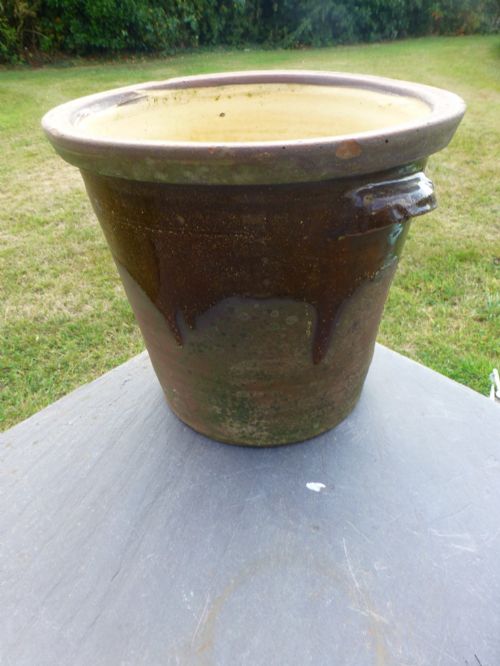
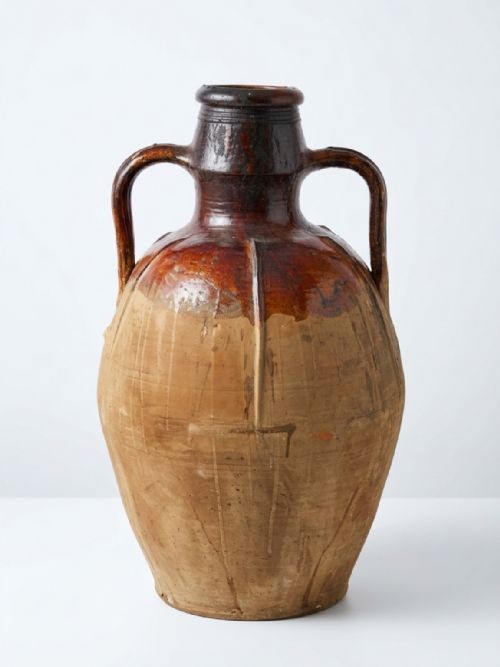
A brown earthenware vessel brings centuries of utilitarian warmth and organic texture to an interior through its deep, earthy tones and honest clay body.
Brown Earthenware Vessel
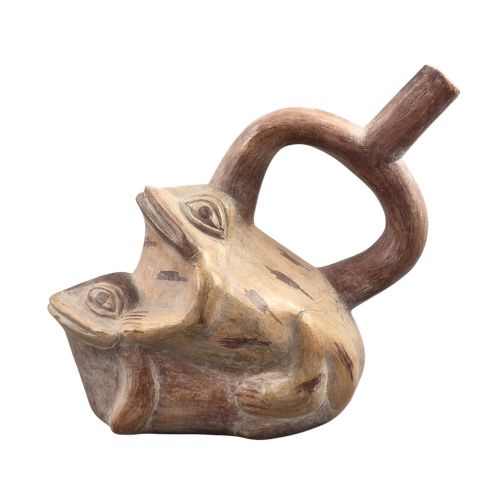
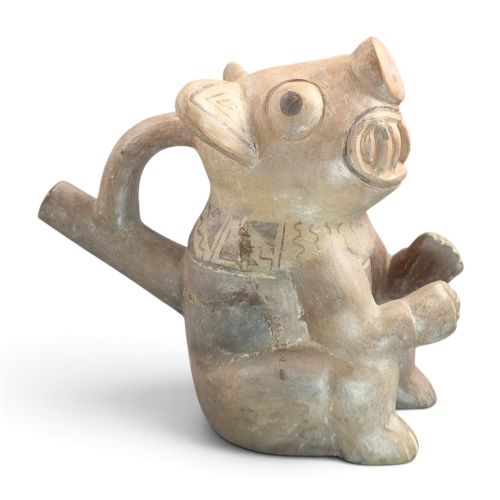
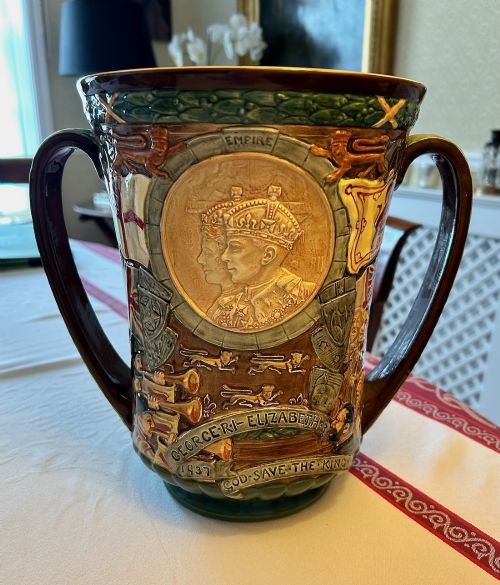
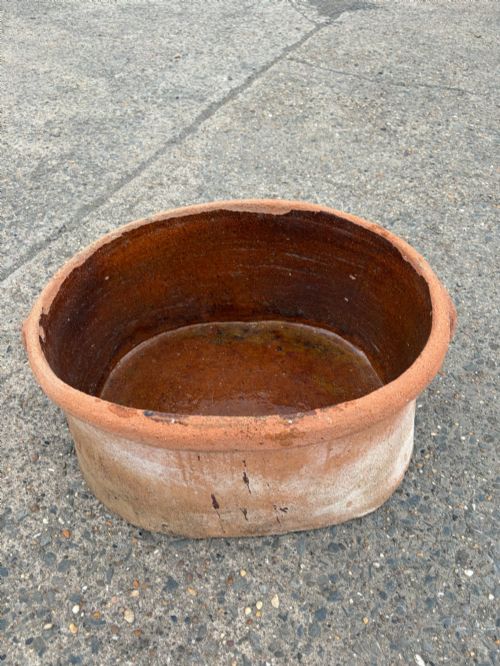
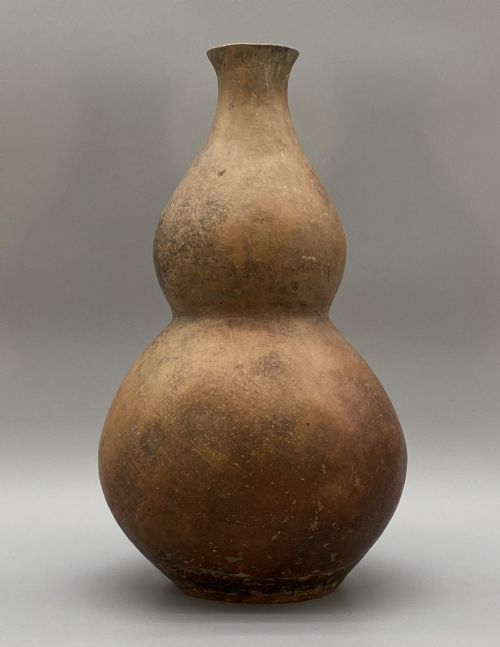
The selections range from early slipware jugs and dairy crocks to Victorian garden planters and Mediterranean oil jars. These pieces originate from diverse traditions, including English country potteries, continental European workshops, and ancient civilisations.
The most common examples on this page date from the nineteenth century, reflecting robust domestic production and vernacular utilitarian design. Their brown surfaces derive from natural clay bodies, lead glazes, and firing methods that produce rich chocolate and ochre hues.
Materials and construction
Makers shaped these brown earthenware vessels on the potter's wheel or formed them within moulds using local clays and terracotta. Stoneware variations incorporate vitrified materials fired at higher temperatures to achieve greater density and impermeability.
Glazes applied to the interior or exterior include salt glaze, slip, and traditional ceramic glazes that seal the porous body. These liquid coatings react with kiln heat to create mottled finishes, glossy sheens, and textured patinas across the brown surface.
Brown Earthenware Vessel Retail Price Guide 2026
Typical asking prices for brown earthenware vessel among the pieces listed under this phrase on Sellingantiques today, from the lower quarter to the upper quarter. They describe what is for sale here now, not the wider market.
Materials range from humble local clay and porous terracotta to dense stoneware and refined earthenware glazes.
Judging quality and character
Quality rests upon the harmony of form, the integrity of the clay body, and the depth of the glaze. Superior examples display balanced proportions, clean throwing marks, and rich patination developed through age and use.
Vernacular pieces derive their appeal from robust utility and straightforward construction, whereas art pottery and decorative vessels depend on refined surface decoration and kiln experimentation.
Burmantofts·Royal Doulton·Doulton Lambeth·Sarreguemines·Paul Dachsel·Joseph Holdcroft
The Brown Earthenware Vessel Glossary
- Slipware
- Pottery decorated with slip, which is a liquid clay mixture applied to the wet body before firing. This technique creates contrasting patterns and smooth surfaces.
- Salt glaze
- A finish achieved by throwing common salt into the kiln during high-temperature firing, producing a characteristic textured surface resembling orange peel.
- Terracotta
- Unglazed or glazed fired clay of a brownish-red hue. It remains porous unless treated and forms the base of many Mediterranean storage jars and garden vessels.
- Stoneware
- A sturdy, vitrified pottery impervious to liquids, fired at high temperatures using dense clay. It stands apart from softer earthenware through its increased durability.
- Jardiniere
- An ornamental ceramic pot designed to hold a plant or floral arrangement. These vessels often feature elaborate glazes or relief moulding.
Brown Earthenware Vessel: Frequently Asked Questions
How were these vessels used originally?
Many brown earthenware vessels served practical domestic roles such as storing oil, water, milk, or salt provisions in farmhouses and dairies. Larger jars functioned as transport containers for liquids across Mediterranean trade routes.
Over time, utilitarian pieces transitioned into decorative ornaments within Victorian homes, reflecting an appreciation for vernacular crafts and rustic garden accessories.
How do I care for antique earthenware?
Keep earthenware pieces away from areas subject to dampness or extreme temperature fluctuations, as the porous clay absorbs moisture and salts. Dust them gently with a soft dry cloth without applying modern cleaning chemicals.
If used for displaying plants or dried botanicals, place a protective liner inside to prevent water from penetrating the historic clay body and glaze.
How can I tell the age of a pot?
Examine the base and interior for signs of hand-thrown construction, tool marks, and natural wear patterns that indicate older manufacturing techniques. Variations in glaze composition and local clay types also point towards specific production periods.
Comparing the form and decorative style with documented pieces helps narrow down the century of origin, though vernacular items often follow traditional designs for generations.
Are salt glazed vessels waterproof?
Salt glazed stoneware vessels possess a dense, vitrified body that holds liquids securely without requiring interior glazing. This impervious quality made them ideal for storing oils, wines, and preserving foods.
Standard earthenware vessels remain slightly porous unless fully glazed inside, meaning some older utilitarian pieces function best for dry display or with protective liners.