

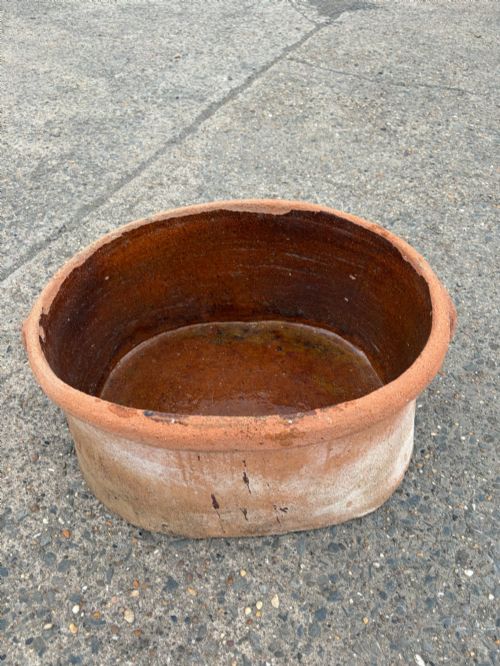


Brown Earthenware Dish
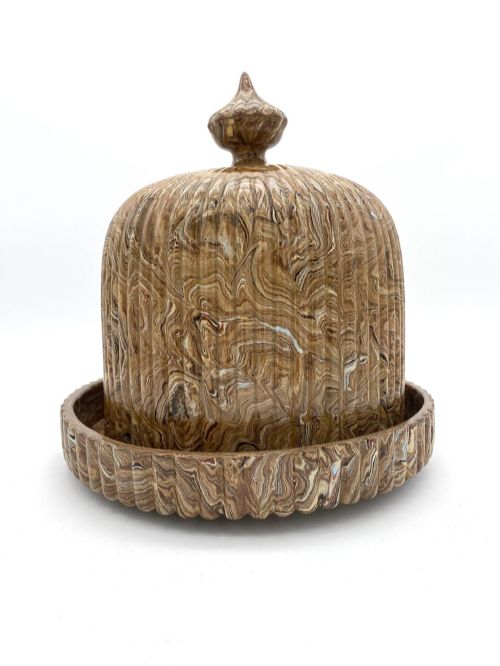
These brown earthenware dish examples bring tactile historic utility to a room, offering rich lead glazes and terracotta forms that collectors prize for their domestic character.
Brown Earthenware Dish
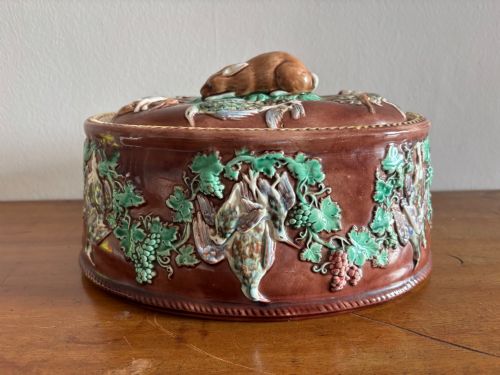
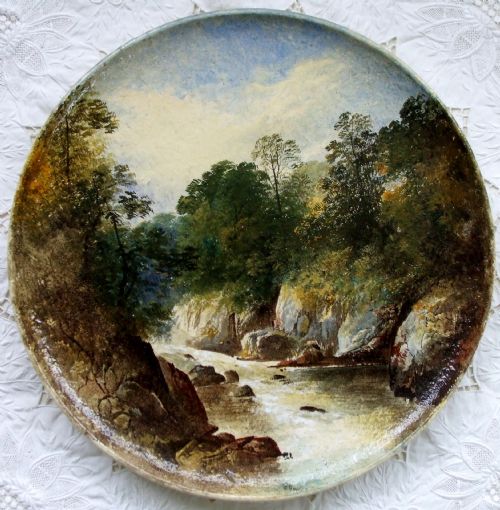
A brown earthenware dish encompasses functional kitchenware, game pie dishes, serving vessels, and decorative bowls spanning from pre-sixteenth century Persian pieces to nineteenth-century Victorian folk art. The listings show domestic kitchenalia alongside majolica tureens and earthenware plaques.
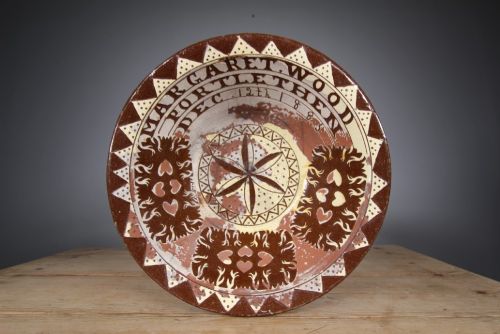
Buyers most frequently meet nineteenth-century English and Victorian examples on this page, including Staffordshire chicken baskets, terracotta salters, and slipware bowls. These domestic and table items form the core of the available selection.
How they were made
Potters shaped local clays into earthenware bodies and terracotta forms, applying lead glaze or slip to seal the porous material and create rich brown surfaces. Fritware and ceramic techniques also appear across the historical range.
Decoration relied on slip trailing, painted details, and moulded relief work, seen particularly in Victorian majolica tureens and Persian lustre bowls depicting figurative scenes.
Brown Earthenware Dish Retail Price Guide 2026
Typical asking prices for brown earthenware dish among the pieces listed under this phrase on Sellingantiques today, from the lower quarter to the upper quarter. They describe what is for sale here now, not the wider market.
A ceramic chicken basket sits ready to guard your boiled eggs inside a Victorian kitchen.
What varies in quality
Quality rests on the crispness of the moulded detail in majolica pieces and the expressive character of slipware and painted plaques. Makers such as Wedgwood, Minton, and Copeland elevate utilitarian items into fine ceramic art.
The depth and consistency of the lead glaze and the preservation of the earthenware body distinguish standard kitchenalia from exhibition-grade serving dishes and decorative wall plaques.
Seaton Pottery·Wedgwood·Copeland Pottery·Minton·Staffordshire Pottery
The Brown Earthenware Dish Glossary
- Slipware
- Pottery decorated with slip, a liquid clay mixture applied before firing. This technique creates linear patterns or contrasting surfaces on bowls and dishes.
- Majolica
- A type of earthenware glazed with opaque tin enamel and brightly coloured lead glazes. Victorian makers utilised this method for vibrant tureens and game dishes.
- Terracotta
- Unglazed or clear-glazed fired brownish-red clay. It appears in utilitarian kitchenalia and salters from the nineteenth century.
- Fritware
- A ceramic body containing powdered glass or frit, used in historic Middle Eastern pottery to achieve finer detail. Persian bowls employ this sophisticated composition.
Brown Earthenware Dish: Frequently Asked Questions
How do I clean a ceramic butter dish?
Wash historic earthenware gently by hand using warm water and mild soap, avoiding harsh scrubbing brushes that might damage the lead glaze.
Dry the piece thoroughly with a soft cloth to protect the porous ceramic body from lingering moisture.
Were nineteenth-century game pie dishes used for cooking?
Potters designed these ceramic tureens to go straight from the kitchen oven to the dining table for serving hot pies.
Today, collectors tend to display them as decorative tableware rather than exposing them to modern cooking temperatures.
What is the difference between earthenware and stoneware?
Earthenware is fired at lower temperatures and remains porous unless sealed with a lead glaze or slip, whereas stoneware is vitreous and impervious to liquids.
Both materials served domestic kitchen roles in the nineteenth century, though earthenware offered softer bodies for decorative moulding.
How can I date a Victorian ceramic plaque?
Examine the reverse for impressed factory marks, registration numbers, or painted titles that connect the piece to specific makers like Copeland or Wedgwood.
Stylistic cues such as Victorian folk art motifs or French Rococo influences also help narrow down the period of manufacture.