



Brown Earth Tone Artwork
Brown earth tone artwork brings together centuries of painted landscapes and genre scenes anchored in rich, natural pigments.
Brown Earth Tone Artwork
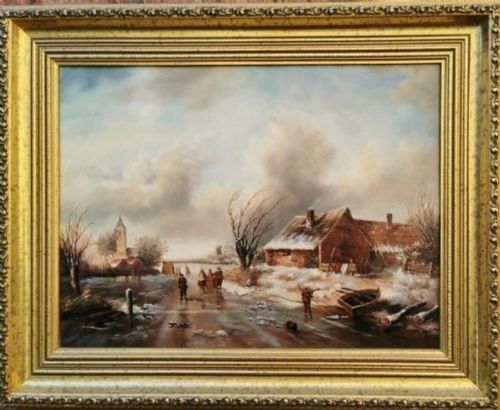
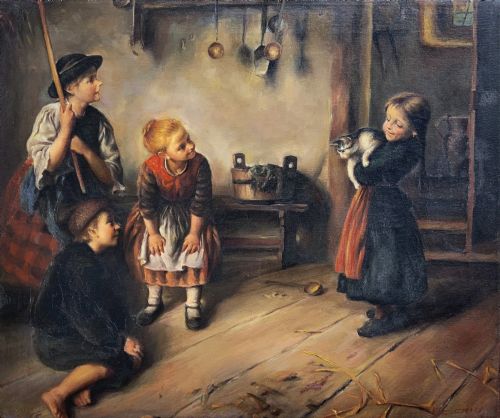
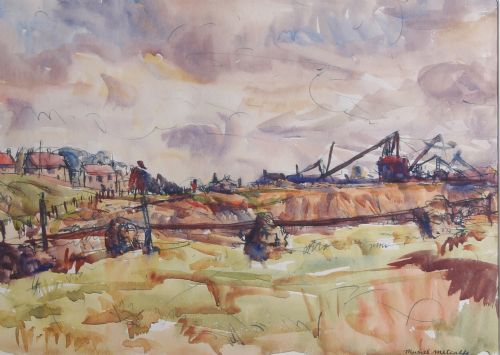
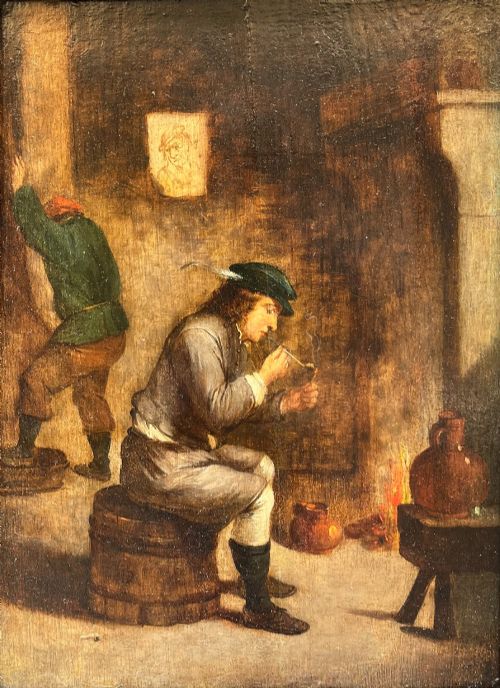
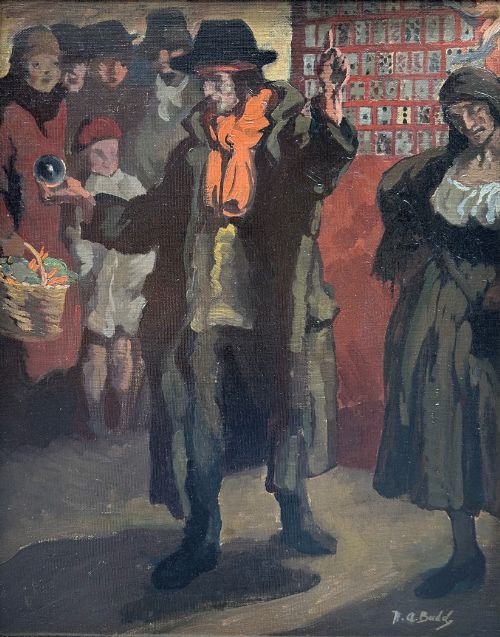
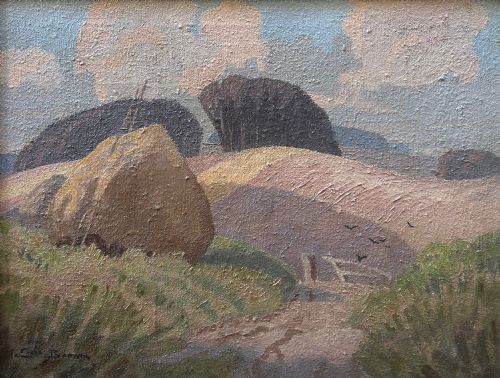
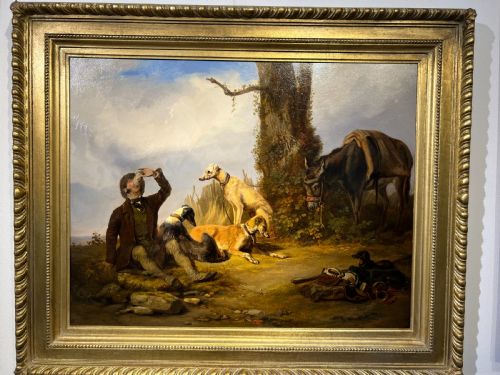
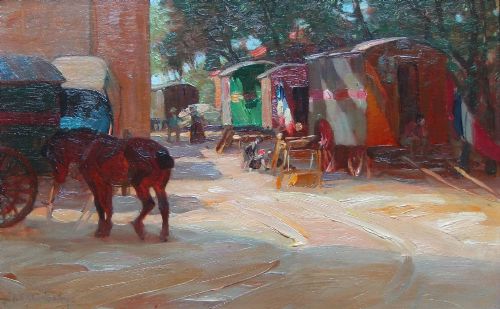
When searching for brown earth tone artwork, collectors encounter a substantial selection of oil and watercolour paintings spanning the nineteenth and twentieth centuries. These pieces predominantly feature traditional subjects such as rural landscapes, farmyards, coastal harbours, and domestic genre scenes executed within British and European artistic traditions.
The selections available here range from nineteenth-century Victorian works and sporting art to mid-century modern and impressionist compositions. Buyers regularly find framed canvases, oil on board studies, and detailed watercolours on paper that rely heavily on muted ochres, umbers, and deep earthy palettes.
Materials and construction
Artists historically prepared their supports using stretched canvas, wooden board, or heavy paper, applying traditional ground layers before working with oil paint or watercolour. Oil pigments were often layered to achieve deep shadow and texture, while watercolours utilised fluid washes on paper to capture light and atmosphere.
Framing and mounting varied by period, with many works retained in period gilt or wood frames that complement the natural tones of the composition. The physical evidence across these pieces shows standard artist materials characteristic of academic, impressionist, and regional studios from the 1800s onward.
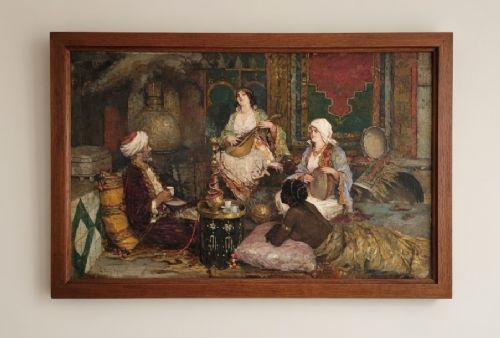
Commonly recorded subjects include agricultural landscapes, livestock, architectural views, and intimate genre scenes rendered in rich umbers.
Assessing the pieces
The distinction between standard examples and superior pieces rests on the confidence of the brushwork, the depth of composition, and the handling of light within the earth palette. Masterful control over tone allows darker brown and umber passages to retain luminosity rather than appearing flat.
Provenance and attribution also play a significant role, as signed works by recognised regional or international artists command greater attention than anonymous studio pieces. Furthermore, the preservation of the original paint surface and the integrity of the support dictate the overall standing of an individual artwork.
Muriel Metcalfe·David Teniers·Herbert Ashwin Budd·Sir Edwin Henry Landseer·Paul Ehrenberg·Alfred George Morgan·Gabriel Puig Roda·Owen Bowen·George Armfield·William Greaves·Percival Glenfern·Louie Stanley Maurice Prince·Juan Ruiz Soriano·Fred Stead·Ralph Hedley·William Manners·Henry Charles Fox·Thomas Sidney Cooper·Percy Brooke·Leonardo Morello·Ludolf de Jongh·Herbert Royle·Thomas Pyne·Sir William George Gillies·Edward Killingworth Johnson
The Brown Earth Tone Artwork Glossary
- Genre painting
- Depiction of aspects of everyday life by depicting ordinary people engaged in common activities. These scenes often focus on domestic interiors, farmyards, or village streets.
- Impressionism
- A nineteenth-century movement characterised by relatively small, thin, yet visible brush strokes and an emphasis on accurate depiction of light. Artists working in this style prioritized open composition and ordinary subject matter.
- Watercolour
- Artists' paint made with water-soluble binders and transparent pigments applied to paper. This medium relies on the white of the paper to reflect light through the thin colour washes.
- Impasto
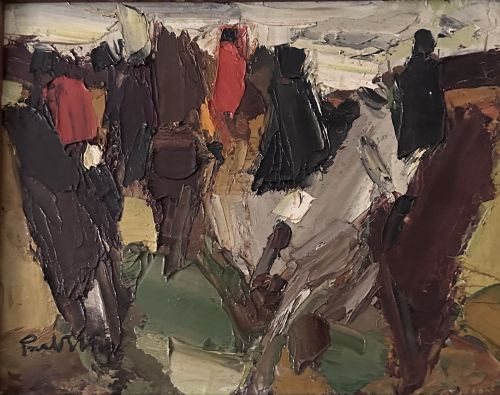
- Paint applied thickly to a canvas or board, leaving the strokes of the brush or palette knife visibly standing out from the surface. This technique adds tactile three-dimensional qualities to selected areas of the artwork.
Brown Earth Tone Artwork: Frequently Asked Questions
What subjects appear in these paintings?
The subjects span traditional rural landscapes, coastal harbours, agricultural scenes, and intimate human interactions. Artists frequently documented local British and European countryside life using natural earth pigments.
Many compositions focus on farmyards, livestock, river valleys, and historical townscapes observed through Victorian and twentieth-century artistic lenses.
How should I display a vintage canvas?
Vintage canvases and boards require stable indoor environments away from direct sunlight and sudden humidity fluctuations. Proper wall placement preserves both the paint surface and the original wooden support.
Most pieces arrive ready to hang within period or complementary frames chosen to suit their nineteenth or twentieth-century origins.
Are watercolours as durable as oils?
Watercolour paintings on paper require protective framing behind glass to shield the delicate pigments from atmospheric moisture and direct ultraviolet light. When properly housed, they maintain their tonal depth over generations.
The paper supports and watercolour washes demand careful placement away from damp walls and bright sunny spots.
How can I identify the age of a painting?
Age is typically indicated by the materials of the support, the style of the framing, and handwritten inscriptions or signatures on the reverse. Canvas weaves, stretcher designs, and pigment types also offer clear chronological clues.
Comparing the stylistic approach to known periods like Victorian realism or mid-century modernism helps narrow down the decade of creation.