


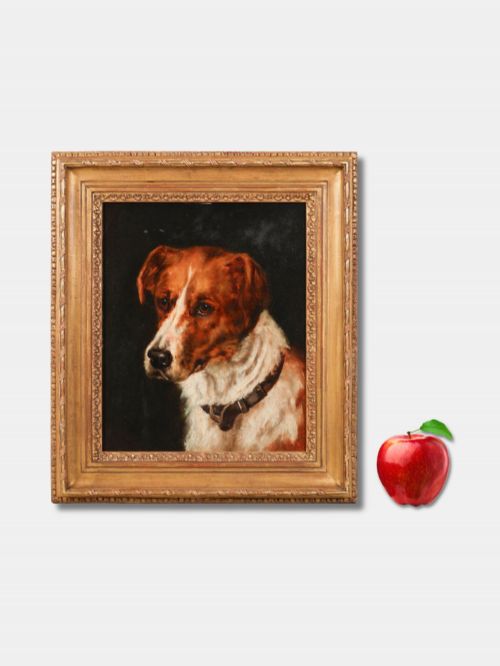


Brown Dog Oil Artwork
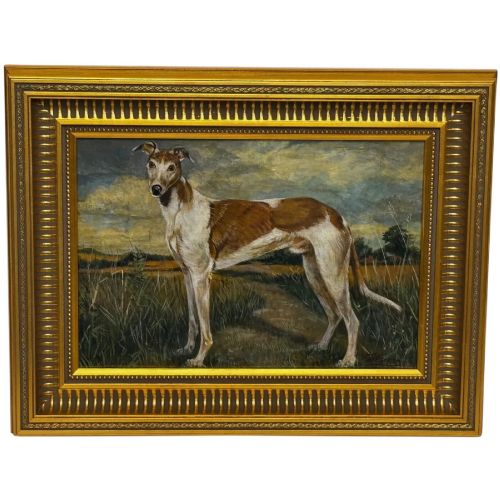
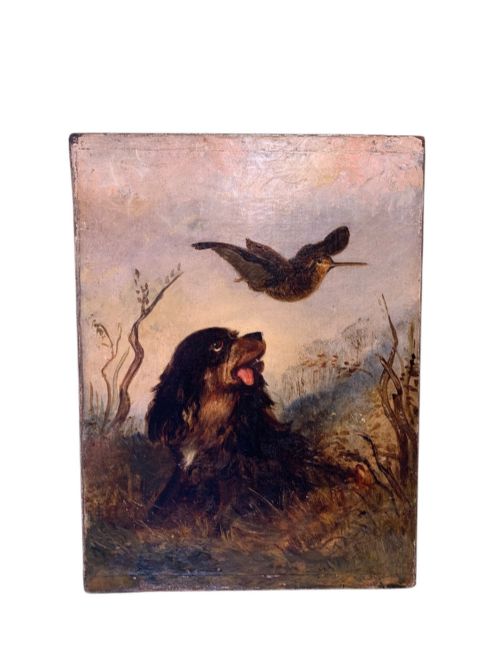
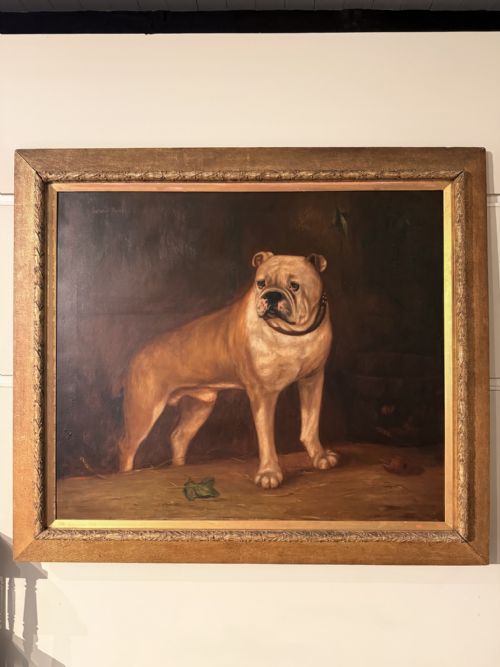
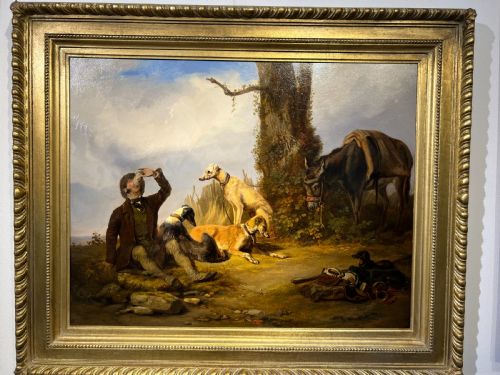
These brown dog oil artwork pieces capture canine portraits and sporting scenes in traditional oils, offering a direct window into past centuries.
Brown Dog Oil Artwork
A brown dog oil artwork captures canine subjects through painted pigment, often spanning terriers, spaniels, collies and hunting hounds set within pastoral landscapes or domestic interiors. These paintings emerge from periods such as the Georgian, Victorian and Edwardian eras, reflecting both prized working animals and beloved household companions.
The most common examples on this page date from the nineteenth century, executed by regional British artists and professional sporting painters alike. Subjects range from singular terrier portraits to dynamic hunting scenes involving hounds and horses.
The scale spans from intimate panels suitable for smaller wall spaces to substantial canvases framed in giltwood. Each piece preserves the character of specific breeds through the distinct observation of historical artists.
Materials and construction
Pigments applied in oil paint sit upon supports of stretched canvas, wooden panel or board, capturing fine details of canine coats and natural lighting. Artists utilised traditional brushes to build up rich textures, rendering fur and expression through layered brushwork.
Many works retain their original or period frames constructed from wood, often finished with gold leaf or gilt layers to accentuate the painted scene. The interplay between the oil medium and these timber supports dictates the visual depth of each composition.
Several canvases capture dogs caught mid-action, guarding rats in barns or gazing intently at game birds.
Distinctions in quality
Anatomy and proportion separate standard decorative studies from superior works by established animal painters who understood canine bone structure and movement. The handling of light across the coat and the expressive detail in the eyes reveal the technical skill of the hand behind the brush.
The preservation of the paint surface and the originality of the giltwood frame influence the integrity of the piece. Stronger examples maintain crisp brushwork without excessive overpainting, retaining the immediacy intended by the painter.
Henry Barraud·Valentine T. Garland·Sir Edwin Henry Landseer·John Emms·Thomas Hicks·Samuel Raven·George E Sharpe·Fannie Moody·Henri Schouten·George Earl·Philip Eustace Stretton
The Brown Dog Oil Artwork Glossary
- Oil on canvas
- Pigment mixed with drying oil applied to a woven fabric support stretched across a wooden frame. This combination allows for subtle blending and textured application.
- Giltwood
- Timber carved and coated with gold leaf or metallic paint to create a decorative frame. This finish protects the perimeter of the canvas while enhancing the artwork.
- Oil on board
- Pigment applied directly to a rigid wooden or composition panel rather than flexible fabric. These pieces often present a smooth, stable surface for detailed animal portraits.
- Sporting art
- Genre of painting depicting hunting, shooting, equine subjects and working dogs. These works document the rural pursuits and valued animals of past centuries.
Brown Dog Oil Artwork: Frequently Asked Questions
How do I date a dog oil painting?
Dating relies on stylistic clues within the canvas, the cut and preparation of the wooden stretcher or board, and the framing materials used at the time of creation.
Clothing styles of any human figures present, the specific breed characteristics depicted, and artist signatures or labels provide further chronological markers.
Where should I hang an oil painting?
These works suit traditional reception rooms, studies or hallways where stable environmental conditions protect the canvas and timber frame from extreme temperature fluctuations.
Direct sunlight should be avoided to prevent fading of the oil pigments and degradation of the giltwood finish over time.
How do I clean an antique oil painting?
Surface dust should be gently removed using a soft, dry artist brush without applying moisture or household cleaning solutions to the vulnerable paint layer.
Professional conservators should handle any deep cleaning or the removal of aged varnish to prevent irreversible damage to the original brushwork.
What is the difference between canvas and board?
Canvas provides a flexible, textured textile support that reacts to atmospheric changes, whereas board offers a rigid and unyielding surface for the paint.
Both supports were common across different periods, though boards frequently indicate smaller cabinet pieces or preparatory studies.