


Brown Dog Art
Brown dog art brings together centuries of canine portraiture in oil, watercolour, and sculpture, offering a direct view of historical relationships between humans and animals.
Brown Dog Art
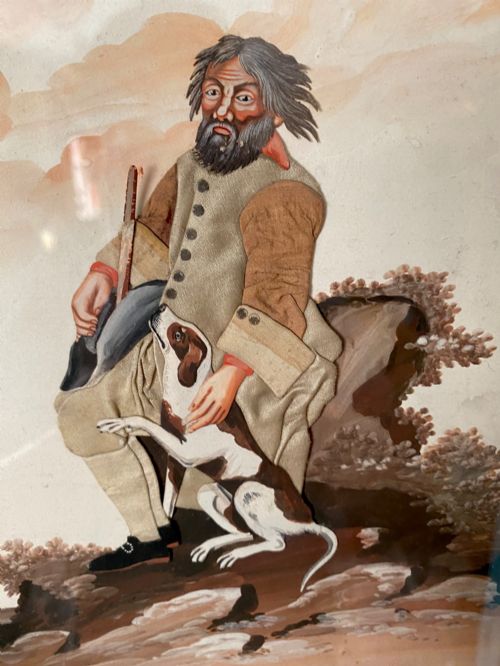
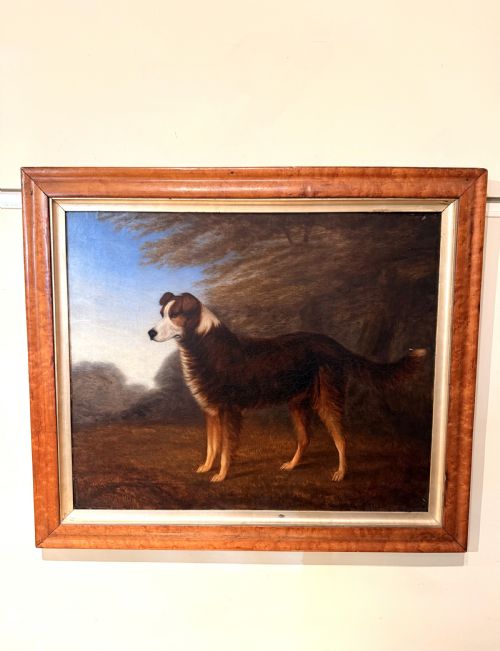
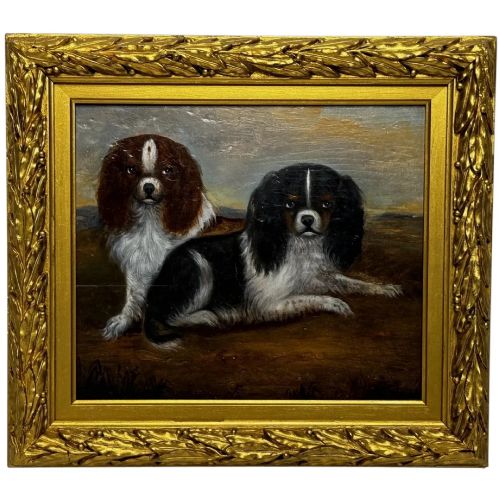
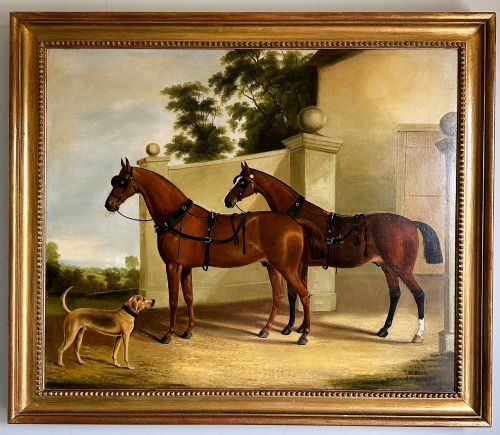
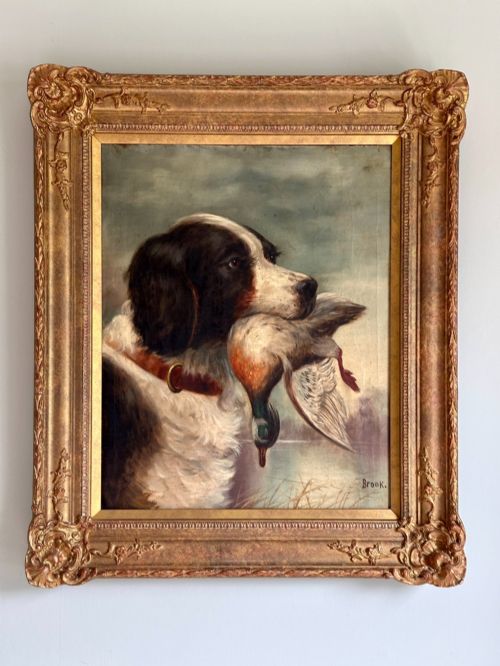
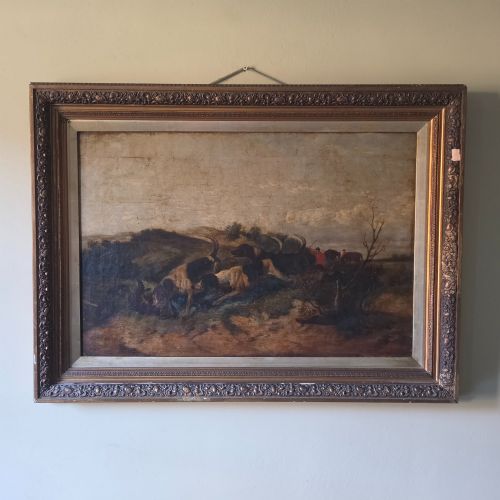
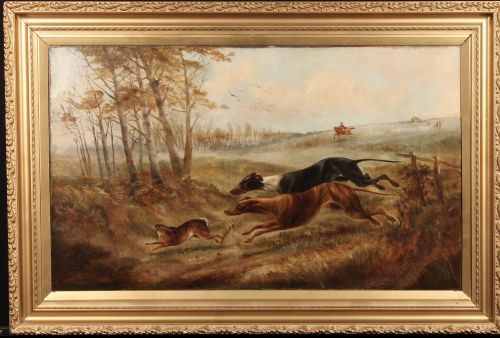
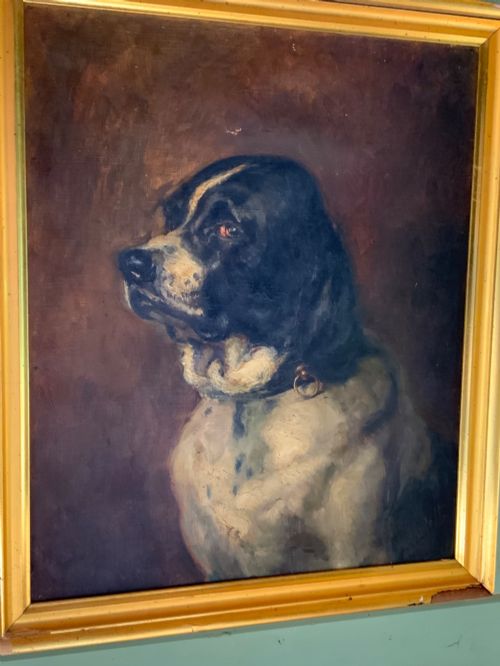
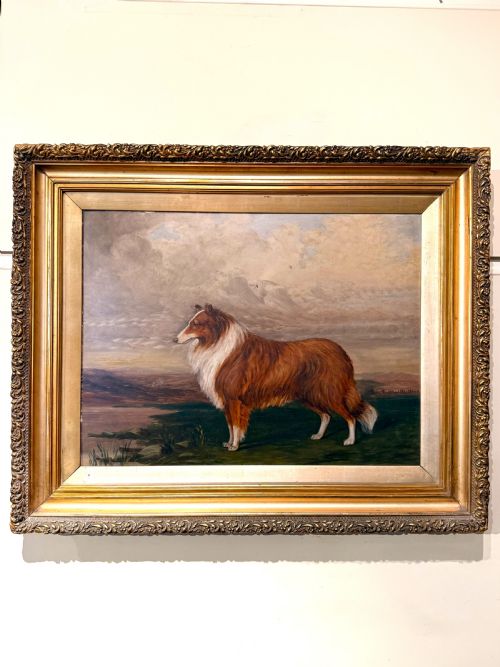
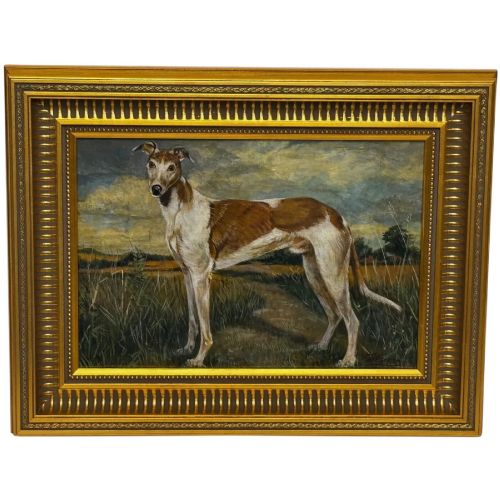
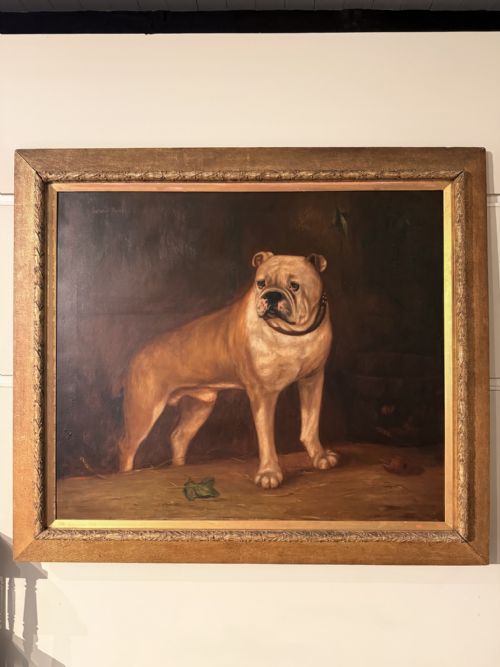
When you search for brown dog art, you encounter a diverse selection of canine depictions spanning the nineteenth and twentieth centuries. These pieces capture various breeds, from spaniels and terriers to retrievers and hounds, rendered across multiple artistic mediums.
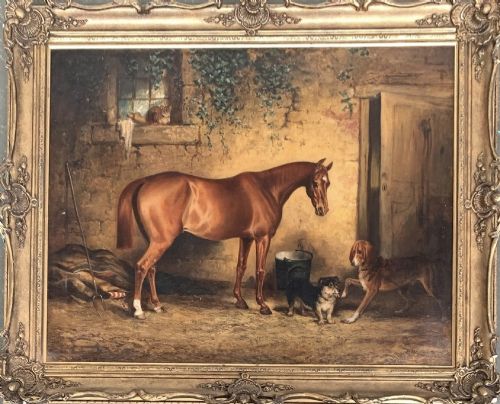
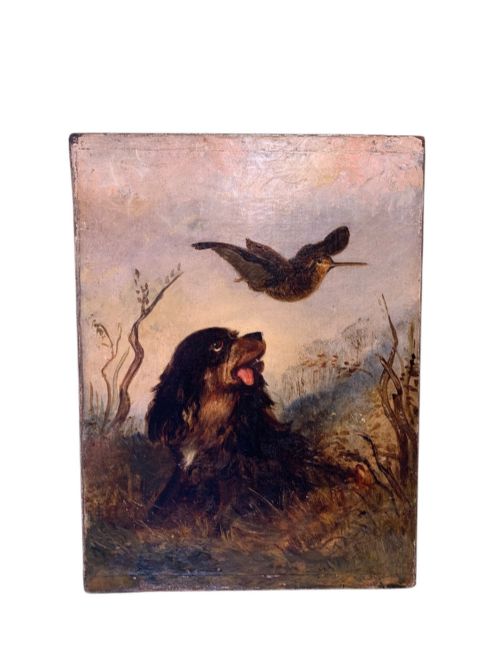
The most common representations on this page take the form of oil paintings on canvas or board, often framed in period wood or gilt mouldings. Alongside paintings, you find works on paper, needlework textiles, and wooden sculptures that celebrate canine subjects.
The origins of these works stretch from the Georgian period through the Victorian era and into the mid-twentieth century. Whether through detailed sporting scenes or intimate domestic portraits, the pieces reflect the changing ways artists have recorded dogs over time.
Materials and Techniques
Many of these works utilise oil paint applied to canvas, wood panels, or board, sometimes enhanced with gold leaf accents within the frames. Artists built depth through layered pigments, capturing the texture of fur and the natural tones of the animals.
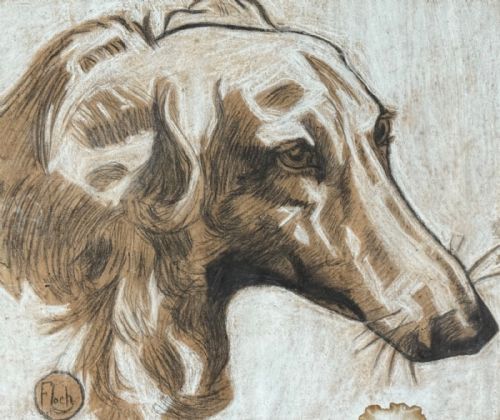
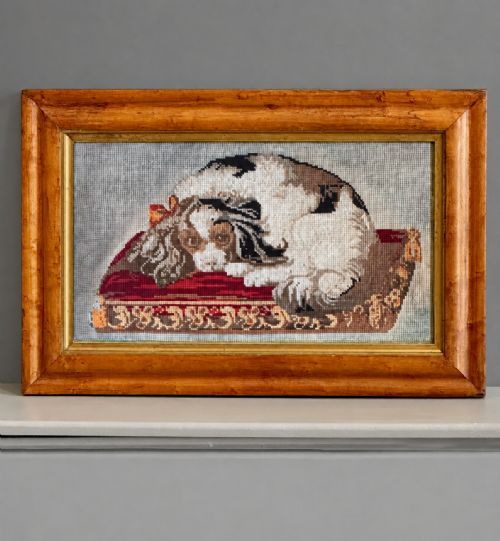
Works on paper employ gouache, pencil, pastel, and watercolour, often preserved behind glass in original or period frames. Textile pieces such as Berlin work needlework utilise wool threads to stitch detailed canine portraits onto canvas mesh.
Three-dimensional representations include carved wooden sculptures and metal clock sets that incorporate sculpted canine figures. Each technique relies on the traditional craftsmanship of its respective period to bring the subject to life.
Brown Dog Art Retail Price Guide 2026
Typical asking prices for brown dog art among the pieces listed under this phrase on Sellingantiques today, from the lower quarter to the upper quarter. They describe what is for sale here now, not the wider market.
Several pieces capture dogs mid-mischief, proving that historical hounds were just as capable of ignoring commands as modern pets.
Factors That Distinguish Quality
The standard of execution in canine art depends heavily upon the artist's command of anatomy and expression. Superior pieces capture the distinct personality and realistic posture of the breed rather than relying on generic animal forms.
Condition and originality play a significant part in the appeal of a piece, particularly regarding the survival of original frames such as burr maple or gilt wood. Intact surfaces with minimal intervention retain the authentic character intended by the maker.
Henry Barraud·Valentine T Garland·Sir Edwin Henry Landseer·Horatio Henry Couldrey·John Emms·Thomas Hicks·Samuel Raven·John Trivett Nettleship
The Brown Dog Art Glossary
- Oil on Canvas
- Pigments bound in a drying oil applied to a stretched fabric support. This technique allows for rich colour blending and textured brushwork.
- Berlin Work
- A type of nineteenth-century needlework using coloured wools on a canvas grid. It was widely used for creating decorative pictures of animals.
- Chromolithograph
- A multicoloured print produced through a planographic lithographic process. This technique enabled the faithful reproduction of painted artwork.
- Gouache
- An opaque water-based paint consisting of pigment and binder. It dries to a matte finish and provides strong coverage on paper.
Brown Dog Art: Frequently Asked Questions
How do I care for antique dog paintings?
Keep painted works away from direct sunlight and dramatic shifts in temperature to protect the canvas and pigments. Dust frames gently with a dry cloth and avoid using liquid cleaners on the artwork surface.
Ensure that pieces framed behind glass remain in dry environments to prevent moisture accumulation. Professional framing checks help maintain the structural stability of older wooden mounts.
What periods do these dog artworks cover?
The pieces span from the Georgian era through the Victorian period and into the mid-twentieth century. Each decade brings distinct artistic styles, ranging from naive works to detailed sporting portraits.
Nineteenth-century pieces often focus on working dogs and family pets in pastoral settings. Later twentieth-century works introduce Art Deco influences and varied rendering techniques.
Are these dog artworks original pieces?
The selection includes original hand-painted oils, watercolours, drawings, and sculptures created by period artists. You may also find contemporary copies after notable painters such as Landseer alongside period prints.
Examining the medium, backing, and framing details helps clarify whether a piece is a unique hand-drawn work or a reproduction print. Provenance notes often provide additional context regarding a piece's origin.
How were these canine artworks displayed historically?
Dog portraits were traditionally hung in country houses, libraries, and drawing rooms alongside sporting art and family portraits. Wealthy owners commissioned depictions of prized hunting dogs and beloved household pets to mark their status.
Smaller waterworks and needlework pictures often adorned parlour walls or served as intimate tabletop displays. Today, these pieces suit varied interior settings, from traditional studies to modern living spaces.