

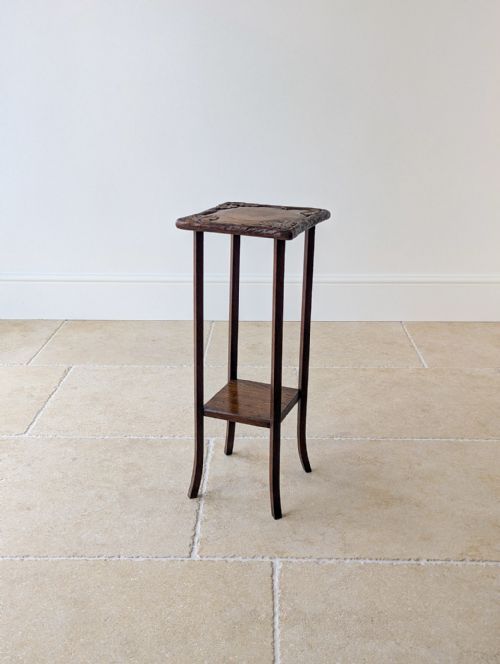
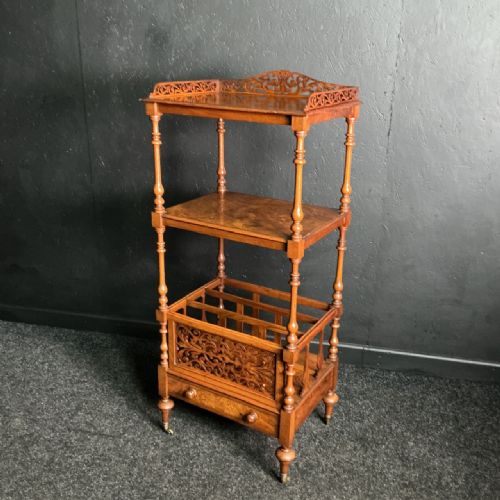
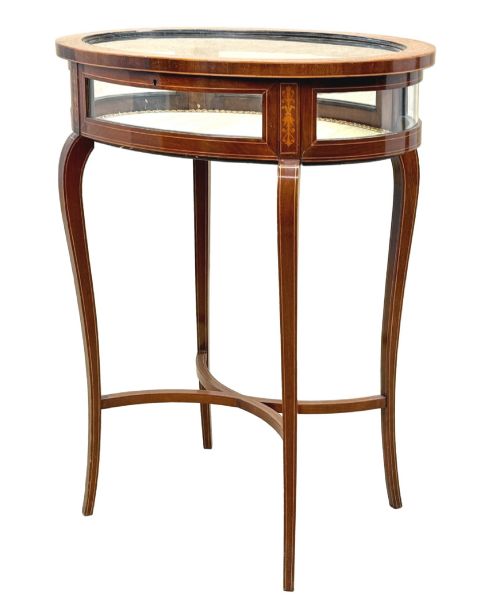
Brown Display Table
A brown display table brings rich timber tones and glass-topped visibility to treasured objects, making it a functional centrepiece for any room.
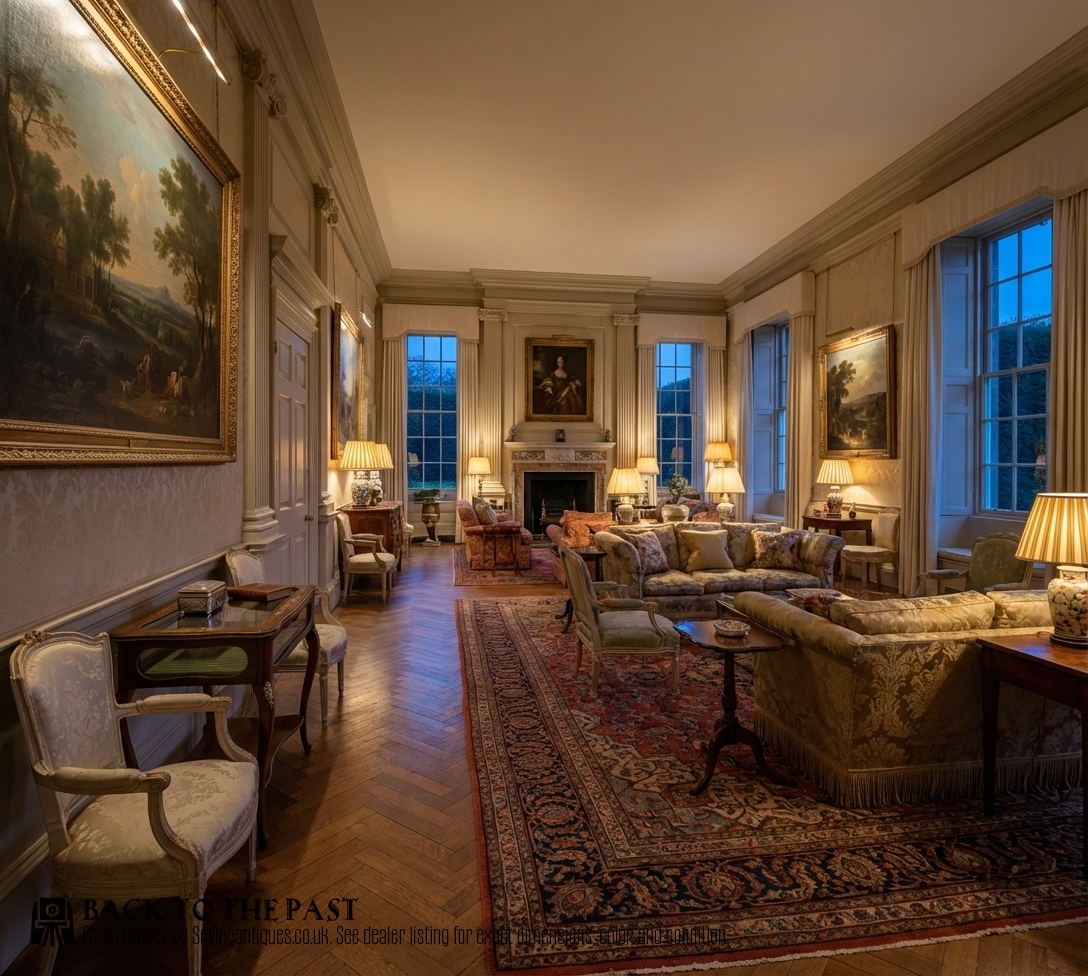
Brown Display Table
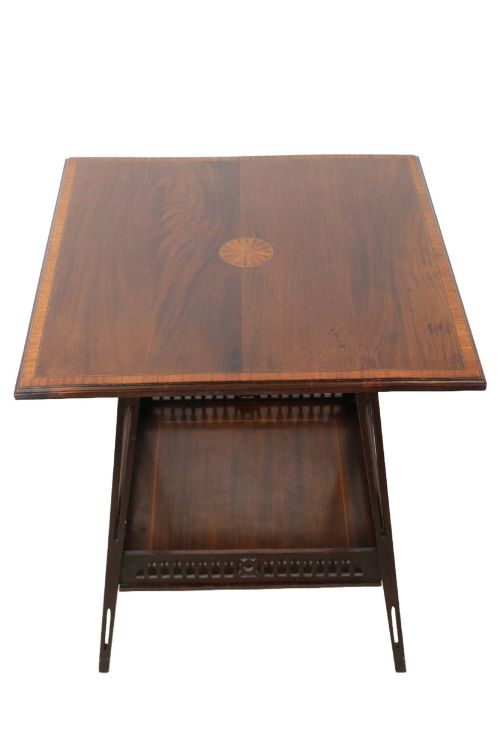
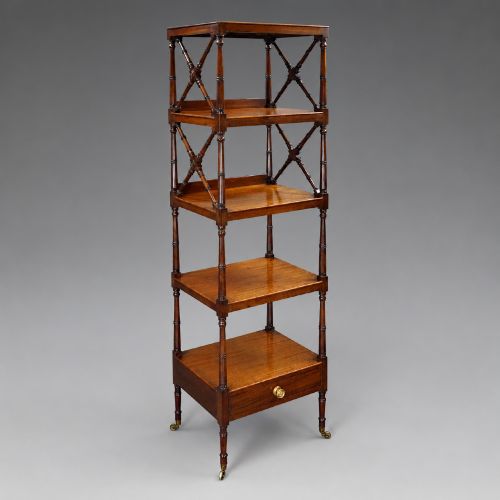
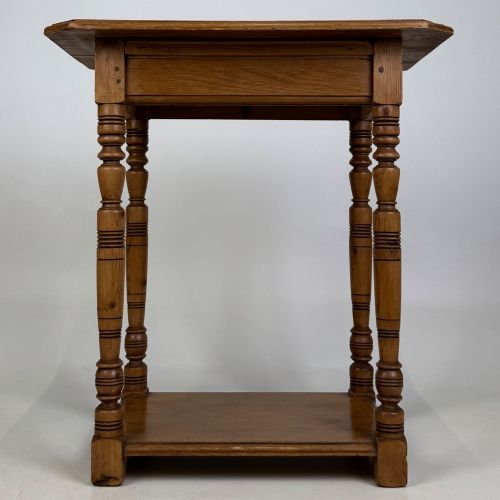
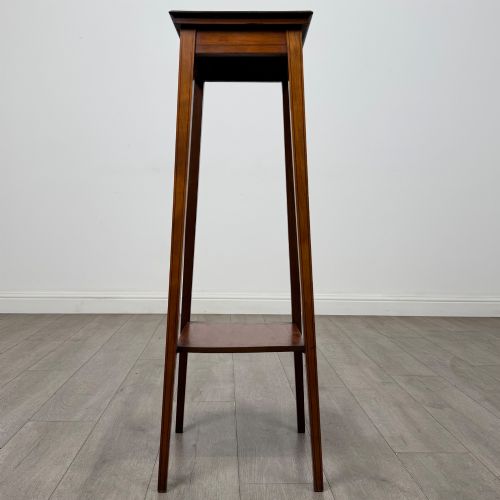
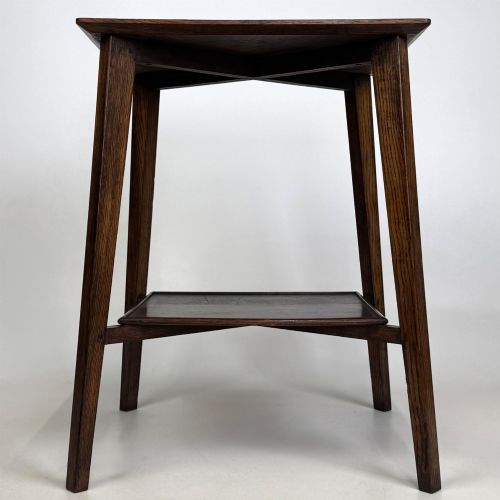
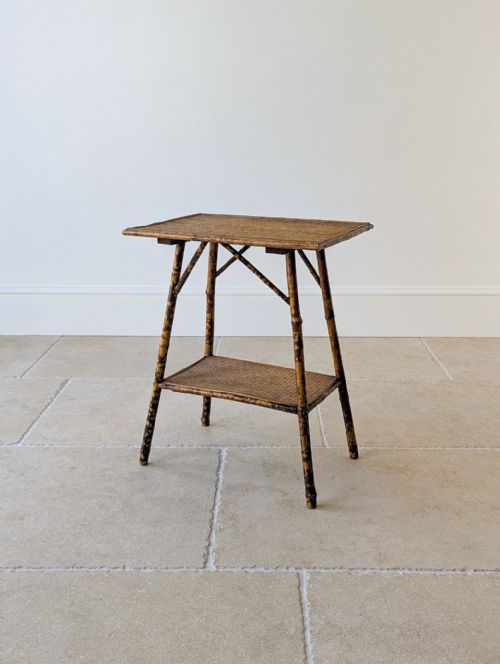
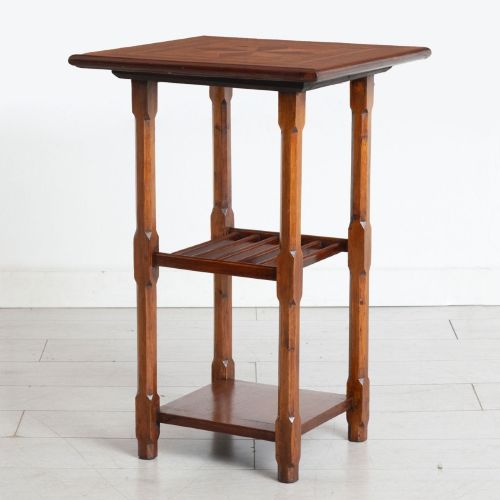
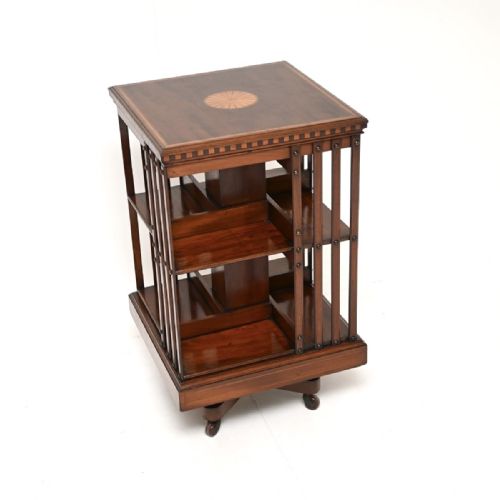
A brown display table encompasses a variety of timber furniture forms designed to showcase or support small objects, from bijouterie tables with glass lids to multi-tiered whatnots and side tables. These pieces emerge predominantly from the Georgian, Victorian, and Edwardian periods, reflecting changing domestic habits in displaying ornaments and collectables.
How they were made
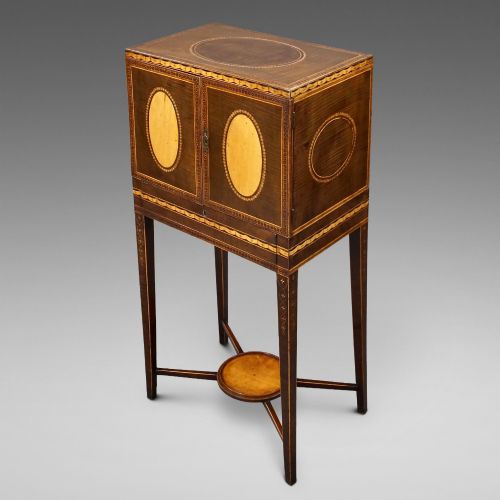
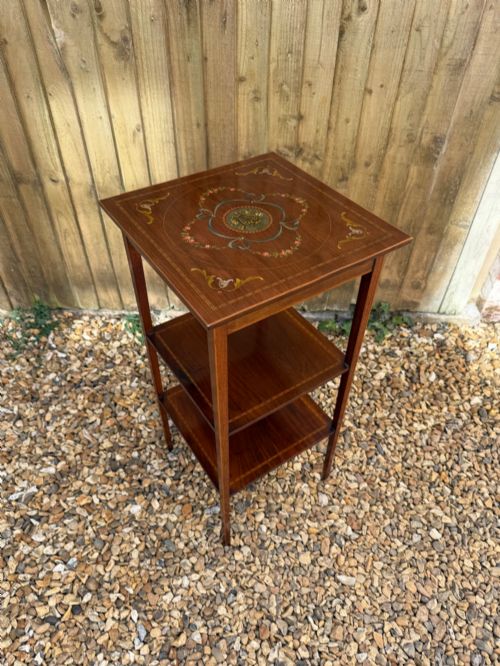
Cabinetmakers utilised dense timbers such as mahogany, walnut, oak, and satinwood, often accentuating the grain with intricate marquetry, brass mounts, and inlaid banding. Glass panels were integrated into hinged lids for bijouterie tables and doors for vitrines to protect contents while allowing visibility from above.
Construction techniques combined traditional joinery with turned legs, glass framing, and multi-tier shelving systems like those seen in étagères and whatnots. Artisans also employed specialised veneers, including burr walnut and kingwood, to create decorative surface patterns across table tops and cabinet fronts.
Listings feature timbers including mahogany, walnut, oak, satinwood, kingwood, and harewood across pieces dating from the Georgian era to the early twentieth century.
What varies in quality
Quality rests upon the selection of timber figures, the crispness of inlay work, and the structural integrity of glazed panels and hinged fittings. Pieces designated as exhibition quality or featuring detailed marquetry display a higher level of craftsmanship in their joinery and decorative elements.
Trevor Page & Co·Maison Giroux
The Brown Display Table Glossary
- Bijouterie table
- A glass-topped table specifically designed for displaying small valuables, jewellery, and curiosities beneath a hinged lid. These pieces often feature silk-lined interiors.
- Whatnot
- A multi-tiered piece of freestanding furniture used for displaying ornaments, books, or knick-knacks. The design typically incorporates three or more open shelves supported by slender uprights.
- Étagère
- A French-style piece of furniture consisting of a set of open shelves for displaying small objects. They appear in various woods, including walnut and mahogany.
- Marquetry
- Decorative veneer work formed by fitting together small pieces of wood, shell, or ivory to create pictorial designs on furniture surfaces. This technique is frequently found on cabinet doors and table tops.
- Vitrine
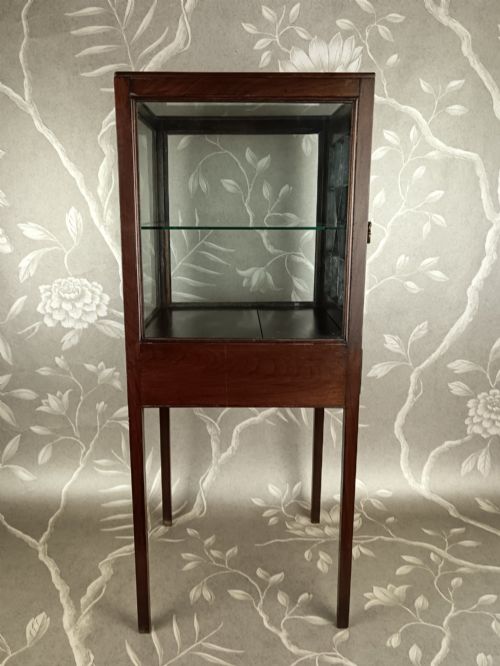
- A glass-fronted cabinet or display case intended for exhibiting fine porcelain and collectables. These enclosures protect items from dust while providing all-round visibility.
Brown Display Table: Frequently Asked Questions
What is a bijouterie table used for?
A bijouterie table serves to exhibit small collectables, medals, and jewellery under a protective glass top. The glazed surface keeps dust away while giving a clear view of the items arranged inside.
In period homes, these tables sat in drawing rooms as conversational pieces where hosts could display their latest acquisitions to guests.
How do I style a whatnot table?
A whatnot table accommodates books, small plants, and ceramic ornaments across its multiple open shelves. Distributing weight evenly between the tiers maintains the visual balance of the piece.
These versatile stands fit easily into corners or beside seating areas, adding vertical display space without dominating the room.
What is the difference between a side table and a display table?
A standard side table provides a solid wooden surface for lamps and everyday objects. A display table incorporates glass panels or specialised compartments intended specifically for viewing items placed within or beneath the top.
Glass-topped display variants shift the focus from placing items on top to exhibiting curated collections inside the furniture itself.