

Brown Desk Chair
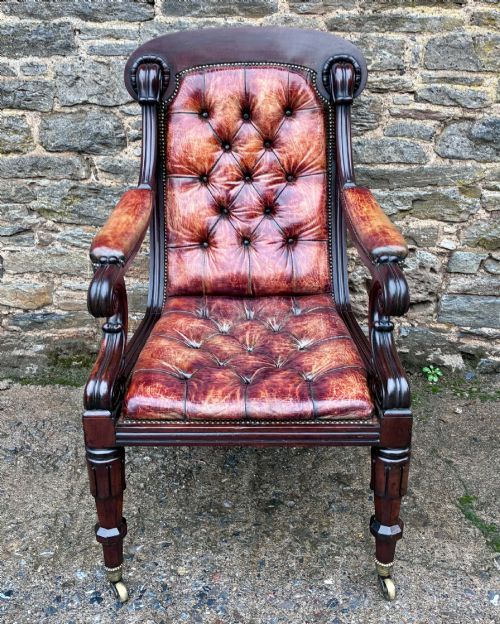
A brown desk chair brings warmth and practical seating to a study, drawing its character from solid hardwoods and supple leather.
Brown Desk Chair
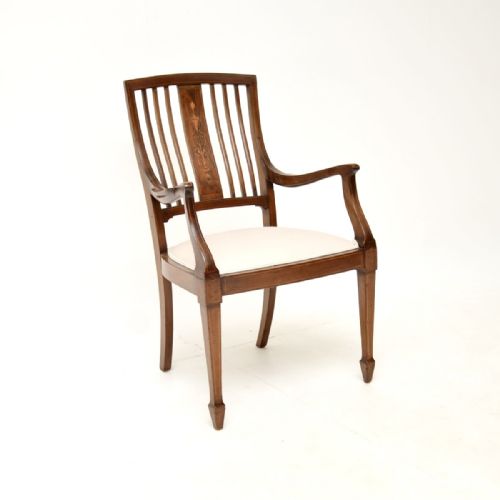
A brown desk chair search covers sturdy library armchairs, office swivels, and traditional Windsor designs intended for daily workspace use. The selections span the eighteenth, nineteenth, and early twentieth centuries, drawing on Georgian, Victorian, and Edwardian aesthetic traditions.
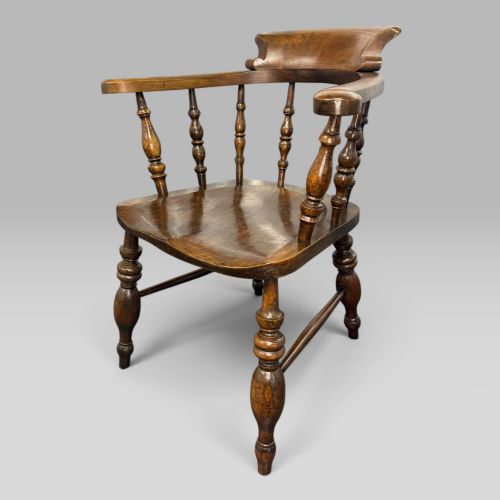
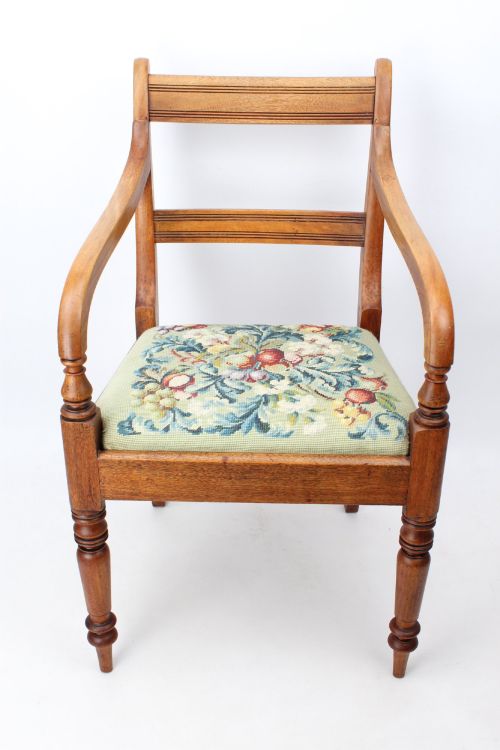
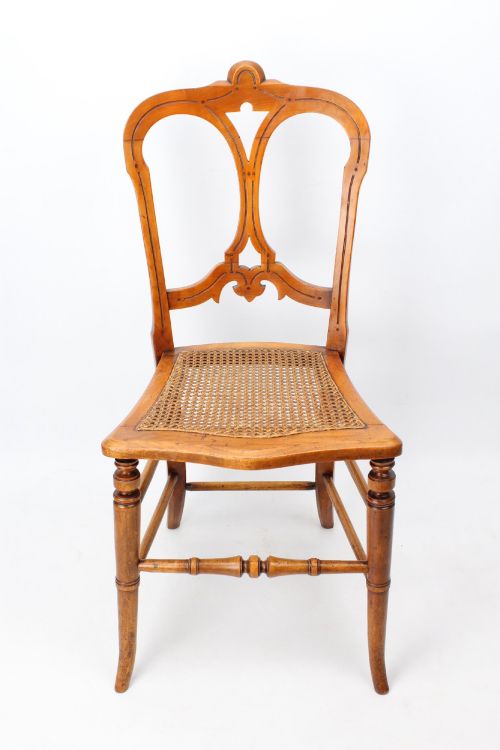
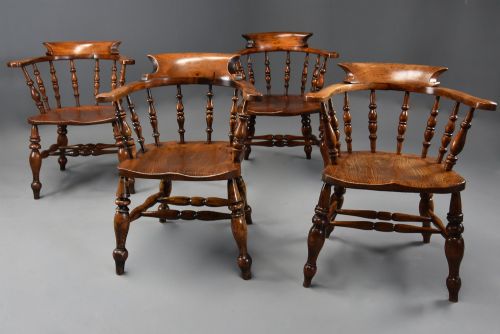
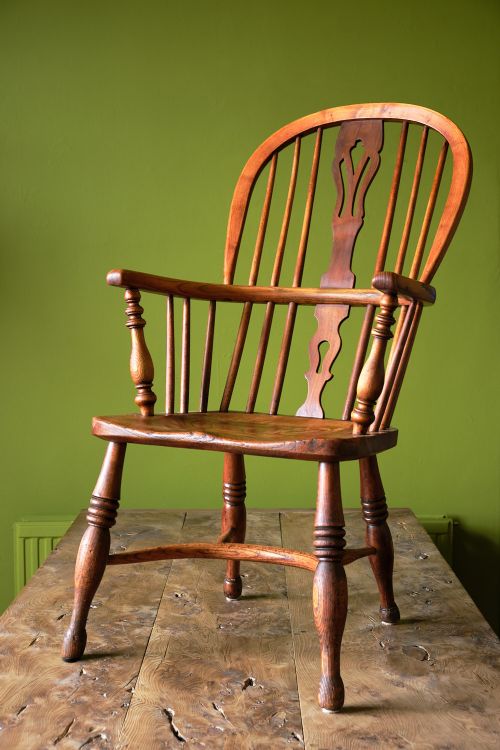
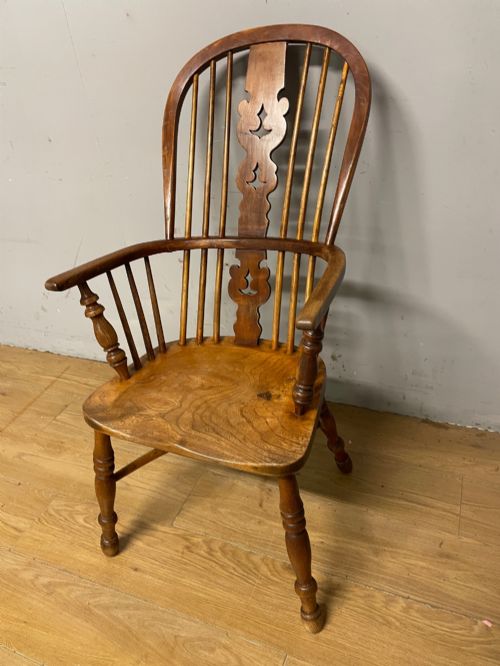
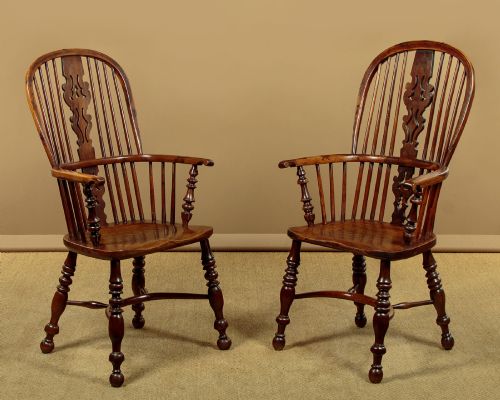
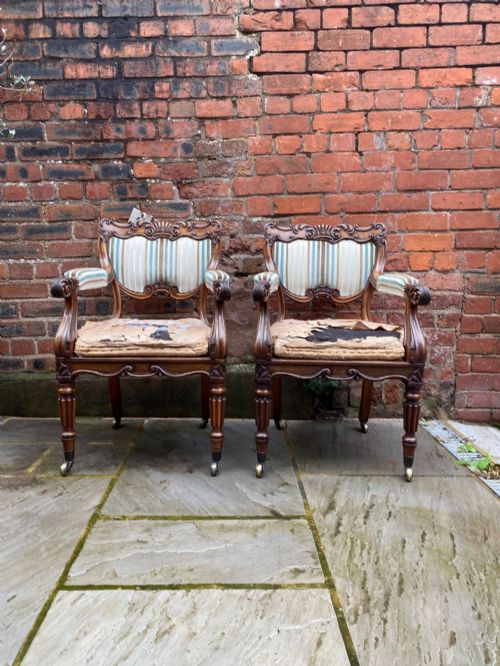
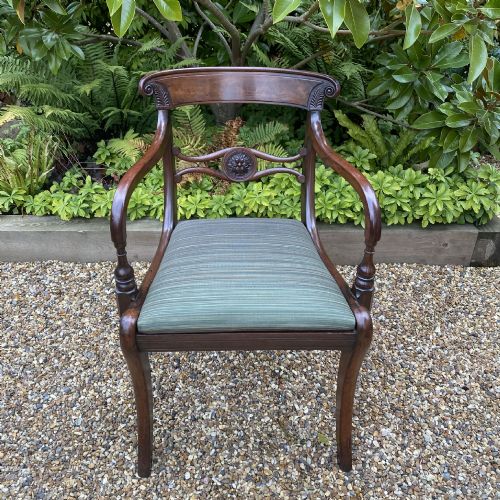
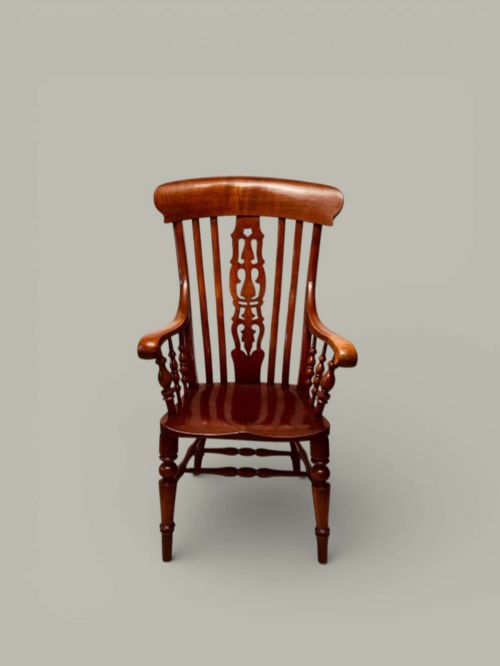
Mahogany and oak dominate the timber choices on this page, often paired with leather upholstery or constructed as solid wood Windsor seating. Library armchairs and revolving office seats appear alongside country elm and yew wood variations.
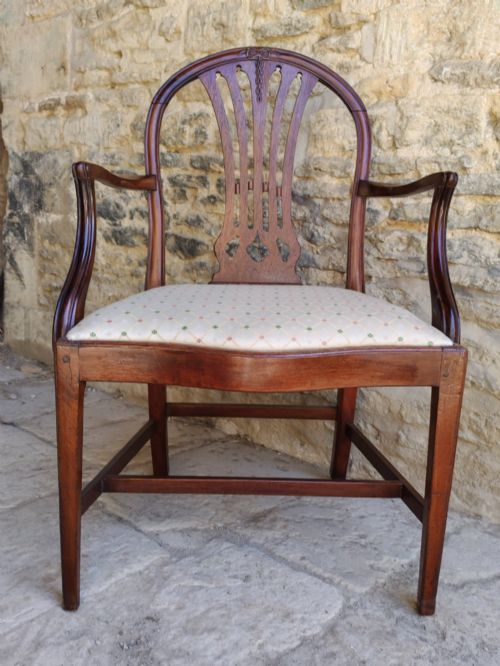
Georgian and Regency library chairs bring formal mahogany frames, while Edwardian and later nineteenth century pieces introduce mechanical rise and fall swivel actions. Regional Windsor armchairs provide sturdy spindle backs suited to prolonged seating.
Materials and construction
Cabinetmakers utilised dense timbers such as mahogany, oak, elm, and yew to build frames capable of withstanding constant movement and weight. Turned spindles, curved hoops, and carved arm supports rely on traditional joinery like mortise and tenon connections.
Revolving desk chairs incorporate early iron and brass swivel mechanisms, allowing height adjustment and rotation for office tasks. Leather and fabric upholstery sits over padded seats, secured with brass tacking or tension webbing.
Brown Desk Chair Retail Price Guide 2026
Typical asking prices for brown desk chair among the pieces listed under this phrase on Sellingantiques today, from the lower quarter to the upper quarter. They describe what is for sale here now, not the wider market.
The furniture spans the eighteenth, nineteenth, and early twentieth centuries, covering Georgian, Victorian, and Edwardian periods.
Judging the work
Quality rests in the selection of timber figures, such as the rich grain of mahogany or the warm figuring of yew wood and elm. Superior examples exhibit crisp hand-carving on crest rails and arm terminals rather than soft, machine-milled lines.
Mechanical integrity defines the better office chairs, where swivel and rise mechanisms operate smoothly without excessive wobble in the central column. The tightness of the frame joinery determines stability over decades of daily office use.
Gillows·Bruce James Talbert·Giles Grendey·Gabbitass of Worksop
The Brown Desk Chair Glossary
- Windsor chair
- A wooden seating form featuring a solid saddle-shaped seat into which the legs and back spindles are wedged directly. These chairs rely on steam-bent bows and combinations of elm, ash, and yew.
- Revolving desk chair
- An office seat mounted on a central axis that permits rotation and often height adjustment. Early versions utilise iron and brass spindles hidden beneath timber or leather seats.
- Carver
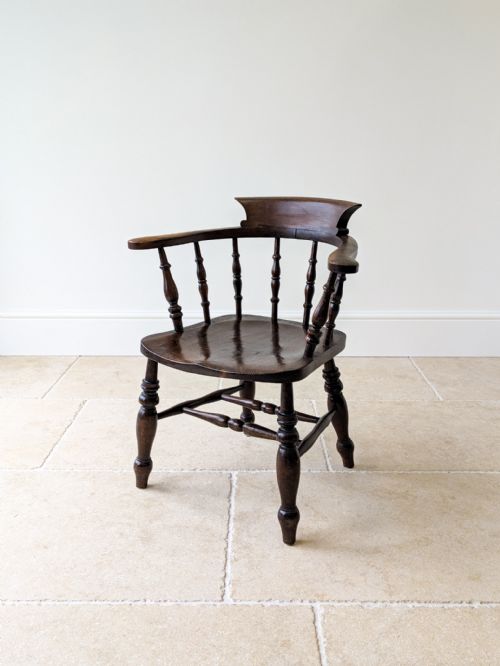
- An armchair designed to match a set of dining or office chairs, distinguished by scrolled or sweeping armrests. They frequently served as primary desk seating in Georgian and Victorian libraries.
- Library armchair
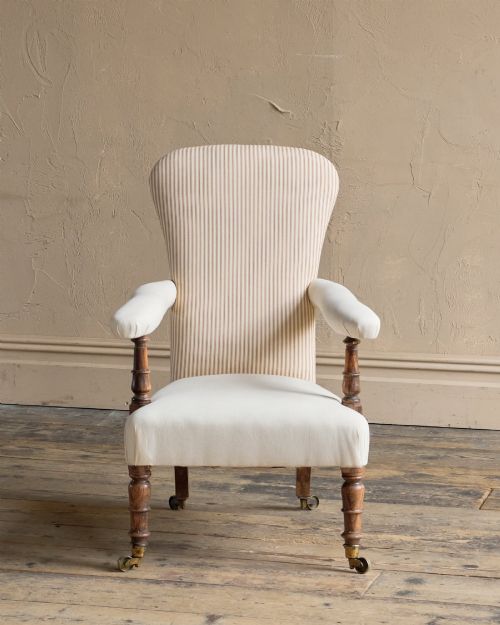
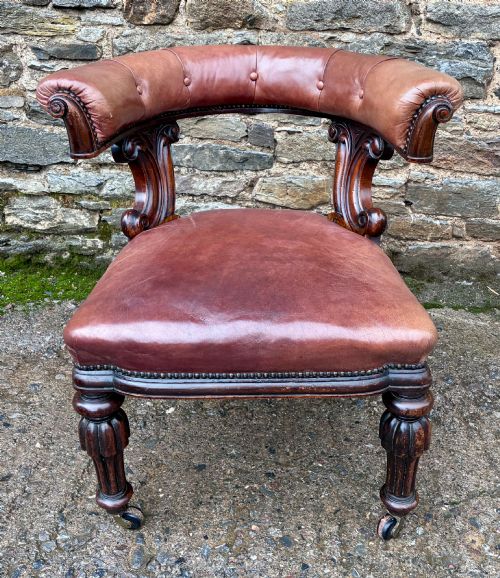
- A generous upholstered seat intended for prolonged reading, usually constructed with padded arms and leather coverings. Frames are commonly rendered in solid mahogany or oak.
- Hoop back
- A continuous bentwood frame forming the backrest and arm supports of a Windsor chair. This steam-bent technique distributes weight evenly across the structure.
Brown Desk Chair: Frequently Asked Questions
How do I spot a revolving desk chair?
Look underneath the timber seat for iron, brass, or wooden spindle mechanisms that allow the top portion to rotate independently of the base. Many period examples also include metal screw columns for height adjustment.
These mechanical components distinguish office seating from standard dining or library armchairs intended for stationary placement.
Are these chairs comfortable for daily work?
Many nineteenth and early twentieth century office chairs were built specifically for long hours at a ledger or writing table. Deep mahogany library seats and revolving oak desk chairs provide ergonomic support through contoured wooden saddles or padded leather.
Choosing a model with a supportive curved back or adjustable swivel mechanism ensures suitability for modern workspace routines.
What is the difference between yew and mahogany?
Mahogany offers a heavy, dark reddish-brown timber favoured in formal Georgian and Victorian library settings for its uniform grain and polish. Yew wood displays a contrasting golden-brown tone with natural knots and swirling figures, commonly found in country Windsor chairs.
Both hardwoods provide exceptional structural strength, but their visual impact on a room differs completely.
How do I date an antique desk chair?
Dating relies on stylistic clues like Chippendale cabriole legs, Regency reeding, or Edwardian swivel ironwork combined with timber patination. Tool marks left by hand saws and lathes offer further physical clues to the era of manufacture.
Comparing the construction joints and fastener types against known nineteenth and eighteenth century conventions confirms the period.