


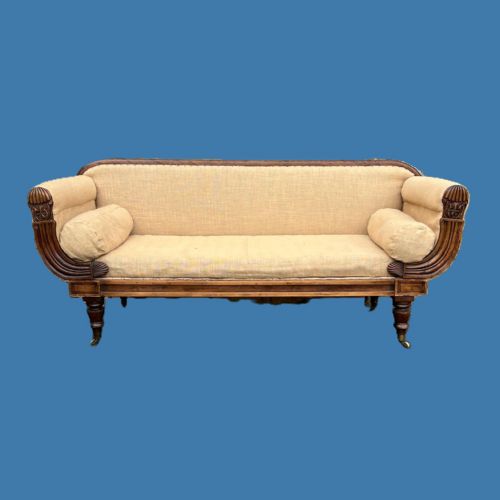


Brown Daybed
These brown daybed pieces span centuries and origins, offering a place to recline that joins comfort with strong architectural character.
Brown Daybed
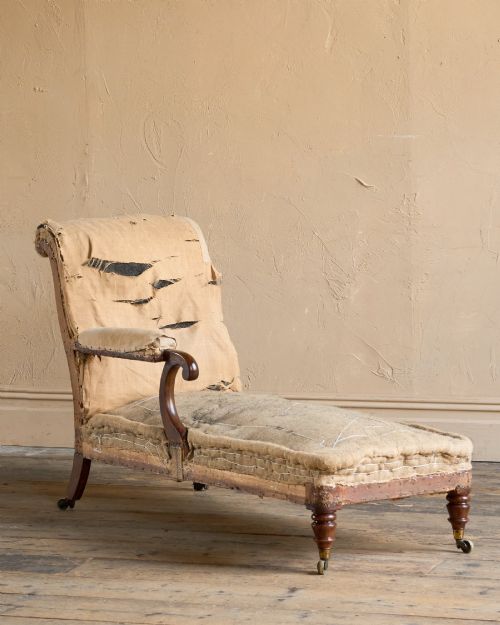
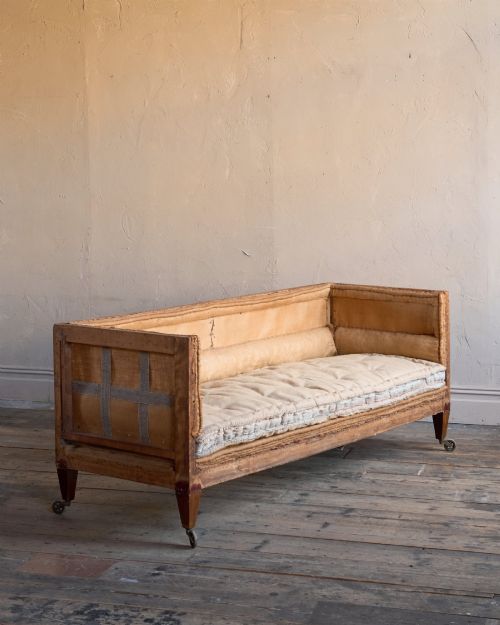
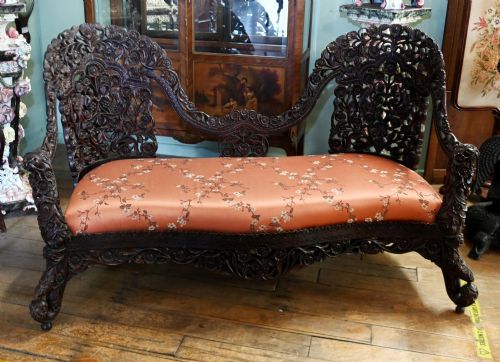
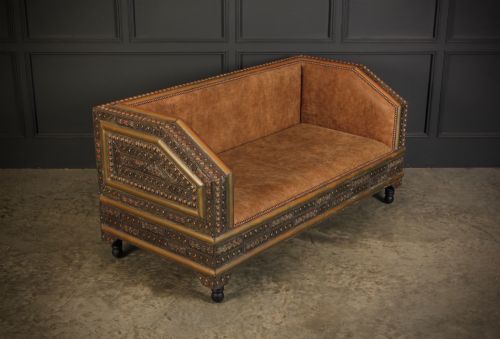
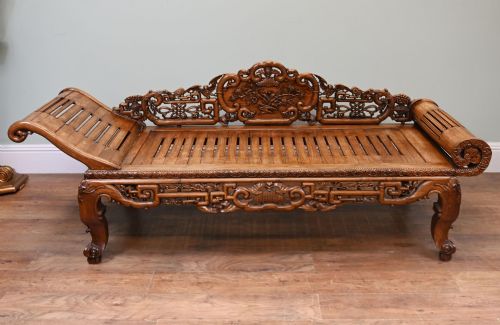
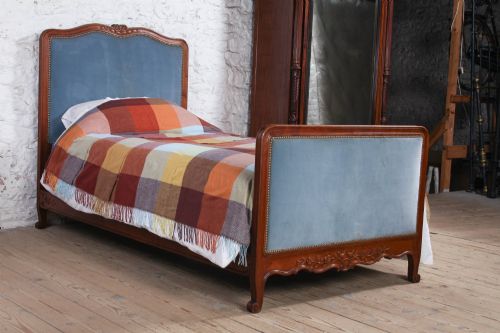
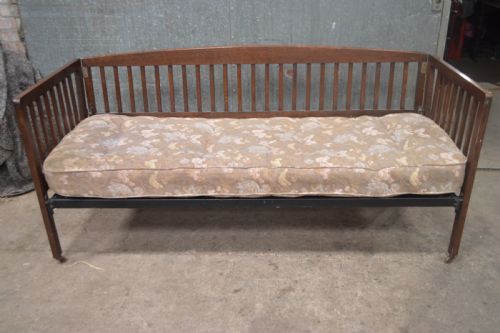
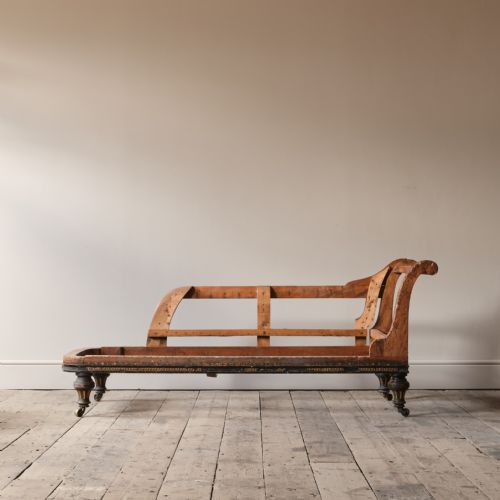
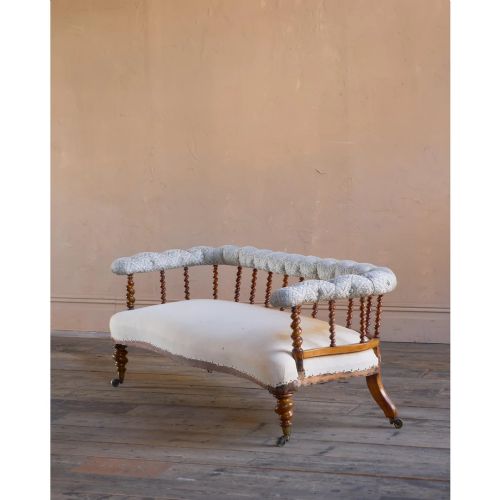
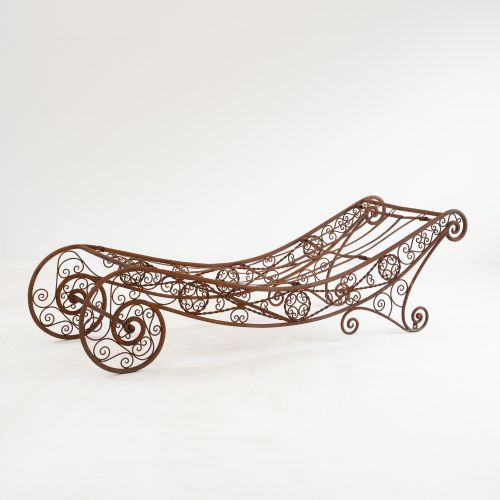
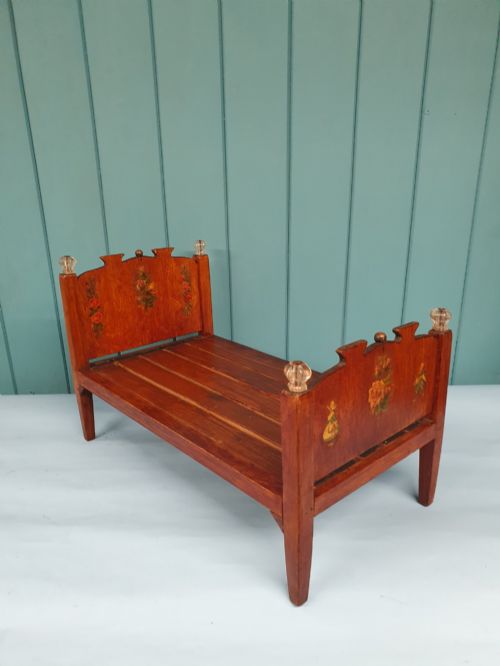
A brown daybed brings together varied forms designed for horizontal rest, ranging from nineteenth-century mahogany chaise longues and campaign beds to Qing Dynasty hardwood opium benches and Moroccan metal sofas. When searching for a brown daybed, buyers encounter diverse expressions including Victorian button-back couches, French wrought iron garden daybeds, and Indian carved teak floor seats.
The materials span mahogany, walnut, teak, elm, and hardwood, alongside leather, fabric, velvet, brass, and iron. Many examples date from the nineteenth and early twentieth centuries, reflecting styles such as Regency, Victorian, Arts and Crafts, and French Provincial.
Materials and construction methods
Woodwork dominates these pieces, utilising solid mahogany, walnut, teak, and hard woods that are frequently hand-carved, polished, or lacquered. Joinery methods support structural stability in large frames like campaign beds, scroll-end sofas, and daybeds.
Upholstery and metalwork provide secondary layers, incorporating leather, velvet, fabric, rattan, embossed metal, and wrought iron. Button-backed cushioning, spring systems, and folding mechanisms appear across Victorian, campaign, and modern recliner variations.
Brown Daybed Retail Price Guide 2026
Typical asking prices for brown daybed among the pieces listed under this phrase on Sellingantiques today, from the lower quarter to the upper quarter. They describe what is for sale here now, not the wider market.
Materials span Brass, Mahogany, Hardwood, Leather, Fabric, Velvet, Iron, and Elm.
Evaluating quality and execution
The distinction between tiers rests in the integrity of the timber frame, the depth and precision of hand-carved details, and the preservation of original materials. Pieces featuring dense hardwoods like mahogany or huali alongside well-executed scroll ends and joinery occupy the higher end of the scale.
Upholstery execution and mechanism functionality also define the standard. Adjustable campaign frames, folding elements, and restored leather or fabric upholstery demonstrate the fidelity of the maker's original construction.
Holland & Sons·C. Hindley & Sons
The Brown Daybed Glossary
- Chaise Longue
- An upholstered sofa in the form of a chair with a long seat for reclining. This form appears frequently in nineteenth-century English and French furniture.
- Campaign Bed
- A portable bed designed for travel and military use, often featuring folding timber frames and detachable legs. These pieces utilise mahogany, brass fittings, and rattan.
- Opium Bench
- A low Chinese bench or kang table designed for sitting or resting, typically constructed from carved hardwoods. Examples include Qing Dynasty huali wood constructions.
- Button Back
- An upholstery style where buttons are pulled deep into the padding to create a geometric tufted pattern. This technique characterises Victorian mahogany and leather seating.
- Scroll End
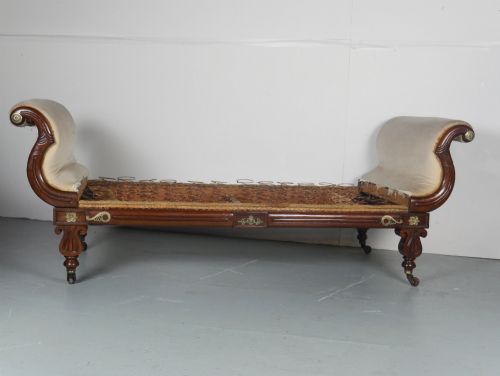
- A furniture arm or terminal curved into a scroll shape. Regency sofas and Chinese kang beds frequently incorporate this profile.
Brown Daybed: Frequently Asked Questions
What is a brown daybed?
A brown daybed is a piece of furniture intended for reclining, spanning forms such as nineteenth-century chaise longues, campaign beds, and wooden benches.
These items range from Victorian mahogany couches to Chinese hardwood opium beds, utilising dark woods and earthy upholstery tones.
How do I identify a Victorian daybed?
Victorian daybeds typically feature dark timbers like mahogany or walnut, often displaying carved rosewood frames, button-backed leather, or scrolled ends.
They reflect mid to late nineteenth-century British design standards, prioritising heavy upholstery and robust wooden structures.
What materials are used?
Construction relies heavily on timbers including mahogany, walnut, teak, elm, and various hardwoods. Metal elements such as brass, iron, and embossed metal also appear.
Upholstery materials include leather, velvet, fabric, and rattan across different historical periods.
How were campaign beds used?
Campaign beds were built for portability, featuring folding frames and detachable legs for transport during military campaigns or travel. Nineteenth-century examples often combine mahogany and brass with folding mechanisms.