


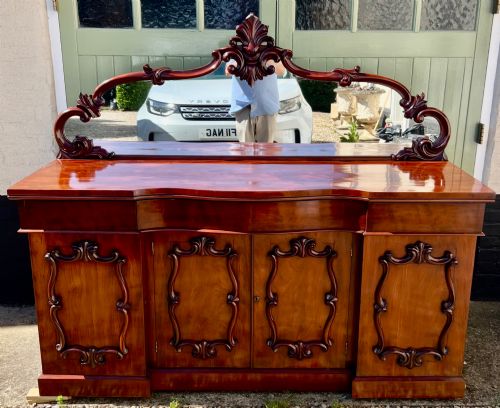
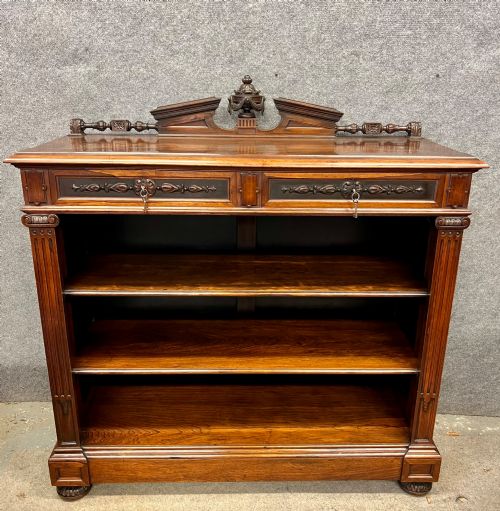


Brown Credenza Unit
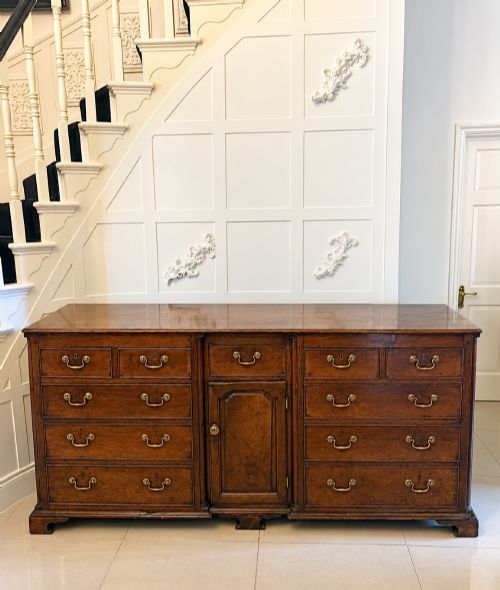
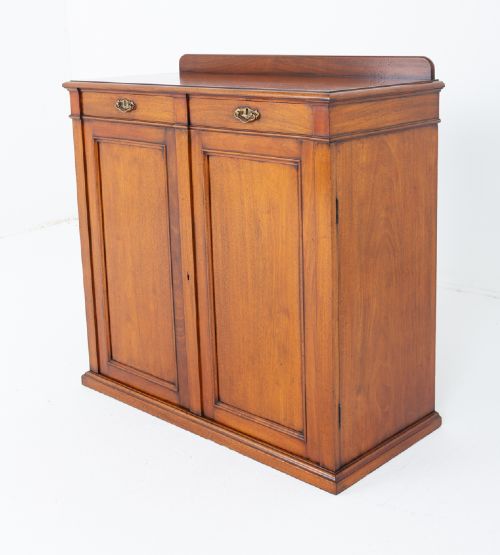
A brown credenza unit offers practical storage and timeless timber character, bringing generous surface space and compartmentalised organisation to a dining room or hallway.
Brown Credenza Unit
A brown credenza unit encompasses versatile sideboards, side cabinets, and cupboards found across the nineteenth and early twentieth centuries. These timber storage pieces provide enclosed shelving and display surfaces suited to domestic organisation.
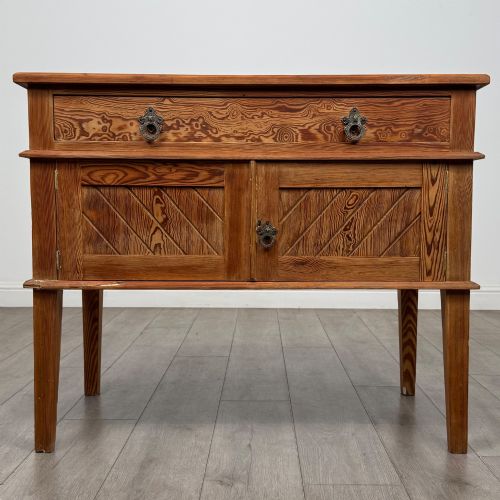
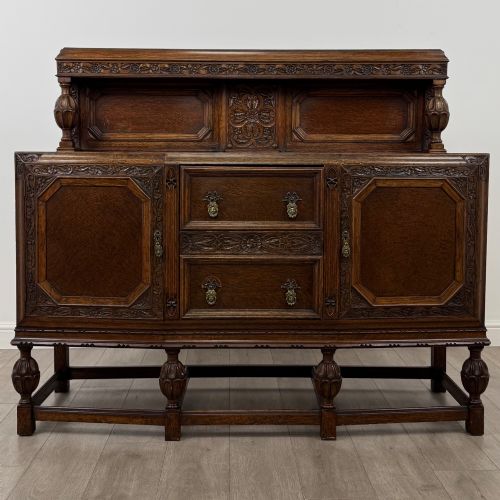
The selections range from Victorian pitch pine and mahogany designs to Edwardian carved oak sideboards and 1920s Danish cupboards. Buyers encounter varied formats including breakfront bookcases, cocktail cabinets, and mirror-backed sideboards.
Originating across diverse revival styles such as Jacobean, Queen Anne, and Sheraton alongside Arts and Crafts and Art Deco movements, these cabinets reflect shifting domestic habits and decorative tastes over several decades.
Materials and construction methods
Makers utilised solid and figured timbers including oak, mahogany, walnut, pitch pine, and satinwood, frequently enhanced by decorative wood inlays. Structural framing often incorporated durable hardwoods to support heavy shelved interiors and expansive top surfaces.
Hardware details such as brass handles, brass face handles, and glass panels were integrated to combine utility with aesthetic refinement. Carved elements, raised galleries, and mirrored backs demonstrate specialised joinery and cabinet-making techniques of each period.
Brown Credenza Unit Retail Price Guide 2026
Typical asking prices for brown credenza unit among the pieces listed under this phrase on Sellingantiques today, from the lower quarter to the upper quarter. They describe what is for sale here now, not the wider market.
A surprise satinwood washstand by Gillows sits comfortably among the heavy oak sideboards and cocktail cabinets.
Distinguishing quality and execution
The grade of a brown credenza unit depends on the selection of timber, such as highly figured walnut or finely grained mahogany, and the precision of its joinery. Superior examples display balanced proportions, integrated satinwood inlays, and well-executed decorative carving rather than standard assembly.
Fittings and hardware contribute significantly to the overall standard, distinguishing mass-produced items from workshop pieces equipped with quality brass handles and carefully fitted internal shelving.
Gillows
The Brown Credenza Unit Glossary
- Breakfront
- A cabinet design where the central section projects forward from the flanking outer sections. This architectural arrangement creates depth and visual interest on large sideboards and bookcases.
- Chiffonier
- A compact low sideboard or cupboard originating in the nineteenth century, frequently fitted with open book shelves or a raised superstructure. It served as convenient side storage in nineteenth-century drawing rooms.
- Pitch pine
- A resinous North American softwood utilised for robust nineteenth-century furniture. It yields a distinctive dense grain pattern and pale brown tone.
- Gonçalo-Alvez
- A dense exotic hardwood sometimes called tiger wood, utilised for Regency and nineteenth-century cabinet making. It displays striking contrasting dark brown figuring.
- Satinwood
- A lustrous yellow-brown exotic timber employed primarily for decorative inlays and banding on fine cabinets. Its fine grain catches the light effectively.
Brown Credenza Unit: Frequently Asked Questions
How are these cabinets best used at home?
These timber cabinets serve well in dining rooms and living spaces to store tableware, glassware, and household linens while offering a flat surface for display.
Their substantial internal shelving accommodates books and everyday items, keeping rooms organised while introducing period character.
What timber types appear most frequently?
Oak and mahogany dominate the selection, appearing across various revival styles from the nineteenth and early twentieth centuries.
Walnut, pitch pine, and satinwood also feature regularly, each contributing distinct grain patterns and colour variations to the furniture.
How do I identify the period of a cabinet?
Dating relies on examining the construction materials, hardware, and stylistic influences such as Jacobean Revival or Art Deco.
Details like brass face handles, mirror backs, and carved oak motifs help align pieces with Victorian, Edwardian, or later twentieth-century manufacturing eras.
Do these units require special environmental care?
Keeping wooden furniture away from direct heat sources and sudden humidity changes protects the timber and prevents warping.
Regular dusting with a dry cloth and occasional application of appropriate furniture wax maintains the finish of the wood.