


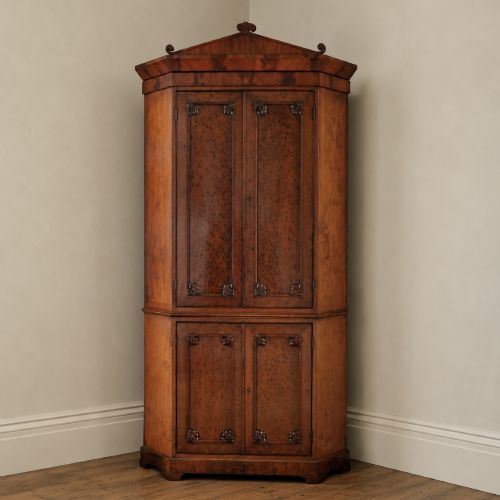
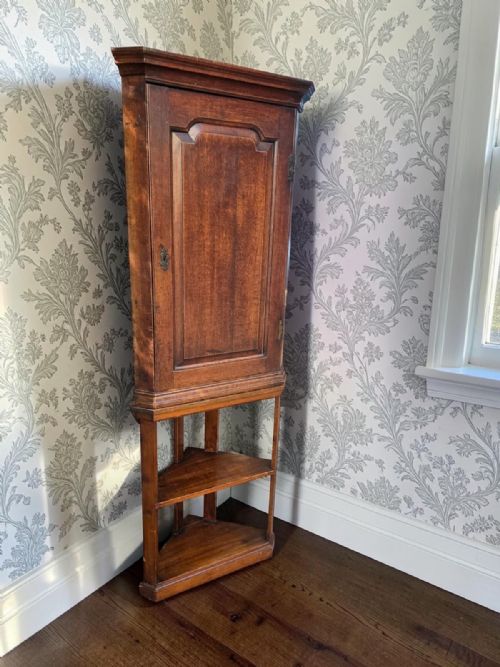
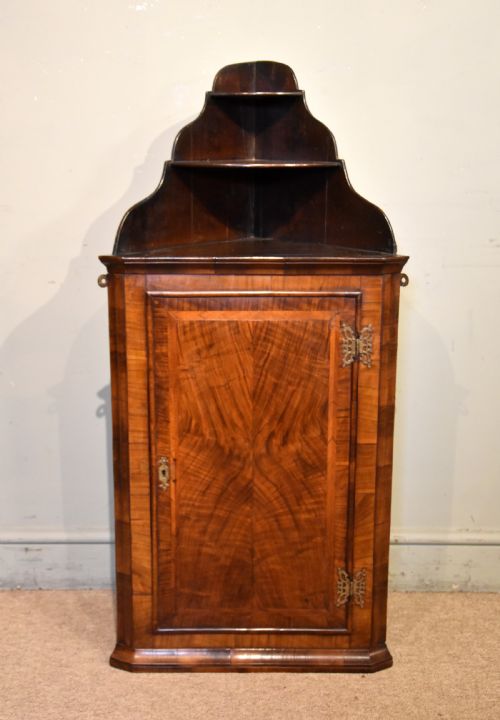
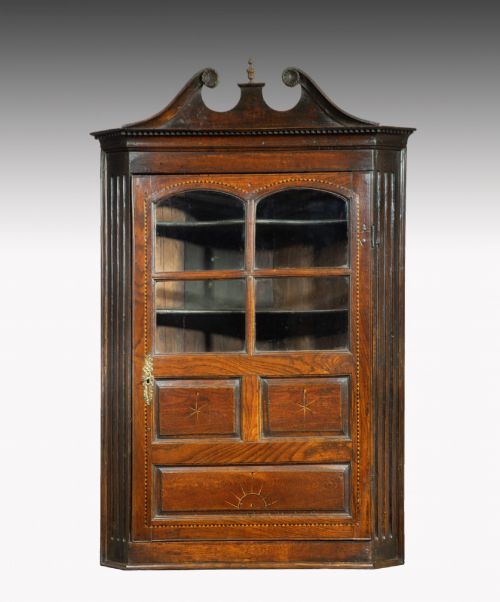
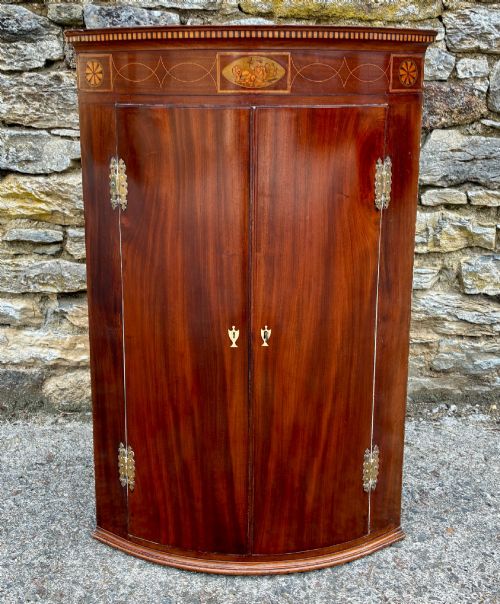
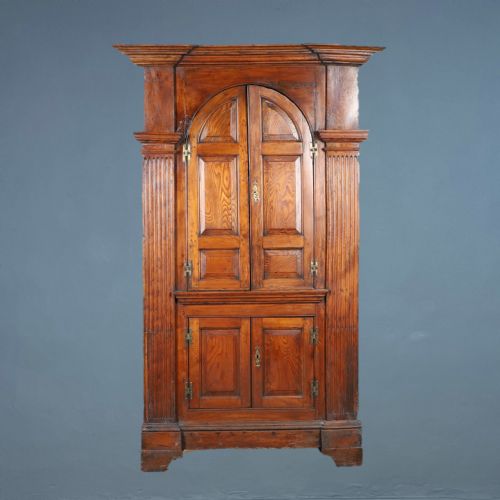
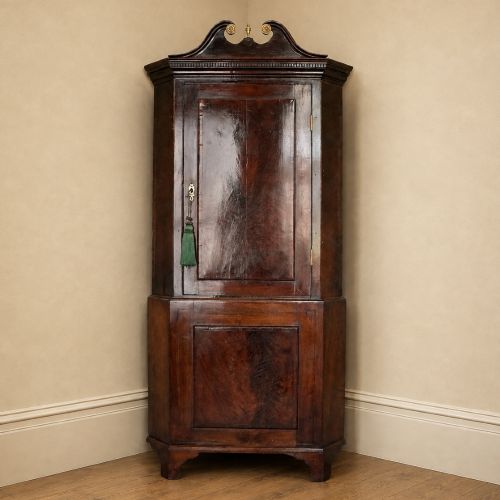
Brown Corner Display Cabinet
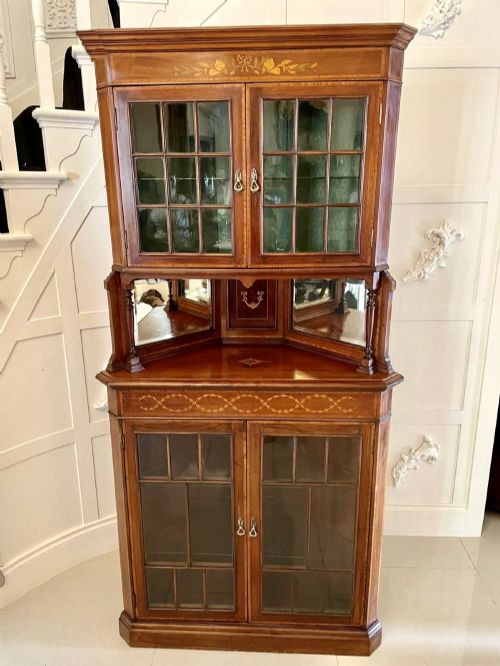
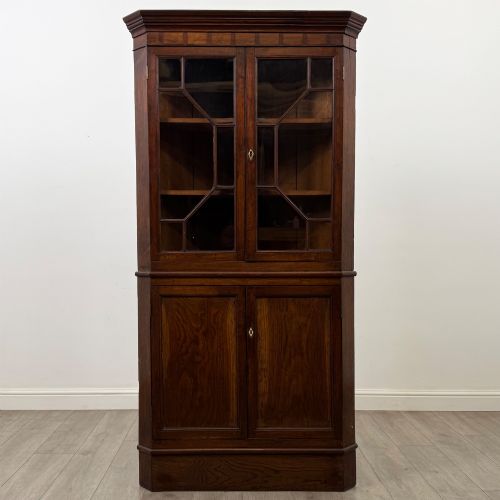
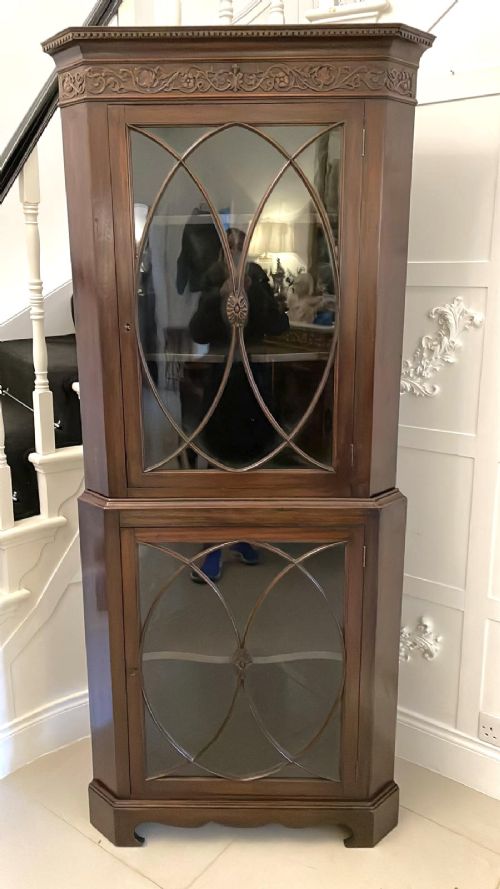
A brown corner display cabinet fits neatly into neglected room angles while showing off cherished possessions behind glass.
Brown Corner Display Cabinet
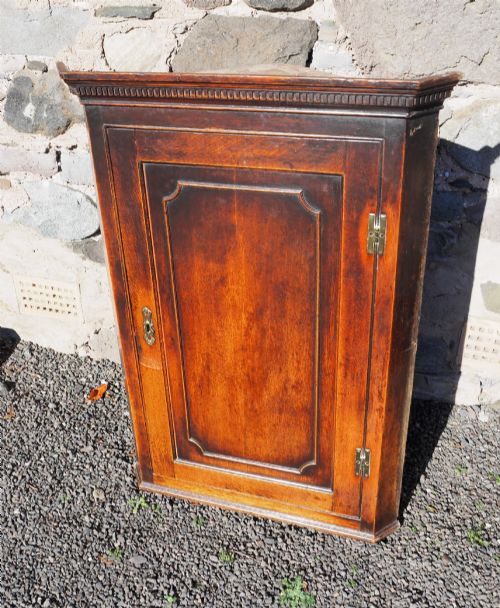
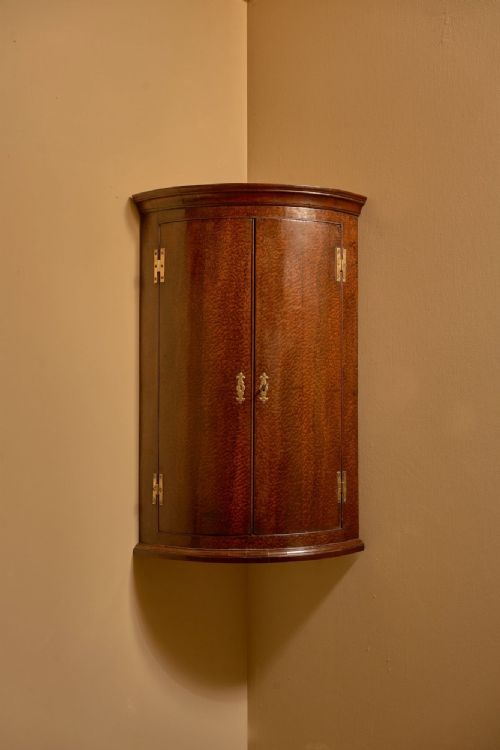
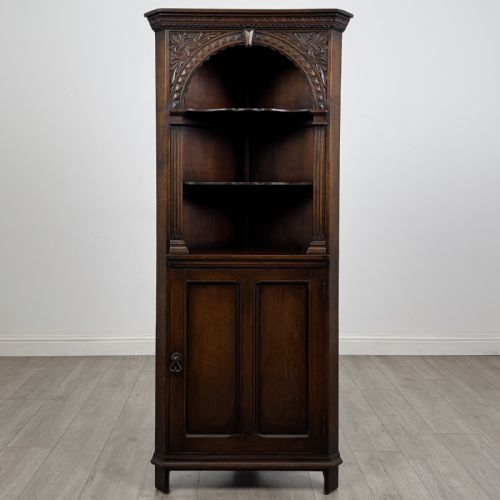
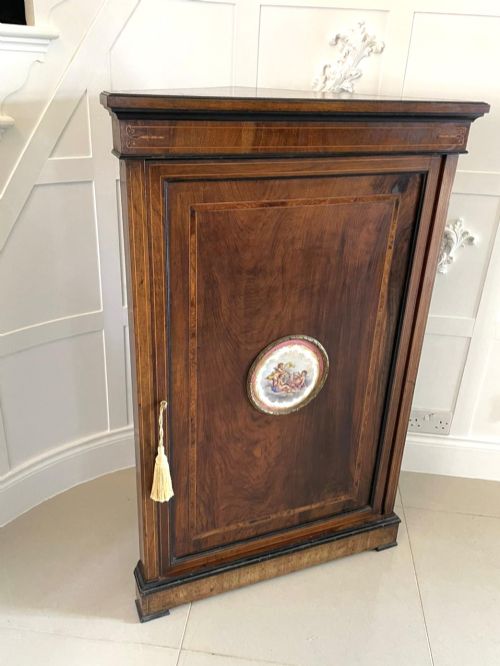
A brown corner display cabinet turns empty wall junctions into useful storage space for china, glass and ornaments. These pieces range from compact wall-hanging cupboards to tall floor-standing furniture.
The selections on this page draw from periods spanning the eighteenth century through to the nineteen-thirties, taking in Georgian, Victorian and Edwardian iterations.
Mahogany and oak dominate the timber choices, often finished with glass doors to protect the contents while keeping them visible from across the room.
Materials and construction
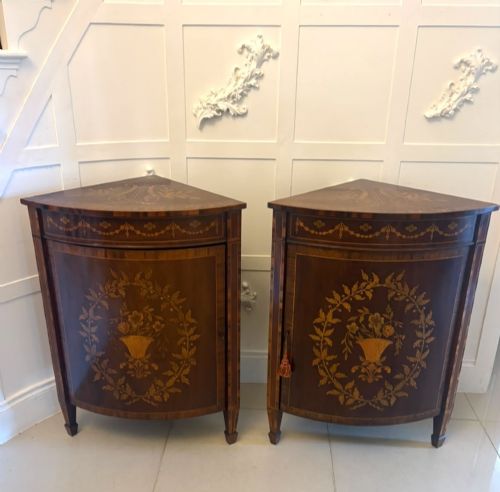
Cabinet makers relied on solid timbers such as mahogany, oak and walnut for the structural carcase, frequently applying decorative veneers or crossbanding to the exterior surfaces.
Glass panels are fitted into wooden frames or astragal bars, while brass hardware secures the doors and drawers during daily use.
Brown Corner Display Cabinet Retail Price Guide 2026
Typical asking prices for brown corner display cabinet among the pieces listed under this phrase on Sellingantiques today, from the lower quarter to the upper quarter. They describe what is for sale here now, not the wider market.
The listings span multiple centuries, utilising woods like mahogany, oak, walnut and satinwood across Georgian, Victorian and Edwardian periods.
Assessing quality and craftsmanship
The standard of timber selection and the precision of inlaid details set finer examples apart from simpler utilitarian pieces made for smaller rooms.
Original glass panes, working locks with period keys, and clean interior shelving indicate a higher degree of preservation.
The Brown Corner Display Cabinet Glossary
- Astragal
- The thin wooden moulding strips that divide individual panes of glass within a cabinet door. These define the geometric patterns seen on many glazed furniture fronts.
- Bow front
- A convex, outwardly curved cabinet door or drawer front. This shape softens the hard angles typical of traditional corner furniture.
- Crossbanding
- A narrow strip of veneer laid across the grain of the primary timber to form a decorative border. It frequently frames the edges of cabinet doors.
- Floor-standing
- A cabinet built to rest directly on the floor rather than hanging from wall brackets. These versions often incorporate larger storage capacities.
Brown Corner Display Cabinet: Frequently Asked Questions
How do I hang a wall cabinet?
Wall-hanging corner cupboards require secure fixings into solid masonry or well-located wall studs to bear the weight of the timber and contents.
Professional installation ensures the cabinet remains level and stable once loaded with heavy porcelain or glassware.
What fits inside these cabinets?
Interior shelving accommodates small collections, ceramic plates, drinking glasses and decorative ornaments safely out of the way of daily foot traffic.
The angled layout makes efficient use of corner space while keeping the displayed items clearly in view.
How do I date an antique cabinet?
Dating relies on observing timber types, construction methods, hardware styles and decorative motifs such as inlay or crossbanding.
Georgian pieces display different proportions and joinery techniques compared to later Victorian or Edwardian revivals.
Are keys usually included?
Many older corner cupboards retain their original working locks and accompanying keys, though replacements are sometimes fitted later.
Checking the listing details confirms whether a functional key remains with the cabinet door.