
Brown Coffee Table
A brown coffee table anchors a sitting room with rich timber grain and practical surface space gathered over decades.
Brown Coffee Table
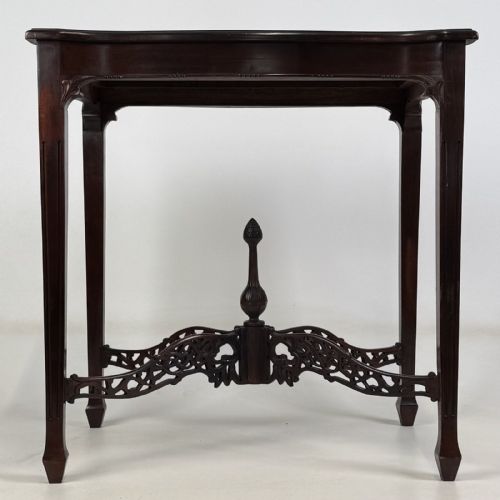
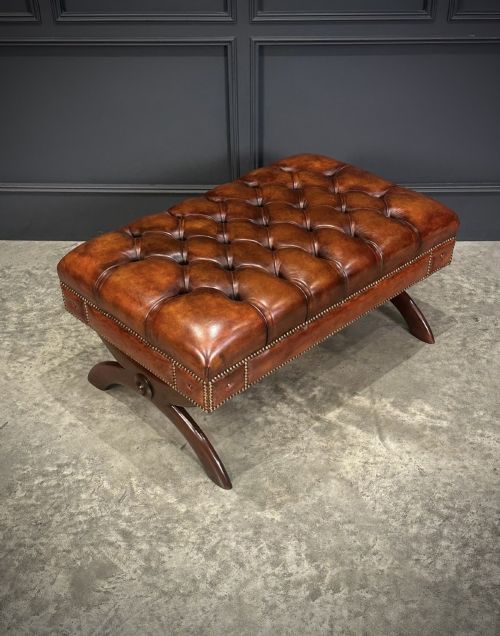
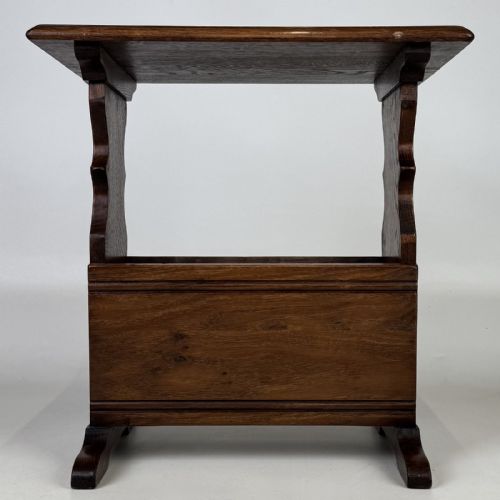
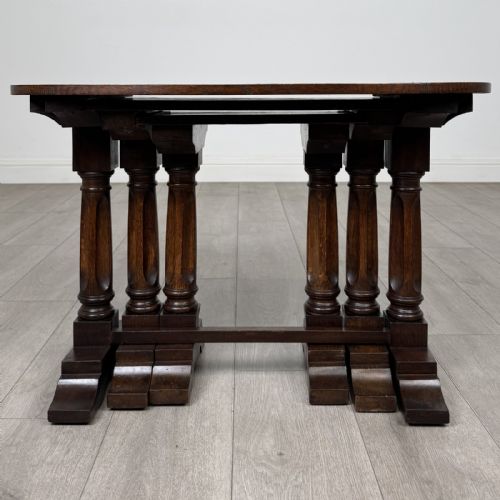
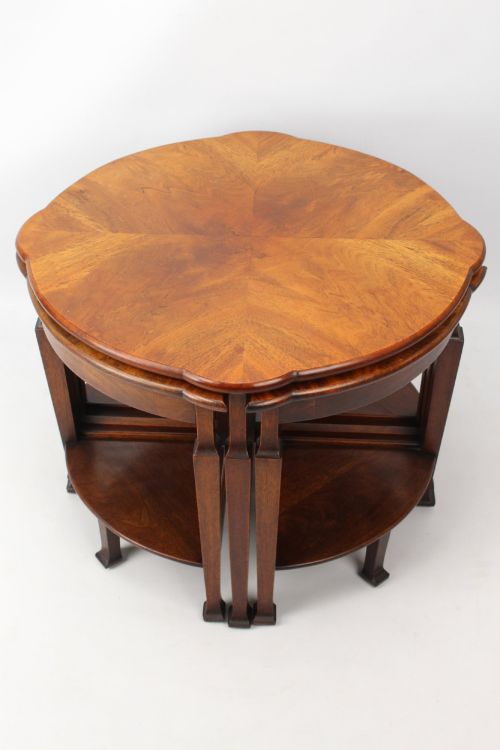
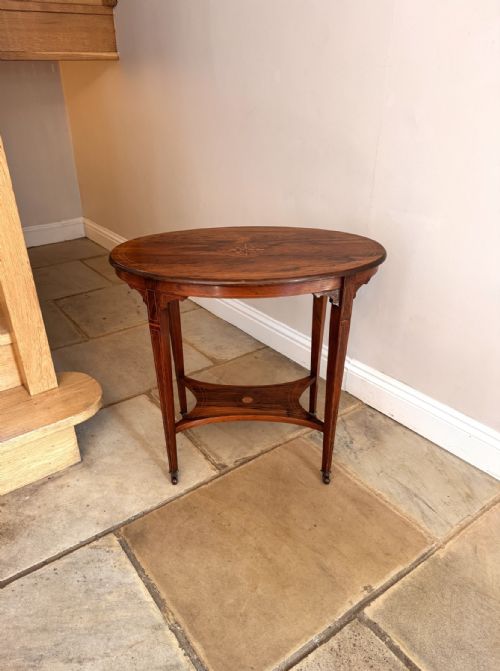
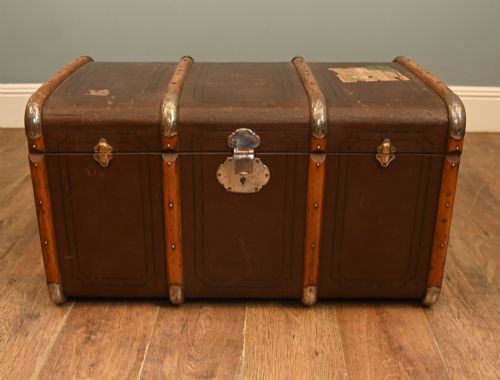
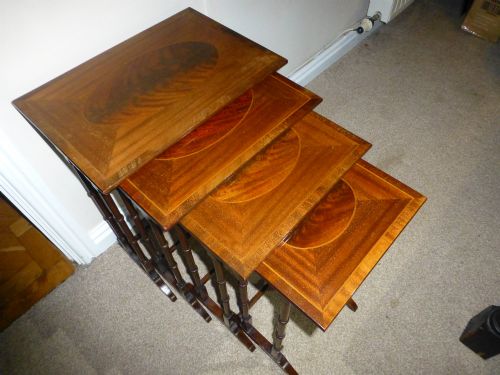
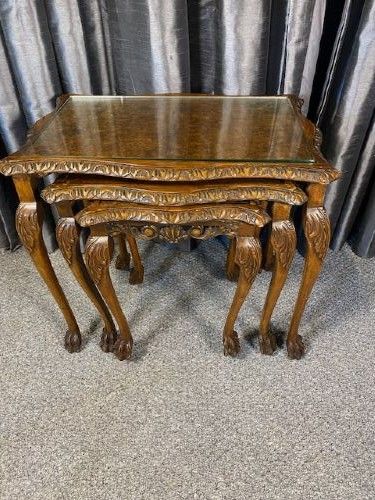
When searching for a brown coffee table, buyers encounter a diverse range of low wooden surfaces designed to sit before a sofa or armchair. These pieces span multiple decades and centuries, incorporating forms originally built as distinct object types like butler's trays, campaign trunks, nests of tables, and occasional lamp tables.
The selection on this page relies heavily on nineteenth-century craftsmanship alongside Edwardian, Art Deco, and 1930s productions. Walnut and mahogany dominate the offerings, appearing alongside oak, pine, yew, and hardwood structures.
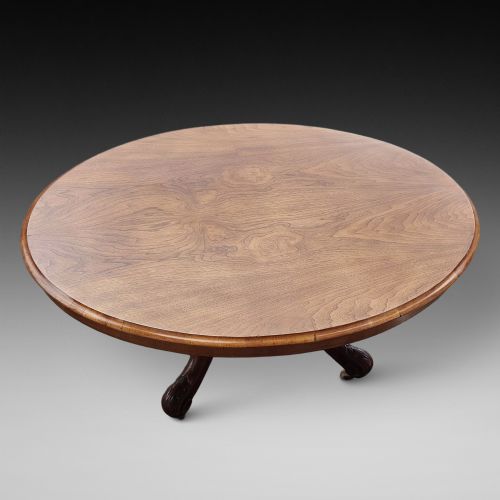
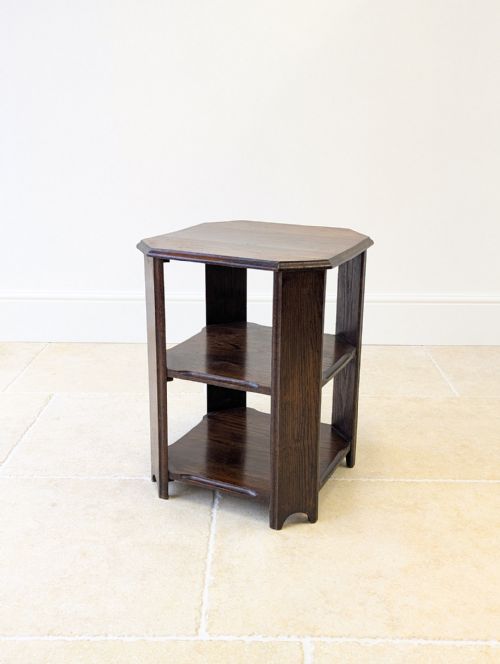
Buyers are most likely to meet refined Victorian burr walnut tables, streamlined Art Deco walnut pieces, or practical Edwardian oak designs. Conversions of older trunks and campaign chests also provide low table alternatives with integrated storage.
How they were made
Cabinetmakers utilised dense timbers such as walnut, mahogany, and oak, often selecting burr or figured veneer variations to display intricate grain patterns across tabletops. Solid woods formed structural elements like turned legs, frames, and drop-flap supports.
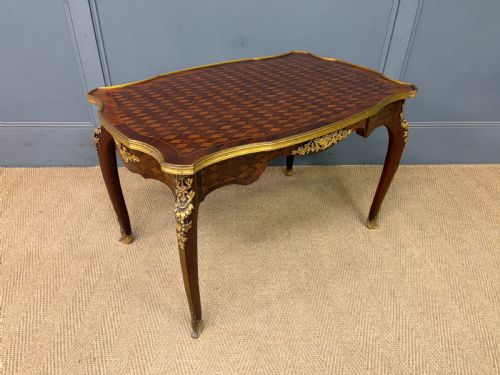
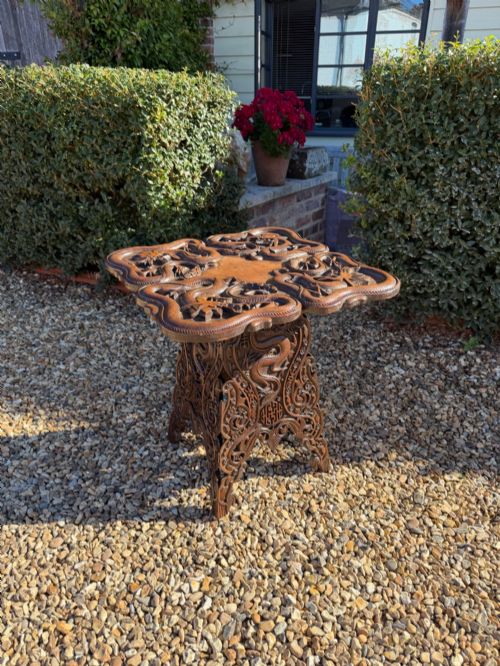
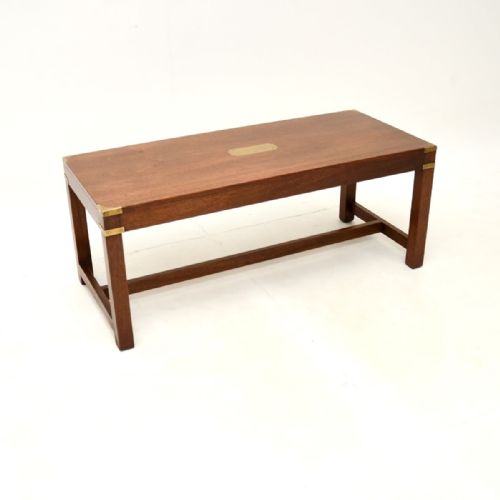
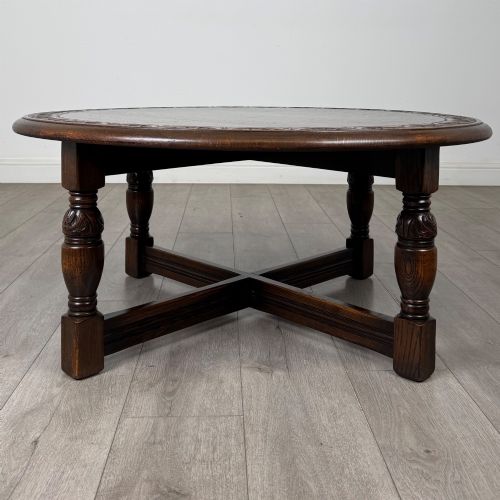
Decorative techniques included marquetry, parquetry inlay, and carved details matching Victorian, Jacobean Revival, or Carolean styles. Campaign and trunk conversions integrated functional brass-bound corners, handles, and iron bases.
French polishing and specialised joining methods ensured durable finishes that survived decades of domestic use while highlighting the natural warmth of the hardwood.
Listings feature walnut, mahogany, oak, and camphor wood across Victorian, Edwardian, and Art Deco periods.
What varies in quality
The caliber of a brown coffee table rests upon the selection of timber veneers and the precision of cabinetmaking joints. Superior examples exhibit tightly figured burr walnut or rich mahogany matched symmetrically across the surface, whereas lesser pieces display plain or heavily patched timber.
Construction methods dictate longevity, distinguishing hand-carved framework and stable structural joinery from simpler assembled alternatives. Maker attribution, such as documented Victorian workshop production, elevates a piece through superior finishing and refined proportions.
Holland & Sons
The Brown Coffee Table Glossary
- Burr walnut
- A prized veneer sliced from irregular growths on walnut trees, showing swirling knot patterns. It provides rich decorative movement on tabletops.
- Butler's tray
- A removable wooden tray with hinged or fixed sides, originally designed for serving and resting on a folding stand. It translates well into low table use.
- Marquetry
- The art of applying decorative veneer pieces in geometric or pictorial patterns onto a wooden base. It requires high precision from the cabinetmaker.
- Campaign trunk
- A portable storage chest made in sections with brass corners and recessed handles for travel. In modern settings, these function as sturdy coffee tables.
- Nest of tables
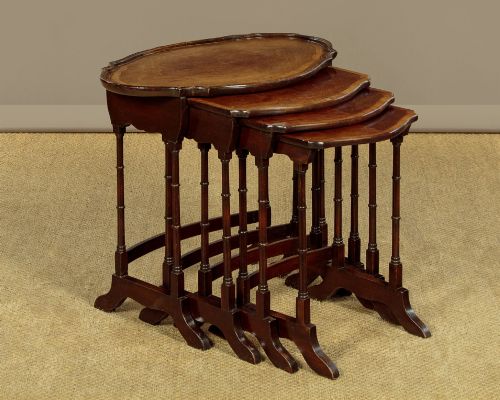
- A set of graduated tables designed to slide neatly beneath one another. They offer flexible surface space in compact sitting rooms.
Brown Coffee Table: Frequently Asked Questions
How do I date a wooden coffee table?
Dating relies on examining the style, timber preparation, and construction methods. Victorian pieces often feature heavy walnut and intricate marquetry, while Art Deco tables display geometric veneered tiers.
Edwardian examples frequently use oak or mahogany in lighter forms, and campaign or trunk conversions retain military brass hardware from the nineteenth century.
Are trunk coffee tables practical?
Trunk coffee tables offer dual utility by combining a sturdy surface with concealed internal storage. Camphor wood and industrial wicker trunks provide deep compartments for blankets or household items.
Their robust construction handles daily living demands while introducing rustic or travel-worn textures to an interior scheme.
How do I style a walnut coffee table?
A walnut table with figured grain benefits from restrained styling that allows the timber to remain visible. Pair the rich brown tones with contrasting textures like ceramics, glassware, or metal accents.
Using a nest of tables nearby permits flexible arrangement when hosting guests without cluttering the main surface.