




Brown Ceramic Bowl
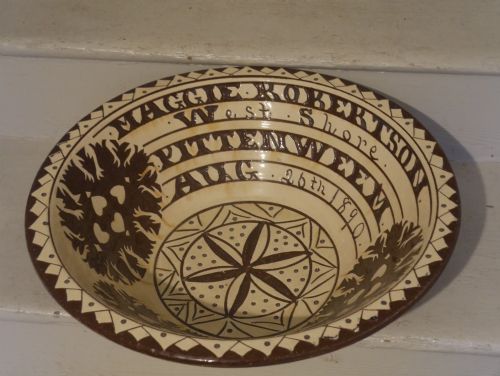
These brown ceramic bowl examples span utilitarian dairy vessels and decorative majolica, offering practical utility and historic interest.
Brown Ceramic Bowl
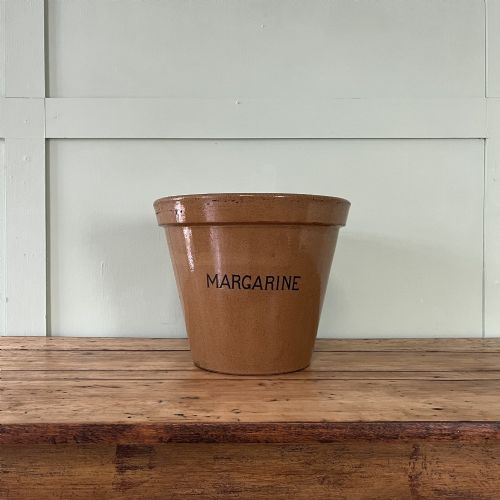
A brown ceramic bowl encompasses practical storage vessels and decorative table pieces found across the Victorian and Edwardian periods. Buyers investigating a brown ceramic bowl frequently encounter utilitarian dairy crocks and glazed earthenware forms originating from British potteries.
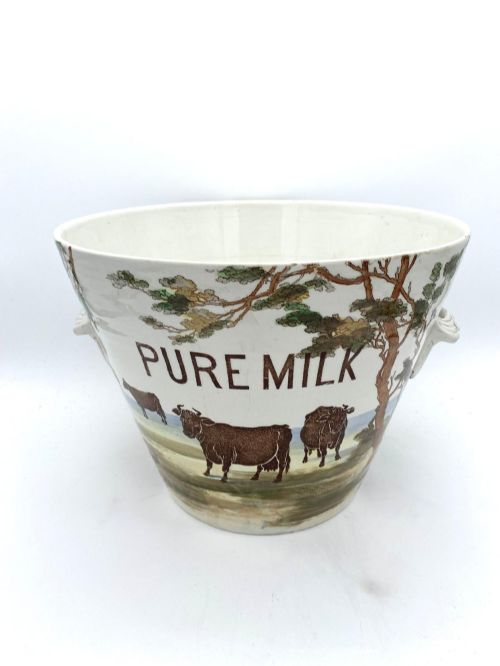
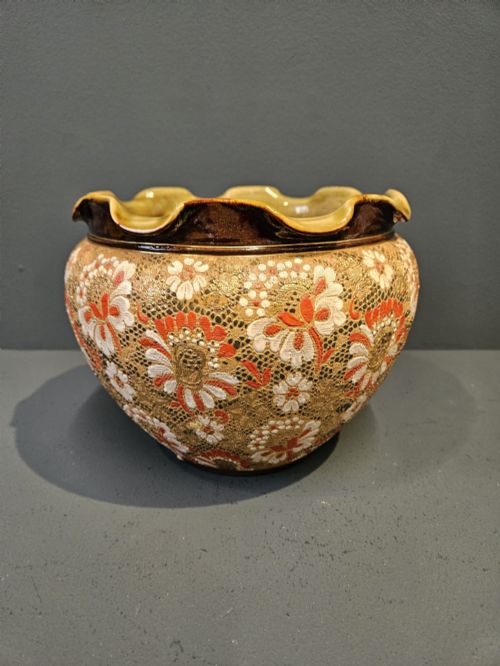
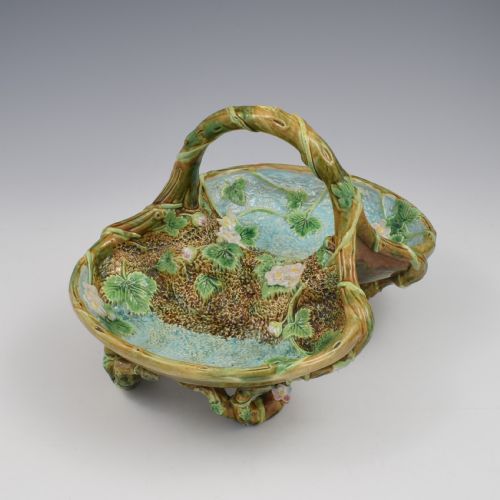
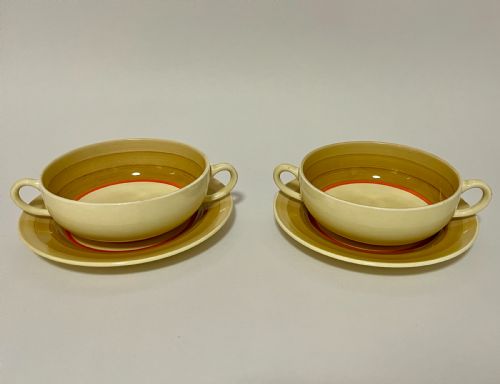
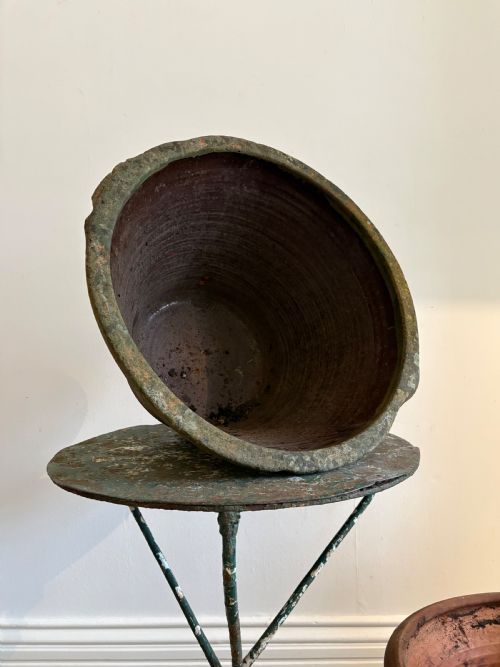
The selection ranges from large nineteenth century terracotta dairy bowls to delicate Chinese chocolate-glazed reserve vessels and majolica fruit baskets. These items served functional roles in domestic kitchens and dairies before finding appreciation in modern interiors.
Makers utilised robust stoneware and earthenware to withstand daily agricultural demands, resulting in heavy, durable vessels with rich earthy tones. Surviving pieces demonstrate the varied domestic and decorative applications of brown ceramics across multiple centuries.
Materials and construction
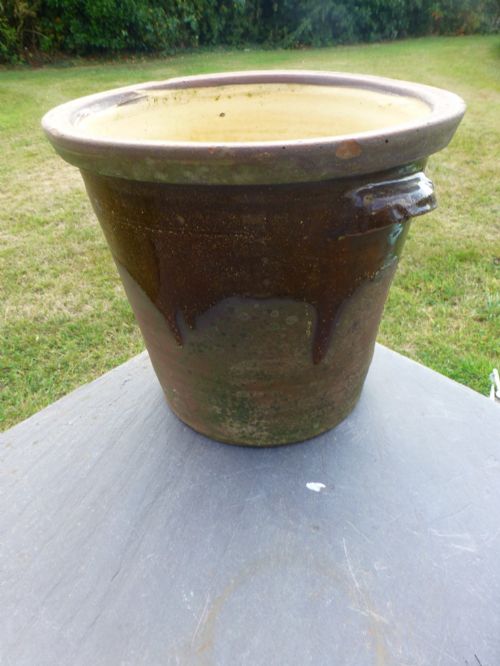
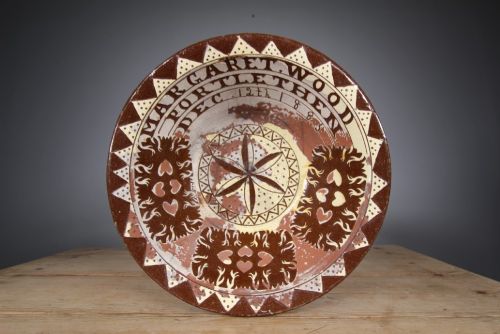
Potters shaped these vessels using earthenware, terracotta, and dense stoneware, applying slip glazes or rich iron rust finishes to seal the porous clay bodies. The firing process determined the depth and durability of the brown colouration, ranging from glossy chocolate tones to rustic slip glazes.
Interior surfaces often received specialised glazing to prevent liquid absorption, particularly in dairy and storage bowls designed for holding food or liquids. Exterior walls display the natural texture of the clay, sometimes enhanced with moulded decoration or hand-painted motifs.
Brown Ceramic Bowl Retail Price Guide 2026
Typical asking prices for brown ceramic bowl among the pieces listed under this phrase on Sellingantiques today, from the lower quarter to the upper quarter. They describe what is for sale here now, not the wider market.
Listings feature periods spanning the eighteenth, nineteenth, and twentieth centuries, utilising earthenware, stoneware, terracotta, and porcelain materials.
Assessing quality and condition
Quality rests in the crispness of the glaze application, the stability of the heavy clay body, and the preservation of any applied or moulded ornamentation. Superior examples maintain an even surface tone and clear maker indicators without excessive structural compromise from utilitarian wear.
The distinction between a standard kitchen vessel and an artistic studio piece lies in the refinement of the potting and the complexity of the glaze chemistry. Items featuring deliberate slip work or artistic brushwork represent the higher tier of these historic ceramics.
Doulton Lambeth·Seaton Pottery·George Jones·Clarice Cliff
The Brown Ceramic Bowl Glossary
- Slipware
- Pottery decorated with a liquid clay mixture applied before firing. This technique creates distinctive surface patterns and glossy finishes on utilitarian vessels.
- Terracotta
- Fired unglazed or partially glazed clay varying in colour from red to deep brown. It provides a porous, robust structure commonly utilised in large agricultural containers.
- Stoneware
- A high-fired ceramic material that is dense, impermeable, and naturally vitreous. It resists moisture absorption without requiring an internal glaze.
- Majolica
- A type of earthenware coated with an opaque tin glaze and painted with metallic oxide colours. It yields vibrant decorative surfaces popular during the nineteenth century.
- Crock
- A heavy, thick-walled earthenware or stoneware container utilised for food storage and preservation. These functional pieces often feature deep brown salt or slip glazes.
Brown Ceramic Bowl: Frequently Asked Questions
What were brown ceramic bowls originally used for?
Utilitarian versions functioned as dairy bowls, salting crocks, and storage vessels for holding milk, cream, and provisions in nineteenth-century homesteads. Their dense walls and glazed interiors kept contents secure and protected from moisture.
More decorative examples served as fruit baskets or table presentation dishes in affluent Edwardian and Victorian dining rooms. These dual purposes mean modern owners can display them as ornamentation or utilise them for dry storage.
How do I date an antique brown ceramic bowl?
Dating relies on examining the clay body, the consistency of the glaze, and any impressed factory marks or potter stamps on the base. Nineteenth-century pieces typically exhibit heavier terracotta or stoneware construction with hand-finished interior slips.
Stylistic cues such as Victorian naturalism or Edwardian proportions also help narrow the manufacturing era. Comparing the weight, glaze pooling, and base wear against documented factory examples confirms the period.
Are these bowls safe to use for food?
Many nineteenth-century and earlier utility bowls feature lead-based glazes or porous bodies that absorb liquids and food particles over decades of service. Historic wear patterns and hairline cracks can harbour bacteria, making them unsuitable for daily culinary use.
It is safer to reserve antique ceramic bowls for decorative display, dry storage, or holding fruit rather than serving wet foods. Assessing the interior glaze integrity guides whether a piece remains functional or purely collectible.
How should I clean and maintain my ceramic bowl?
Maintenance requires gentle cleaning with warm water and a soft cloth, avoiding abrasive scrubbing pads that might scratch the historic glaze or exposed terracotta. Harsh chemical detergents can damage fragile slipwork and degrade the historic clay surface over time.
Keeping the bowl in a stable environment away from extreme temperature fluctuations prevents thermal shock and crazing in the glaze. Regular dusting preserves the exterior finish without risking moisture damage to unglazed areas.