





Brown Cast Iron Stand
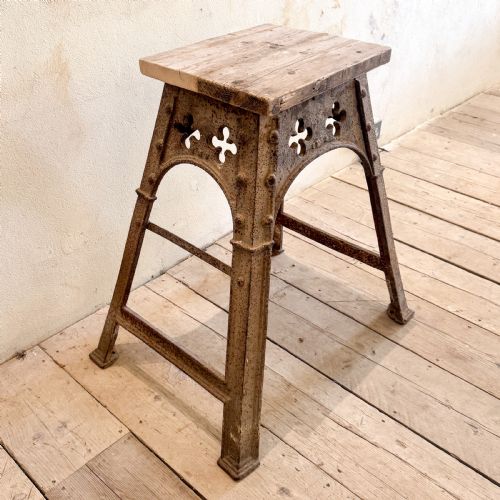
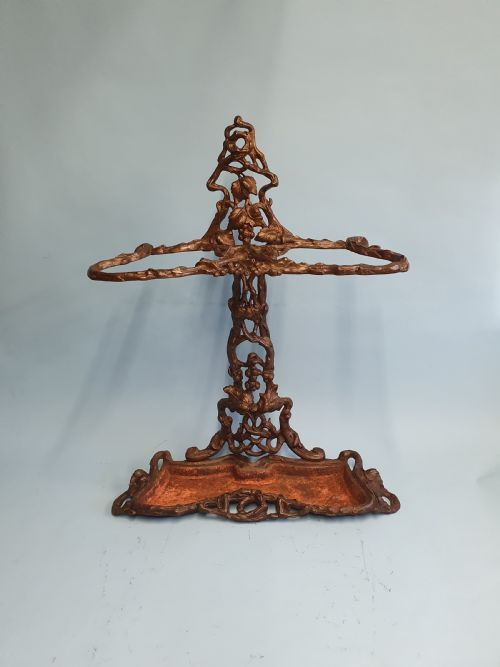
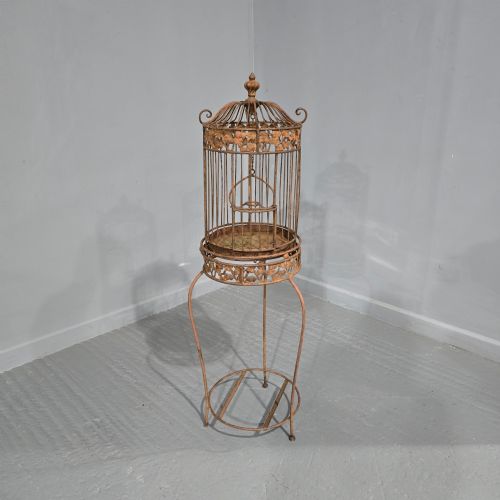
These brown cast iron stand examples combine heavy metal framing with utilitarian forms, offering robust everyday function for hallways and gardens alike.
Brown Cast Iron Stand
When you search for a brown cast iron stand, you are looking at heavy utility pieces designed to hold umbrellas, coats, or garden items. The listings on this page span the Victorian era, the nineteenth century, and into the early twentieth century.
Umbrella and stick stands predominate among the forms, alongside garden tables, coat racks, and occasional side tables. Most examples rely on the dark, painted, or rusted iron finishes characteristic of these periods.
Makers such as Coalbrookdale, A. Kenrick & Sons, and Falkirk Foundry shaped these functional objects into industrial, Art Nouveau, and Victorian Aesthetic Movement styles. Buyers typically choose them for hallway storage or garden utility where durability matters.
How they were made
Foundries produced these pieces using molten iron poured into sand moulds, capturing intricate relief patterns for drip trays, frames, and decorative panels. Painted finishes were frequently applied to protect the metal and give it a dark brown appearance.
Secondary materials such as timber, oak, mahogany, and brass appear alongside the iron framework in pieces like adjustable tables and coat racks. Wrought iron elements sometimes supplement the cast components to add structural support.
Listings feature Victorian, Edwardian, and 1930s periods, incorporating materials like cast iron, timber, brass, and enamel.
What varies in quality
Quality in a brown cast iron stand rests in the crispness of the foundry casting and the depth of the decorative relief. Finer examples show sharp detailing in plant motifs, faux bamboo moulding, or figurative elements without distortion from worn moulds.
The integrity of the original assembly also distinguishes superior pieces, particularly where iron meets secondary materials like timber or brass. Well-preserved painted or enamelled surfaces indicate better initial manufacturing and subsequent care.
A. Kenrick & Sons·Coalbrookdale·Falkirk Foundry·Carters of London
The Brown Cast Iron Stand Glossary
- Cast iron
- An iron-carbon alloy poured into a mould in a molten state to create rigid, heavy objects. It forms the primary structural body for these stands.
- Drip tray
- A shallow metal basin positioned at the base of stick and umbrella stands to catch moisture. It protects interior floors from wet walking accessories.
- Faux bamboo
- A decorative turning technique carved into wood or cast into metal to imitate natural bamboo stalks. This motif was popular during the Victorian period.
- Enamel
- A glassy coating fused to metal through high-temperature firing to provide a smooth, waterproof finish. It often appears on interior panels of umbrella holders.
- Relief
- Sculptural projection from a flat background surface used extensively in Victorian and Art Nouveau iron ornamentation. It adds texture and visual depth to structural panels.
Brown Cast Iron Stand: Frequently Asked Questions
What were brown cast iron stands used for?
These stands served practical functions in domestic entryways, reception halls, and gardens. They organised wet umbrellas, walking sticks, coats, and occasional lighting.
Heavier models provided stable platforms for display items or utility tasks. Their robust construction ensured they remained steady under daily household use.
How do I care for cast iron furniture?
Keep the metal clean and dry to prevent rust formation on unpainted surfaces. Dust regularly with a soft cloth and avoid abrasive cleaning agents.
Apply a light microcrystalline wax if the painted finish requires protection. Ensure drip trays are emptied and dried after holding wet items.
How do I date a cast iron stand?
Examine the design style, such as Victorian aesthetic motifs or Art Nouveau curves, which correspond to specific manufacturing decades. Foundry marks and registration numbers stamped into the iron provide direct historical clues.
Construction methods also help, as combinations with oak, mahogany, or brass point towards specific late nineteenth or early twentieth-century workshops.
Where should I place a stick stand?
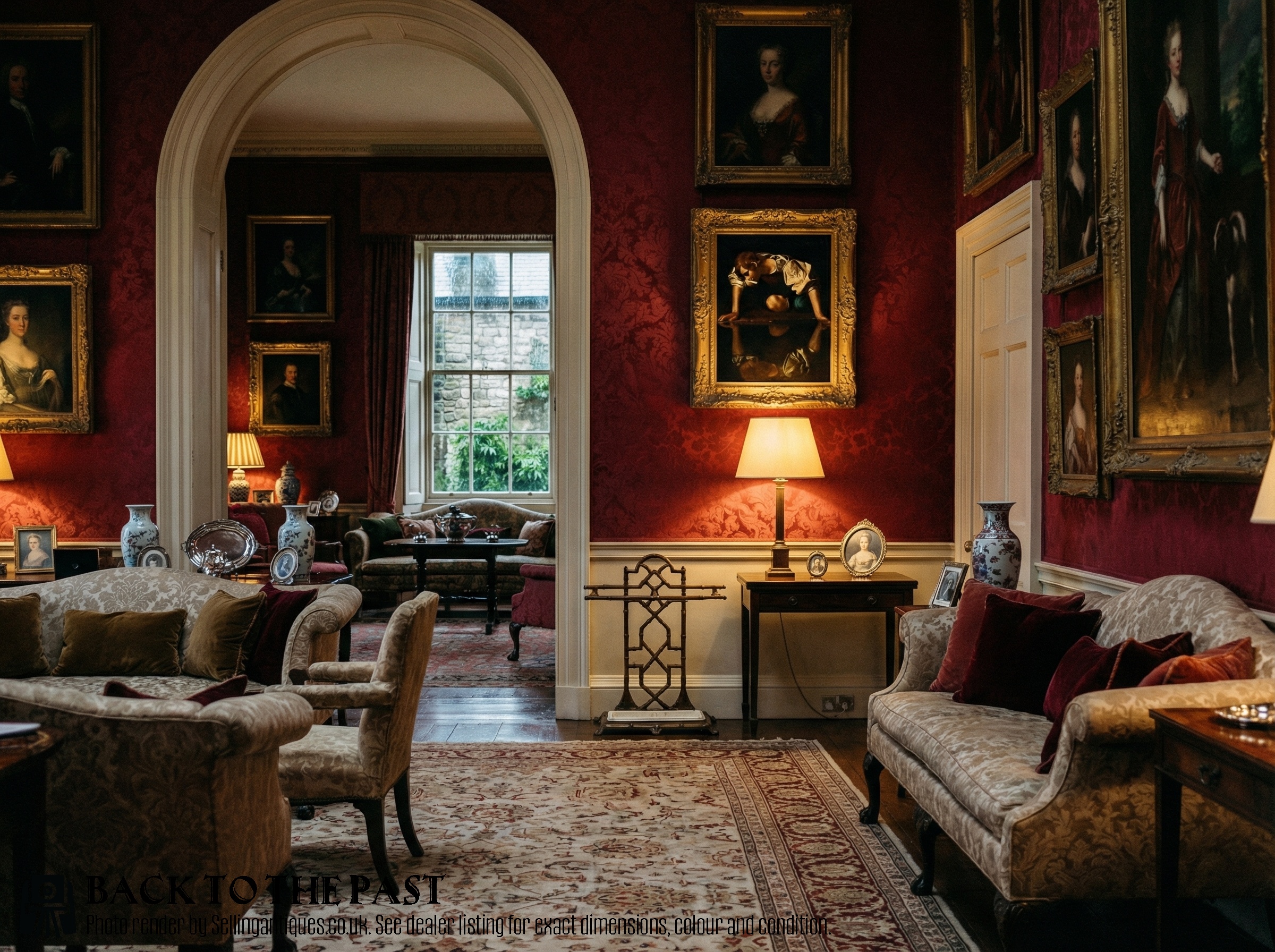
Position the stand near an entrance hall or porch where guests deposit walking gear and umbrellas. Ensure there is adequate floor clearance around the base to prevent water damage to adjacent carpets.
They also function well in boot rooms and corridors where heavy-duty storage is required.