
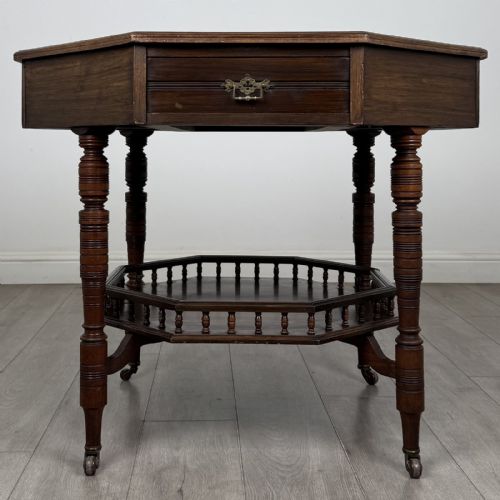
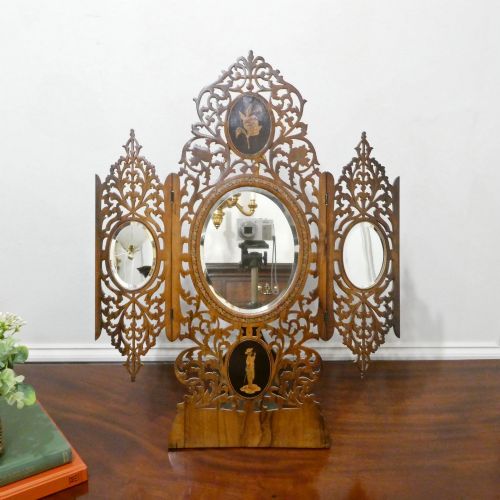
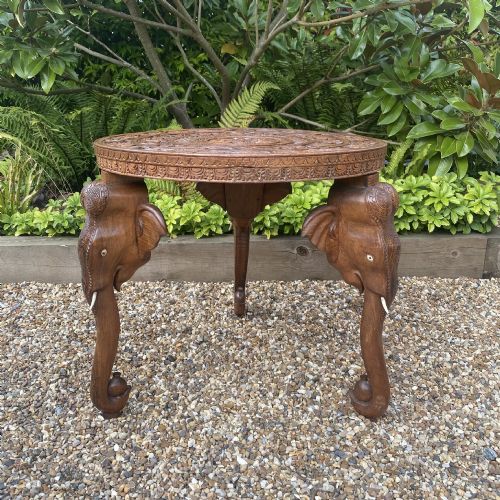
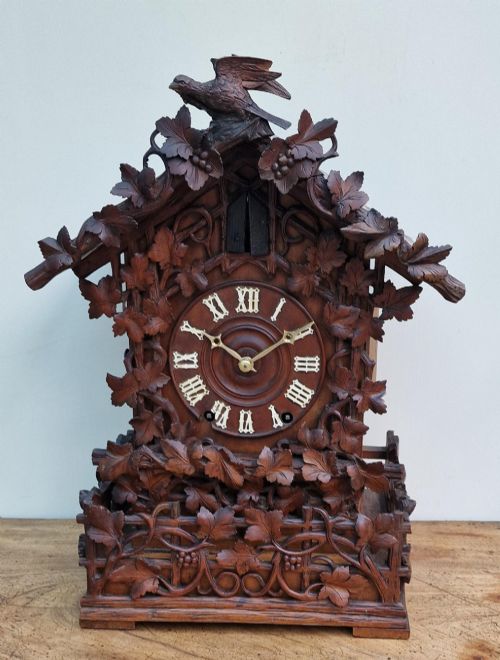
Brown Carved Wooden Table
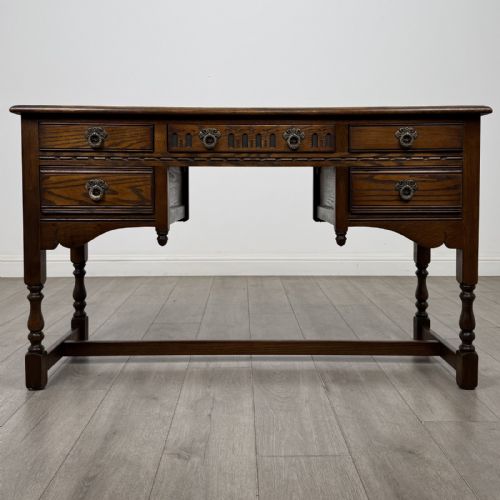
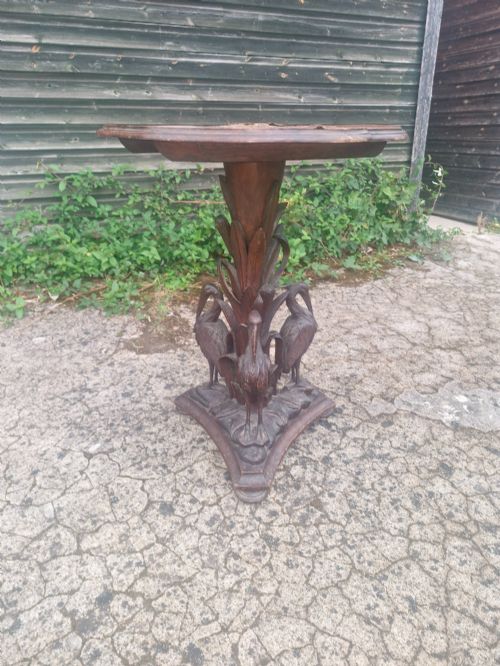
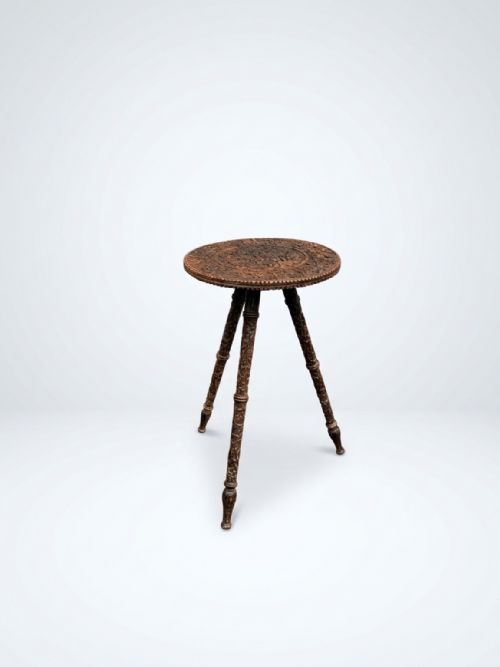
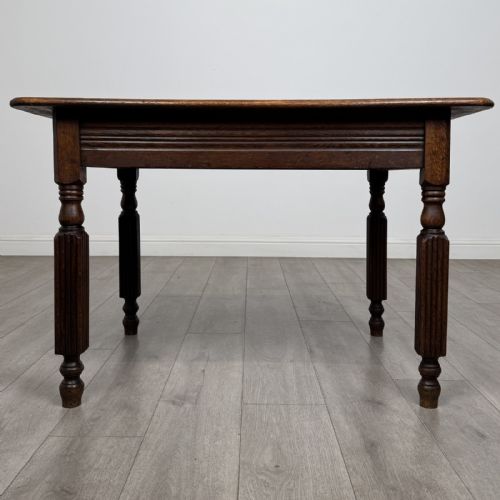
A brown carved wooden table brings genuine warmth and historical character to a room, offering solid construction in classic timbers.
Brown Carved Wooden Table
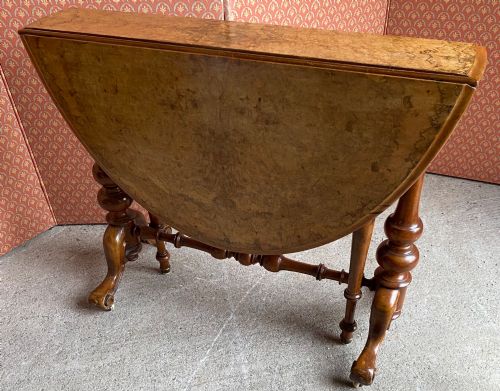
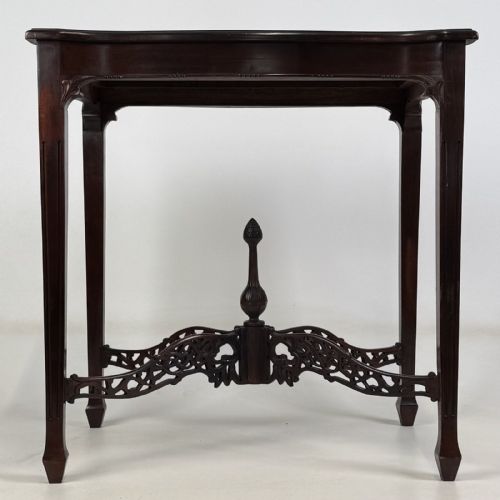
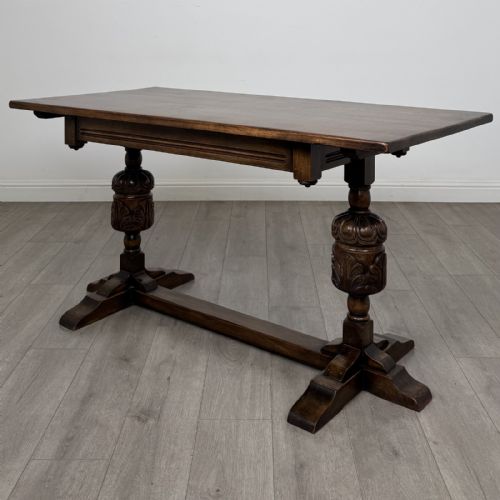
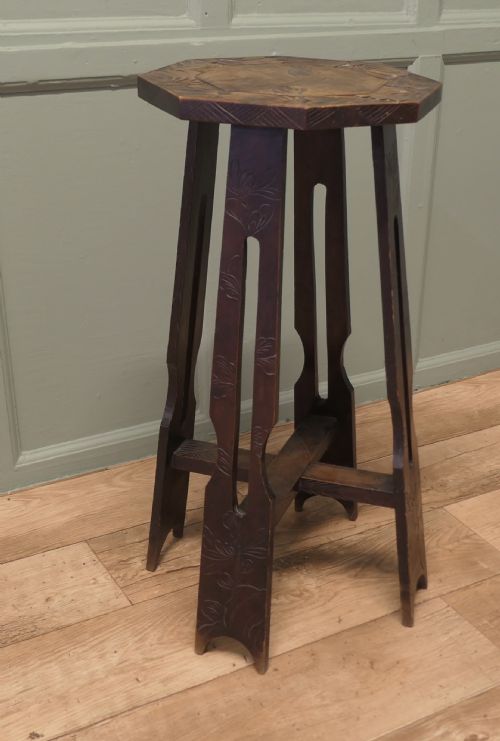
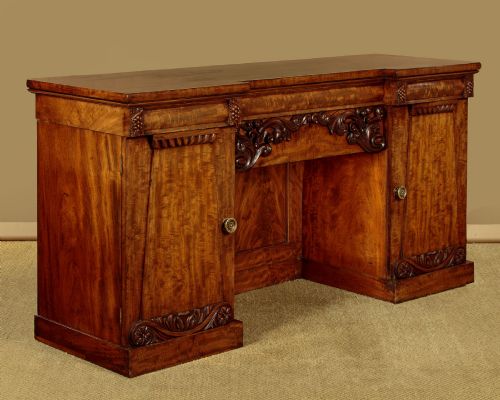
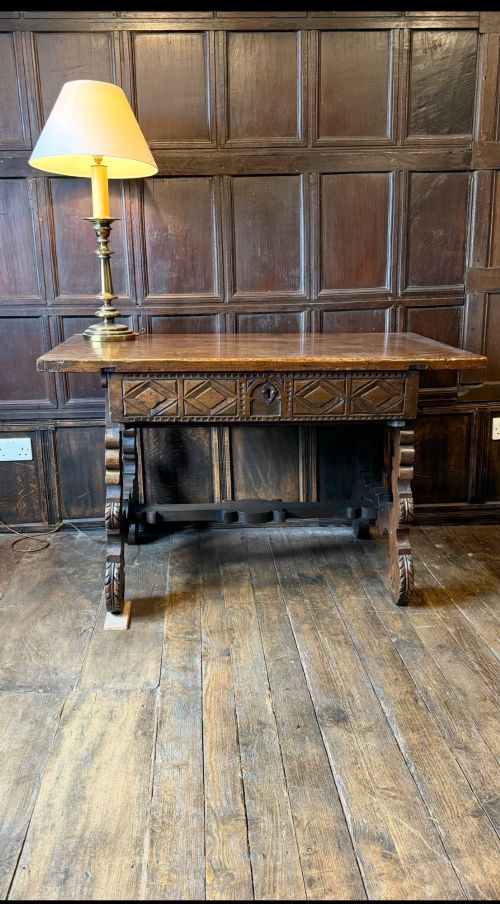
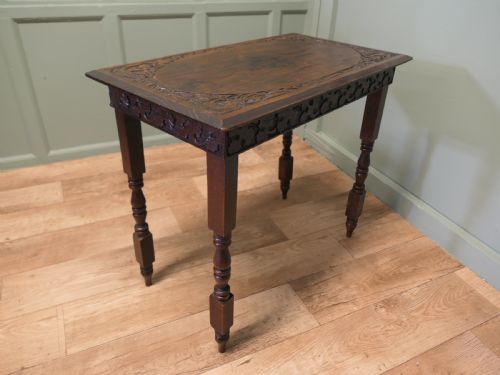
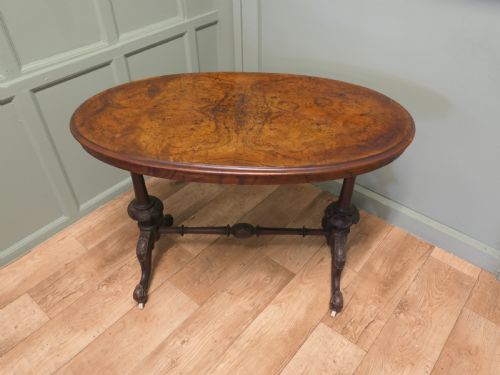
A brown carved wooden table encompasses a diverse array of domestic furniture designed for dining, writing, and display. When exploring this selection, a buyer encounters practical forms ranging from sturdy oak refectory dining tables to elegant Victorian burr walnut centre tables and Edwardian side tables.
The origins span various notable periods including the Victorian era, the Edwardian period, and the early twentieth century. Craftsmanship reflects distinct historical revivals and regional styles, ensuring each piece carries a distinct architectural heritage suited to traditional and contemporary interiors alike.
Materials and Construction
The primary materials recorded in these pieces are dense hardwoods, predominantly oak, walnut, and mahogany, often enhanced by burr walnut veneers or inlaid mahogany details. These timbers provide both structural integrity and deep, varied grain patterns that age gracefully.
Construction techniques rely on traditional joinery methods, incorporating carved ornamentation, turnings, and occasional brass hardware or glass elements. Artisans utilised durable framing and extension mechanisms, such as draw leaves or tilt-top birdcage actions, to ensure everyday functionality.
Current listings feature diverse timbers including oak, walnut, mahogany, and burr walnut across periods spanning the seventeenth to the twentieth century.
Judging Quality
Quality rests in the selection of timber, the crispness of the hand-carved detailing, and the integrity of the original construction. Superior examples display carefully matched wood veneers, rich natural patination, and robust joinery that withstands decades of daily use.
Lesser pieces may exhibit uniform machine finishing, replacement hardware, or obscured timber flaws. The distinction lies in the depth of the carving and the fidelity of the period style, which elevates a utilitarian item into a work of cabinet-making art.
Trevor Page & Co·P & MA Nicholson·H.A.C.
The Brown Carved Wooden Table Glossary
- Refectory table
- A long, narrow dining table traditionally used in monasteries and large halls. It is characterised by substantial legs connected by central longitudinal stretchers.
- Centre table
- A freestanding piece designed to be viewed from all sides rather than pushed against a wall. These often occupy the middle of a principal room as a decorative focal point.
- Draw leaf
- An extension mechanism where two leaves slide out from beneath the main surface. This allows the table length to increase quickly without removing the central top.
- Burr walnut
- Timber taken from the warted growth on a walnut tree, yielding highly decorative swirling grain patterns. Cabinet-makers slice this into thin veneers for decorative surfaces.
Brown Carved Wooden Table: Frequently Asked Questions
How do I care for a wooden table?
Maintain the timber by dusting regularly with a soft, dry cloth and avoiding placement near direct heat sources or strong sunlight. Apply natural beeswax periodically to nourish the grain and protect the finish.
Keep liquids away from the surface and use coasters or placemats to prevent moisture rings. Gentle care preserves the historical patination accumulated over generations.
Can I use an antique table daily?
Most antique tables are built from solid hardwoods and robust joinery designed for heavy, practical use. They handle family meals and daily writing tasks remarkably well when treated with reasonable care.
Protecting the surface during heavy work ensures the timber remains undamaged. Everyday use allows you to appreciate the enduring functionality built by past cabinet-makers.
What defines Edwardian furniture design?
Edwardian pieces often lighter proportions and draw inspiration from earlier eighteenth-century styles like Sheraton and Hepplewhite. Craftsmen frequently employed mahogany with delicate inlay work alongside functional oak items.
The period balances domestic comfort with refined ornamentation, reflecting a shift towards brighter, more versatile home interiors.