
Brown Carved Sculpture
These brown carved sculpture pieces span centuries of regional craftsmanship, offering rich textural detail and natural warmth to any interior.
Brown Carved Sculpture
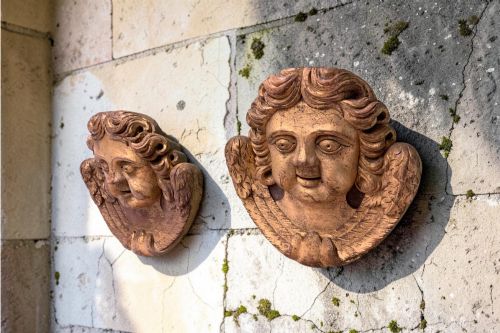
A brown carved sculpture encompasses a diverse array of wooden and polychromed figural works, architectural panels, and decorative objects originating from European, Asian, and African traditions. Buyers seek these items for their distinct historical character, expressive carving, and rich organic patination.
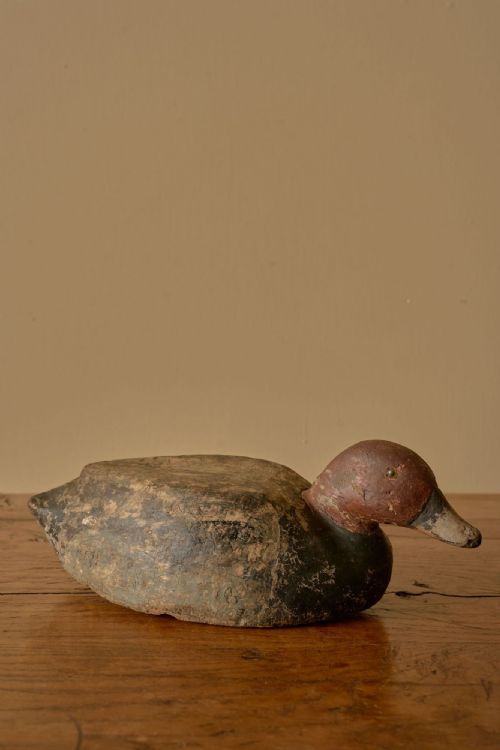
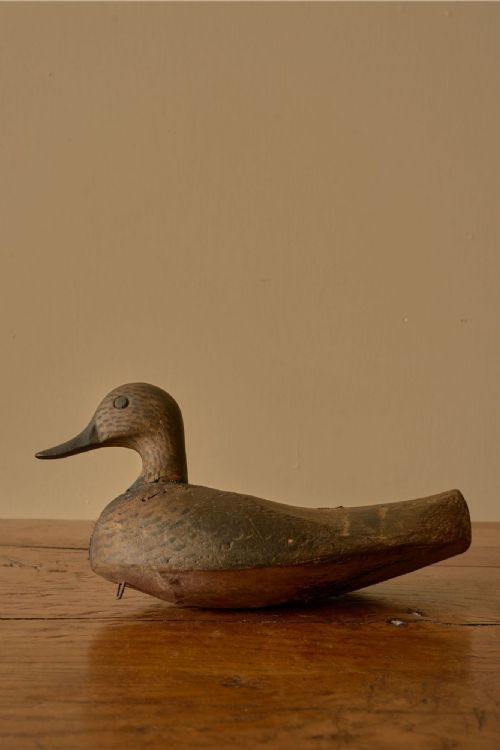
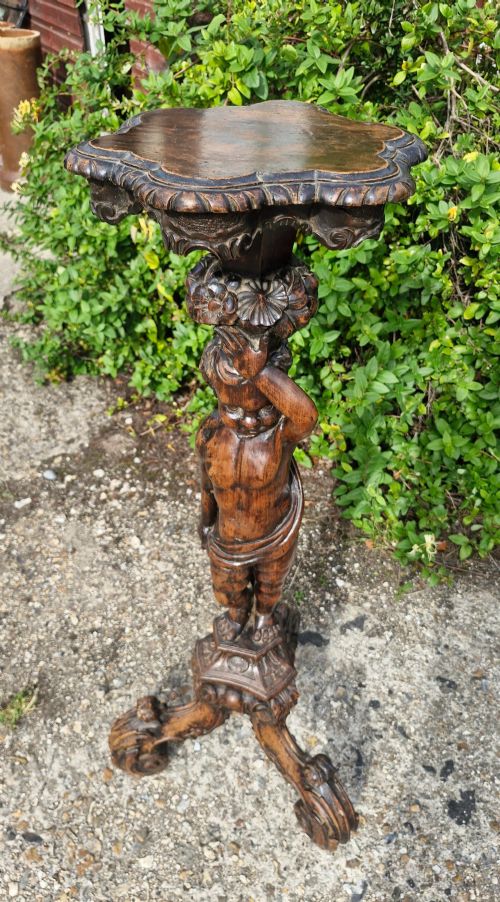
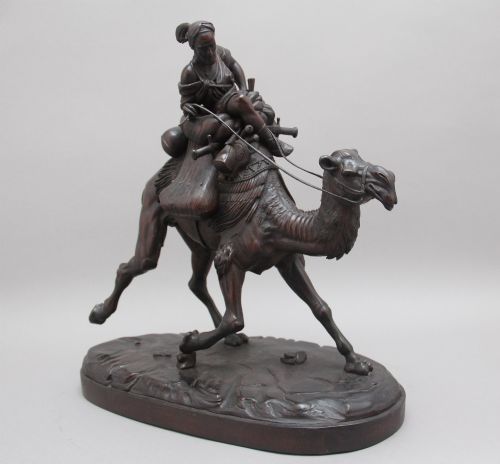
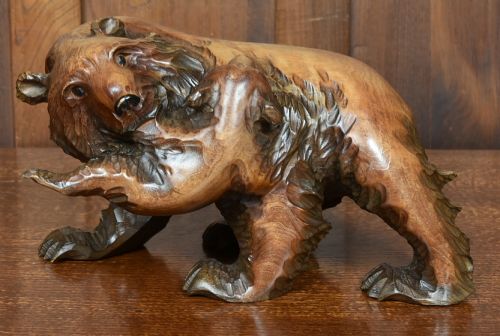
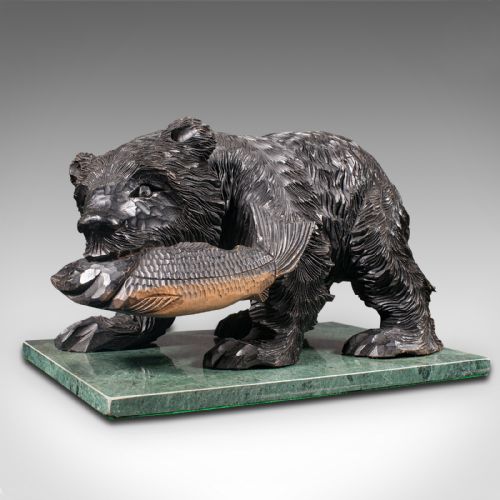
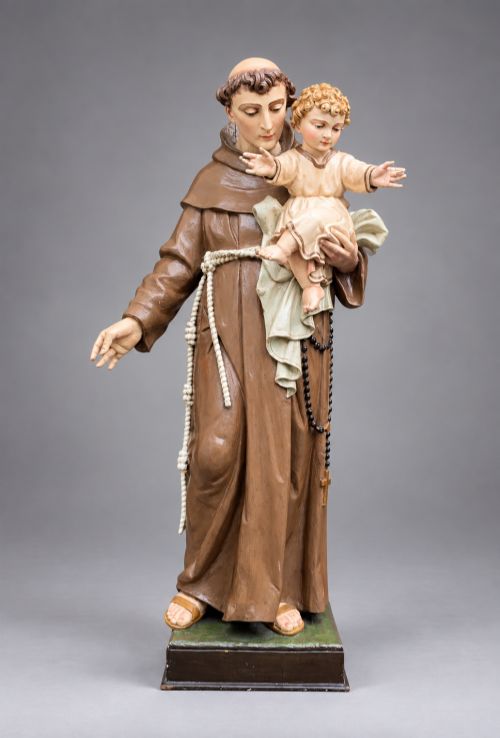
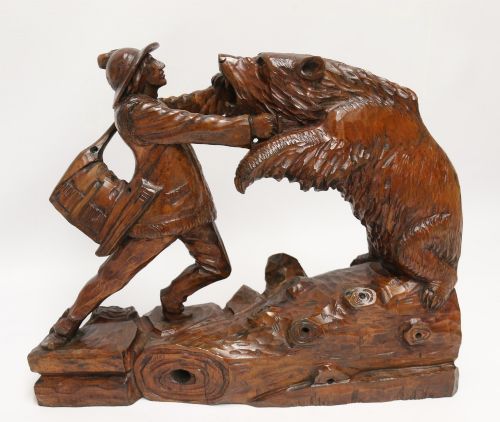
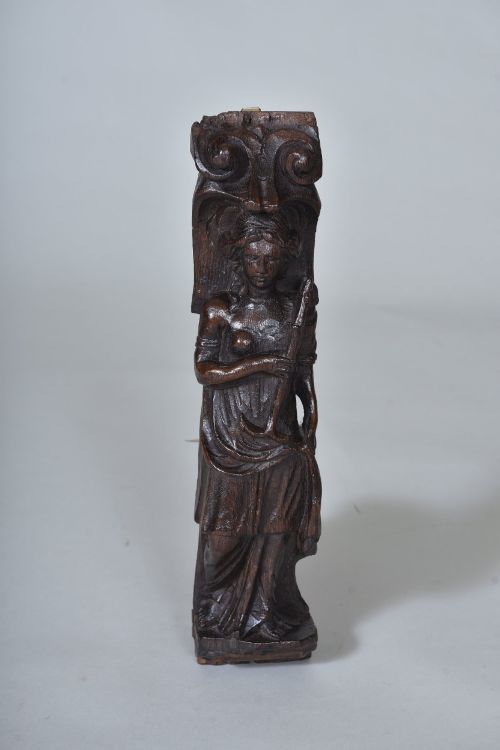
The selection frequently encounters Black Forest animal studies, Chinese hardwood figures, European devotional saints, and utilitarian decoys. These creations range from modest folk art carvings to monumental architectural pedestals and columns.
How they were made
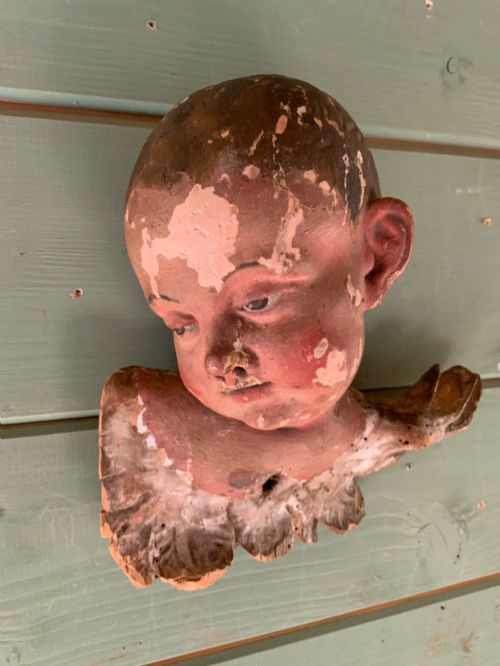
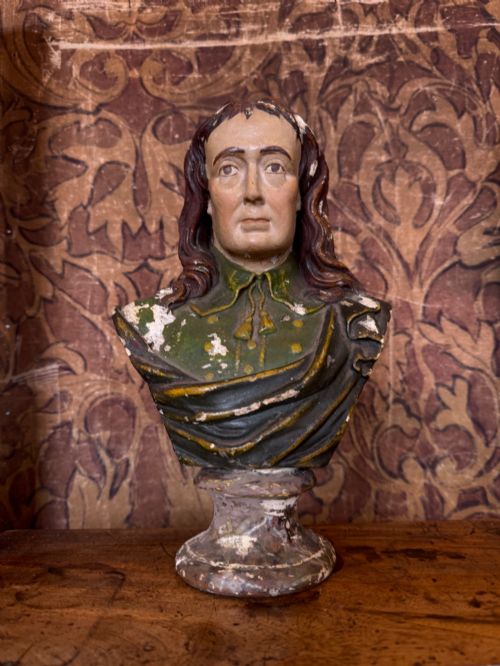
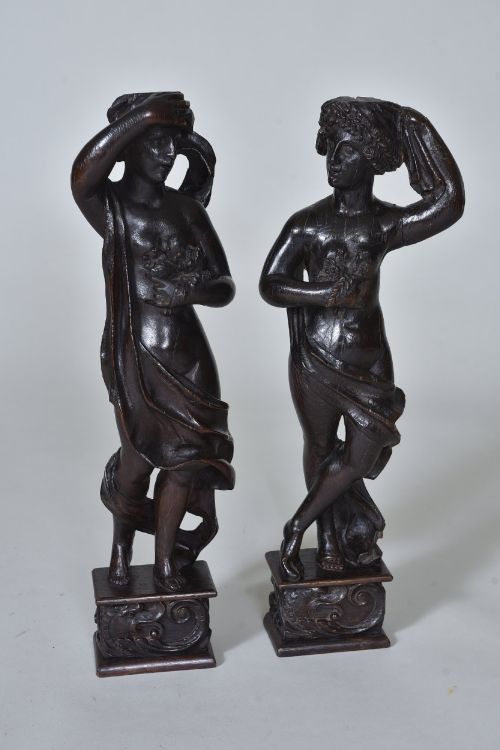
The fabrication relies predominantly on varied timbers such as oak, walnut, boxwood, linden wood, and dense Chinese hardwoods shaped with hand chisels and gouges. Artisans frequently retained the natural grain of the wood or applied gesso and polychrome paint layers to human and animal figures.
Surface treatment involves careful hand finishing, waxing, and occasionally ebonising or metal mounting. Maker marks, signatures, or workshop stamps occasionally appear on the undersides or bases of European animalier works.
Listings feature woods including oak, walnut, boxwood, linden, and heavy Chinese hardwoods across periods spanning the sixteenth to the twentieth century.
What varies in quality
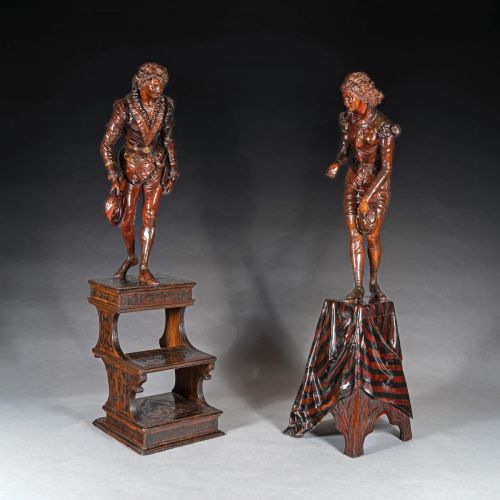
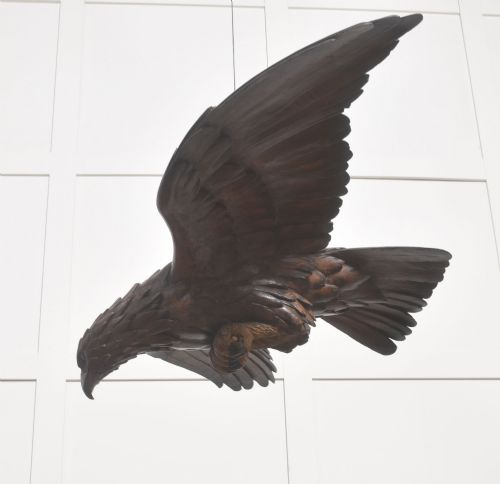
Depth of relief and anatomical precision differentiate superior sculptural work from standard commercial production, particularly in animalier groups and human figures. Master carvers capture fluid movement and lifelike textures in hair, feathers, and drapery.
The integrity of the original surface patination and the preservation of intricate carved details dictate the standing of a piece. Intact elements without heavy later intervention command greater appreciation among collectors.
J Huggler
The Brown Carved Sculpture Glossary
- Black Forest
- A style of wood carving originating in the Swiss and German mountain regions, characterised by naturalistic depictions of animals and flora.
- Polychrome
- The practice of decorating sculptural surfaces in multiple colours using paint or tinted gesso.
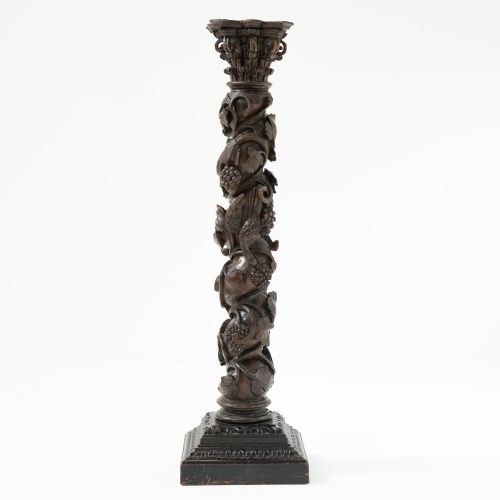
- Solomonic
- A type of column or pedestal shaft twisted in a helical spiral, frequently utilised in Baroque furniture and supports.
- Santos
- A devotional figure representing a saint or religious personage, often utilised in traditional domestic and church settings.
- Netsuke
- A small Japanese toggle carved from boxwood or ivory, secured to the end of a cord attached to a traditional pouch.
Brown Carved Sculpture: Frequently Asked Questions
How do I care for wooden sculptures?
Keep wooden sculptures away from direct heat sources and fluctuating humidity to prevent timber splitting or warping over time. Dust gently with a soft dry cloth and avoid applying modern chemical polishes that can damage historic patination.
Allow the natural oils in the wood to maintain the finish, applying a microcrystalline wax only when the surface appears dry. Proper environmental placement ensures the longevity of both the carved medium and any historic polychrome paint layers.
What is a Black Forest carving?
Black Forest carvings originate from the mountainous regions of central Europe during the nineteenth and early twentieth centuries. These works typically depict bears, deer, birds, and alpine flora rendered in walnut or linden wood with high realism.
Artists in this tradition utilised specialised gouges to simulate fur texture and naturalistic postures. The style gained international popularity during the Victorian era as a decorative souvenir for travellers.
How are antique wooden figures dated?
Dating relies on the tool marks left by the maker, the species of timber used, and the style of the carving. Hand chiselling techniques leave distinct microscopic signatures that shift from earlier adzed surfaces to later machine-assisted methods.
Comparative analysis with documented regional workshops and historical costume details helps narrow the period of creation. Wear patterns and the oxidation of exposed wood fibres further confirm the age of the piece.