




Brown Camel Wool Rug
A brown camel wool rug brings tactile depth to a room through genuine tribal weave work and natural tones.
Brown Camel Wool Rug
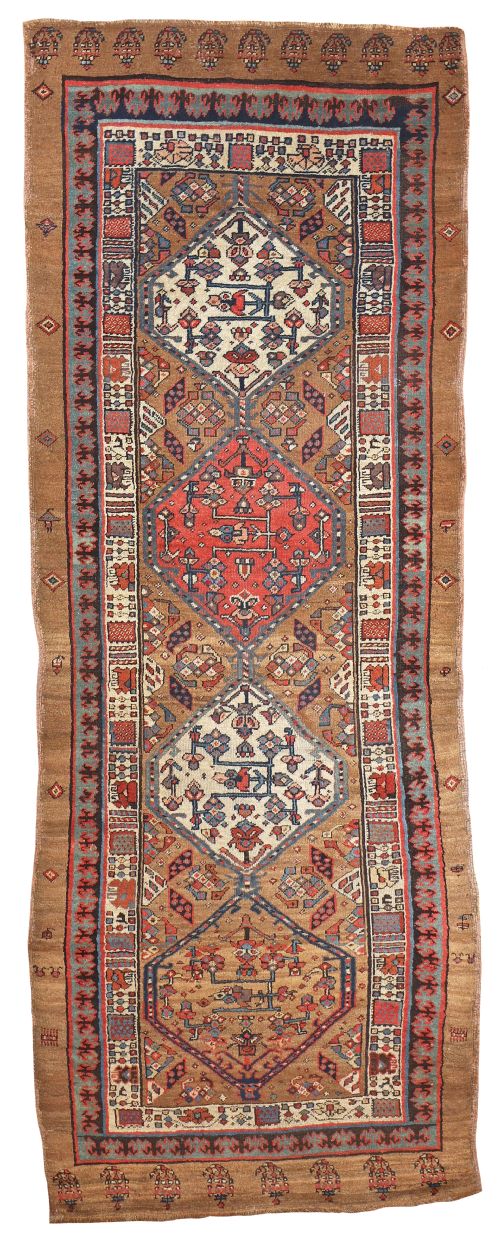
When searching for a brown camel wool rug, buyers encounter authentic tribal and nomadic textiles originating from Central Asia and Persia. These pieces include prayer rugs, runners, flatweaves, and saddle bags produced across the nineteenth and early twentieth centuries.
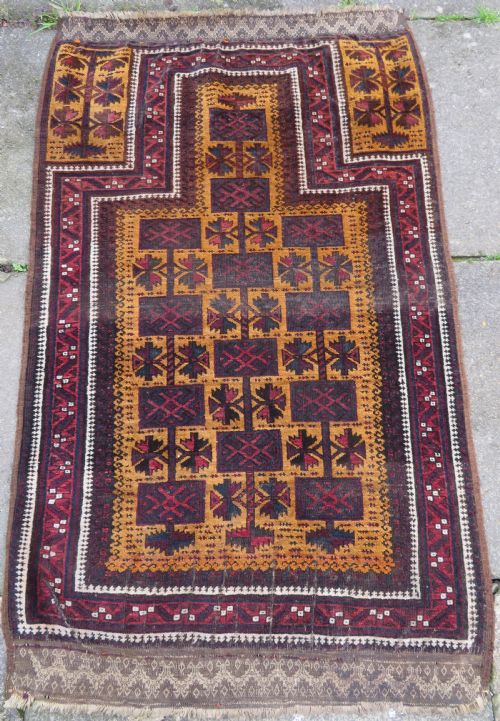
The prevalent versions on this page are Baluch, Yomut Turkmen, and Afghan tribal pieces featuring rich brown grounds made from camel hair, wool, and cotton. These floor coverings and wall hangings display traditional motifs such as the tree of life, prayer mihrabs, and geometric gul designs.
Originating from tribal weavers in regions like Herat, Khorasan, and Northwest Persia, these textiles reflect centuries of nomadic weaving traditions. The items range from compact prayer rugs to elongated runners and kilims.
Materials and construction
The construction relies on natural fibres including sheep wool, cotton foundations, and genuine camel hair or camel wool. Weavers utilised traditional natural dyes to achieve deep earthy tones, complemented occasionally by metal and leather details.
Techniques vary from pile weaving to flatweave kilim structures and mixed techniques seen in mafrash and torba constructions. The combination of sturdy cotton or wool warps with dense pile creates durable textiles designed for nomadic life.
Tribal origins represented include Yomut Turkmen, Afghan Baluch, Shahsavan, and Uzbek makers working in prayer rug and runner formats.
Distinctions in quality
Quality in these tribal weavings rests upon the fineness of the knotting, the integrity of the foundation materials, and the saturation of the natural dyes. Superior examples exhibit tightly packed foundations and clear, crisp geometric or pictorial motifs.
The handling of the camel hair and wool ground dictates the tactile richness of the surface. Better preserved pieces maintain structural integrity across the edges and ends while displaying consistent pile height and harmonious colour variation.
The Brown Camel Wool Rug Glossary
- Camel hair
- The fibre harvested from camels, valued for its natural warm brown hue and soft texture. It forms the foundation or ground colour in many nomadic weavings.
- Prayer rug
- A small format textile featuring a mihrab or arch design indicating the direction of prayer. These pieces were utilised for personal devotion by nomadic tribes.
- Torba
- A small storage bag or trapping produced by Turkmen groups, often featuring intricate gul designs and banded flatweave borders. They were traditionally hung inside nomad tents.
- Kilim
- A flatwoven textile produced without a pile by tightly interweaving warp and weft threads. These pieces offer lightweight versatility and bold geometric patterns.
- Baluch
- A designation for rugs and tribal weavings created by nomadic groups originating from the borders of Iran, Afghanistan, and Pakistan. They frequently display camel grounds and tree of life motifs.
Brown Camel Wool Rug: Frequently Asked Questions
What is a camel hair ground?
A camel hair ground refers to the un-dyed or naturally coloured camel fleece used as the background field of a rug. This material provides the characteristic warm, earthy brown tone seen in many tribal textiles.
Weavers utilised this durable fibre directly from animals to create resilient fields that highlight contrasting geometric patterns and motifs.
How do I care for an antique wool rug?
Care involves gentle vacuuming without a beater bar and professional cleaning when necessary. Keeping the textile out of direct, harsh sunlight preserves the natural dyes.
Allowing the wool and cotton fibres to breathe prevents moisture accumulation and protects the historical structure of the weave.
What is the difference between a torba and a mafrash?
A torba is a small decorative storage bag used in Turkmen households, often displaying repeating gul motifs. A mafrash is a larger rectangular storage container panel or bag produced in flatweave or mixed techniques.
Both items served practical nomadic storage functions before entering the collectible textile market as decorative wall or floor pieces.
How can I tell the age of a tribal rug?
Age is determined by evaluating the natural dye palette, wool quality, structural construction, and specific tribal designs. Pieces from the nineteenth century typically display hand-spun wool and specific archaic motifs.
Later pieces from the early twentieth century often incorporate transitional designs while retaining traditional flatweave or knotted techniques.