


Brown Butler Tray
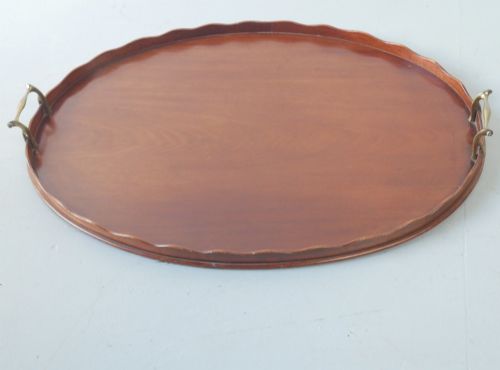
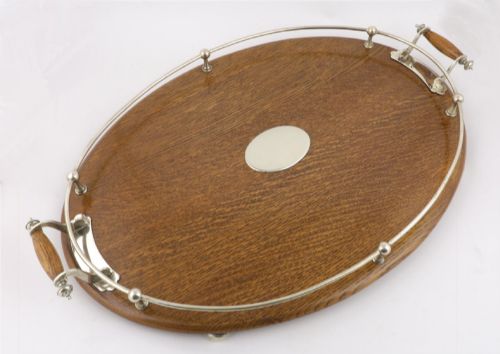
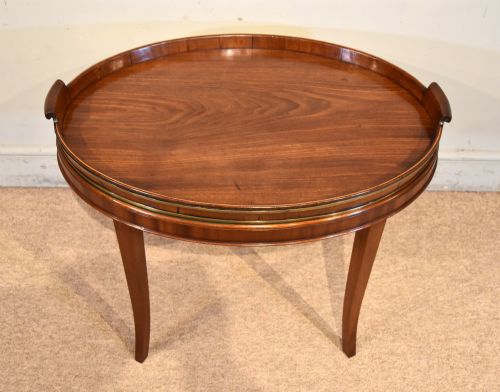
A brown butler tray brings portable utility and rich mahogany or oak warmth to a room, functioning equally well as a serving piece or an occasional table on a stand.
Brown Butler Tray
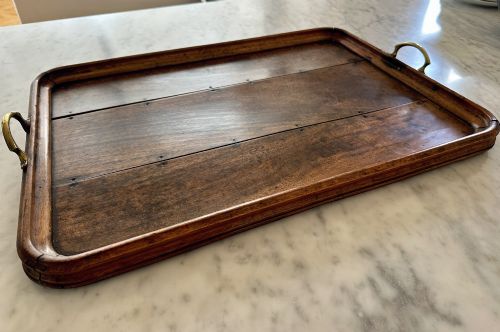
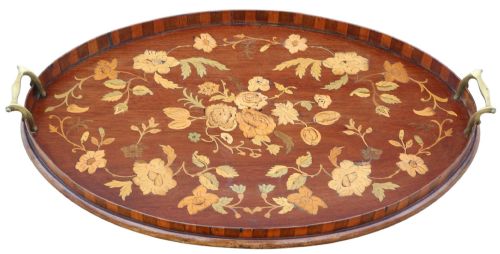
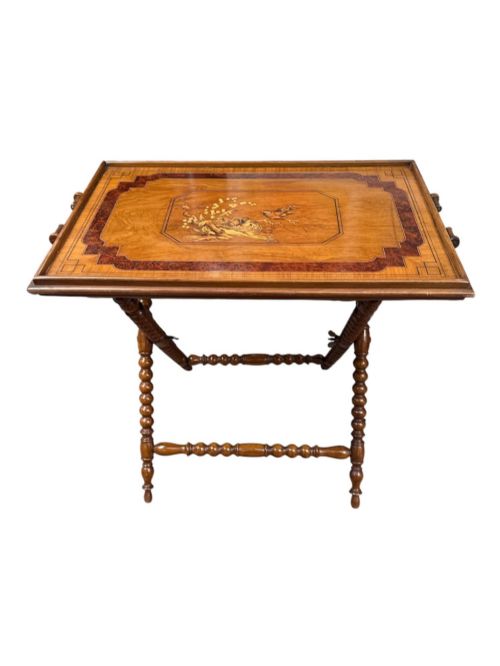
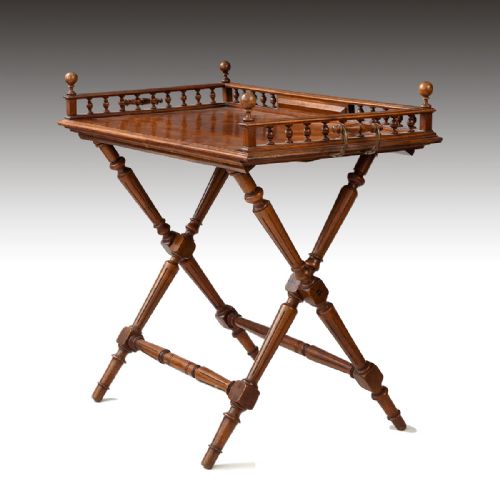
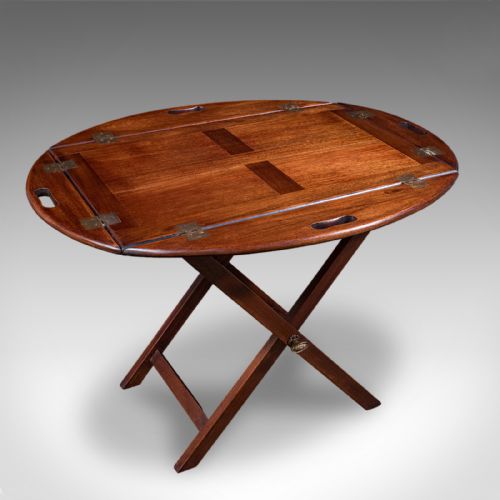
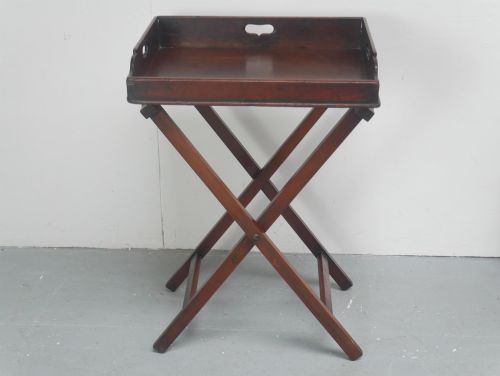
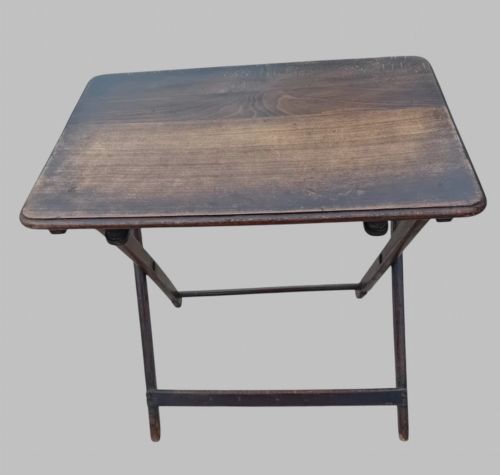
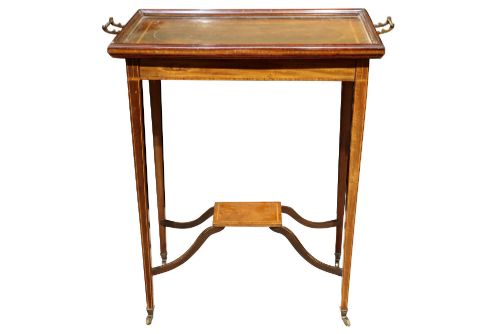
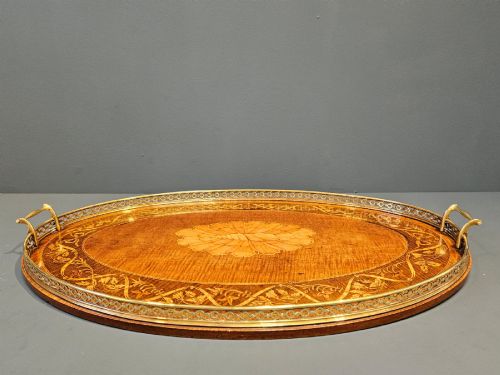
A brown butler tray is a versatile piece designed for serving or display, most frequently encountered as an oval or rectangular wooden tray paired with a folding or fixed stand.
The selections span from the 18th century through the Edwardian era, featuring Georgian examples alongside Victorian oak or walnut variations and Campaign style folding tables.
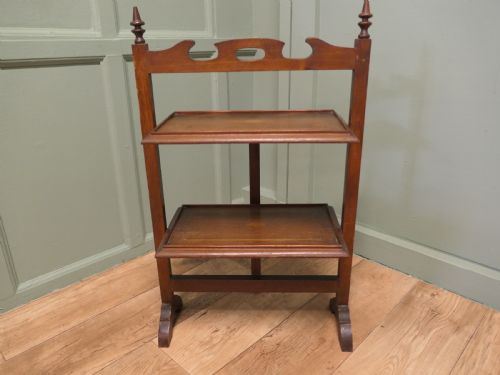
Many items combine the tray and stand as a cohesive unit, while others function independently as serving platters or convert into coffee tables and side tables.
Materials and construction
Cabinetmakers built these pieces predominantly in mahogany, oak, and walnut, frequently incorporating brass hinges, handles, and drop-flap mechanisms for practical utility.
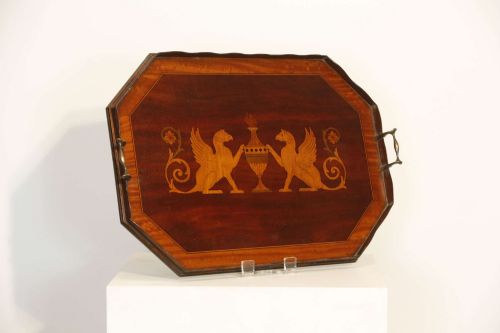
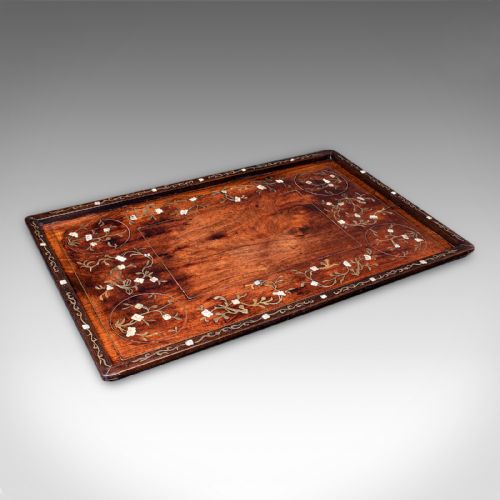
Decorative detailing relies on satinwood inlay, marquetry, and oyster veneering, particularly on Edwardian and Sorrento Ware serving trays.
Stands utilise folding wooden X-frames or shaped legs in beech and mahogany, ensuring the tray lifts off easily for carrying.
Brown Butler Tray Retail Price Guide 2026
Typical asking prices for brown butler tray among the pieces listed under this phrase on Sellingantiques today, from the lower quarter to the upper quarter. They describe what is for sale here now, not the wider market.
Listings feature mahogany, oak, and walnut woods across periods spanning from the 18th century through the Edwardian era.
Judging quality and character
The standard of timber selection and the precision of satinwood inlay or marquetry dictate the distinction between everyday utility pieces and finer decorative examples.
Integrity of the original stand, the crispness of carved edges or galleried rims, and the retention of period brass hardware heavily influence the character of the object.
The Brown Butler Tray Glossary
- Butler's tray
- A portable wooden tray with raised sides, frequently pierced with handgrips, designed to rest on a folding X-frame stand.
- Campaign style
- Portable furniture designed for military use, characterised by folding frames and recessed brass fittings.
- Gallery
- A raised wooden or metal border around the edge of a tray to prevent items from sliding off.
- Marquetry
- Decorative veneer work arranged in pictorial or geometric patterns using various coloured woods.
- Oyster veneering
- Cutting branches transversely to produce circular or oval growth-ring patterns across the wood surface.
Brown Butler Tray: Frequently Asked Questions
How were butler trays originally used?
Servants used these portable trays to carry food and drink from the kitchens to the dining rooms or parlours. The removable tray sat upon a folding stand so it could be packed away when not in service.
Over time, households adopted them for afternoon tea and casual entertaining, eventually integrating the stands into everyday living spaces as permanent side or coffee tables.
Are the trays detachable from their stands?
Most traditional butler trays lift entirely free from their folding X-frame stands. This original design allowed the tray to function independently as a serving platter.
Some later or alternative configurations secure the tray to the base with hinges or brackets, converting the combination into a stable occasional table.
How do I date a brown butler tray?
Dating relies heavily on timber choices, construction techniques, and decorative styles such as Georgian mahogany, Victorian oak, or Edwardian marquetry inlay. Earlier 18th-century examples often feature simple, robust lines while later pieces incorporate elaborate veneers.
Hardware details like brass hinges and handles also provide clear indicators of the manufacturing period.
Can I use a vintage tray as a coffee table?
Many people repurpose these trays and stands as coffee tables because their height and surface area suit modern seating layouts well. Their portable nature makes them practical for flexible room arrangements.
Using coasters helps protect antique wood finishes from moisture and heat during daily use.