



Brown Bracket Clock
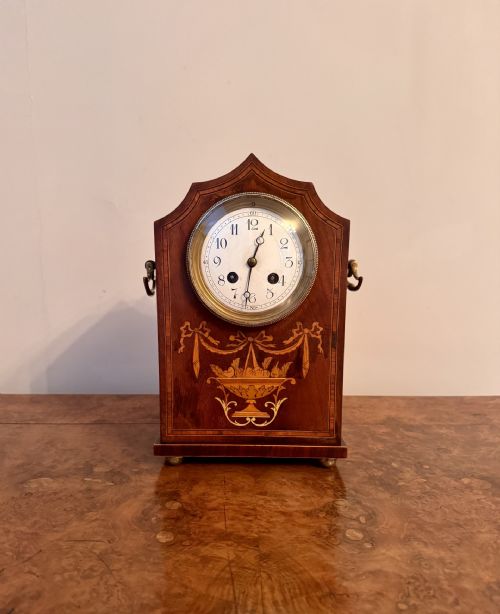
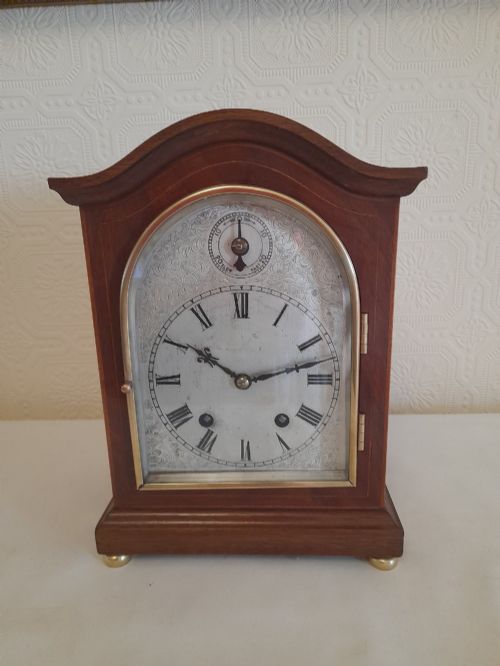
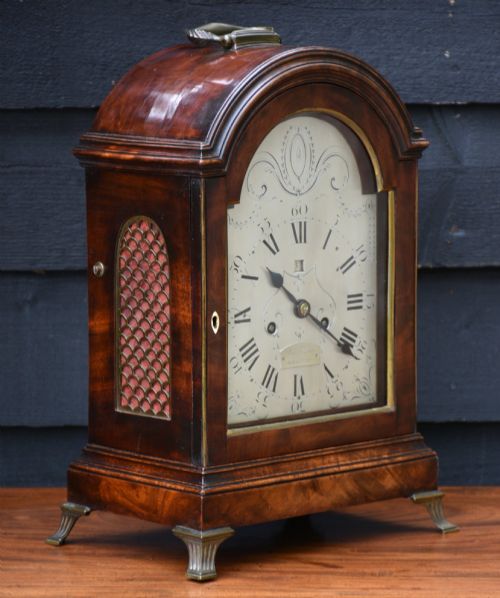
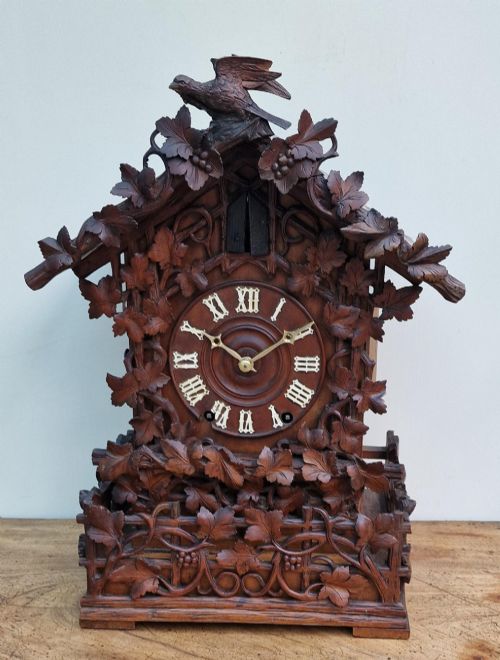
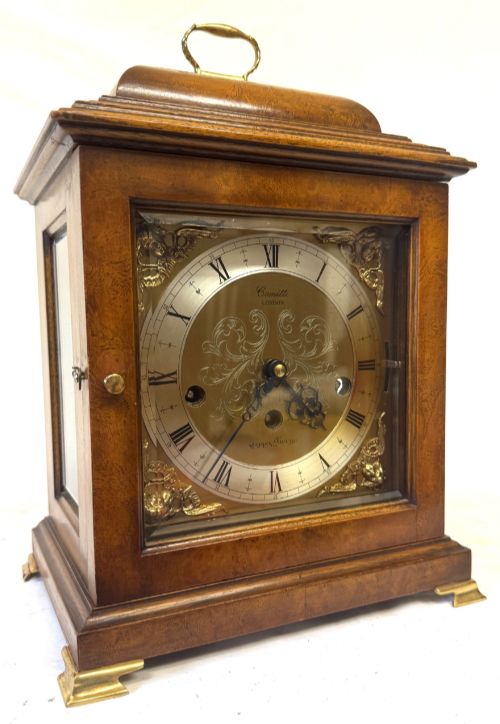
A brown bracket clock sits with quiet authority on a sideboard or mantel, measuring time through brass gears and polished wood cases.
Brown Bracket Clock
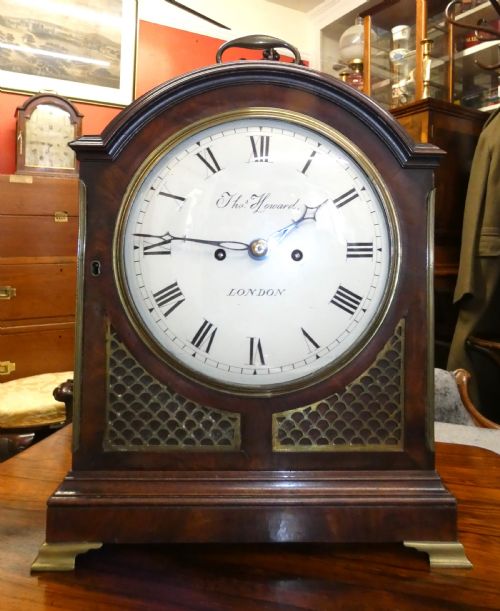
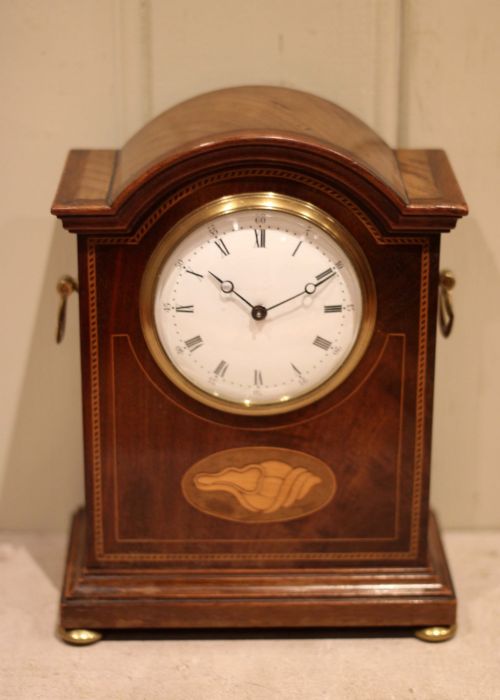
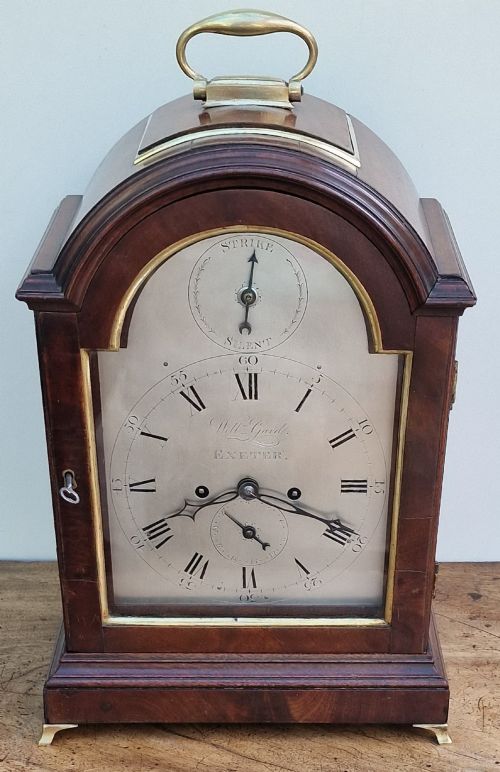
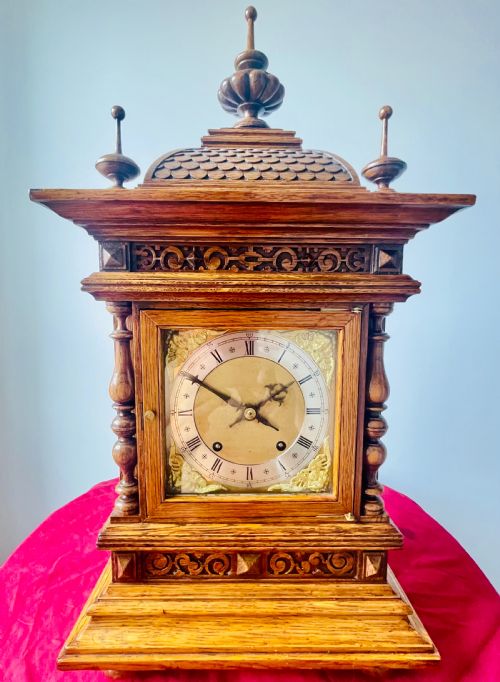
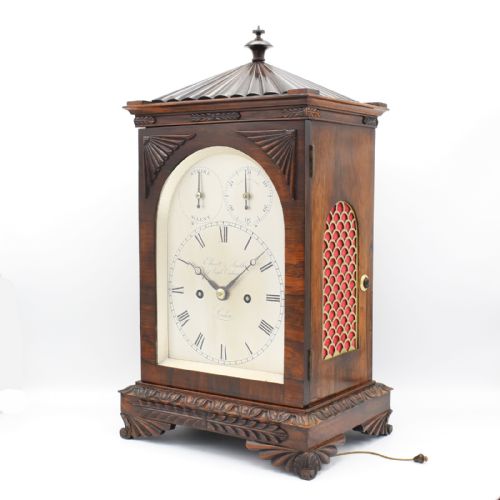
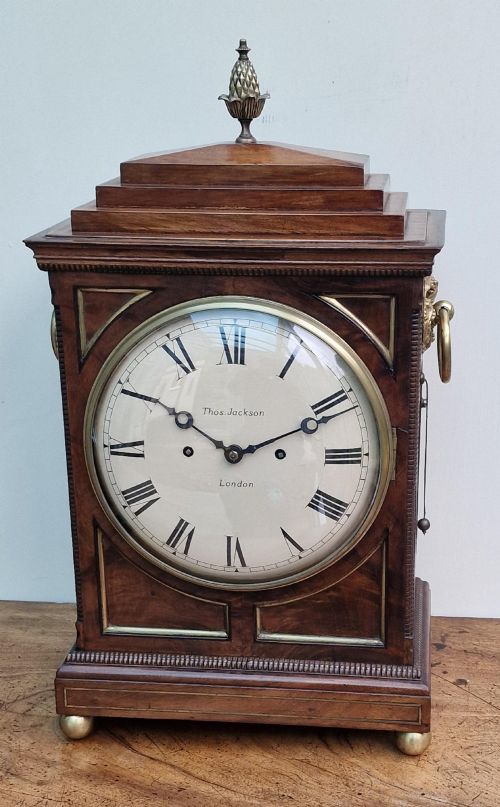
A brown bracket clock is a portable timepiece historically designed to sit upon a bracket or table, housed in a timber case of mahogany, walnut, oak, or rosewood.
The pieces seen on this page span several eras, with Georgian, Regency, and Victorian examples appearing frequently alongside Edwardian and later twentieth-century iterations.
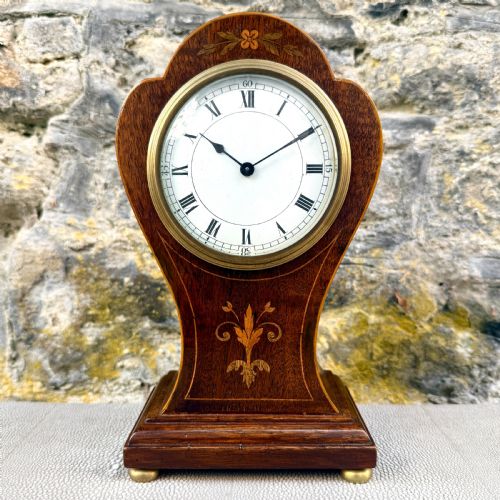
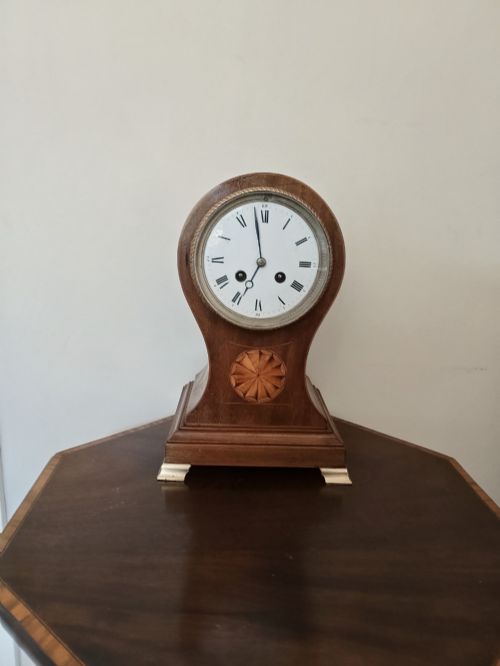
Makers housed these movements in various forms, from traditional swept-top and basket-top cases to balloon shapes and library clock formats with glass panels.
Materials and construction methods
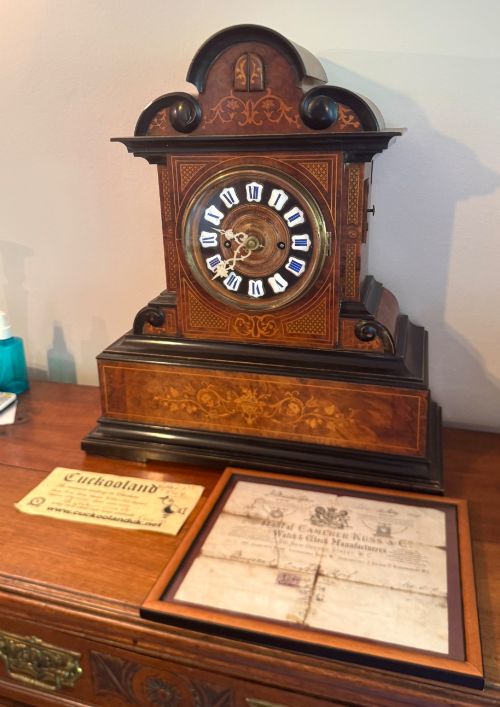
Cabinetmakers constructed the wooden housings using dense hardwoods such as mahogany, walnut, and rosewood, often embellishing the surfaces with marquetry inlay, satinwood, or ebonised details.
The mechanical movements rely on brass plates, gears, and escapements, frequently driven by fusee or spring-driven mechanisms that power the striking trains and clock hands.
Dials combine brass chapters, painted enamel faces, and protective glass bezels to keep the interior components safe from dust and atmosphere.
Brown Bracket Clock Retail Price Guide 2026
Typical asking prices for brown bracket clock among the pieces listed under this phrase on Sellingantiques today, from the lower quarter to the upper quarter. They describe what is for sale here now, not the wider market.
Listings feature woods including mahogany, walnut, oak, rosewood, and satinwood, paired with brass and glass.
Distinctions in craftsmanship
Quality rests in the precision of the clock movement, where complex quarter-striking or chiming mechanisms indicate finer workshop production than a basic time-only movement.
Case construction separates ordinary examples from exceptional ones through the crispness of carved wooden details, quality of wood veneers, and integration of brass carrying handles and mounts.
Signatures on the dial or movement by noted clockmakers elevate a piece, reflecting the reputation of the workshop that originally assembled it.
Thomas Howard·Thomas Jackson·Mappin & Webb·Ellicott & Smith·Turner of London·Cording of London
The Brown Bracket Clock Glossary
- Bracket clock
- A portable mechanical timepiece originally designed to stand on a wall bracket or a table surface. These cases usually feature wooden construction with glass panels and a brass carrying handle on top.
- Fusee
- A conical pulley used in mechanical clocks to maintain an even pull on the movement as the mainspring unwinds. This device helps the clock maintain accurate timekeeping throughout its running cycle.
- Ting-tang
- A two-hammer striking mechanism that sounds on two different bells or gongs to mark the quarters of the hour. It creates a distinctive double chime.
- Library clock
- A compact clock, often with glass panels on multiple sides, designed for reading rooms and studies. These pieces display the internal movement clearly to the observer.
- Enamel dial
- A clock face made by fusing powdered glass onto a metal substrate at high heat. This creates a durable, smooth surface for painted numerals.
Brown Bracket Clock: Frequently Asked Questions
What is a brown bracket clock?
A brown bracket clock is a portable mechanical timepiece housed in a wooden case, intended for placement on a table or wall shelf.
These pieces use spring-driven or fusee movements to measure time and often feature striking mechanisms to sound the hours.
How do fusee movements work?
A fusee movement uses a conical pulley connected to the mainspring via a chain or cord to equalise the force delivered to the gears.
This ensures the clock maintains steady timekeeping accuracy as the spring loses tension between windings.
Where should I place a bracket clock?
These clocks fit well on sturdy flat surfaces such as mantels, sideboards, desks, or dedicated wall brackets.
Position them away from direct sunlight, drafts, and sources of moisture to protect the timber case and internal brass components.
How do I wind an antique clock?
Winding requires inserting the appropriate key into the winding holes on the dial and turning it gently until resistance indicates the spring is fully tensioned.
Take care not to over-wind the mechanism, as this can damage the internal springs and gears.