


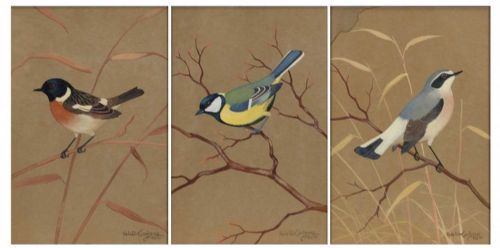
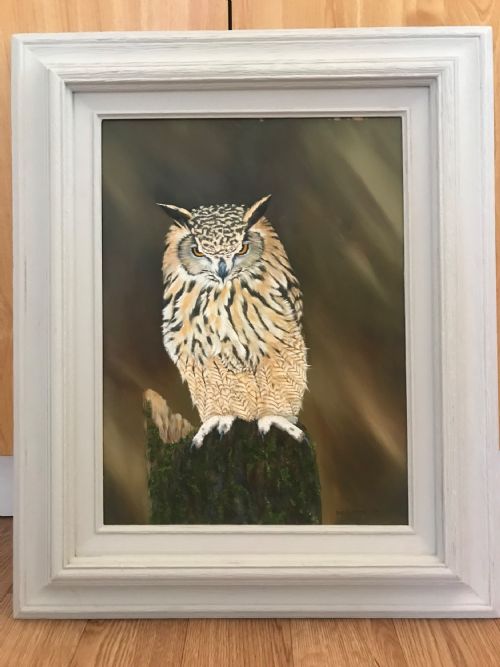


Brown Bird Artwork
Brown bird artwork brings avian subjects and sporting nature into interiors through traditional paintings and watercolours.
Brown Bird Artwork
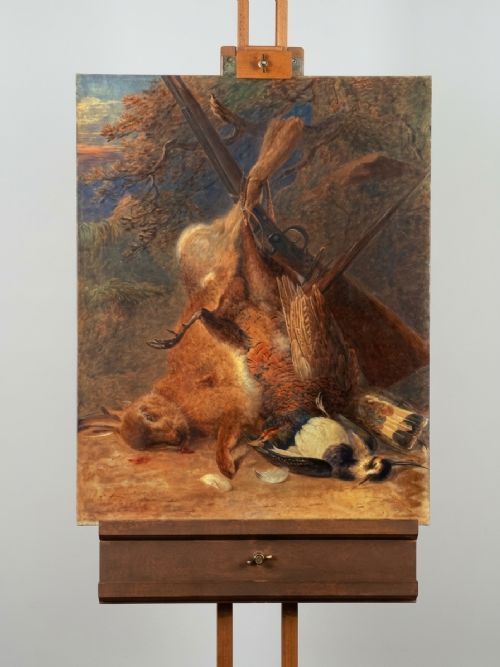
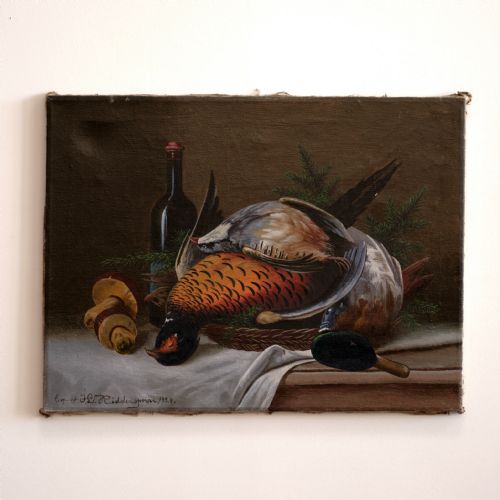
Collectors seeking brown bird artwork encounter pieces ranging from Victorian watercolours to eighteenth century oil paintings. These works capture game birds, garden species, and sporting scenes in various traditional formats.
The selections span distinct periods including the Victorian era and the early twentieth century. Common formats include framed watercolours, oil paintings on canvas, and detailed ornithological studies.
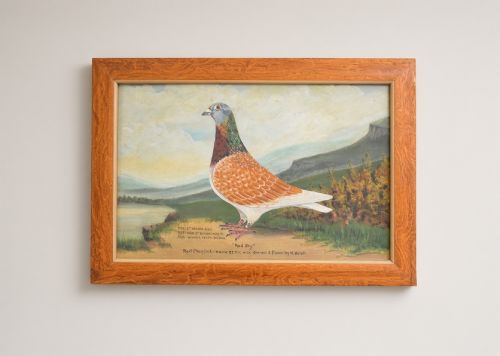
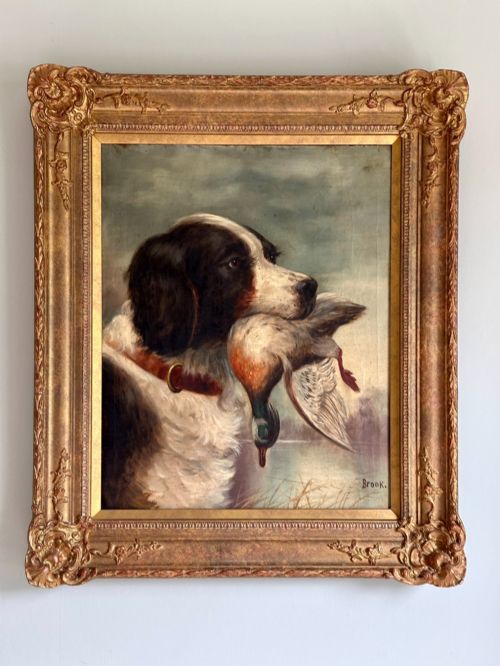
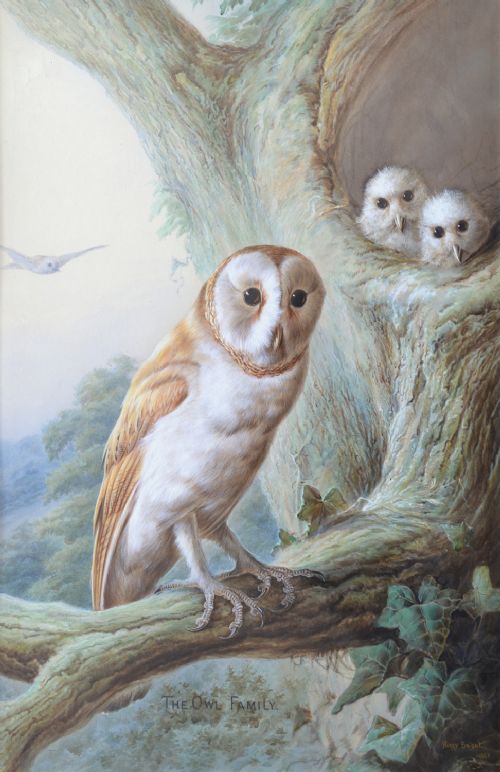
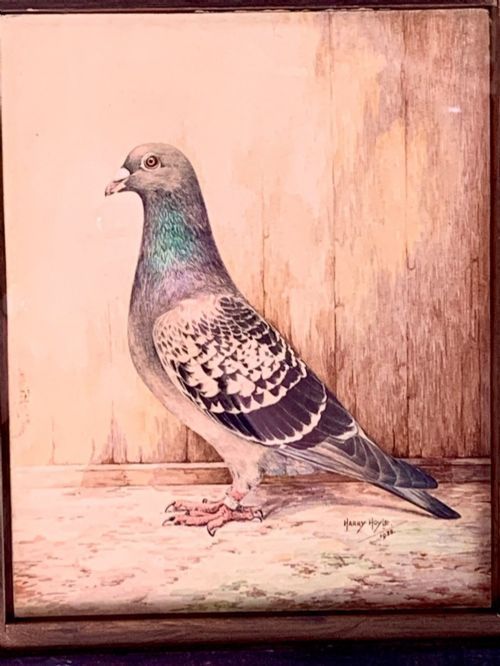
Subject matter often includes gundogs with game, racing pigeons, and owls in natural settings. These pieces reflect historical interests in naturalism, sporting art, and traditional animal painting.
Materials and Techniques
Artists utilised oil paint on canvas or panel to build depth and texture in larger landscape and still life compositions. Watercolour and bodycolour on paper allowed for finer detail in avian studies and portraits.
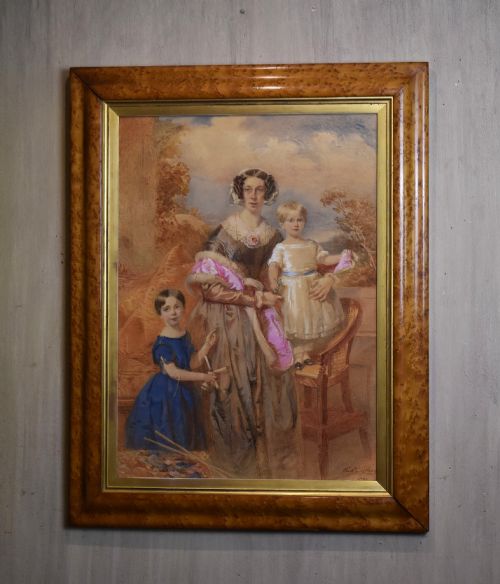
Support materials include traditional canvas, heavy paper, and occasionally tin or wood panels. Frames frequently incorporate gold leaf or maple wood to complement the period aesthetic of the painting.
Brown Bird Artwork Retail Price Guide 2026
Typical asking prices for brown bird artwork among the pieces listed under this phrase on Sellingantiques today, from the lower quarter to the upper quarter. They describe what is for sale here now, not the wider market.
Listings feature works created across multiple centuries, using oil paint, watercolour, gold leaf, and paper.
Assessing Quality in Bird Art
Quality rests upon the precision of the anatomical rendering and the handling of light within the plumage and background landscape. Master painters achieved lifelike feather textures and convincing spatial depth.
Provenance and attribution influence the standing of a piece, with signed works by documented artists commanding greater interest. The condition of the paper or canvas and the originality of the frame also affect the overall integrity.
Harry Bright·GEORGE SYDNEY SHEPHERD·Angelo Maria Crivelli·Philipp Ferdinand de Hamilton·Marmaduke Cradock·JACOB BOGDANI·Henri Joseph Pauwels·Thomas Blinks·Auguste Moreau·Robin Hill·Giacomo Nani·Paul-Louis Barruel·Donald Watson
The Brown Bird Artwork Glossary
- Bodycolour
- Watercolour mixed with white pigment to produce an opaque finish. This technique adds solid highlights to feathers and foliage in nineteenth century works.
- Ornithological study
- A detailed visual documentation of birds intended for scientific or natural history purposes. These works prioritize anatomical accuracy over picturesque landscapes.
- Still life
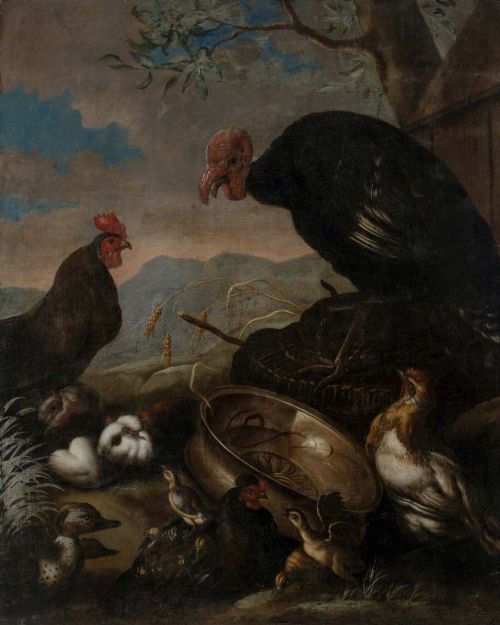
- An arrangement of inanimate objects, game, or fruit assembled for artistic composition. Eighteenth century examples often place dead fowl within castle ruins or larders.
Brown Bird Artwork: Frequently Asked Questions
How do I date an old bird painting?
Dating relies on stylistic markers, framing techniques, and the type of canvas or paper used by the artist. Signatures and exhibition labels on the reverse often provide definitive dates.
Clothing styles in accompanying figures or specific bird species popular in certain decades also help narrow down the period of creation.
What is the difference between watercolour and oil bird art?
Watercolour pieces utilise pigment suspended in water on paper, offering a lighter and more transparent finish. They were frequently kept in portfolios or behind glass.
Oil paintings utilise pigments bound in drying oil on canvas or panel, allowing for richer textures and greater longevity in heavier frames.
How should I hang and light these pieces?
Artwork on paper requires protection from direct sunlight to prevent fading of watercolours and gold leaf. Position pieces away from heat sources to protect the wooden frames and canvas.
Use picture lights with low heat emission to illuminate the surface without damaging the historic paint layers.
Are these works part of natural history traditions?
Many nineteenth and twentieth century bird studies derive from a strong British tradition of naturalism and field observation. Artists sought to record accurate plumage and behaviour.
Other works follow continental old master styles, placing birds within decorative landscape settings rather than scientific contexts.