

Brown Art Canvas
A brown art canvas delivers rich depth through oil paint layered on woven textile, bringing centuries of portraits, landscapes, and sporting scenes to any wall.
Brown Art Canvas
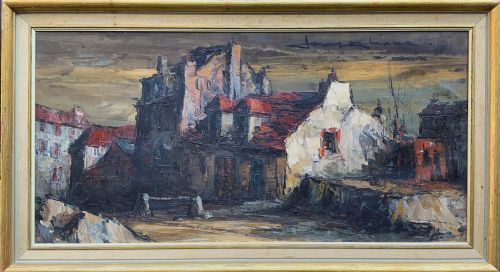
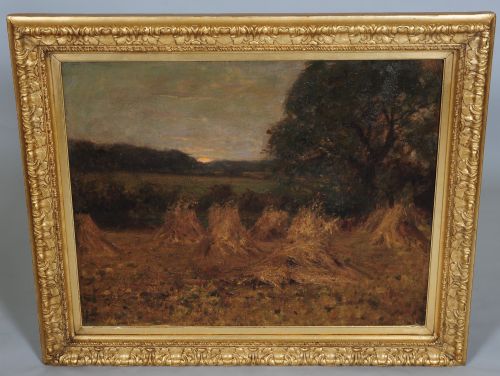
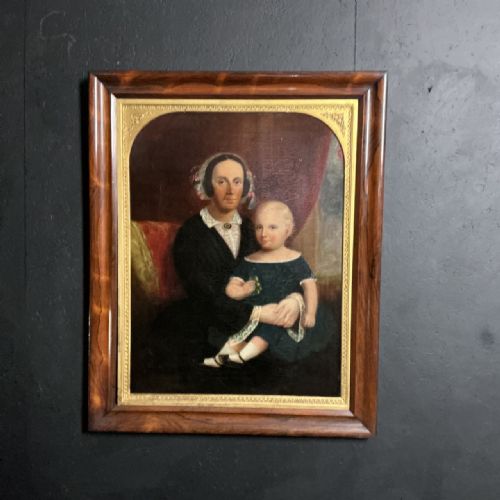
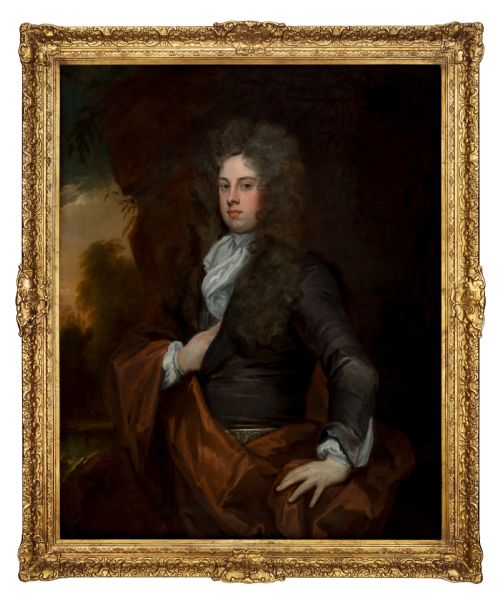
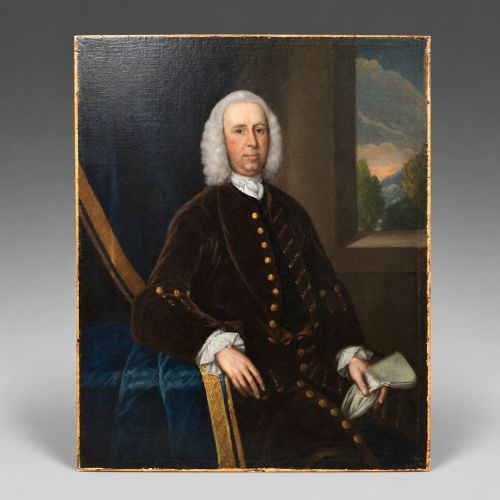
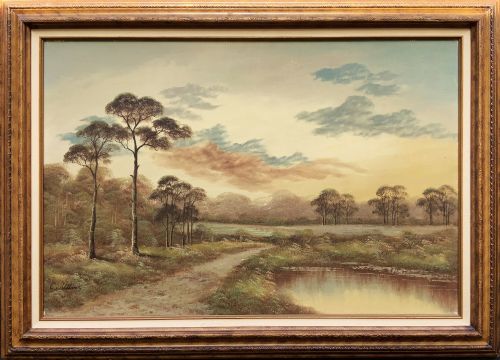
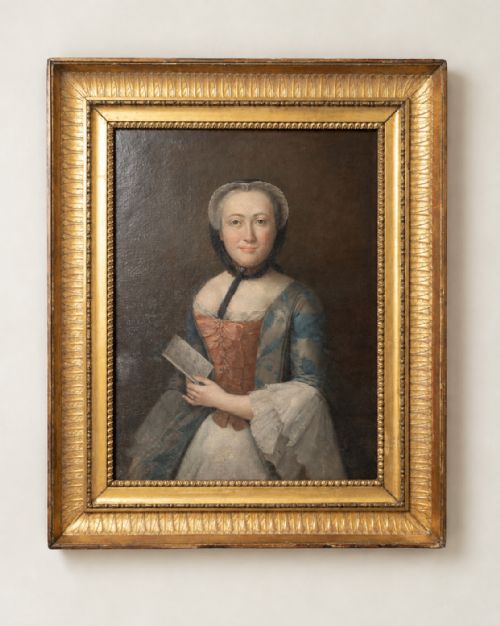
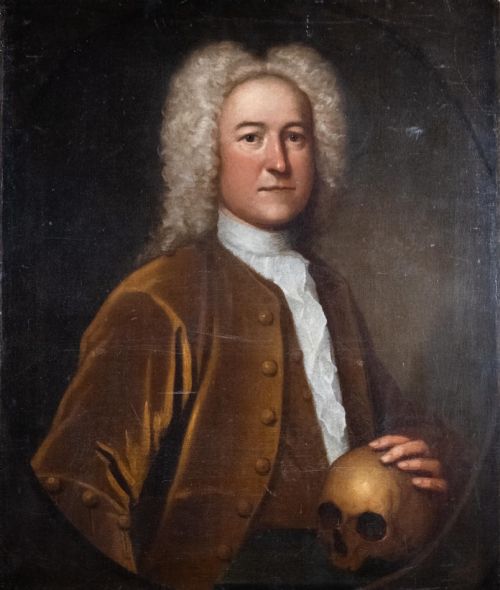
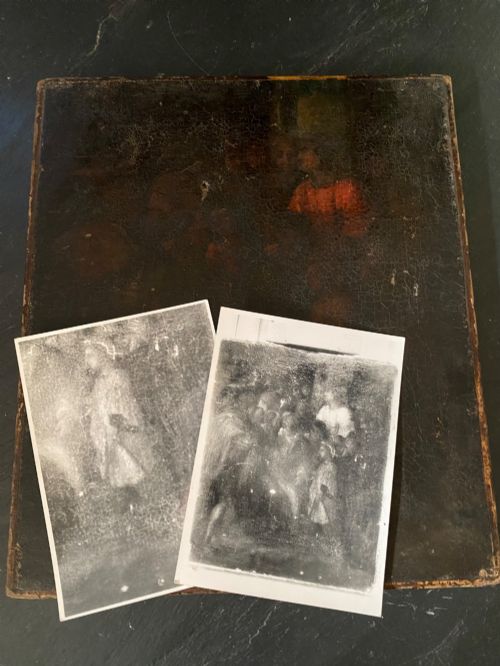
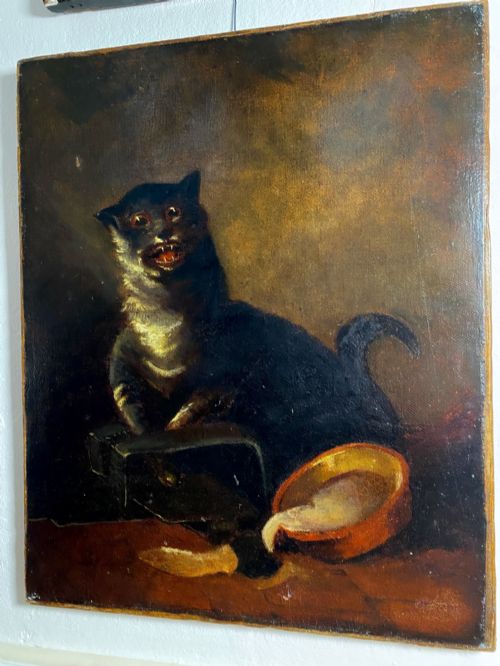
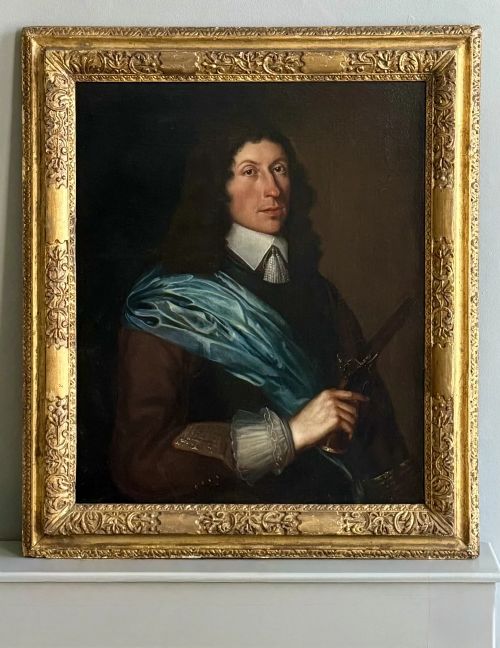
When searching for a brown art canvas, buyers encounter historical oil paintings and portraits rendered on woven fabric supports. These works span from seventeenth-century Dutch school maritime views and classical mythological scenes to nineteenth-century sporting art and mid-century British equestrian pieces.
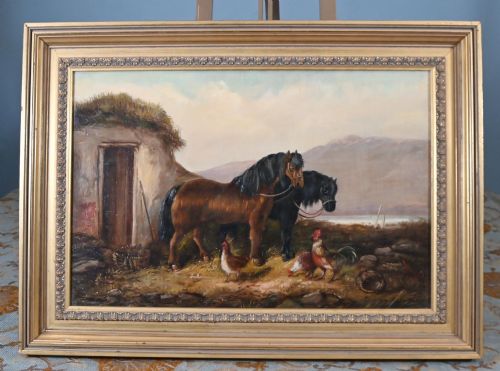
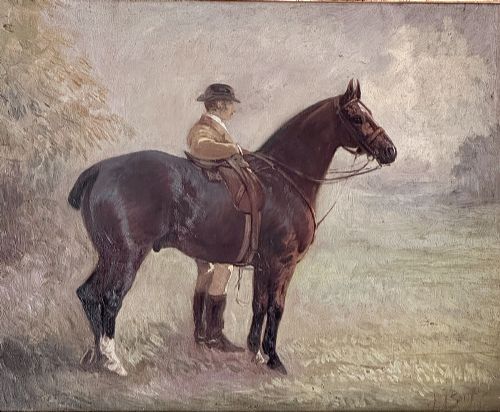
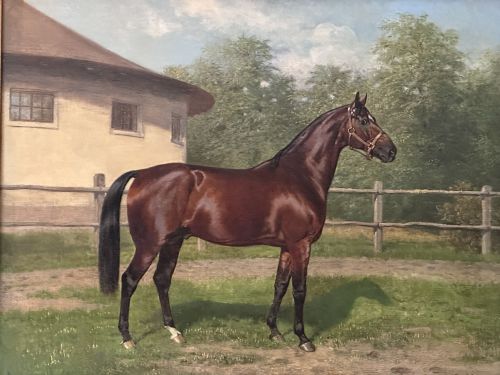
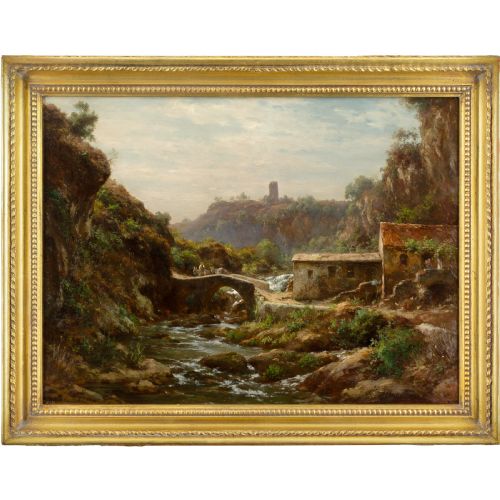
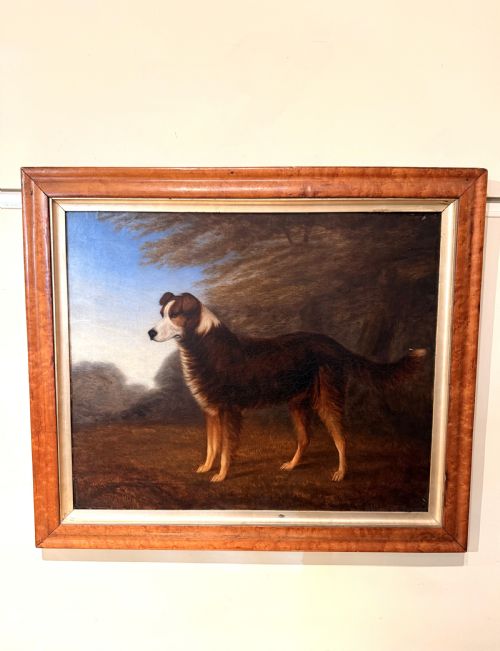
The pieces on this page lean heavily into muted earth tones, featuring traditional subjects such as chestnut hunters, spaniels, noblewomen, and pastoral landscapes. Portraits of gentlemen and ladies alongside still-life arrangements complete the range of available forms.
Materials and technique
Artists built these compositions primarily using oil paint applied directly onto stretched canvas or occasionally vinyl canvas and textile supports. Frames often incorporate wood finished with gilt or gold leaf to complement the painted surface.
Techniques range from primitive nineteenth-century brushwork and detailed Dutch manner rendering to mid-century British landscape applications.
Brown Art Canvas Retail Price Guide 2026
Typical asking prices for brown art canvas among the pieces listed under this phrase on Sellingantiques today, from the lower quarter to the upper quarter. They describe what is for sale here now, not the wider market.
Listings feature periods spanning from the seventeenth century through the mid-twentieth century, utilising oil paint on canvas and wood.
Variations in quality
Quality separates through the precision of brushwork and the anatomical accuracy found in portraiture and sporting art. Superior examples demonstrate a careful balance of shadow and light, particularly in seventeenth-century classical works and nineteenth-century animal paintings.
The handling of texture within the canvas and the preservation of the original oil paint layer dictate the overall visual strength of each composition.
John Horwood·Charles Bilger Spalding·Margaret Sarah Carpenter·Nicolaas Martinus Wijdoogen·George Whitton Johnstone·Charles Jervas·Kenneth Cozens·William H Myers·Frederick Marriott·Angelo Maria Crivelli
The Brown Art Canvas Glossary
- Canvas
- A heavy woven fabric used as a support for oil paintings. It provides the foundational texture visible beneath the pigment layers.
- Oil paint
- A slow-drying medium composed of pigments suspended in a drying oil. This medium allows for subtle blending and rich tonal depth.
- Gilt
- A thin layer of gold applied to wood frames. It enhances the visual presentation of antique wall art.
- Dutch School
- A collective term for seventeenth-century artists working in the Netherlands. Their output frequently emphasises dramatic seas and domestic realism.
Brown Art Canvas: Frequently Asked Questions
What periods do these paintings come from?
The inventory spans multiple centuries, including seventeenth-century Dutch pieces, eighteenth-century British school portraits, and nineteenth-century sporting art. Mid-century twentieth-century works also appear regularly across the selection.
Each period brings distinct stylistic conventions, from classical mythology to early twentieth-century landscapes.
How should I hang an oil painting?
Secure the painting using appropriate hardware rated for the weight of the wood frame and canvas. Avoid hanging pieces in direct sunlight to protect the oil pigments.
Keep them away from excessive moisture and fluctuating temperatures to preserve the textile support.
What subjects are most common?
Equestrian scenes, hunting dogs, and human portraits dominate the available selection. Landscapes, maritime views, and floral still-life compositions also feature prominently.
These traditional subjects reflect the decorative and commemorative functions of historical painting.
Are these works original paintings?
The listings consist of original oil paintings executed on canvas or board by various historical artists and schools. Each piece represents a unique hand-painted work rather than a modern print.
Signatures, provenance notes, and stylistic markers help identify the origin of individual pieces.