




Brown Showcase
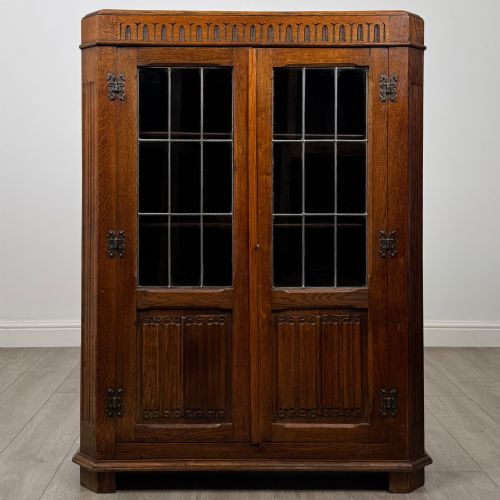
These brown antique showcase pieces are timber-framed glazed containers for precious objects, offering clear views and protection for collections.
Brown Showcase
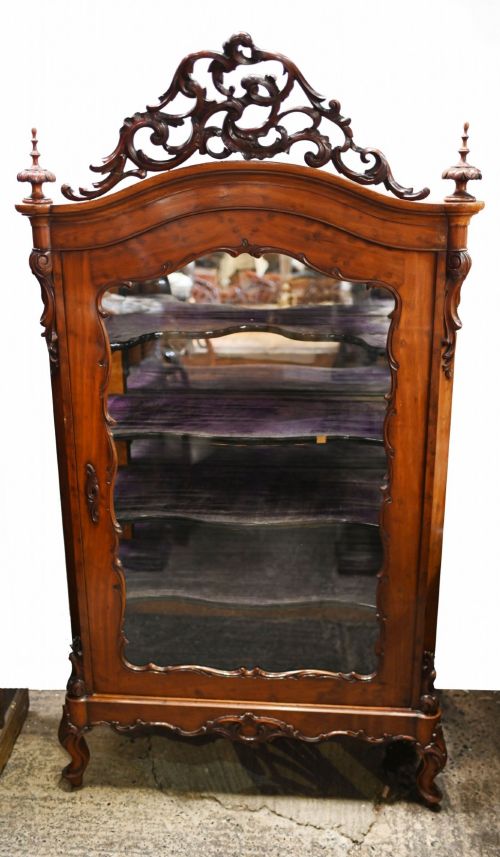
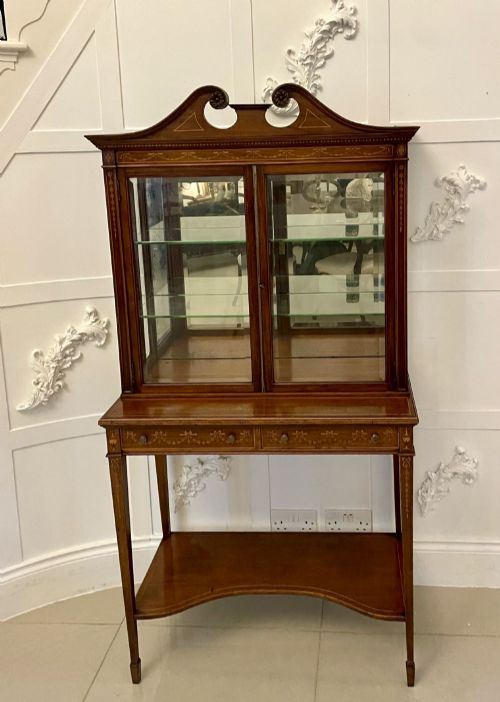
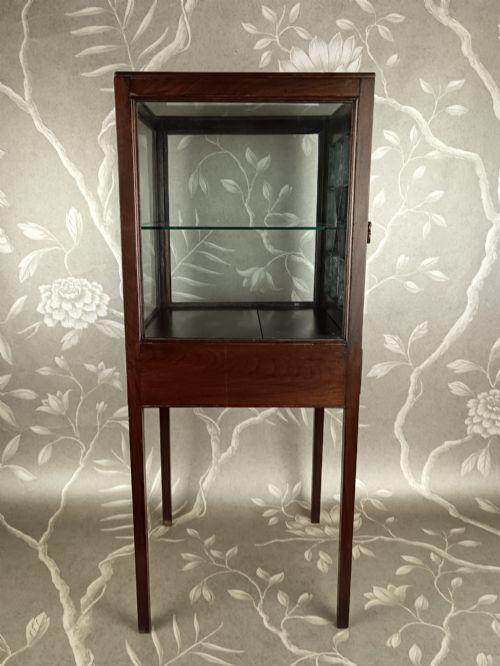
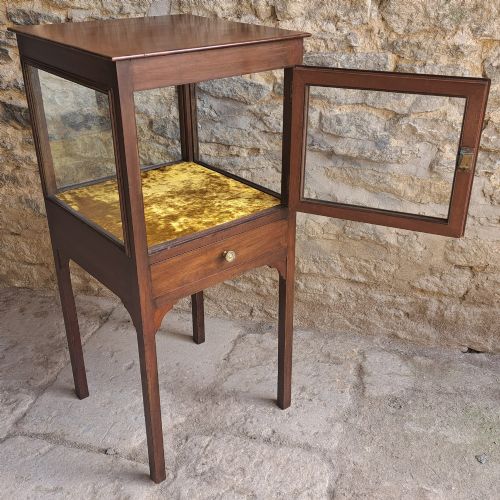
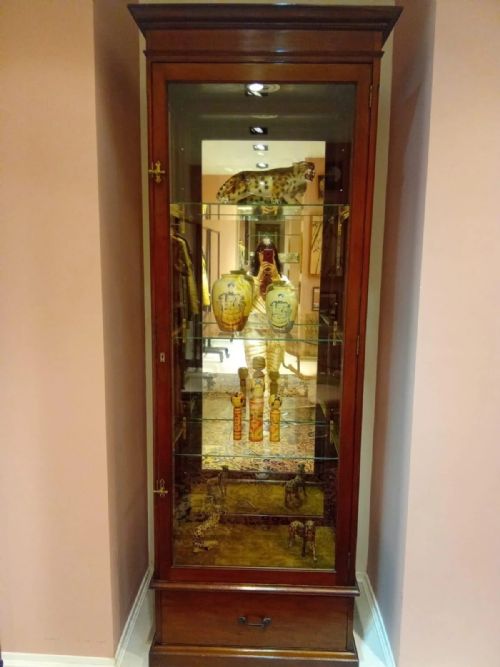
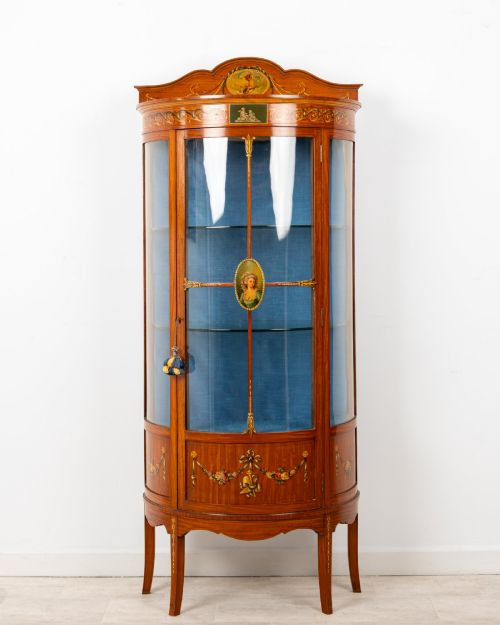
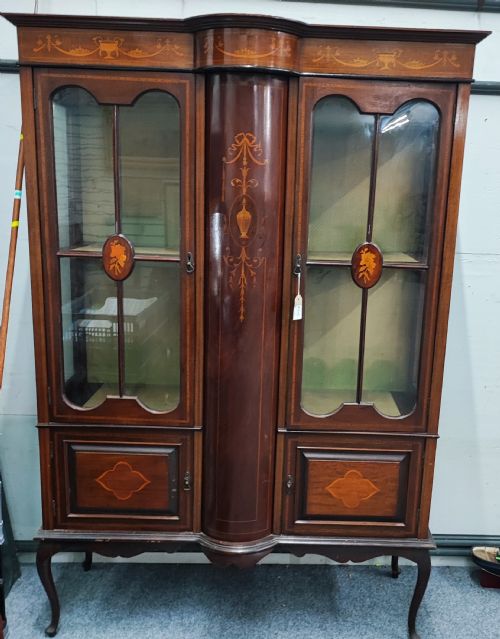
A brown antique showcase encompasses a variety of glazed housing units, from tall standing vitrines and corner cupboards to low countertop cases and bijouterie tables. Buyers seeking a brown antique showcase usually encounter Edwardian or Victorian mahogany and walnut cabinets featuring glass panels for displaying china, silverware, or small curiosities. The selection ranges from domestic display furniture to commercial shop counters utilised for trade.
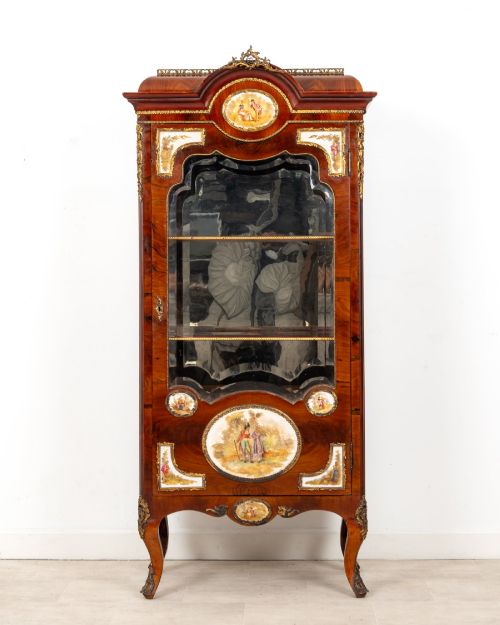
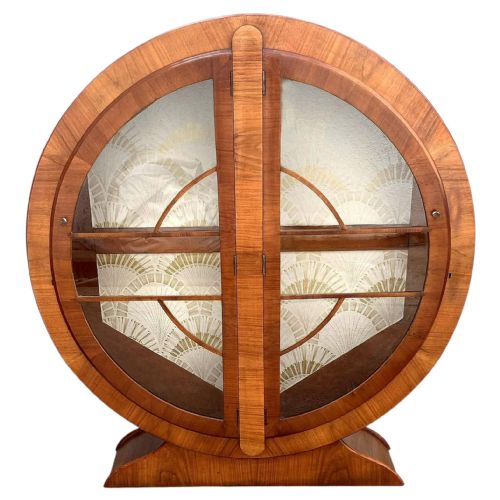
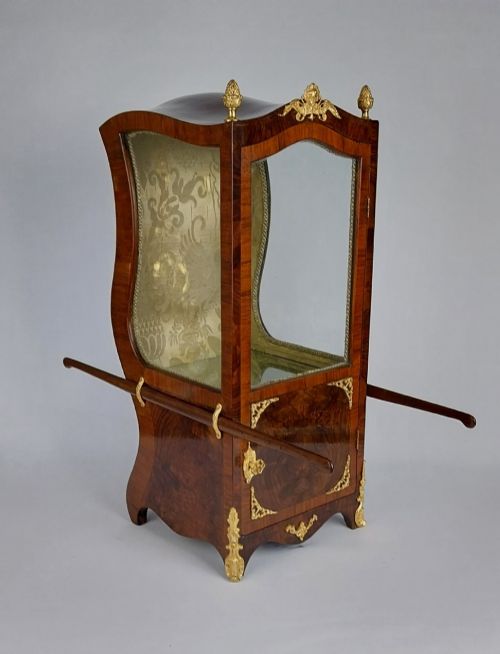
The architectural forms span upright wall cabinets, narrow corner units, and circular or clove-shaped Art Deco designs. French influences appear through revival styles incorporating porcelain plaques and painted surfaces within the brown antique showcase category.
How they were made
Cabinet makers constructed the primary framework using solid and veneered timbers including mahogany, walnut, oak, satinwood, and kingwood. These wooden structures incorporate joinery techniques suited to each period, supporting glazed doors and inset glass panels.
Decorative elements involve floral marquetry, inlaid satinwood crossbanding, hand-painted details, and brass or ormolu mounts. Countertop and shop variants utilise adjustable glass shelves and heavy timber framing to withstand commercial use.
Brown Showcase Retail Price Guide 2026
Typical asking prices for brown showcase among the pieces listed under this phrase on Sellingantiques today, from the lower quarter to the upper quarter. They describe what is for sale here now, not the wider market.
The documented periods span the Georgian era, the nineteenth century, Victorian times, and the Edwardian and Art Deco decades.
What varies in quality
The standard of timber selection and complexity of inlay distinguish finer examples from standard production pieces. Finely figured mahogany and walnut veneers paired with detailed floral marquetry indicate superior craftsmanship.
Hardware quality, the integration of original bevelled glass panes, and the precision of the mitre joints define the upper tiers of these glazed cabinets.
The Brown Showcase Glossary
- Vitrine
- A glass-fronted cabinet designed specifically for displaying fine porcelain, curiosities, or decorative objects. These freestanding or wall-mounted cases often feature glazed sides to maximise light.
- Bijouterie table
- A low display table with a glazed top and shallow compartment intended for holding jewellery and small precious items. They frequently stand on slender legs.
- Marquetry
- The art of applying small pieces of veneer to form decorative patterns and pictorial designs. Cabinet makers utilise contrasting timbers to create floral or geometric motifs.
- Crossbanding
- A border technique where thin strips of veneer are laid across the grain of the primary wood panel. This frames the main surface of the cabinet door or drawer front.
- Ormolu
- Gilded bronze mounts applied to furniture for decorative enrichment. These metallic ornaments appear frequently on French revival display pieces.
Brown Showcase: Frequently Asked Questions
How do I clean the glass panels?
Use a gentle glass cleaner applied to a cloth rather than directly onto the surface to protect surrounding wooden frames and antique finishes.
Avoid abrasive materials that might scratch aged glass or dislodge fragile putty and glazing beads.
Where should I place a display cabinet?
Position cases away from direct sunlight to prevent timber fading and excessive temperature fluctuations that affect antique veneers and joins.
Ensure adequate floor clearance and stable placement, particularly for tall upright vitrines and heavy corner units.
Can I adjust the internal shelving?
Many retail and domestic cabinets feature adjustable glass shelves supported by metal clips or wooden notches inside the casing.
Carefully verify shelf support mechanisms before loading heavy porcelain or ceramic collections onto upper levels.
How do I identify Edwardian pieces?
Edwardian showcases frequently combine mahogany frames with delicate satinwood inlay, lighter construction, and stringing details typical of the early twentieth century.
Shop counter variants from this era often incorporate simple oak or hardwood framing with functional glazed access doors.