

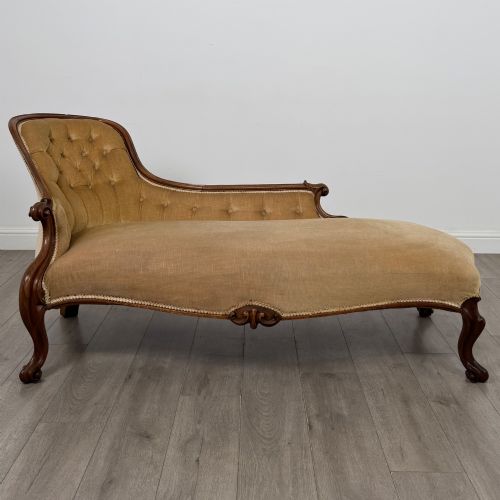


Brown Chaise
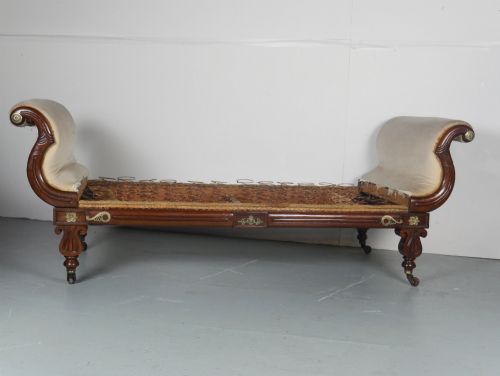
A brown antique chaise offers a stretched-out place to rest, combining sturdy timber frames with deep upholstery for your parlour or study.
Brown Chaise
When you search for a brown antique chaise, you find long reclining seats designed for daytime lounging. These pieces hail from the Regency and Victorian periods, taking various forms including scroll end sofas and day beds.
Mahogany, walnut, and rosewood form the wooden foundations of these long seats. You are most likely to meet Victorian and 19th-century examples upholstered in brown leather, velvet, satin, or horsehair fill.
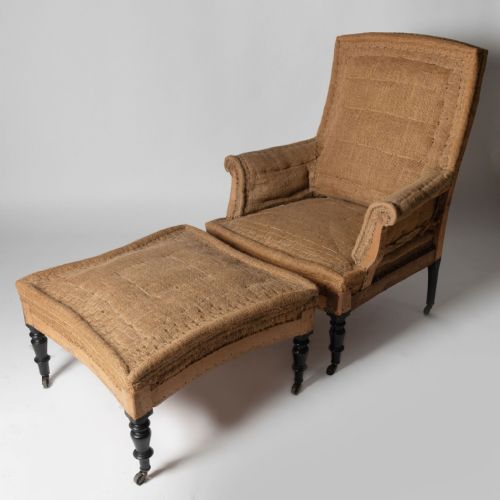
Makers such as Holland & Sons shaped these forms alongside unrecorded cabinet makers. The selection also includes related seating like armchairs and library chairs in similar dark woods and leathers.
How they were made
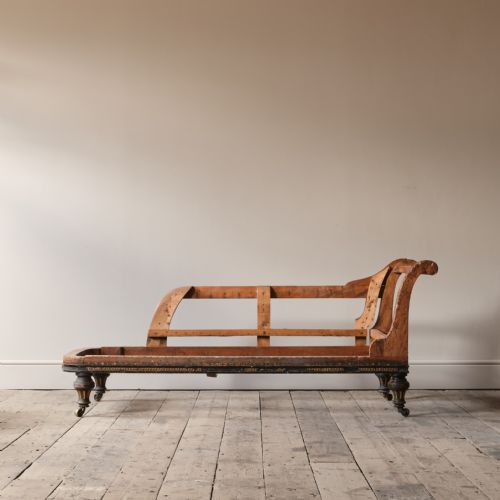
Timbers like mahogany, walnut, and hardwood provide the structural skeleton for these frames. Craftsmen carved rosewood and ebonised wood to accentuate scroll ends and backrests.
Upholstery techniques involve button back designs and horsehair fill beneath leather, velvet, or fabric. Brass castors and fittings frequently finish the feet and adjustable mechanisms.
Brown Chaise Retail Price Guide 2026
Typical asking prices for brown chaise among the pieces listed under this phrase on Sellingantiques today, from the lower quarter to the upper quarter. They describe what is for sale here now, not the wider market.
Listings feature items built from mahogany, walnut, rosewood, and ebonised wood. Upholstery choices span leather, velvet, satin, and traditional horsehair fill.
What varies in quality
The timber selection dictates the foundational strength, with dense mahogany and carved rosewood sitting above simpler hardwoods. Joinery detail and the depth of hand-carved ornamentation show the maker's hand.
Upholstery materials and execution separate standard examples from finer ones. Full horsehair fill and quality leather or velvet upholstery uphold the integrity of the piece over time.
Holland & Sons
The Brown Chaise Glossary
- Chaise longue
- A long chair for reclining, literally translating from French as long chair. These pieces combine the support of a chair with the length of a bed.
- Scroll end
- A rolled timber terminal on the arm or back of a seat. This shape curves outward in a tight spiral reminiscent of a scroll.
- Button back
- An upholstery style where depressions are formed by sewing buttons deep into the padding. This method secures the stuffing evenly across the backrest.
- Horsehair fill
- Traditional padding material woven from animal hair. It provides firm, resilient support beneath leather or fabric upholstery.
- Ebonised wood
- Timber stained or treated to resemble ebony. This dark finish creates a dramatic contrast against lighter fabrics and polished brass fittings.
Brown Chaise: Frequently Asked Questions
Where should I place a chaise longue?
These long seats suit principal rooms, studies, or large bedrooms where adequate floor space allows them to sit away from walls. Their asymmetric design works well angled in a bay window or alongside a library bookcase.
Ensure there is sufficient clearance around the scroll ends and footrests to appreciate the timber frames. Placing them out of direct sunlight helps protect leather and fabric upholstery from fading.
How do I care for leather upholstery?
Keep leather surfaces clean by dusting them regularly with a dry cloth. Conditioning products help maintain suppleness in older hides.
Position leather pieces away from direct heat sources to prevent the material from drying out. Avoid harsh chemical cleaners that can strip the original finish.
What is the difference between Regency and Victorian styles?
Regency pieces date from the early 19th century and often feature classical lines with mahogany frames and scroll ends. They display restrained ornamentation inspired by ancient Greek and Roman forms. Ninteenth-century Victorian designs tend to be heavier, incorporating carved rosewood, walnut, and button back upholstery. These later pieces frequently showcase more elaborate woodwork and varied comfort adjustments.
How do I identify a horsehair fill?
Traditional horsehair stuffing feels firm and springy beneath the upholstery fabric. It packs tightly to maintain the shaped contours of the backrest and seat.
Older pieces upholstered before modern synthetic foams became common rely on this material. The density of horsehair helps the upholstery retain its tailored profile over decades of use.