

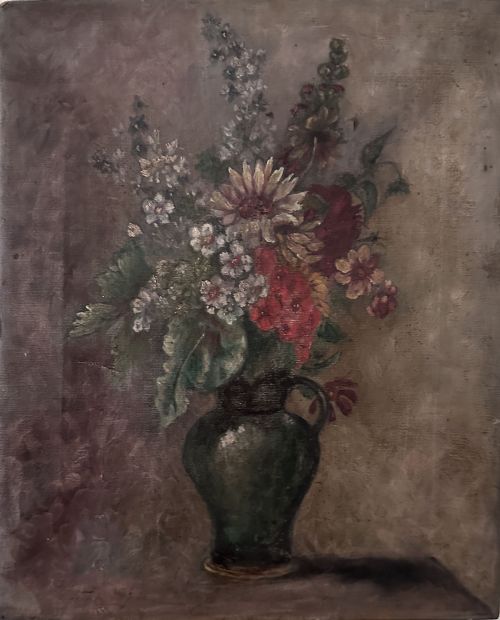


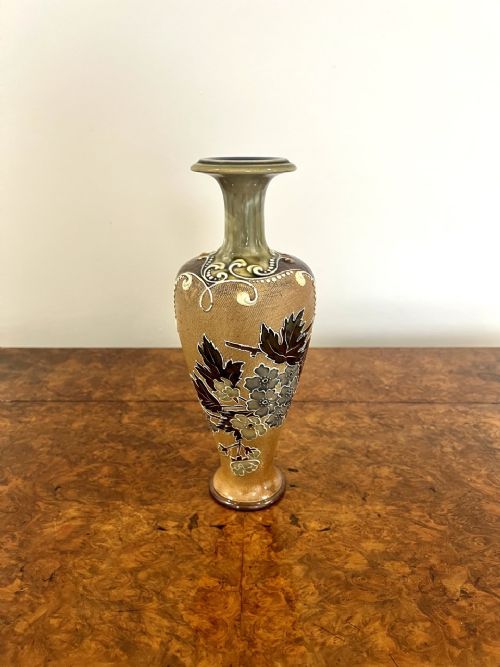


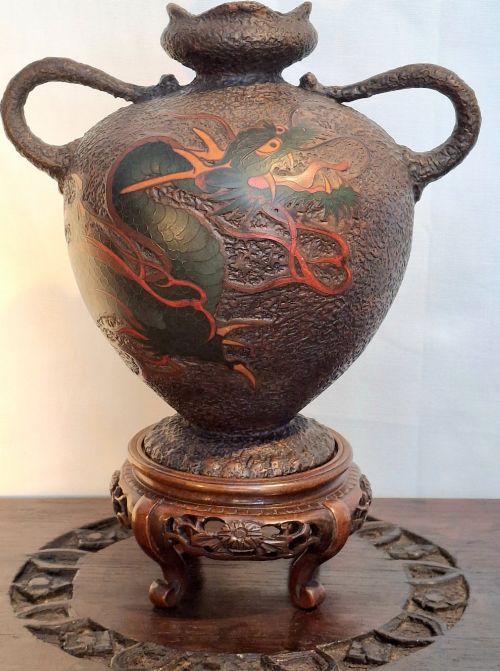
Brown and Green Vase
A brown and green vase brings earthy tones and rich kiln effects into a room, offering tactile warmth from Victorian and later periods.
Brown and Green Vase
A brown and green vase encompasses ceramic, stoneware, and earthenware vessels ranging from the nineteenth century into the twentieth century. These pieces emerge from diverse traditions, including Arts and Crafts workshops and continental potteries.
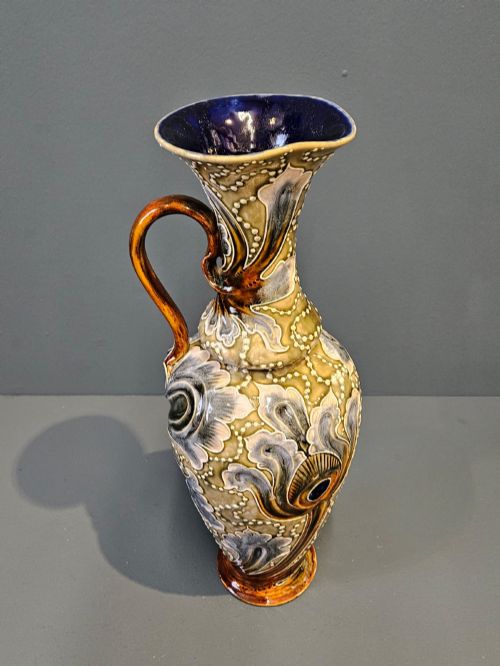
Buyers encounter distinct forms such as bottle vases, amphora shapes, and large decorative ewers. Many examples display the mottled glazes and rich surface textures characteristic of Victorian and Art Nouveau output.
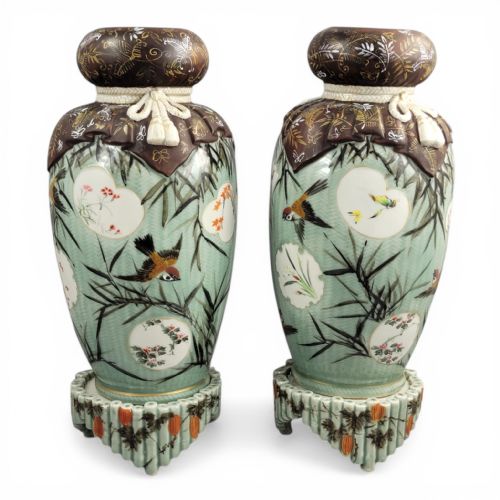
The selection also includes Japanese porcelain and earthenware created during the Meiji period alongside British art pottery. Each piece showcases the interplay of dark earthy pigments and vibrant green tones achieved by studio potters.
Materials and construction methods
Potters shaped these vessels using traditional ceramic, stoneware, and earthenware bodies before applying complex liquid glazes. Kiln operators manipulated firing temperatures to allow the brown and green pigments to flow and merge across the surface.
Certain pieces feature intricate enamel work or cloisonné details built upon ceramic or metal bases. Workshops utilised skilled hands for throwing, moulding, and final surface decoration.
Brown and Green Vase Retail Price Guide 2026
Typical asking prices for brown and green vase among the pieces listed under this phrase on Sellingantiques today, from the lower quarter to the upper quarter. They describe what is for sale here now, not the wider market.
The inventory spans diverse origins, incorporating British art pottery, Austrian decorative ewers, and Meiji period Japanese porcelain.
Distinctions in craftsmanship
Quality rests upon the depth of the glaze application and the control shown during the firing process. Superior examples display complex interactions of colour without muddying the underlying form.
The crispness of moulded or incised detail separates standard production items from masterworks. Hand-painted flourishes and signed studio pieces demonstrate a higher level of artistic intent.
Doulton Lambeth·Burmantofts Faience·Kato Sanhei·Cooper and Holt
The Brown and Green Vase Glossary
- Stoneware
- A robust ceramic body fired at high temperatures until vitrified. This process renders the material impermeable and durable.
- Earthenware
- Porous pottery fired at lower temperatures than stoneware. It requires a glazed surface to hold liquids.
- Majolica
- A type of pottery covered with an opaque tin-glaze and painted with metallic oxide colours. It yields bright, glossy surfaces.
- Ewer
- A large jug with a wide spout and handled body. Historically used for water, it frequently serves as a decorative vessel.
Brown and Green Vase: Frequently Asked Questions
Can I display flowers in these vessels?
Many historical stoneware and glazed pieces tolerate water safely for floral arrangements. Inspect the interior for any hairline cracks before filling.
Use a discreet glass insert inside older earthenware to protect the antique body from moisture damage.
How do I date a ceramic piece?
Examine the base for impressed workshop stamps, factory marks, or artist signatures. Stylistic clues such as Art Nouveau curves also point toward specific decades.
Compare the weight and glaze characteristics with documented examples from the same pottery. Material consistency helps confirm the production era.
Where should I place my vase?
Position the vessel on a sturdy surface away from heavy foot traffic or direct sunlight. Natural daylight enhances the depth of mottled brown and green glazes.
Allow sufficient space around the piece so its silhouette remains a focal point in the room.