


Bronze Style Bust
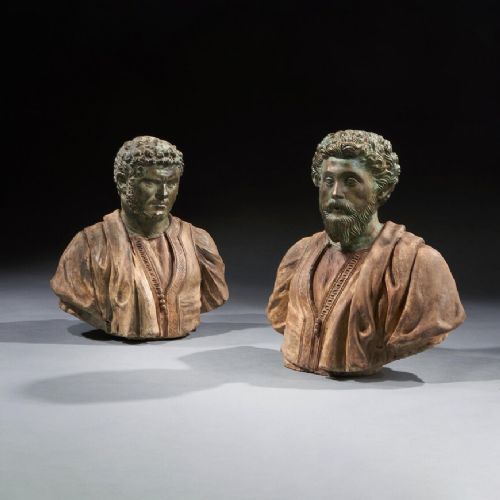
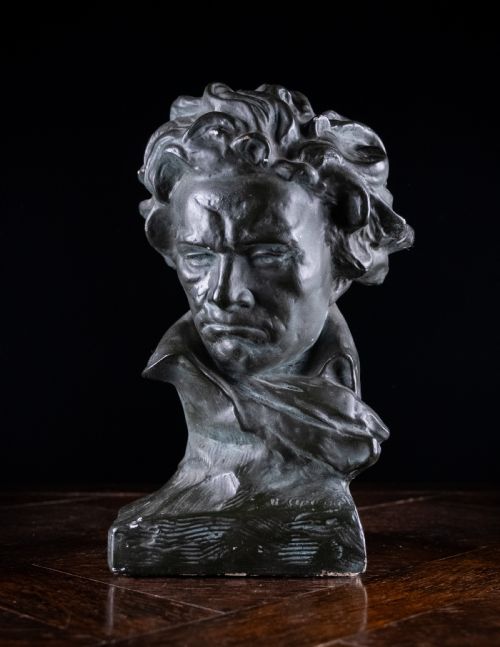
These bronze style bust pieces capture classical figures and historical portraits in metal-finished terracotta, plaster, and bronze.
Bronze Style Bust
A bronze style bust represents historical rulers, classical figures, composers, and literary subjects created to emulate heavy metal sculpture without the associated weight or cost. When buyers search for a bronze style bust, they encounter portrait sculptures modelled after ancient emperors, mythological figures, and cultural icons.
The selections span distinct historical periods from the Regency era through the Victorian period, Edwardian years, and into the Art Deco era of the nineteen-thirties and nineteen-fifties. These objects manifest as library busts, life-size portrait studies, and decorative mantel clocks incorporating sculptural elements.
Materials vary widely across the inventory, shifting from genuine cast bronze and gilt bronze to painted plaster, patinated terracotta, and brass. Many pieces utilise surface treatments such as verdigris patina and paint to simulate aged metal surfaces.
Materials and construction methods
Plaster and terracotta serve as the primary foundational materials for these portrait studies, moulded and shaped before receiving surface paint, bronze powder coatings, or patinated finishes. These mediums allow intricate detailing on hair, drapery, and facial expressions.
Metal components utilise casting techniques in brass, ormolu, and bronze, often mounted on marble pedestals or onyx columns to provide stability and visual contrast. Gilt and patinated surfaces are applied to metals to achieve specific antique tones.
Listings feature periods spanning the Regency era, the nineteenth century, and mid-twentieth-century modernism.
Distinctions in quality
The integrity of the surface patina and the quality of the underlying material foundation dictate longevity and visual depth. Hand-applied paint finishes and authentic patination show deliberate ageing, whereas lesser examples present flat, uniform surfaces lacking tonal variation.
Mathurin Moreau·Pietro Calvi·Antonio Merente
The Bronze Style Bust Glossary
- Patina
- A surface sheen or colour change developed naturally through age or applied artificially by an artist to simulate oxidation on metal or plaster. This treatment enhances the perceived depth of sculptural details.
- Terracotta
- Fired clay used extensively for sculptural busts and figures before receiving paint or patinated finishes. It offers a warm earthen base for surface treatments.
- Orlumu
- Gilt bronze mounted onto furniture, clocks, or pedestals, providing a bright metallic accent. The technique involves applying gold leaf or mercury gilding to a bronze base.
- Grand Tour
- A cultural journey undertaken by nineteenth-century Europeans seeking art and classical antiquities, inspiring souvenir sculptures and busts. These pieces reflect classical and Renaissance styles.
- Regency
- An architectural and decorative style spanning the early nineteenth century defined by classical restraint and archaeological influence. Pieces from this period often incorporate patinated finishes and gilt highlights.
Bronze Style Bust: Frequently Asked Questions
How do I clean a plaster bust?
Dust plaster sculptures gently with a dry, soft brush rather than liquid cleaners to preserve painted or patinated surfaces. Moisture can soften plaster and degrade applied metallic finishes.
Keep these pieces away from direct sunlight and damp environments to prevent paint flaking and structural deterioration over time.
What is a Grand Tour bust?
Grand Tour busts are nineteenth-century souvenirs modelled after classical antiquities, purchased by travellers visiting European cultural sites. They brought classical history and mythology into private libraries and drawing rooms.
These pieces often replicate famous Roman emperors, Greek statues, or mythological figures using accessible materials like terracotta or plaster.
Are these busts solid bronze?
Many listings feature terracotta, plaster, or composition materials finished with a bronze-style paint or patination rather than solid cast metal. These alternative mediums offered a lighter and more affordable way to achieve a metallic aesthetic.
Examining the underside, weight, and surface texture helps clarify whether a piece is cast metal or a coated porous material.
Where should I display a library bust?
Library busts look best placed on sturdy surfaces such as bookshelves, mantelpieces, or dedicated pedestals and columns. Their vertical orientation draws the eye upward and adds architectural interest to a room.
Ensure the display surface is level and secure, particularly for heavier plaster or terracotta pieces that require stable support.