



Bronze Shade Desk Light
A bronze shade desk light brings weight and steady illumination to a workspace, combining durable metal bases with period character.
Bronze Shade Desk Light
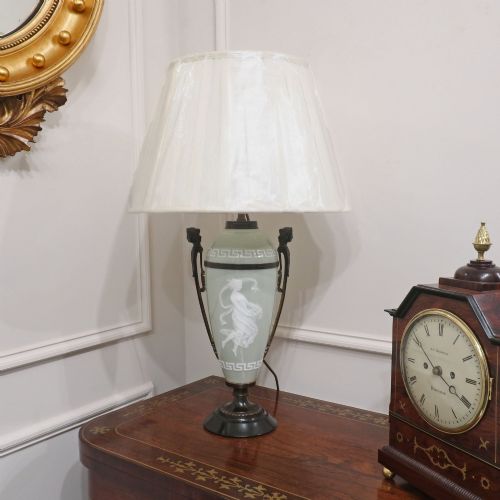
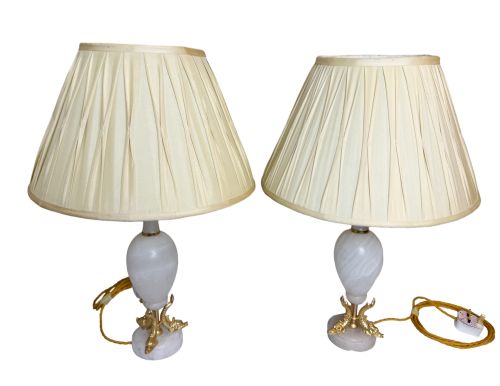
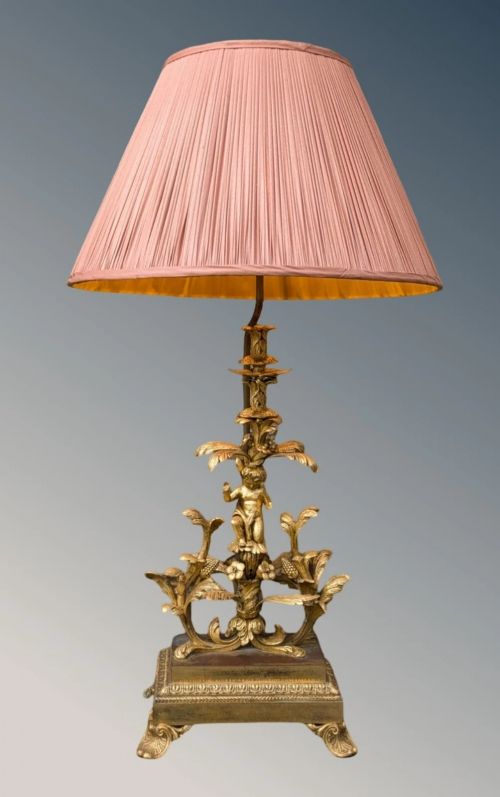
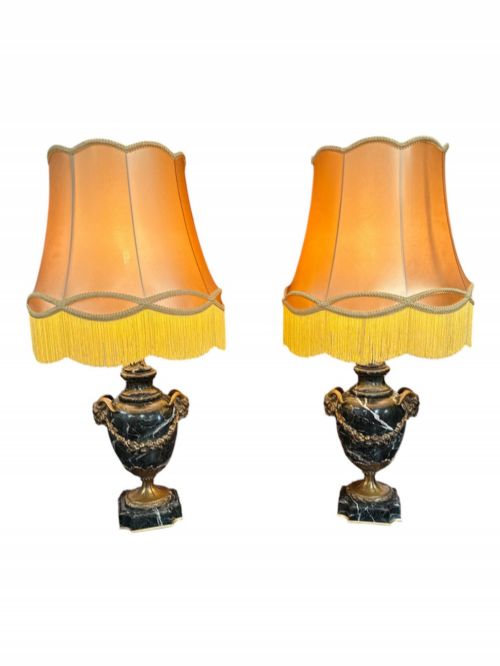
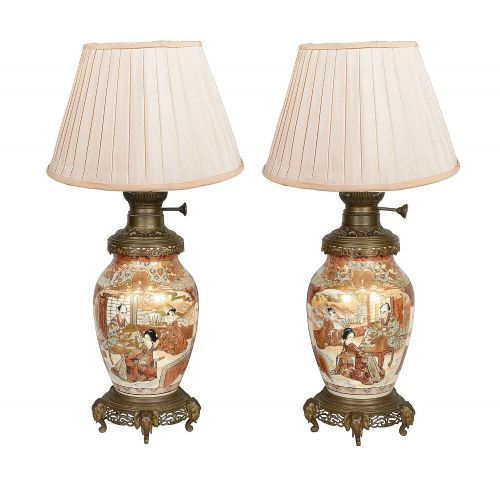
When searching for a bronze shade desk light, buyers encounter various metal and bronze table lamps originating from the nineteenth and early twentieth centuries. These pieces encompass styles ranging from French Neoclassical and Art Nouveau to Art Deco and Victorian designs. Many examples utilise converted figures, urns, or vases mounted with bronze, ormolu, and brass.
Factors determining quality
Quality rests on the crispness of the metal casting, the depth and preservation of the original gilt bronze or patinated finish, and the integration of any stone or porcelain components. Finely chased details on mounts and figures indicate superior craftsmanship.
The structural integrity of the base, the quality of the marble or onyx support, and the authenticity of period elements distinguish standard utility pieces from exceptional decorative examples.
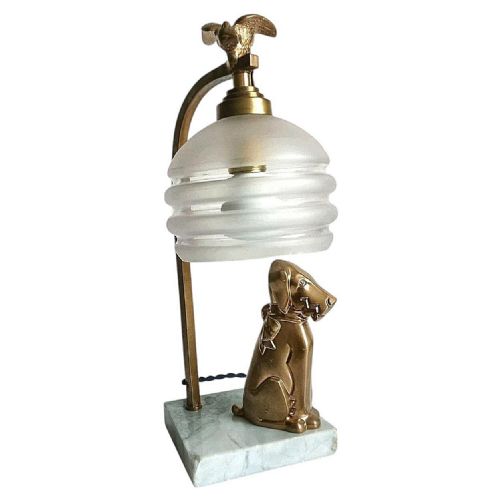
A bronze dog and parrot share desk duty.
The Charles Parker Company·Tiffany Studios NYC
The Bronze Shade Desk Light Glossary
- Ormolu
- Gilded bronze produced by applying a mercury and gold amalgam to cast bronze before heating. This technique creates a durable, rich golden surface typical of fine period lighting.
- Spelter
- An alloy of zinc and lead used as a less expensive alternative to bronze for figural lamp bases. It takes patination well but possesses a lighter weight and softer structure.
- Pate sur pate
- A ceramic decorating technique where white porcelain relief designs are built up layer by layer on a contrasting coloured background body. It frequently appears on neoclassical lamp bodies.
- Cloisonne
- An ancient technique for decorating metalwork objects with coloured glass paste placed within compartments defined by bent wire. Pieces utilising this method present intricate, multi-coloured patterns.
Bronze Shade Desk Light: Frequently Asked Questions
What periods do these lamps represent?
The pieces span the nineteenth century through the Edwardian era and into the 1930s. They capture shifting design movements from Victorian revivalism to Art Nouveau and Art Deco.
Production dates align with broader decorative arts periods, reflecting both classical revivals and modern twentieth-century industrial aesthetics.
How were these lamps originally used?
They served as functional task lighting on desks and tables in studies, libraries, and drawing rooms. Many started as oil lamps, candlesticks, or decorative urns before later conversion to electricity.
Their dual role as ornamental sculpture and light source made them central fixtures in period interiors.
How do I identify Art Deco examples?
Art Deco pieces display clean geometric lines, stylised animal figures, and materials like marble paired with bronze or metal. These designs emerge primarily from the 1920s and 1930s.
They stand apart from earlier Victorian and neoclassical items through simplified forms and industrial influences.
Can converted vases be dated accurately?
Dating relies on the base ceramic or bronze vessel, which often originates decades before the lamp conversion took place. Marks, styles, and mounting techniques help determine the age of both the body and the metalwork.
Mounts and ormolu framing typically provide the strongest clues for the period of conversion.