

Bronze Sconce Lighting
Bronze sconce lighting brings architectural weight and warm illumination to interiors through cast metal forms shaped into classical and revival wall lights.
Bronze Sconce Lighting
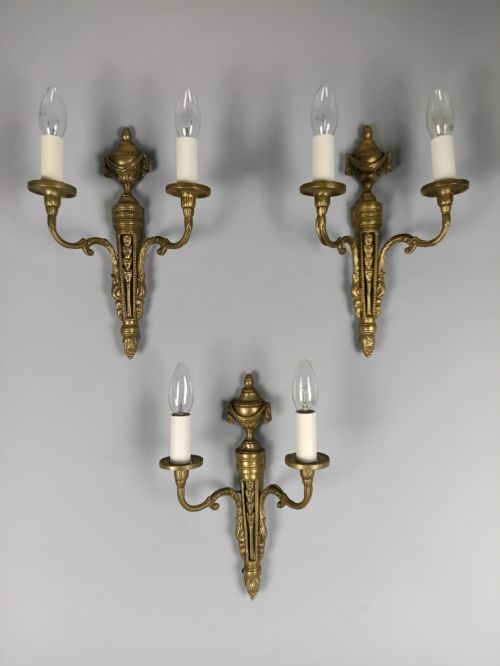
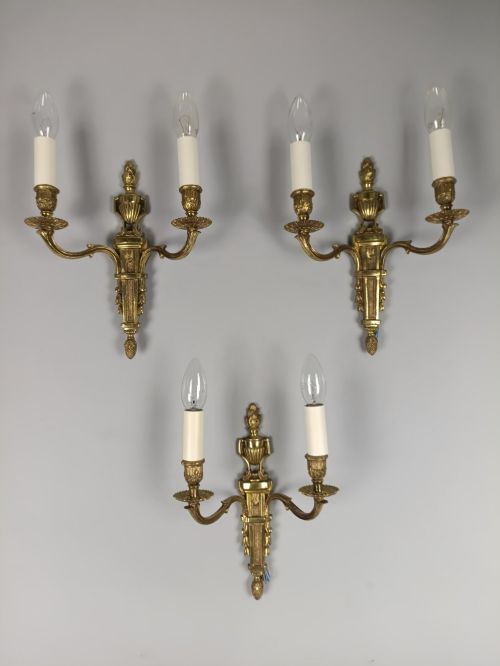
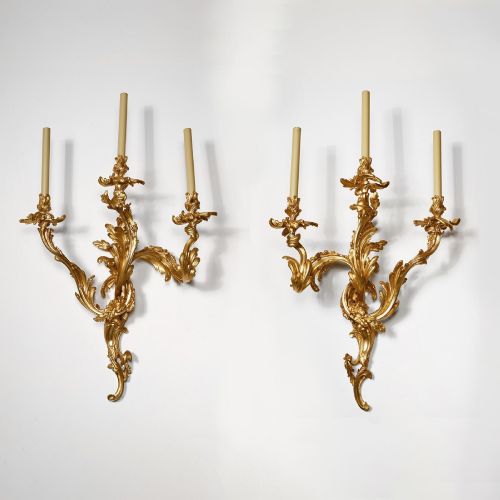
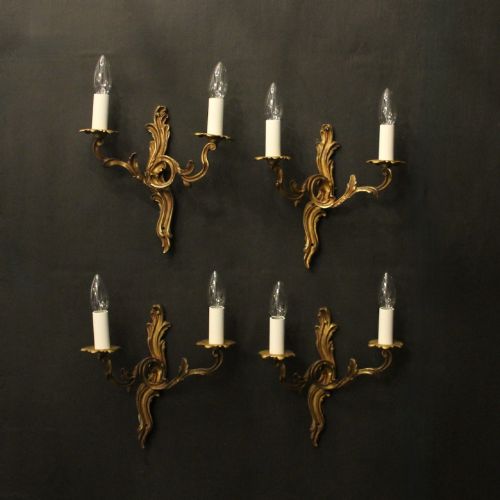
Bronze sconce lighting encompasses wall-mounted fixtures designed to hold candles or electric bulbs, predominantly originating from French and English workshops. These pieces appear most frequently as matched pairs dating from the nineteenth and early twentieth centuries.
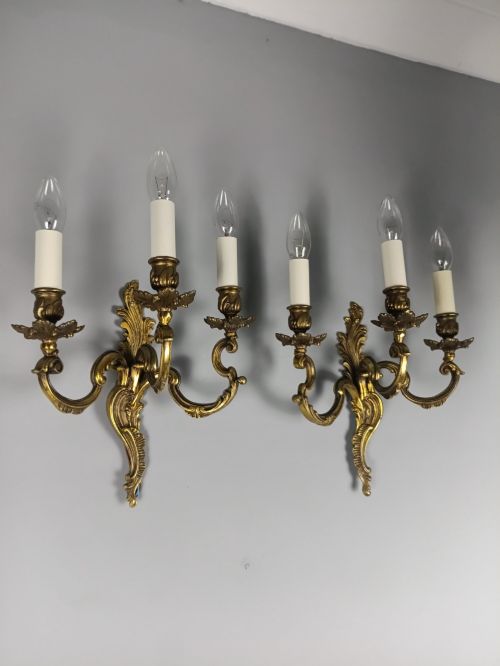
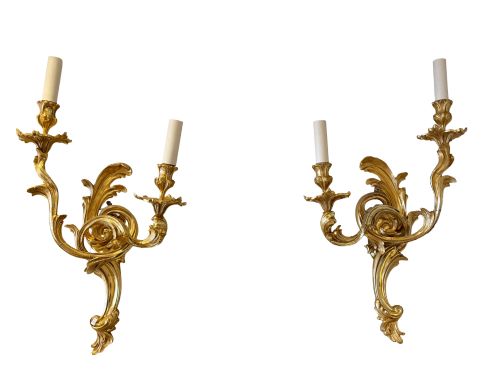
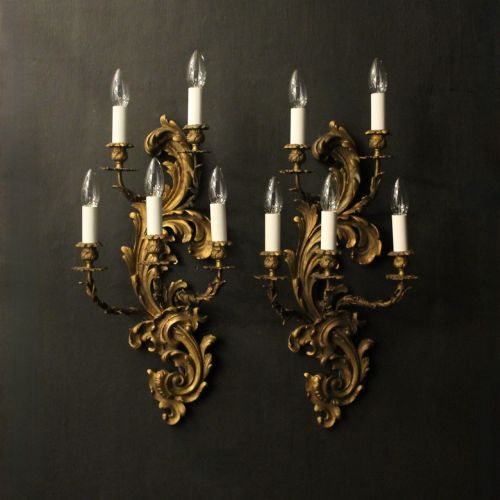
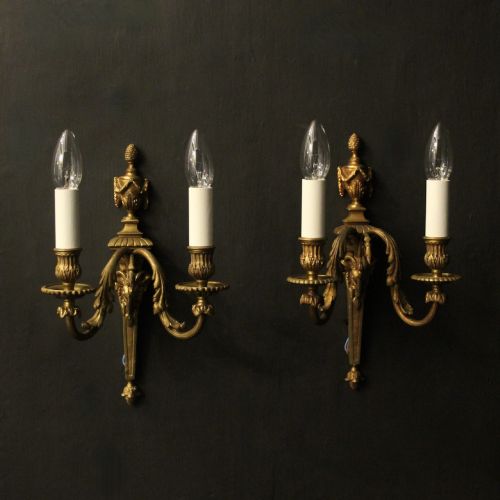
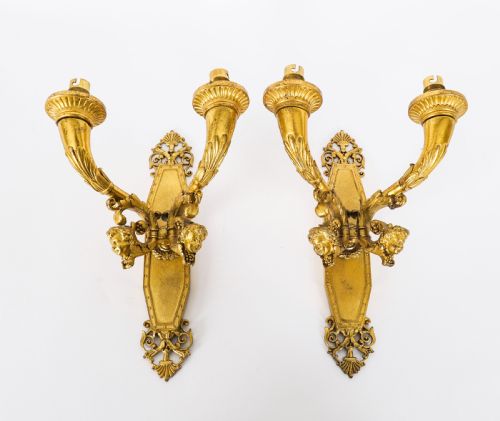
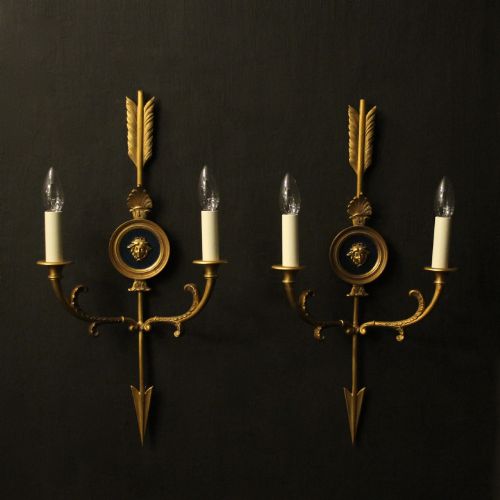
The inventory on this page spans distinct stylistic revivals, including French Rococo, Neoclassical, and Empire designs alongside simpler English bronze and brass configurations. Wall lights, girandoles, and appliques form the bulk of the available lighting objects.
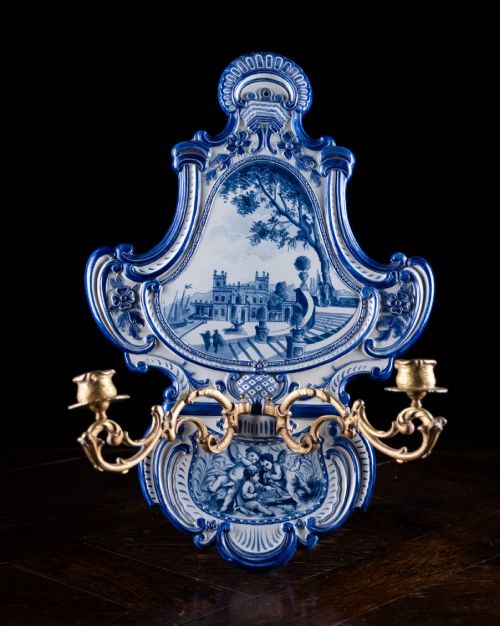
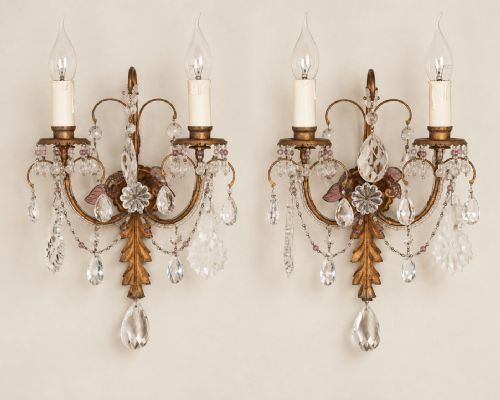
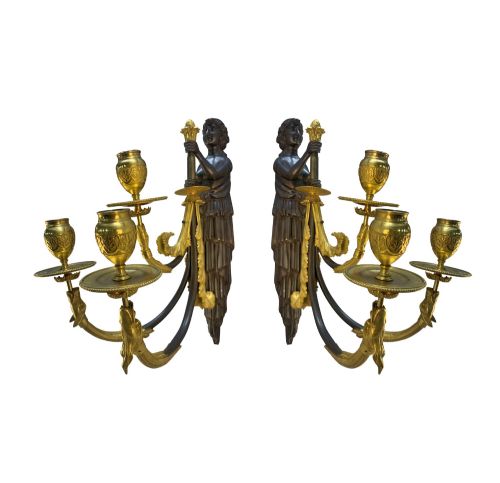
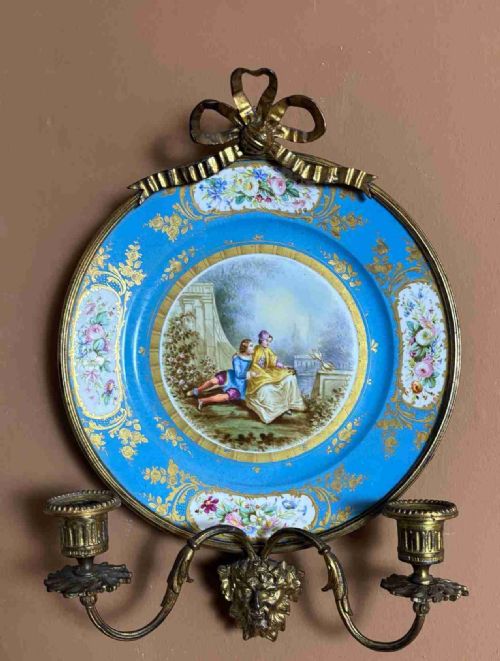
Buyers encounter multi-branch fixtures ranging from twin-arm wall lights to large four-branch or five-branch candelabra configurations. Many examples incorporate cut glass crystals or porcelain mounts alongside the primary metal structures.
Materials and construction
The construction of these fixtures relies heavily on cast bronze, brass, and ormolu, which is gilded bronze. Makers utilised techniques such as lost-wax casting and sand casting to achieve intricate relief work and sculptural depth.
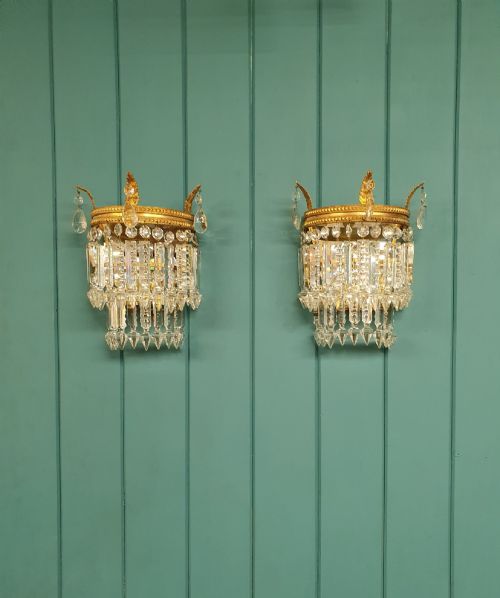
Surface treatments involve gold leaf application or mercurial gilding to produce rich ormolu finishes that catch and reflect candlelight. Crystal prisms and marble bases frequently complement the cast metal bodies in Regency and nineteenth-century examples.
Bronze Sconce Lighting Retail Price Guide 2026
Typical asking prices for bronze sconce lighting among the pieces listed under this phrase on Sellingantiques today, from the lower quarter to the upper quarter. They describe what is for sale here now, not the wider market.
One exceptional Regency pair casts squirrels amongst bronze tree branches, proving that even lighting fixtures needed a bit of woodland mischief.
Distinctions in quality
The refinement of the chasing and hand-chiselling on the metal surface separates standard production from superior examples. Sharp, deep relief work indicates skilled hand-finishing after the initial casting process.
Substantial weight and thick gauge metal denote superior construction, whereas lighter pieces often lack the structural integrity of heavier castings. The integration of high-grade cut glass or porcelain mounts further elevates the standing of an individual piece.
Casier
The Bronze Sconce Lighting Glossary
- Ormolu
- Gilded bronze, where a fine layer of gold is applied to a bronze base object. This technique was widely employed by French metalworkers to create durable decorative surfaces.
- Applique
- A wall-mounted lighting fixture designed to hold candles or lamps, synonymous with a wall sconce. These items attach directly to vertical surfaces.
- Girandole
- An ornamental wall sconce featuring reflective surfaces such as mirrors or cut glass crystals to amplify the illumination. The glass elements scatter light across the room.
- Campana
- A bell-shaped cup or socket component found on the top of candlesticks and sconces. This shape supports the candle or houses the bulb fitting.
- Chasing
- The manual tooling and refining of a metal surface using hammers and punches after casting. This process sharpens details and textures on bronze fixtures.
Bronze Sconce Lighting: Frequently Asked Questions
How are antique bronze sconces mounted?
These wall lights generally secure to walls via a backplate containing screw holes designed for direct wall anchoring. Many older pieces require conversion or careful wiring adaptation for modern electrical standards by a qualified technician.
Original mounting brackets sometimes remain intact on nineteenth-century examples, though professional installation ensures safe weight distribution for heavier multi-branch ormolu fixtures.
Were these fixtures made for candles or electricity?
The majority of nineteenth-century sconces and girandoles were originally manufactured for wax candles before later being adapted for electric lighting. Candle drip pans and sockets often show evidence of conversion work carried out during the twentieth century.
Unconverted examples retain their original configuration for display purposes, while electrified versions integrate wiring through the backplate or arms to maintain the visual lines of the metal.
How do I distinguish French Empire style sconces?
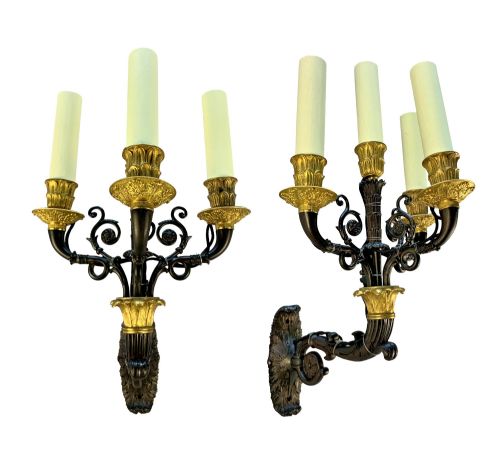
French Empire pieces display strict symmetry, military motifs, classical urns, and heavy architectural proportions drawn from antiquity. The bronze surfaces on these items often feature contrasting bright ormolu highlights against matte patinated grounds.
This aesthetic developed during the early nineteenth century and saw revivals later in the Victorian era, frequently incorporating acanthus leaves and classical palmettes.
What is the difference between bronze and brass wall lights?
Bronze is an alloy primarily composed of copper and tin, offering a dense, heavy structure that accepts rich patination and gilding. Brass consists of copper and zinc, yielding a brighter golden tone that was frequently utilised for standard domestic hardware.
Many antique listings group gilded brass and gilt bronze together under overarching descriptive terms, though pure bronze typically displays deeper sculptural detail from the casting process.