





Bronze Nymph Figure
A bronze nymph figure brings classical grace or twentieth-century rhythm to a room, cast in metal and frequently paired with marble.
Bronze Nymph Figure
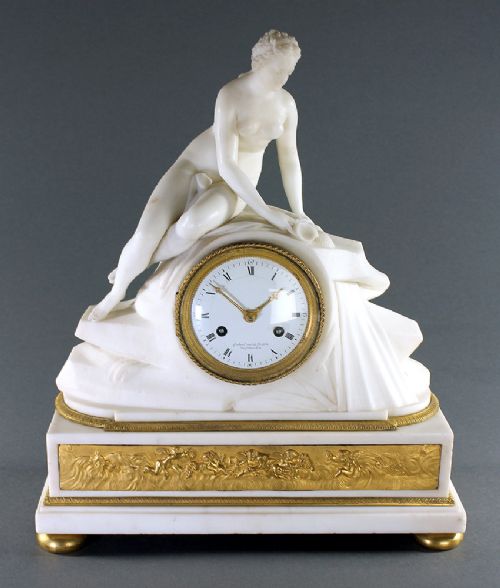
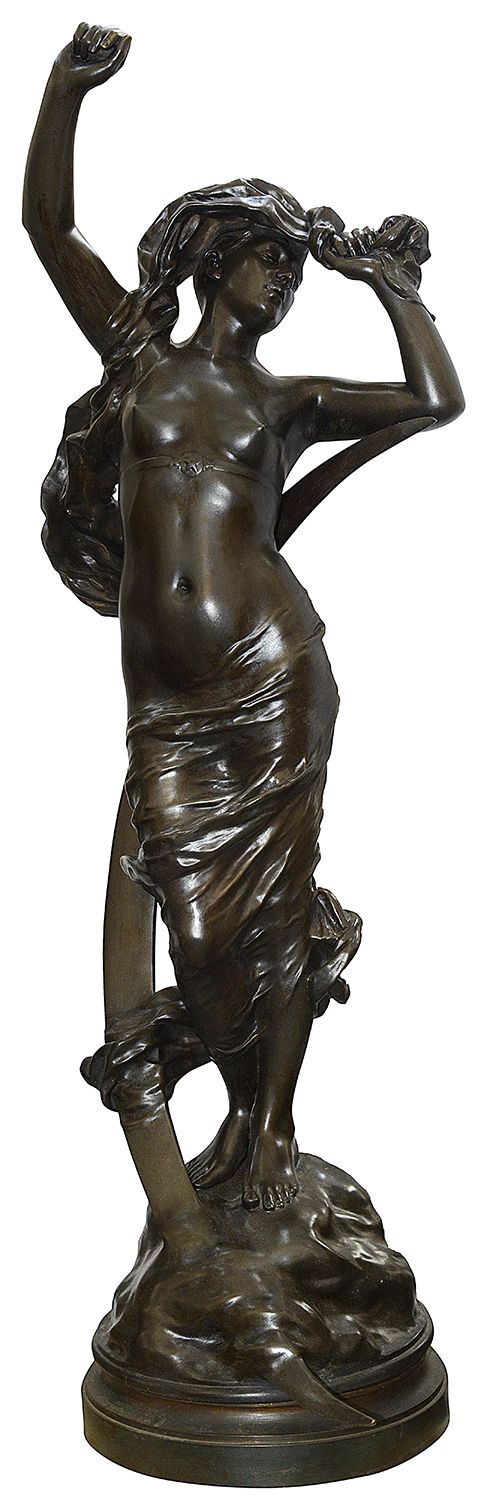
A bronze nymph figure captures classical maidens, dancers, and mythological subjects in cast metal, often resting upon marble bases. These works span the nineteenth century through the art deco and art nouveau periods of the nineteen-twenties and nineteen-thirties. You will frequently meet French sculptures and figural table lamps on this page, reflecting classical and revival aesthetics.
The subjects range from semi-nude maidens and pipe players to groups of dancing figures and mothers with children. Sculptors drew on classical mythology and French academic traditions, producing both cabinet bronzes and functional pieces like lamps and vases. The physical presence of these works relies on solid casting and substantial weight.
How they were made
Foundries utilised traditional lost-wax or sand-casting techniques to shape bronze, silvered bronze, and gilt brass. The resulting metal forms received hand-applied patination ranging from deep brown tones to bright metallic finishes. Many figures were subsequently mounted on veined marble plinths to provide stability and visual contrast.
Bronze Nymph Figure Retail Price Guide 2026
Typical asking prices for bronze nymph figure among the pieces listed under this phrase on Sellingantiques today, from the lower quarter to the upper quarter. They describe what is for sale here now, not the wider market.
Listings span the nineteenth and twentieth centuries, featuring bronze, silvered bronze, and gilt brass materials across multiple decorative styles.
What varies in quality
The quality of a bronze nymph figure depends on the crispness of the original cast and the sensitivity of the subsequent hand-chasing. Superior pieces retain intricate details in hair, fingers, and drapery that lesser castings blur or smooth over. The depth and variation of the patination also distinguish finer works from flat, uniform surface treatments.
The integration between the bronze figure and its marble base affects the overall integrity of the piece. Master founders ensured seamless joins and balanced proportions, whereas secondary works sometimes reveal rough fitting or clumsy junctions between metal and stone.
Zoldan Kovats·Auguste Moreau·S. Kinsburger·Clodion·Eugène Désiré Piron·Houdebine·Carrier·P.Sega·Antoine Coysevox·Barbedienne
The Bronze Nymph Figure Glossary
- Patinated bronze
- Bronze that has been treated with chemical solutions to produce a specific surface colour or aged appearance. This finish protects the metal and adds tonal depth to the sculpture.
- Lost-wax casting
- A method of metal casting where a wax model is melted out of a mould and replaced with molten bronze. This technique allows for the capture of fine detail.
- Chasing
- The manual finishing of a raw metal casting using small hammers and punches to refine details. Skilled chasing separates high-grade foundry work from mass-produced items.
- Marble plinth
- A heavy stone base supporting the bronze figure, often providing structural stability and aesthetic contrast. These bases vary in colour and veining depending on the period.
Bronze Nymph Figure: Frequently Asked Questions
Where should I place a bronze figure?
Position the sculpture on a stable surface away from direct sunlight and fluctuating heat sources like radiators. A sturdy console table or mantelpiece provides a secure location where the weight of the marble and bronze is fully supported.
Ensure the piece is placed where it will not be knocked or brushed against by passing traffic. Good ambient lighting helps reveal the subtle variations in the patination.
Are these pieces signed by artists?
Many bronze figures carry cast signatures, foundry marks, or stamps applied during the manufacturing process. These inscriptions typically appear near the lower edge of the bronze base.
Signatures indicate the sculptor responsible for the model or the foundry that executed the cast. Examining these marks helps connect the work to specific makers and periods.
What is the difference between art nouveau and art deco figures?
Art nouveau figures feature flowing, organic lines inspired by natural forms, often showing swirling drapery and elongated hair. These works reflect the aesthetic of the late nineteenth and early twentieth centuries.
Art deco figures adopt sharper geometries, stylised drapery, and dynamic poses associated with the nineteen-twenties and nineteen-thirties. The overall silhouette becomes more streamlined and architectural.