

Bronze Metalwork Sculpture
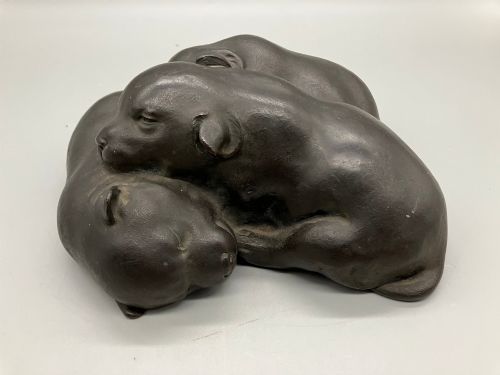
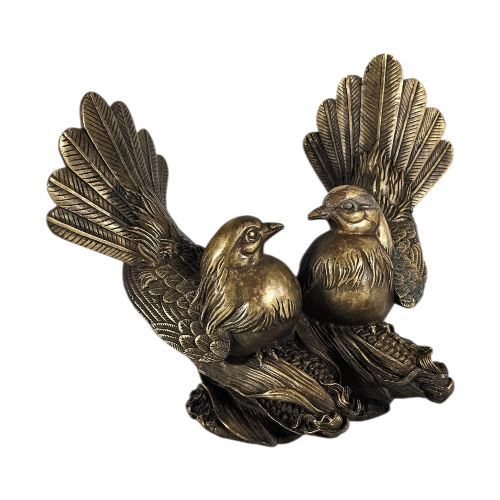
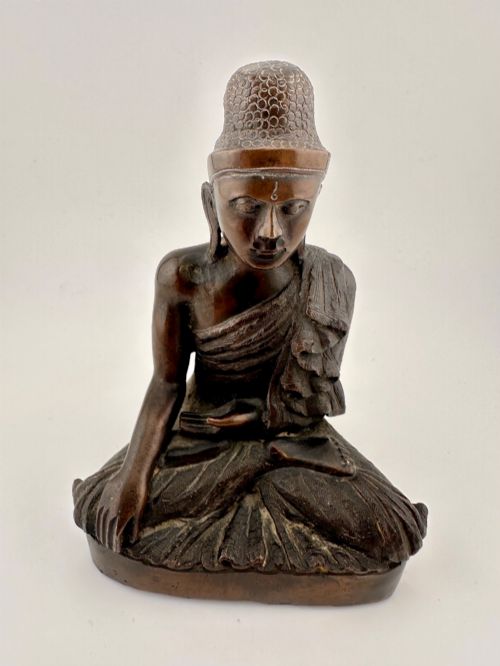
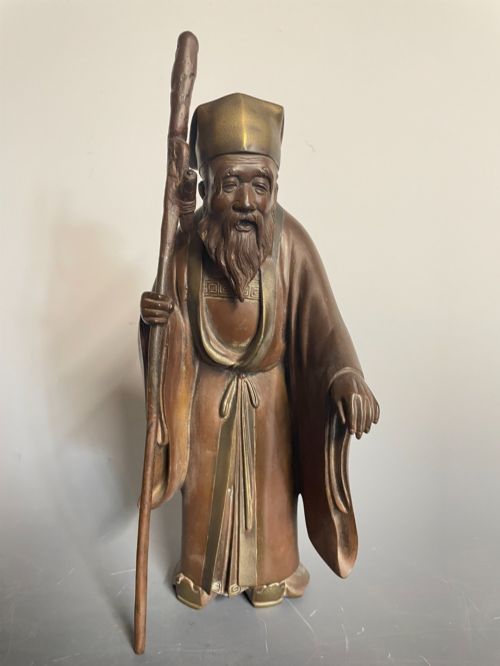
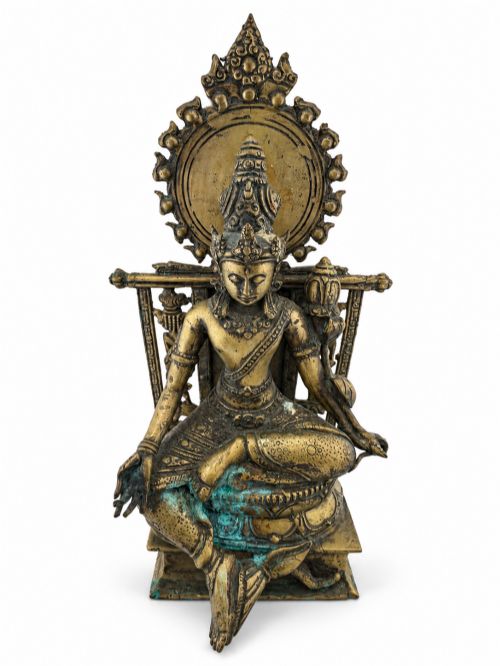
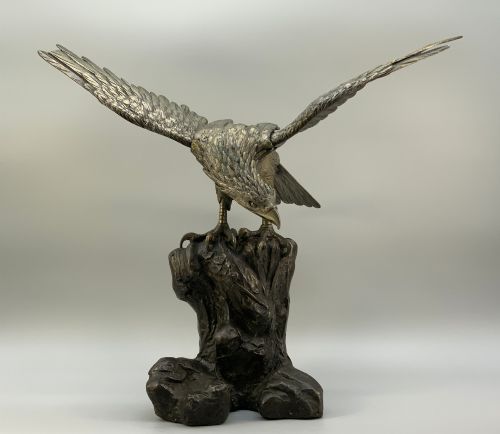
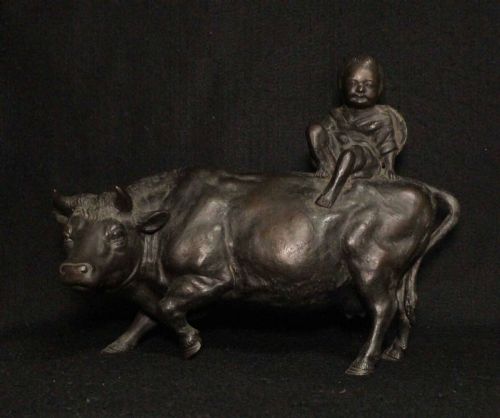
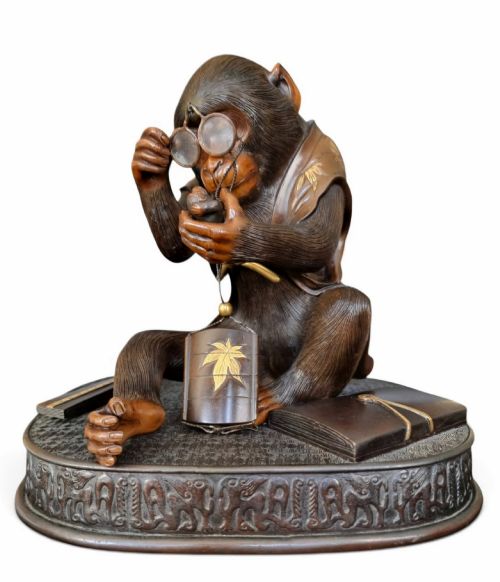
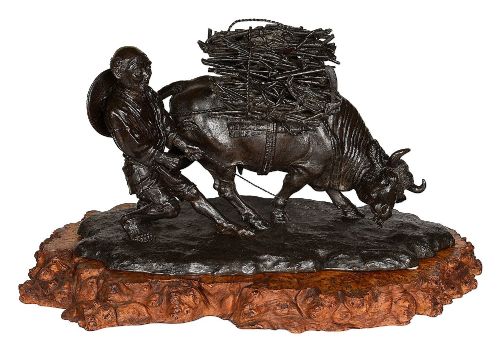
These pieces of bronze metalwork sculpture range from devotional figures to naturalistic Japanese okimono cast across the nineteenth and early twentieth centuries.
Bronze Metalwork Sculpture
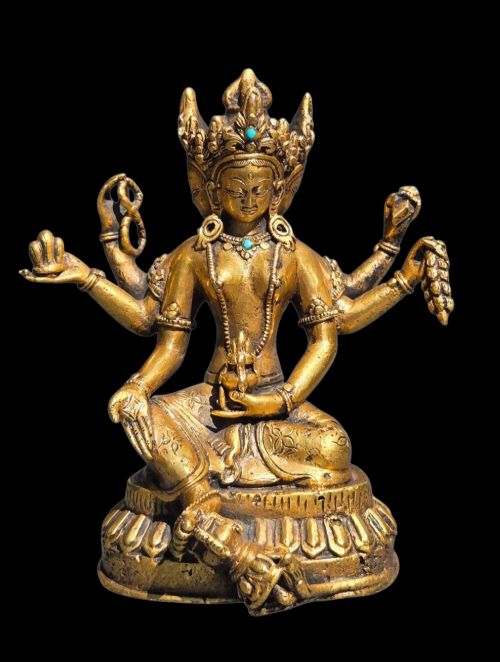
When you search for bronze metalwork sculpture, you encounter a diverse gathering of figurative art spanning several continents and centuries. The selection on this page is dominated by Japanese Meiji period cast figures, Chinese statues, and Himalayan Buddhist deities.
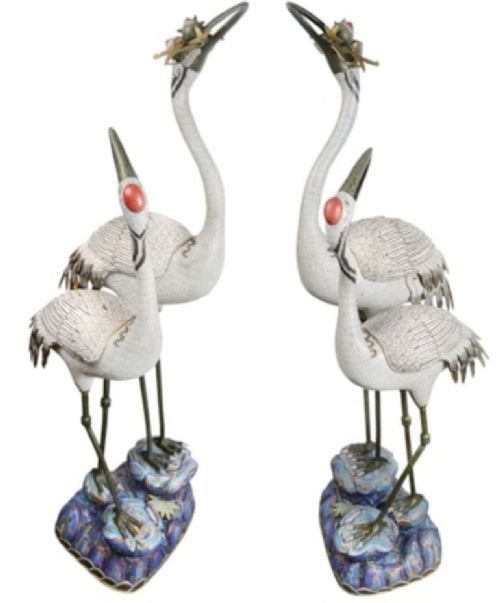
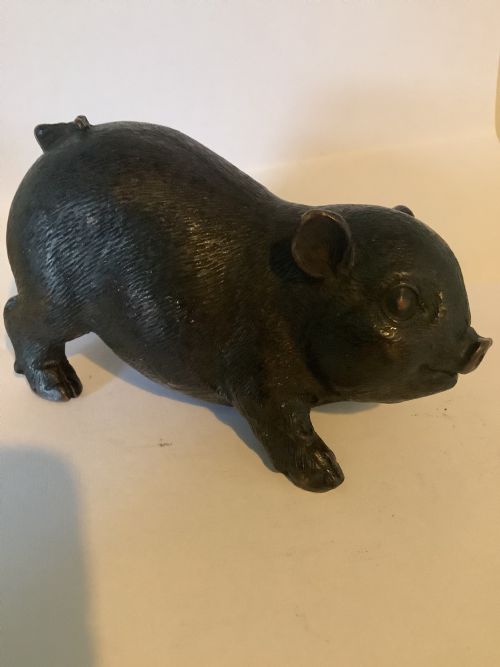
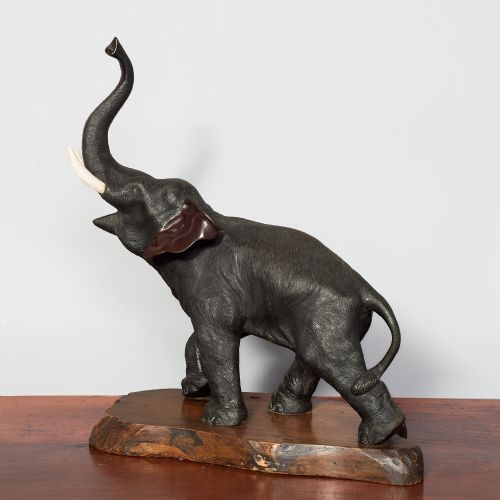
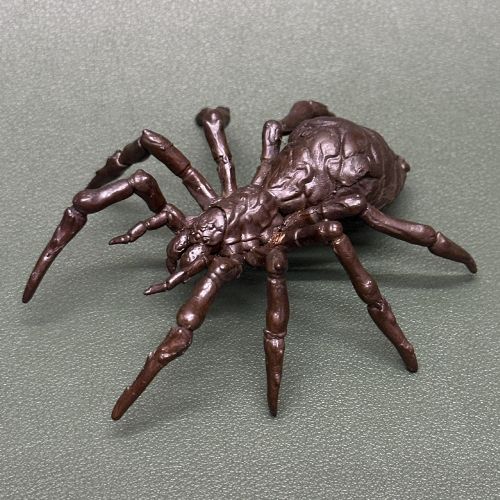
The objects take many forms, from domestic okimono depicting animals and insects to large garden ornaments and shrine statues. Figures of birds, elephants, and human scholars appear frequently alongside religious icons.
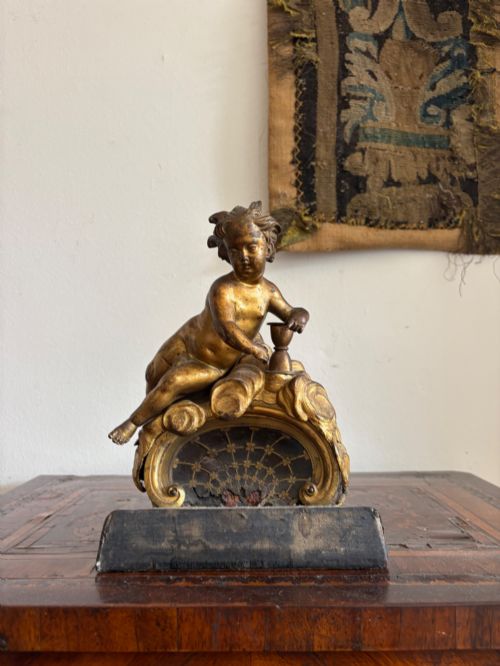
Most items date from the nineteenth century and the early decades of the twentieth century, reflecting active periods of artistic output in East Asia and Europe. European works also surface, including French decorative mounts and animalier dogs.
Material and method
The pieces rely primarily on traditional casting techniques, utilising bronze, brass, and copper alloys shaped into intricate forms. Many Japanese works employ patinated surfaces to achieve deep colour variations, while others incorporate mixed metals like shakudo.
Surface detailing often involves hand-finishing, engraving, and inlay work using materials such as gold, silver, wood, and bone. Artisans also utilised gilt bronze and marble mounts to complete decorative items and architectural ornaments.
Listings feature works spanning the nineteenth and early twentieth centuries, encompassing Japanese okimono, Chinese figures, and Himalayan Buddhist shrines.
Craftsmanship and detail
The distinction between standard production and masterwork status lies in the articulation of movement and the subtlety of the patina. Finer pieces demonstrate careful integration of mixed metals and secure inlay work that remains flush with the primary bronze surface.
Jomi Eisuke·Kunio Ito·Sakai Kozan·Unno Shomin·Edward Aagaard
The Bronze Metalwork Sculpture Glossary
- Okimono
- A Japanese ornamental statue or display object intended for placement in a traditional tokonoma alcove. These pieces range from tiny articulated insects to large garden figures.
- Patination
- The chemical or thermal treatment applied to the surface of a bronze sculpture to alter its colour. This process creates shades ranging from deep brown to dark green and black.
- Shakudo
- A Japanese billon alloy of copper with a small percentage of gold, treated to produce a dark purple-black patina. It is frequently used for contrasting details in mixed-metal sculptures.
- Gilt Bronze
- Metalwork coated with a thin layer of gold, often executed through mercury gilding in older French and Asian pieces. This technique provides a bright, lasting finish resistant to tarnishing.
- Cloisonne
- An ancient technique for decorating metalwork objects with coloured material held in place by thin metal strips soldered to the base. The cells are filled with enamel paste before firing.
Bronze Metalwork Sculpture: Frequently Asked Questions
What is a Meiji period bronze?
A Meiji period bronze is a Japanese metalwork sculpture produced during the reign of Emperor Meiji, spanning from eighteen sixty-eight to nineteen twelve. This era saw Japanese metalworkers transition from samurai sword fittings to intricate decorative sculptures for export.
These pieces often depict natural subjects like eagles, elephants, and insects rendered with extreme realism. The artistry relies on advanced foundry techniques developed over generations.
How do I care for antique bronze?
Antique bronze requires minimal intervention to preserve its historic surface and natural patina. Dusting with a soft, dry brush is generally sufficient for regular maintenance.
Avoid using commercial metal polishes or liquid cleaners, as these strip away the patination accumulated over centuries. A light application of microcrystalline wax can protect the metal if the piece is kept in a dry environment.
How can I tell different Asian bronzes apart?
Distinguishing Asian bronzes involves examining the stylistic conventions, iconography, and casting methods characteristic of specific regions. Himalayan and Tibetan figures typically represent Buddhist deities with distinct ritual attributes and postures.
Chinese bronzes often draw on dynastic traditions, incorporating archaic motifs or imperial marks. Japanese works from the late nineteenth century tend toward naturalism and complex mixed-metal inlay.