





Bronze Metal Wall Art
Bronze metal wall art brings substantial weight and refined surface texture to an interior, ranging from portrait plaques to decorative chargers.
Bronze Metal Wall Art
Bronze metal wall art encompasses heavy cast plaques, decorative chargers, and relief panels designed for vertical display. These pieces span from the nineteenth century into the Art Deco era, drawing on international workshops and traditional European foundry methods.
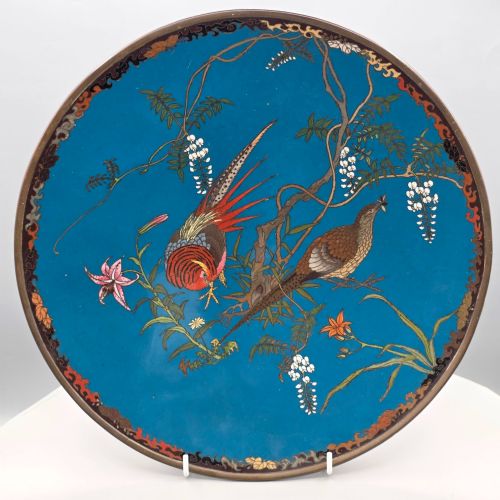
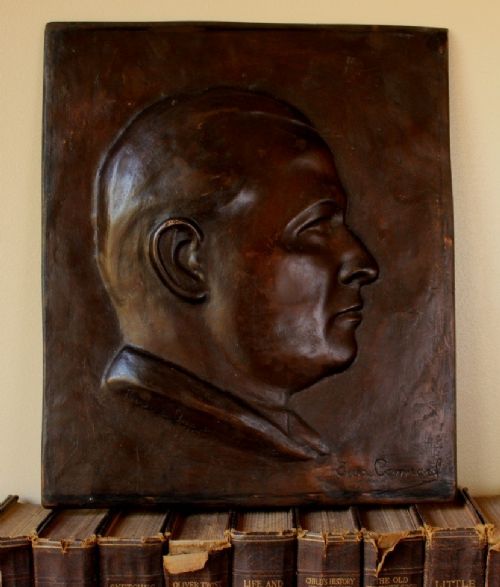
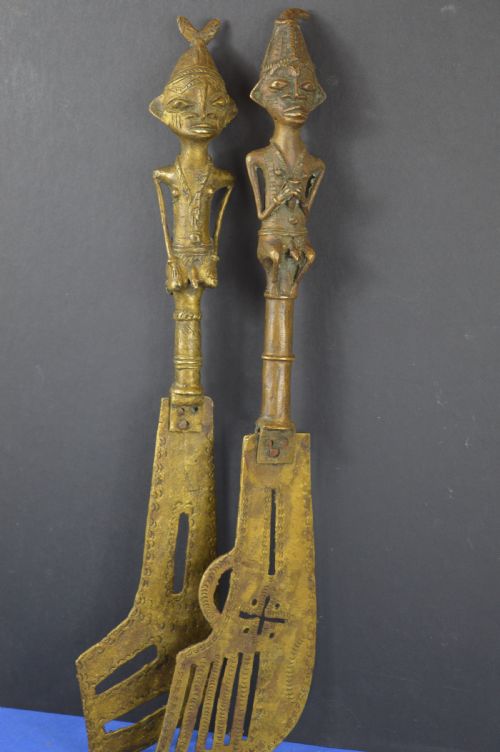
The selection on this page relies heavily on Japanese Meiji period cloisonne enamel chargers, nineteenth-century portrait reliefs, and architectural fragments. Buyers encounter everything from French Arts and Crafts wall lights to African Yoruba tribal staffs and Russian icons mounted on wood panels.
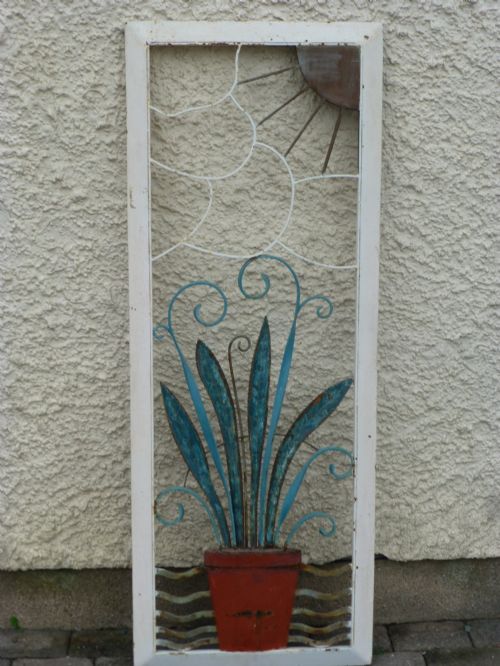
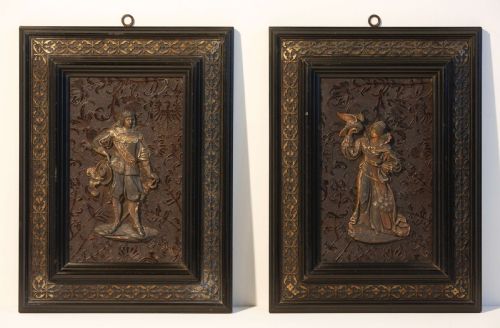
Forms vary from roundels depicting historical figures to large rectangular plaques featuring botanical motifs or mythological scenes. Many incorporate mixed media, pairing cast metal with timber frames, enamel infill, or gilt highlights.
How bronze metal wall art was made
Foundries utilised traditional casting techniques, pouring molten bronze, brass, or copper into moulds to achieve high relief and sharp detail. Artisans then chased and finished the metal surfaces by hand, sometimes applying chemical patination or gilding to create tonal depth.
Enamelled pieces involved wiring delicate metal cells onto a copper or bronze base before fusing powdered glass in a kiln. Other items combined cast metal elements with carved mahogany frames, tempera on wood, or applied silver.
Materials across these listings include bronze, brass, copper, wood, enamel, glass, gilt, and mahogany.
What varies in quality
Quality rests in the crispness of the casting and the sensitivity of the hand-finishing work. Superior examples display sharply defined facial expressions, clean lines in cloisonne wiring, and rich, stable patination rather than flat, uniform surfaces.
The integrity of the mounting and the preservation of secondary materials, such as original turned mahogany frames or integrated hanging hardware, distinguish finer decorative plates and wall panels from standard production.
Faulkner Bronze Company·Coalbrookdale·Volga Masters
The Bronze Metal Wall Art Glossary
- Cloisonne
- A decorative metalwork technique where thin wire is soldered to a metal base to create compartments filled with enamel paste. This method produces vibrant, patterned surfaces seen on Japanese chargers.
- Relief
- Sculpture where figures or designs project from a flat background surface. High relief elements emerge strongly from the backing plate.
- Charger
- A large decorative plate intended for display on a wall or sideboard rather than for dining use. These pieces often feature elaborate pictorial scenes.
- Patina
- The surface sheen and colour acquired by metal through age, handling, or chemical treatment. Collectors value deep and even patination.
- Roundel
- A circular panel or plaque used for architectural or decorative wall display. They frequently portray historical figures or profiles.
Bronze Metal Wall Art: Frequently Asked Questions
How do I hang heavy bronze wall plaques safely?
Heavy cast metal pieces require secure wall anchors and robust fixings rated for substantial weight rather than simple picture wire. Check the back of the plaque for designated hanging loops or sturdy integrated brackets before installation.
Ensure the weight distributes evenly across solid masonry or correctly located wall studs to prevent structural damage to the plaster.
What is the difference between bronze and brass wall art?
Bronze is an alloy primarily composed of copper and tin, known for its deep tones and durability. Brass is an alloy of copper and zinc, which typically displays a brighter, more golden hue.
Foundries used both metals interchangeably for relief plaques and decorative chargers depending on the desired finish and period style.
How should I clean antique bronze wall pieces?
Dust bronze and copper surfaces gently with a soft, dry cloth to prevent the accumulation of grime. Avoid abrasive polishes or chemical cleaners that strip away the historic patina.
Preserving the natural surface ageing is essential for maintaining the visual character and historical integrity of nineteenth-century metalwork.
Are Japanese cloisonne chargers meant for walls?
Japanese cloisonne chargers frequently feature integrated wire loops or stands designed specifically for wall display. Their intricate enamel dragons, birds, and botanical patterns suited Victorian interior decoration schemes.
Examine the reverse of the charger to identify original mounting provisions utilised by nineteenth-century collectors.