





Bronze Metal Basin
A bronze metal basin brings substantial weight and deep historical metalwork into a room, serving as a planter or ritual vessel.
Bronze Metal Basin
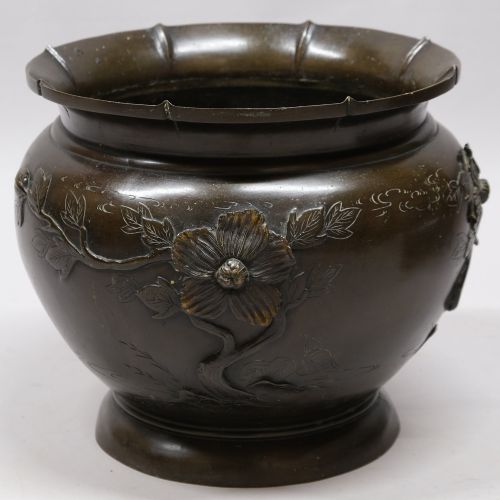
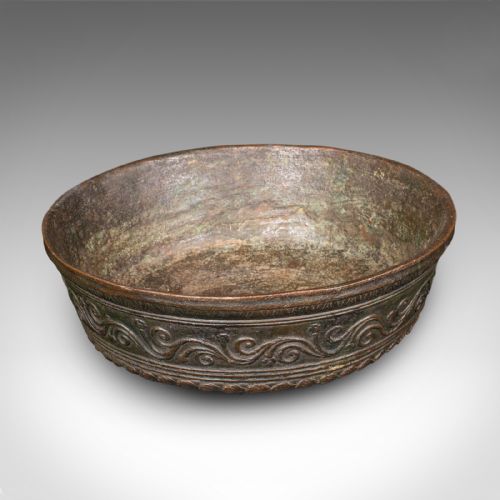
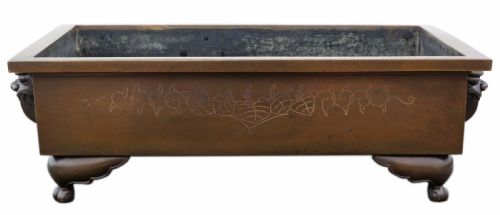
A bronze metal basin encompasses a range of heavy metal vessels including jardinieres, decorative bowls, planters, ritual vessels, and garden urns. When searching for a bronze metal basin, collectors encounter pieces spanning the 16th century, Georgian, Victorian, 18th century, and 19th century periods, as well as early 20th century items up to 1930.
The selections on this page lean heavily towards East Asian origins, featuring Japanese Edo period and Meiji period works alongside Chinese Qing dynasty and archaistic pieces. English vessels also appear in the form of Georgian duck roasting pans and Victorian cast iron or bronze planters.
These items primarily function as decorative planters, jardiniere bowls, suiban ikebana arrangements, or traditional Buddhist tearai water vessels. Their forms range from deep ritualistic food bowls and censers to monumental temple vases and large garden planters.
What varies in quality
The distinction between standard utility items and finer pieces rests upon the weight and precision of the cast metal. Heavier vessels, such as large multi-kilogram Chinese bowls and monumental temple vases, demonstrate greater material substance and stability.
Artistic execution and decorative depth separate basic utilitarian containers from works associated with specific periods like the Meiji period or Qing dynasty archaistic designs. The finesse of the surface detail, patination consistency, and integrity of form determine the standing of each individual jardiniere or planter.
Listings span from the 16th century through the Georgian, Victorian, and early 20th century periods, incorporating Japanese Edo and Meiji styles alongside Chinese Qing dynasty pieces.
The Bronze Metal Basin Glossary
- Jardiniere
- A large ornamental pot or stand for holding plants or flowers. These vessels often sit on interior floors or garden tables.
- Suiban
- A shallow Japanese basin used for displaying Ikebana flower arrangements. Water is pooled inside the bronze body to support the stems.
- Archaistic
- Design work that deliberately imitates ancient artistic styles and motifs. This approach appears frequently in Qing dynasty ritual vessels.
- Censer
- A vessel intended for burning incense. Many antique bronze examples share similar bowl forms with decorative planters.
- Patinated bronze
- Metal that has developed a surface coloration or green film through oxidation and age. This finish alters the visual tone of the raw bronze.
Bronze Metal Basin: Frequently Asked Questions
What is a bronze metal basin used for?
These basins serve multiple purposes depending on their original cultural context and form. Many act as planters and jardinieres for housing large indoor or garden plants.
Others function as ritual vessels, temple vases, or ceremonial water basins like Buddhist tearai and suiban containers for flower arrangements.
How do I identify a Meiji period piece?
Meiji period Japanese bronze vessels date from the late 19th century onwards. They often display distinct surface patination and detailed casting characteristic of that era's metalwork.
Comparing the decorative motifs and manufacturing style with dated examples from the same period helps confirm their origin.
Are all these basins made of bronze?
While the majority consist of bronze or patinated bronze, the material selection varies across the inventory. Some pieces incorporate related metals such as brass, copper, and cast iron.
Certain items also combine these metallic elements with wood components, particularly in domestic English and Asian utilitarian dishes.
How heavy are these metal basins?
The weight of these pieces varies significantly based on their size and metal thickness. Some smaller decorative bowls weigh around two kilograms, while larger Chinese bronze bowls exceed four kilograms.
Monumental temple vases and garden urns represent the heaviest end of the scale, requiring robust placement surfaces.