





Bronze Male Sculpture
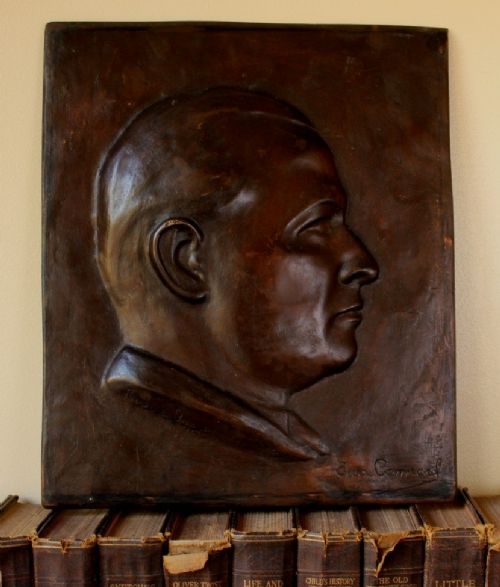
When you search for a bronze male sculpture, you are looking at classical heroes, athletic figures and portrait busts cast from the nineteenth and early twentieth centuries.
Bronze Male Sculpture
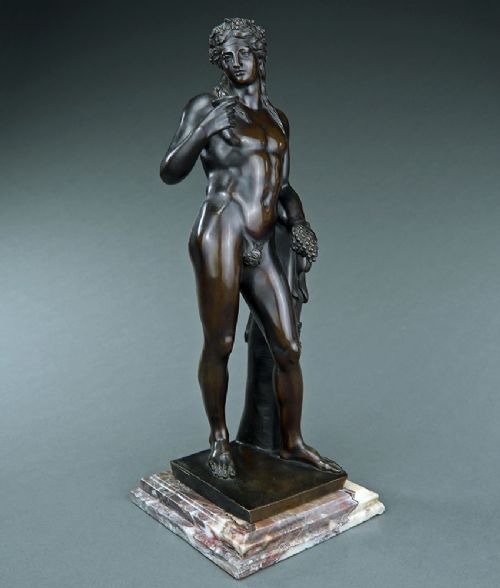
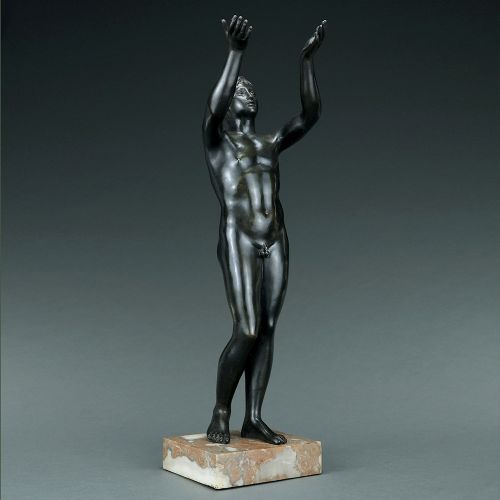
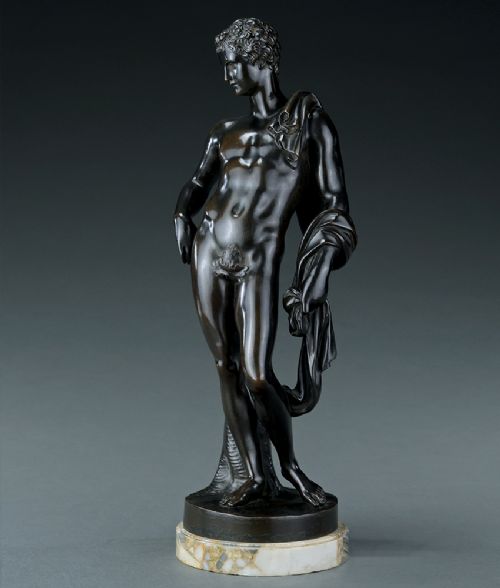
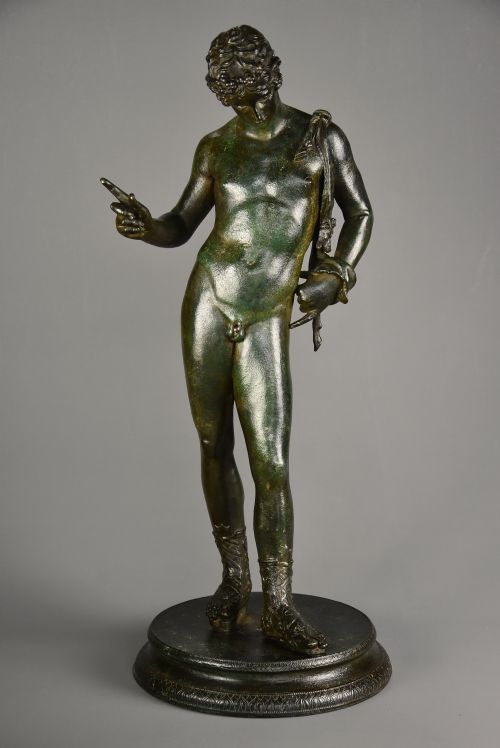
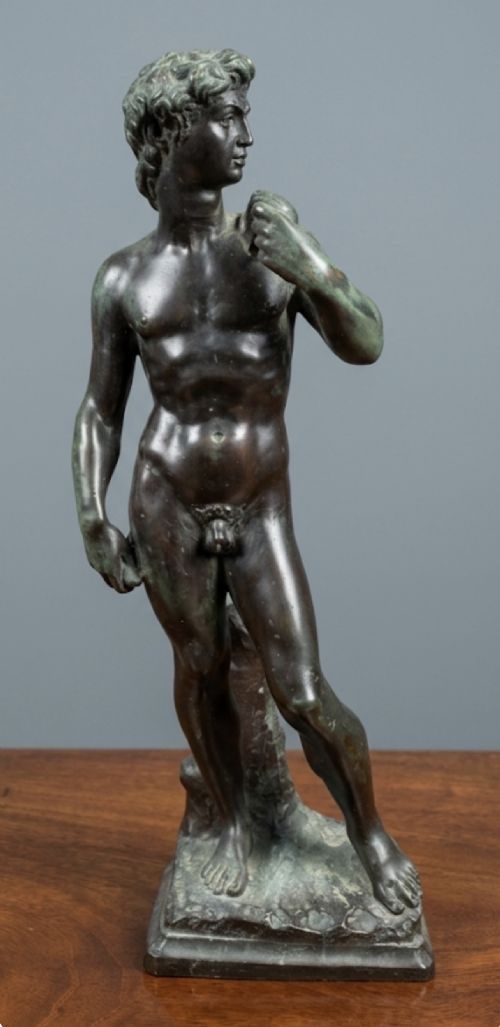
A bronze male sculpture encompasses classical subjects, mythological figures and portrait studies originating largely from nineteenth-century France and Italy. Collectors frequently encounter Grand Tour reductions of ancient statuary, such as Narcissus, alongside later academic and Art Deco athletic figures.
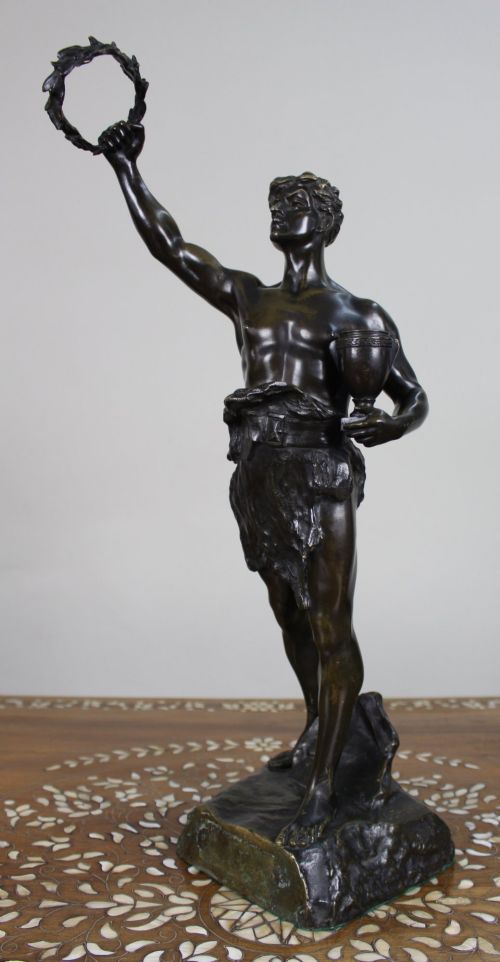
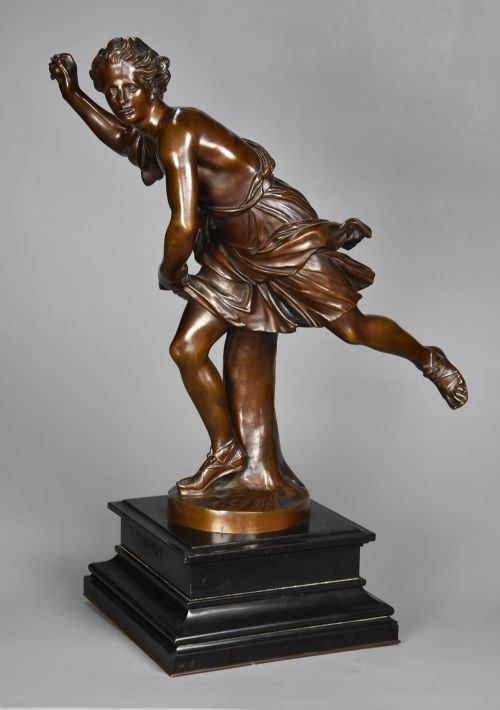
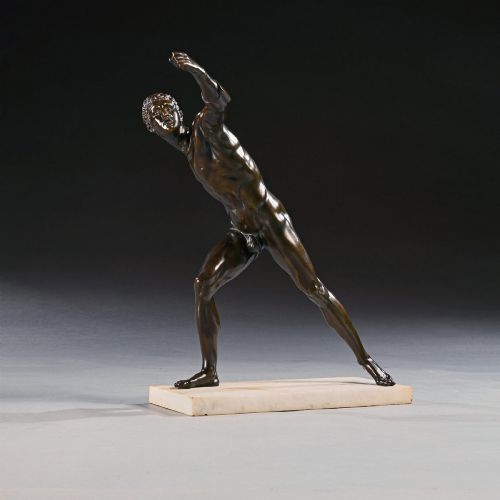
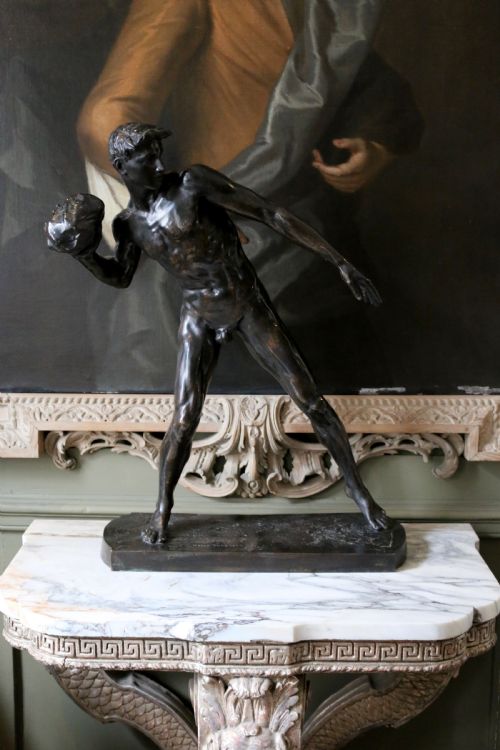
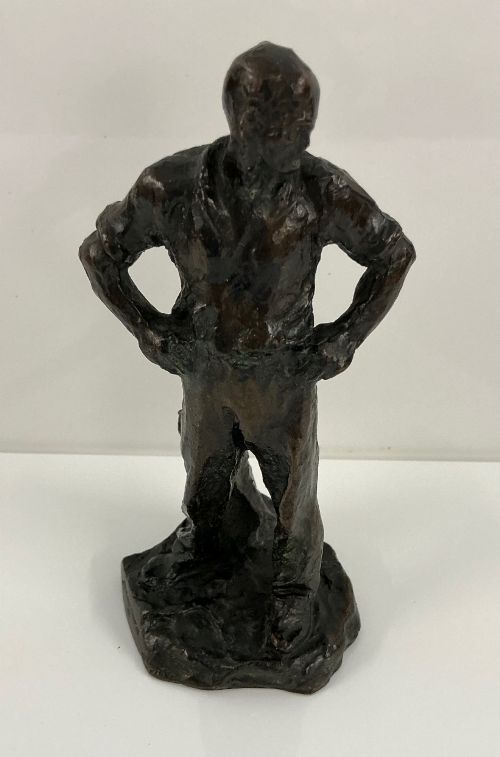
The category spans small cabinet pieces to monumental table lamps and busts. Subjects range from Greek archers and gladiators to modern tennis players and gentlemen.
Originating predominantly from European foundries and travelling workshops, these pieces reflect both the classical revival of the Victorian era and the modernist shifts of the 1920s and 1930s.
How they were made
Foundries utilised the lost-wax casting method or sand casting to capture intricate musculature and drapery. Molten metal was poured into moulds derived from original models, often resulting in solid or heavy-gauge hollow figures.
Finishing involved cold-chiselling the cast metal to sharpen details, followed by the application of chemical patination ranging from dark green and verdigris to rich brown tones. Many figures were mounted firmly onto bases of fossil marble, ebonised wood or rouge marble.
Bronze Male Sculpture Retail Price Guide 2026
Typical asking prices for bronze male sculpture among the pieces listed under this phrase on Sellingantiques today, from the lower quarter to the upper quarter. They describe what is for sale here now, not the wider market.
Listings feature nineteen-century Neapolitan Grand Tour bronzes alongside Art Deco athletic figures cast in bronze and patinated metal.
What varies in quality
The quality and depth of the patination, together with the choice of natural stone bases such as fossil or Verdi marble, distinguish exhibition pieces from standard decorative editions.
Barbedienne·Eugene Canneel·Julien Lorieux·Friedrich Goldscheider·Emile Louis Picault·Alajos Strobl·Mathurin Moreau
The Bronze Male Sculpture Glossary
- Grand Tour
- A traditional trip through Europe undertaken by upper-class young men in the eighteenth and nineteenth centuries to study classical art. Pieces collected or purchased during these travels often included miniature bronze copies of ancient sculptures.
- Patination
- The chemical treatment or natural weathering applied to the surface of bronze to alter its colour. Foundries used this technique to achieve deep browns, greens and verdigris highlights.
- Lost-wax casting
- An ancient metalworking method where a molten metal is poured into a mould that has been created by means of a wax model. This technique allows for exceptionally fine detail and undercut forms.
- Spelter
- A zinc-based alloy commonly used as a cheaper, lighter alternative to bronze in decorative figures and lamps. It was frequently given a bronze-coloured surface finish.
Bronze Male Sculpture: Frequently Asked Questions
What is a Grand Tour bronze?
A Grand Tour bronze is a nineteenth-century reduction of a famous classical sculpture, purchased by travellers visiting Italy and Greece. These pieces served as scholarly mementos of classical education and European travel.
They are typically smaller in scale, cast in patinated bronze, and occasionally mounted on marble plinths to display in studies and libraries.
How do I distinguish bronze from spelter?
Bronze is heavier, denser and cooler to the touch than spelter, with a resonant ring when tapped gently. Spelter is a softer zinc alloy that often shows a lighter, greyish metal underneath worn surface finishes.
Examination of the underside or areas of friction usually reveals the distinct difference in the base metal.
Where should I display a heavy bronze figure?
These sculptures require sturdy furniture such as sideboards, desks or dedicated pedestals that can comfortably support significant metal and stone weight. Placing them away from direct moisture prevents chemical changes to the patinated surface.
Good ambient lighting helps reveal the subtle textures of the metal and the tones of the marble base.
Why are some pieces signed by foundries rather than artists?
Major foundries like Barbedienne purchased the casting rights to popular works by renowned sculptors, stamping their own enterprise name alongside or instead of the artist's signature. These foundry marks denote high production standards and commercial prestige.
Such signatures help historians date the cast and identify the commercial workshop responsible for its creation.